1. Background

Any individual and their respective characteristics can be determined by of course, birth, race, ethnicity, class, religion, schooling, ethic, morals, age, the list goes on. Every person born is dealt a unique and personal set of cards at birth with realistically unfair advantages (or disadvantages) given the region in which they are born on earth. The culmination of events that take place within any persons lifespan, how they learn and evolve, respond to conflict and situations and utilize their environment dictates a level of success in comparison to somebody who would just go through the motions of life. It requires an understanding of how to compartmentalize the intangibles of life as well as the tangibles brought before you to be a better person every day.
2. Health

Just as relatable as one’s upbringings, health in the general sort of things can also be luck of the draw due to a variety of reasons. Genetically people can naturally be tall, short, muscular, thin, plump, either way some aspects of one’s heath may not always be present until later in life as well. Humans naturally as endurance animals coupled with modern medicine can generally deter short livelihoods from auto immune diseases and commonly known illnesses to date. The biggest importance for health does not derive from doctors outright (Though it is equally important) however. Anybody with a productive and leader-like mind knows to drink water, eat healthy and work out to avoid the need for emergency doctors’ visits.
3. Goals
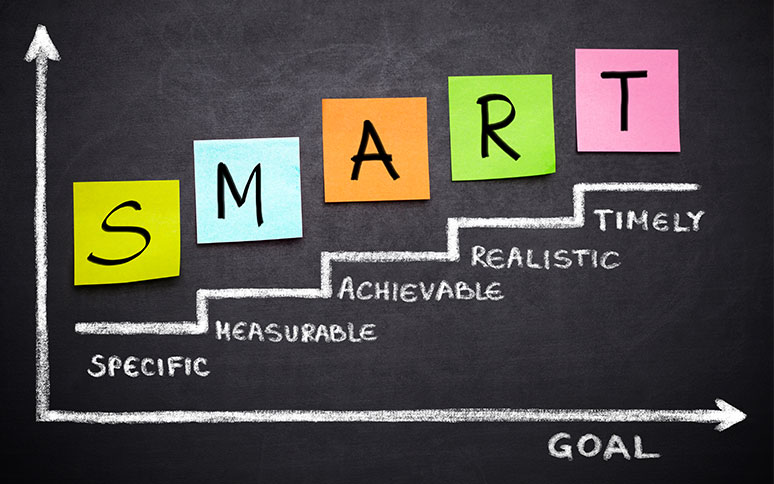
Assuming any person through both their culmination of events in their life plus their health combined then becomes much more important in the development of people and leaders within all walks of trades, business, and human organizations in the modern world. Individuals that happen to grow up in areas with free markets are particularly lucky in most circumstances, but trade is a common trait across the world regardless of anybody’s national and institutional values. As people consolidate themselves throughout life, they begin to understand the complexities of ascertaining goals in things particular to their own lives, whether it be for vocational reasons or personal reasons and this in turn builds character and makes leaders
4. Tell
The “tell” style of leadership is considered the most direct approach with considerable drag, this form of leadership derives from a much more autocratic understanding of teaching subordinates, new workers and students alike in any field. Though this form of leading can be effective it has been shown to lack value in the long term effect of people’s understanding of things and generally lacks empathy as it is much more focused and the “how to and when to” do it types attitudes and lacks in other qualities, but like all things this is situationally dependent.
5. Sell
In comparison to more direct and reactive attempts at leading others, the sell style of leadership is a much more situationally high stress high gamble method in which you rely on your relationship with others to do the tasks that you would like them to do (assuming “they” can do it) for you. The sell method is not to be confused with “bribery” This type of leadership is much more effective for short term and contractual relationships and like all other forms, is entirely situational to the group of people in question.
6. Participate
Participating leadership (or commonly called democratic leadership) is the method of uplifting and encouraging everybody within the group to fill a specific or technical role and hold diplomatic weight and value in words that also contributes to the groups overall success in what they are striving for. Unlike tell and sell, the leaders are much more approachable in these situations, give care for others and expect in return a less invasive need to be in subordinate business. Forms of “Participation” also carry sell and delegate functions due to leader morale care and care towards others.
7. Delegate
Delegative leaders share qualities of sell and tell leaders by identifying participating people to fill the specific and technical roles the leaders see fit to make the whole “process” work smoothly. The other participative quality present is the leader’s ability to communicate effectively and allow workers to have more free rein due to the leader’s trust in the people being delegated in the right spots chosen or earned for them respectively. As all other styles of leadership, it is used situationally as all are interchangeable and dependent on conflict or task