Water Transportations and Activities.
Word count: 1069
Choice count: 47
Section count: 25
Image count: 25
Error count: 27
Field Related Analysis
Education : 36 matches
(choice, class, first, sets, term)Tourism : 27 matches
(area, boat, cargo, cockpit, food, glass, hovercraft, jet, lifeboat, mast, natural)Archaeology : 18 matches
(class, close, cockpit, column, feature, glass, here, hundred, iron, jet, papyrus, platform, rescue, roman, steel)Target Structure: (0 matches)
Water Transportations and Activities.
Contents.
People have used many ways to travel on water.
Choice 1 : Quicker by Boat.
Choice 2 : Thin but strong
Choice 3 : Oars for rowing
Choice 4 : Wind and sail
Choice 5 : Full steam ahead!
Choice 6 : Cargo
Choice 7 : Fun on the water
Choice 8 : All sorts of ships
Choice 9 : Previous

Quicker by Boat.
Thousands of years ago, it was difficult to travel. The land was covered in trees, bushes and swamps. It was easier for people to travel by water. The first boats were tree trunks with some of the wood dug out. They were called dug-outs. Dug-outs were very heavy and were hard to carry. So, people started to make boats of animal skin. The boats were light and could be carried easily.
Choice 1 : Thin but strong.

Thin but strong.
Reeds are plants that grow in wet places. They are very light and thin, but if they are cut and tied together in bundles, they become strong. These bundles can be made into boats. The ancient Egyptians made quite big boats out of reeds called papyrus.
Choice 1 : Indian Parisal.
Choice 2 : Clinker-built boat
Choice 3 : Indian Parisal.

Indian Parisal.
Bamboo is vert flexible. It can be bent into shapes to make a boat.
Choice 1 : Clinker-built boat.

Clinker-built boat.
The strips of wood can be nailed together to make light boats. These are called clinker-build boats.
Choice 1 : Oars for Rowing

Oars for Rowing.
Rowing with oars is a good way to move a boat. Roman warships had two or even three rows of oars. The ships moved quickly with around on hundred men rowing. A beak at the front was used to ram enemy ships.
Choice 1 : Wind and Sail

Wind and Sail.
Before engines were invented, wind was used to move boats. You needed sails to catch the wind. Sails were made of canvas and were all shapes and sizes. Most sailing boats were used to carry things from place to place. Small boats kept close to the land. Bigger boats were called ships. They could travel long distances.
Choice 1 : Full steam ahead!

Full steam ahead!
If there was no wind, boats with sails couldn't move. The problem was solved when steam engines were invented. The first ships with engines were paddle steamers. They had paddles at each side or at the back. About 150 years ago, ships became much bigger. They were built of iron instead of wood. They were driven by propellers at the back rather than paddles.
Choice 1 : Cargo

Cargo.
Nowadays, most big ships are used for carrying cargo. Cargo can be anything-food or glass, TV sets or shows. The biggest ships sail to ports right around the world. Smaller cargo ships do shorter journeys. Container ships carry cargo packed into huge steel boxes.
Choice 1 : Bulk.
Choice 2 : Fun on the water.

Bulk.
Any cargo that is not in a container is called bulk. Bulk carries things like oil, grain, coal, or cement.
Choice 1 : Fun on the water.

Fun on the water.
Moving about on the water can be fun for anyone. There are all sorts of ways that people can enjoy themselves on boats and things that float.
Choice 1 : Sailboard
Choice 2 : Surfboard
Choice 3 : Speedboat
Choice 4 : RIBS
Choice 5 : Jetski
Choice 6 : Pedalo
Choice 7 : Dinghies
Choice 8 : All sorts of Ships

Sailboard.
A modified surfboard having a mast mounted on a universal joint and sailed by one person standing up.
Choice 1 : Surfboard.

![2010_mavericks_competition.jpg: Shalom Jacobovitzderivative work: Brocken Inaglory ([[User talk:Brocken Inaglory|talk]]), CC BY-SA 2.0 https://creativecommons.org/licenses/by-sa/2.0, via Wikimedia Commons](https://upload.wikimedia.org/wikipedia/commons/d/d1/2010_mavericks_competition_edit1.jpg "2010_mavericks_competition.jpg: Shalom Jacobovitzderivative work: Brocken Inaglory ([[User talk:Brocken Inaglory|talk]]), CC BY-SA 2.0 https://creativecommons.org/licenses/by-sa/2.0, via Wikimedia Commons")
Speedboat.
A speed boat designed for more recreational use will often feature an open cockpit and sitting area for passengers.
Choice 1 : RIBS.

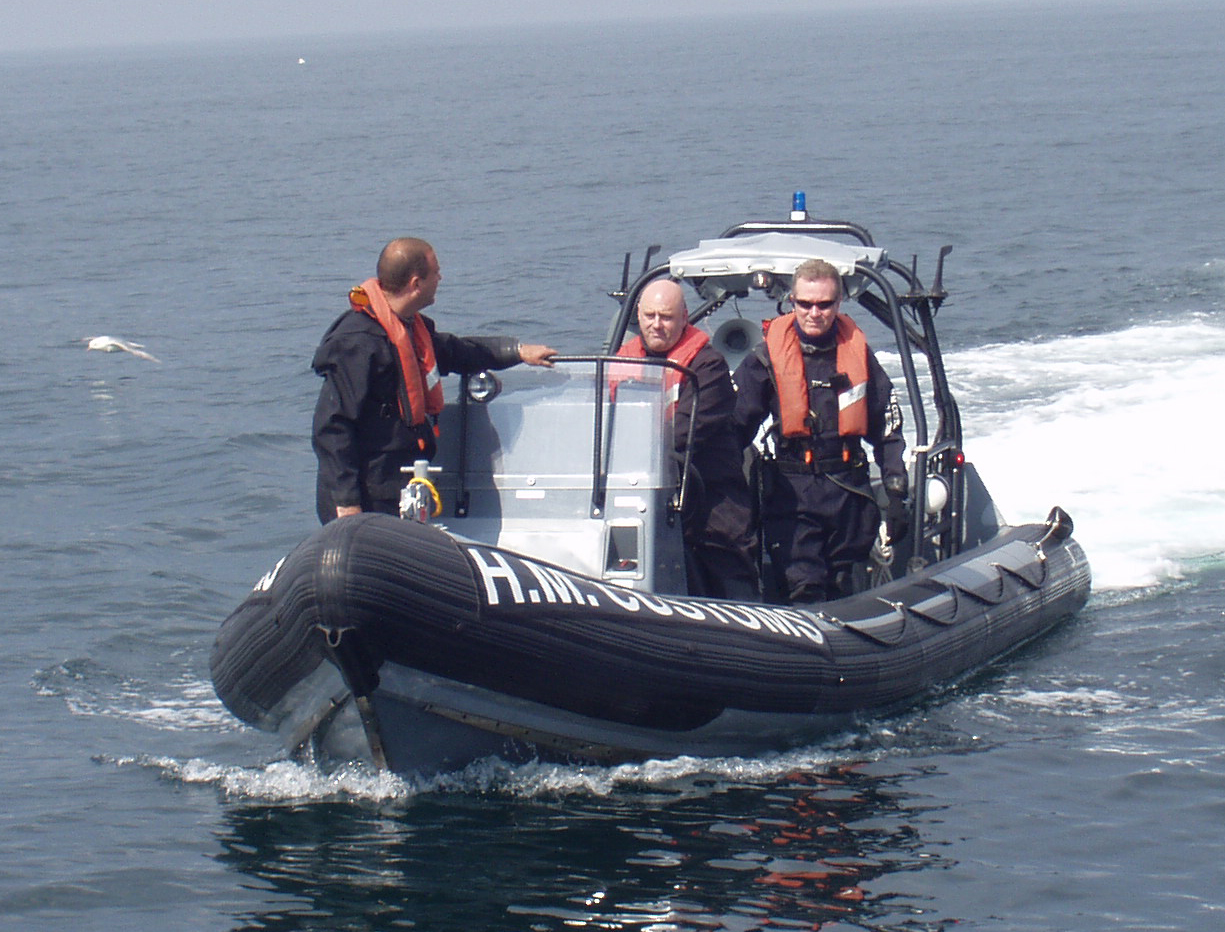
RIBS.
Rigid Inflatable Boat - a lightweight, inflatable Boat fitted with a rigid bottom. Often used as lifeboats, sea patrol vessels or work boats for trades on the water. The inflatable collar allows the vessel to remain buoyant even if it takes on a lot of water in bad conditions.
Choice 1 : Jetski.
Jetski.
In 1970 Kawasaki introduced the first Stand-Up PWC using the term “Jet Ski”. They quickly trademarked the term. Those first Jet Skis were only designed for one rider who had to stand up. So quickly the generic term “Jet Ski” caught on and until this day is often used to reference other brands of personal watercraft.
Choice 1 : Pedalo.

Pedalo.
A pleasure craft driven by pedal-operated paddle wheels.
Write a choice here.

Dinghies.
A small boat carried on or towed behind a larger boat as a tender or a lifeboat.
Choice 1 : All sorts of Ships.

All sorts of Ships.
Nowadays, ships are built for all sorts of tasks.
Choice 1 : Icebreaker ship
Choice 2 : Oil Rig Ship
Choice 3 : Submarines
Choice 4 : Hovercraft
Choice 5 : Airboats
Choice 6 : Submersible
Choice 7 : Contents.

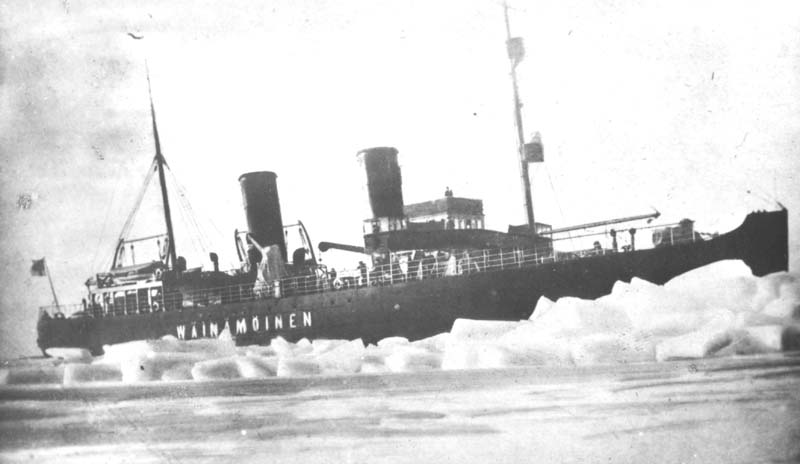
Icebreaker ship.
Icebreaker ships are a special class of ships that are designed to break even thickest of the ice and make some of the most inhospitable paths accessible to the world, navigating through the ice-covered waters, especially in the Polar Regions.
Choice 1 : Oil Rig Ship.
Oil Rig Ship.
An “oil rig” is a “drilling platform in the ocean” used in the search for natural gas and crude oil in order to sink bore holes.
Write a choice here.

Submarine.
Submarines are called subs for short. Militaries and scientists use submarines to travel deep under the ocean. Militaries use submarines to patrol ocean waters and to attack enemy ships during wartime. Military submarines are usually very large.
Choice 1 : Hovercraft.

Hovercraft.
Hovercraft are used for rescue, commercial, military and paramilitary applications to transport, save and protect lives across the world's most challenging environments.
Choice 1 : Airboats.

Airboats.
Airboats were initially used as means of navigating shallow waters, like those in the Florida Everglades, so that people could fish and hunt. In places like the Florida Everglades, airboats are the best way to travel on water because the water is too shallow for a standard submerged propeller engine.
Choice 1 : Submersible.

Submersible.
Submersibles are underwater robots that are deployed from the ship to the sea, where they record and collect information from the ocean's water column and seafloor for scientific analysis.
Choice 1 : Contents.
