The End of Fast Fashion
Word count: 2042
Choice count: 25
Section count: 15
Image count: 15
Error count: 23
Field Related Analysis:
Computer Science : 25 matches (bit, body, budget, call, check, choice, closed, environment, link, list, local, mean, online, open, pack, page, Page, peer, production, Section, share, sign, store, Value, YouTube)
Business : 20 matches (brand, brands, budget, businesses, consumers, economy, lead, market, marketing, money, offer, pressure, price, production, sales, sell, share, store, trends, value)
Tourism : 20 matches (Budget, Environment, Extra, Fair, Food, Goal, Marketing, US, alternative, bit, board, brand, course, marketing, mass, online, option, rules, stand, sustainable)
Target Structure:
though (3 matches)
The End of Fast Fashion
Shopping with my friends.
Before studying in fashion marketing, I had no clue what "fast fashion" meant. My friends and I would go on Ste-Catherine Street, in Montreal, and buy from every clothing brand we judged wasn't of too poor quality or too expensive. We would go in places like Zara, Aritzia, Urban Outfitters, Brandy Melville and many others just to find pieces that would last us one season only and wouldn't even be trendy two months later. I wouldn't think about the repercussions on the environment that my shopping habits could have, simply about how great I would look in these clothes. Did you know how problematic these stores are?
Choice 1 : So... what do we do then?
Choice 2 : Why is fast fashion problematic?

So... what do we do then?
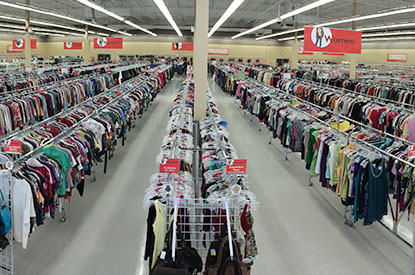
Like many others, I now try to buy second hand clothing. It is less expensive and it fosters up-cycling. Even though this seems like the best option, it sadly is not. In reality, thrift stores are, for some of us, the only option when it comes to clothes. When second hand shopping, we have to be careful not to take away valuable options for those who cannot afford to shop somewhere else. For example, if I have the means to buy a brand-new winter jacket, I should not be getting it from a Value Village, I should leave it for the people who have no choice but to buy used clothes. The same goes for what I call "baggy clothes" that are in fact just bigger sizes. The market for big sizes in the fashion industry is limited and very expensive. Taking away that option from people who really need it just because I think it is cool to wear oversize clothes is not OK. Therefore, it is important to think about every aspects of thrift shopping.
Choice 1 : Tips when thrift shopping.
Choice 2 : OK. Now I really don't know where to shop.
OK. Now I really don't know where to shop.
With that being said, I understand it might be difficult for the public to find the right places to shop to. Here's my recommandation: look for local brands, creators or stores that might be a little more expensive for most people, but fit in your budget. It is a great way to support local economy while satisfying your need for new clothes. It is of course not forbidden to buy from thrift stores if you have a higher budget, but it is mandatory that you keep in mind what was just discussed.
Choice 1 : What local brands would you recommend?
Choice 2 : I get it, but my friends don't.

Local brands I would recommend.
If you are looking to support local creators, but you don't know where to start, here are some of my favorites: 1. Blush Lingerie 2. Sarah Biiijoux 3. Lolo Crochete 4. Kapara Vintage 5. Popeline 6. Odeyalo 7. Naked and Famous Denim.
Choice 1 : Local brands: websites.
Choice 2 : I'd love to support local businesses, but my budget is tight.

Why is fast fashion problematic?
I feel like this is kind of self-explanatory. Fast, in "fast fashion", means that the main goal of these companies is producing as much clothing as they can, sell as much as they can and make as much money as they can. As fast as they can. Pretty much like fast food, when you think about it. The research behind everything related to the production, materials and workforce is highly overlooked. You've probably heard of how terrible the working conditions can be in developing countries. Well, the fast fashion industry has no problem with using that at its advantage. Even worst, because its always looking for a cheaper way to mass produce, it will ignore its impact of the environment as well. The fashion industry is the second most pollutant industry in the world and that is mostly due to the fact that people are more concern about the latest trends than about the actual price of their "only $25" t-shirts.
Choice 1 : Fast fashion is my only option.
Choice 2 : I don't see how I could change any of that.

Tips when thrift shopping.
When thrift shopping, to make sure I don't go overboard, I try to follow 5 rules: 1. Make sure to donate as well. I know selling your old clothes on Depop or Instagram can be tempting, but make sure you also donate some of them, especially if you buy from thrift stores. Selling a $3 shirt you bought at your local Renaissance for $15 on your Instagram page is unethical and wrong. 2. When buying a coat or anything winter related, ask yourself if this is something you would have the means to buy full price. If the answer is yes, then it belongs to someone who could not. 3. When buying bigger sizes, try to do it from the men section. That way, the clothes look bigger on you, but you are not taking away +sizes options from anyone. 4. Try not to buy anything from the brand-new section. Leave it for the people who cannot afford new clothes. 5. Always establish a budget! Leaving a thrift store with $200 worth of clothes is a sign that you didn't need to buy second hand clothing. You just thought it would be cool and trendy. Leave some for the people who don't have other options. You can also always try to recycle your old clothes with fun DIY!
Choice 1 : DIY: starter pack.

Talk to your friends.
I started this narrative by telling my story and how I used to follow my friends around without asking any questions. I am grateful that I finally educated myself on the matter and that I can now make better choices. Nonetheless, I find it important to take the time to share all of that knowledge with the surrounding people, especially my friends. When shopping with them, I try to educate them as much as I can. I take the time to explain why their shopping habits are problematic and I keep an open mind when they tell me how difficult it is for them to change their ways. If you feel like your friends are unaware of what we just discussed, you should talk to them. That way, you guys can support each other and change your shopping habits little by little.
Choice 1 : How to educate my friends.
Choice 2 : My friends can educate themselves! Why would it be my job?
Local brands: websites.
1. Blush Lingerie https://www.blushlingerie.com/ca_fr/?___from_store=ca_fr 2. Sarah Bijoux https://sarahbijoux.ca/?gclid=Cj0KCQjwppSEBhCGARIsANIs4p43POmkHo2_YKpjXEttCjC0hLEjT7fl83xfYI_pnTpEmrjr9tS5Mv4aAjjQEALw_wcB 3. Lolo Crochete https://lolocrochete.com/ 4. Kapara Vintage https://kapara.life/ 5. Popeline https://www.popeline.ca/ 6. Odeyalo https://fr.odeyaloclothing.com/ 7. Naked and Famous https://www.nakedandfamousdenim.com/.
Choice 1 : I'd love to support local businesses, but my budget is tight.

I'd love to support local businesses, but my budget is tight.
Supporting local businesses feels amazing in so many ways but is not cheap. At all. I hear you and I am here for you. Second hand clothing is always a great and cheap alternative. You can follow the first link if you want some tips on how to garnish your wardrobe without forgetting about sustainability. If you don't feel comfortable buying used clothes, you can always look for DIY ideas on how to recycle your current wardrobe!
Choice 1 : Tips when thrift shopping.
Choice 2 : DIY: starter pack.

How to educate my friends.
I feel like the best way to educate your friends on the matter would be to share what you've learned on fast fashion businesses unethical practices. By exposing the problem, you are allowing them to be open minded. When that's done, the only thing that is left to do is to find solutions. I've talked about a couple of them: thrift shopping, vintage shops and support local businesses. You can all share new shops you've found and discover new creators together, this actually sounds really fun! I've wrote a little bit about what you should be keeping in mind when thrift shopping, as well as a couple of local brands that I personally find interesting. Feel free to check it out!
Choice 1 : Tips when thrift shopping.
Choice 2 : Local brands: websites.
My friends can educate themselves! Why would it be my job?
You're not wrong, but you're not right either. Sadly, even though your friends are not your responsibility, when quiet about such an urgent matter, you become part of the problem. The fast fashion industry is known for trying to cover its tracks with false advertisement. It is of our responsibility, as consumers, to inform ourselves. When you take the time to tell your friends about the impact their shopping habits can have on the environment and on the lives of many, you might not change their ways, though you are still showing them that you are ready to stand your ground and that you won't support them buying from these stores anymore. You are putting on their conscience a positive peer pressure that might lead to them questioning themselves. I truly hope you will reconsider and decide to have a talk with your friends. If you ever do, here's a link with a bunch of reasons why fast fashion is problematic.
Choice 1 : Why is fast fashion problematic?
Fast fashion is my only option.
Just because you don't have a lot of money doesn't mean you shouldn't have new clothes from time to time. You deserve to have something for yourself, new and shiny, that no one wore before. I get that and, as a matter of fact, a lot of brands do to. You should look for warehouse sales or even vintage shops (their prices are low and some of their clothes are brand-new). There are so many options out there, I feel like it would be too easy to tell yourself that fast fashion is your only one. In fact, what would you do if your local Zara (or whatever your favorite store is) closed its doors?
Choice 1 : I could order online.
Choice 2 : I may want to start looking for local businesses

I don't see how I could change any of that.
When shopping ethically and caring about sustainability, you might not change the world, but you sure are helping it. If you are looking for basics, something of good quality that will last you a very long time, you might want to look at what local brands have to offer. Spending a little more on a piece of clothing that you'll be wearing for years makes a lot more sense than you would think. Quality often comes with price, local businesses are your best option here. If you are looking for funky clothes that you don't plan on keeping forever, try buying second hand. It's a cheap and sustainable way to spice up your wardrobe.
Choice 1 : Tips when thrift shopping.
Choice 2 : Local brands I would recommend.
I could order online.
Online shopping gained a lot in popularity in the last few years. You don't have to get out of the house to spend all of your money on clothes, how great is that? Not so great actually. See, a lot of ethical/local brands don't offer delivery. When you shop online, your choices are limited to big companies, who probably send every piece of clothing in separate plastic bags. Not only are you still encouraging fast fashion, but your shopping sessions are not even more pollutant than before! That's without mentioning that some body types can't afford to buy clothes without trying them first. Some brands don't even list their +size section on their website. Online shopping might seem like a fair alternative for you, but, in most cases, driving an extra hour to shop local is a better move.
Choice 1 : Local brands I would recommend.
DIY: starter pack.
If you are interested in fashion DIY, here's some YouTube channels you might want to check out: 1. Coolirpa 2. With Wendy 3. BlueprintDIY 4. Confessions of a Refashionista 5. Annika Victoria.
Choice 1 : How can I get my friends on board?