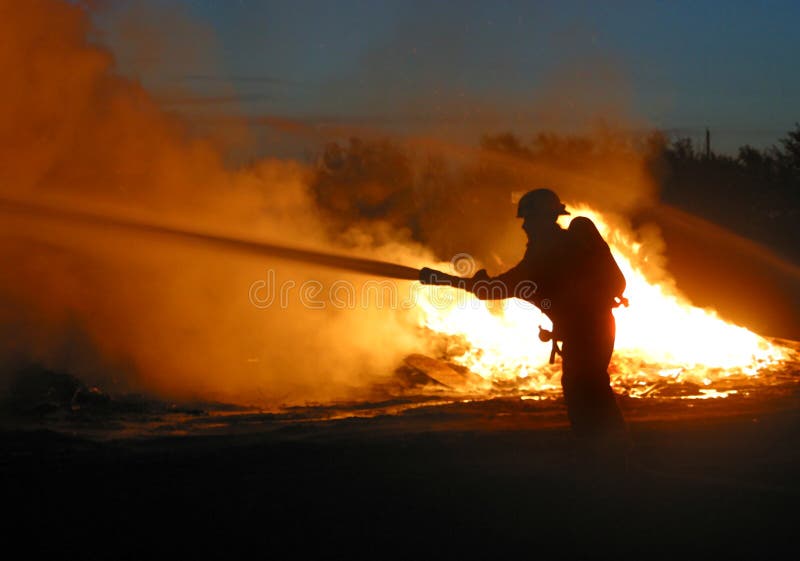
Firefighter Decisions.
Word count: 1787
Choice count: 37
Section count: 25
Image count: 25
Error count: 15
Field Related Analysis
Education : 93 matches
(choice, field, first, learned, management, performance, skills, trainee, training)Fire Safety : 52 matches
(emergency, fire, firefighter, firefighters, firefighting, rebuilt, rescue, smoke, volunteer)Paramedics : 48 matches
(calls, emergency, equipment, practice, pressure, rescue, respond, skills, trainee, volunteer)Target Structure: (13 matches)
background check (1 match)
dead-end job (1 match)
drawback (1 match)
dread (1 match)
fulfillment (1 match)
hr (1 match)
on-the-job-training (12 matches)
overwhelmed (1 match)
time management (5 matches)
trainee (1 match)
vacant position (1 match)
worthwhile (1 match)
volunteer (2 matches)
Firefighter Decisions.
Choosing career.
I worked a dead-end job in Sherbrooke, but I wanted a more meaningful career. I had always wanted to become a firefighter because I wanted to help people and feel real fulfillment in my work. After an interview with HR and a successful background check, I was offered two opportunities: a vacant position in Montreal or a trainee job in Sherbrooke. I had to decide where I wanted to start my career.
Choice 1 : Go to Montreal.
Choice 2 : Stay in Sherbrooke.

Go to Montreal.
I chose to go work in Montreal. The city was bigger, busier, and more stressful than Sherbrooke. My on-the-job-training was intense, and I quickly learned that good time management was necessary. One drawback was that I was far from my family and had to adjust to a new life.
Choice 1 : Ask my captain for help with my stress.
Choice 2 : Try to handle stress alone.

Stay in Sherbrooke.
I chose to stay in Sherbrooke. I preferred being close to my family and starting my career in a familiar place. The fire station was smaller, and the pace was calmer than in Montreal, but I still received valuable on-the-job-training. Even if the salary was not as high as in Montreal, I felt that helping my own community was worthwhile.
Choice 1 : Take every small emergency seriously.
Choice 2 : Only focus on big emergency calls and enjoy more free time.

Ask my captain for help with my stress.
I asked my captain for help because I did not want stress to stop me from becoming a good firefighter. He gave me advice about time management and told me that every new firefighter feels nervous. With his support, I became more confident during my on-the-job-training and started feeling more comfortable in Montreal.
Choice 1 : Volunteer for a difficult emergency call.
Choice 2 : Focus on training at the station before taking bigger risks.

Try to handle stress alone.
I decided to handle the stress alone to prove I was strong enough for the job. However, this was a mistake because I became tired and distracted during my on-the-job-training. One night, I felt dread before an emergency call and almost forgot my equipment. I realized that handling stress alone is not a good idea in a dangerous job.
Choice 1 : Admit my mistake and ask my captain for help.
Choice 2 : Hide my mistake and keep acting like everything was fine.
Take every small emergency seriously.
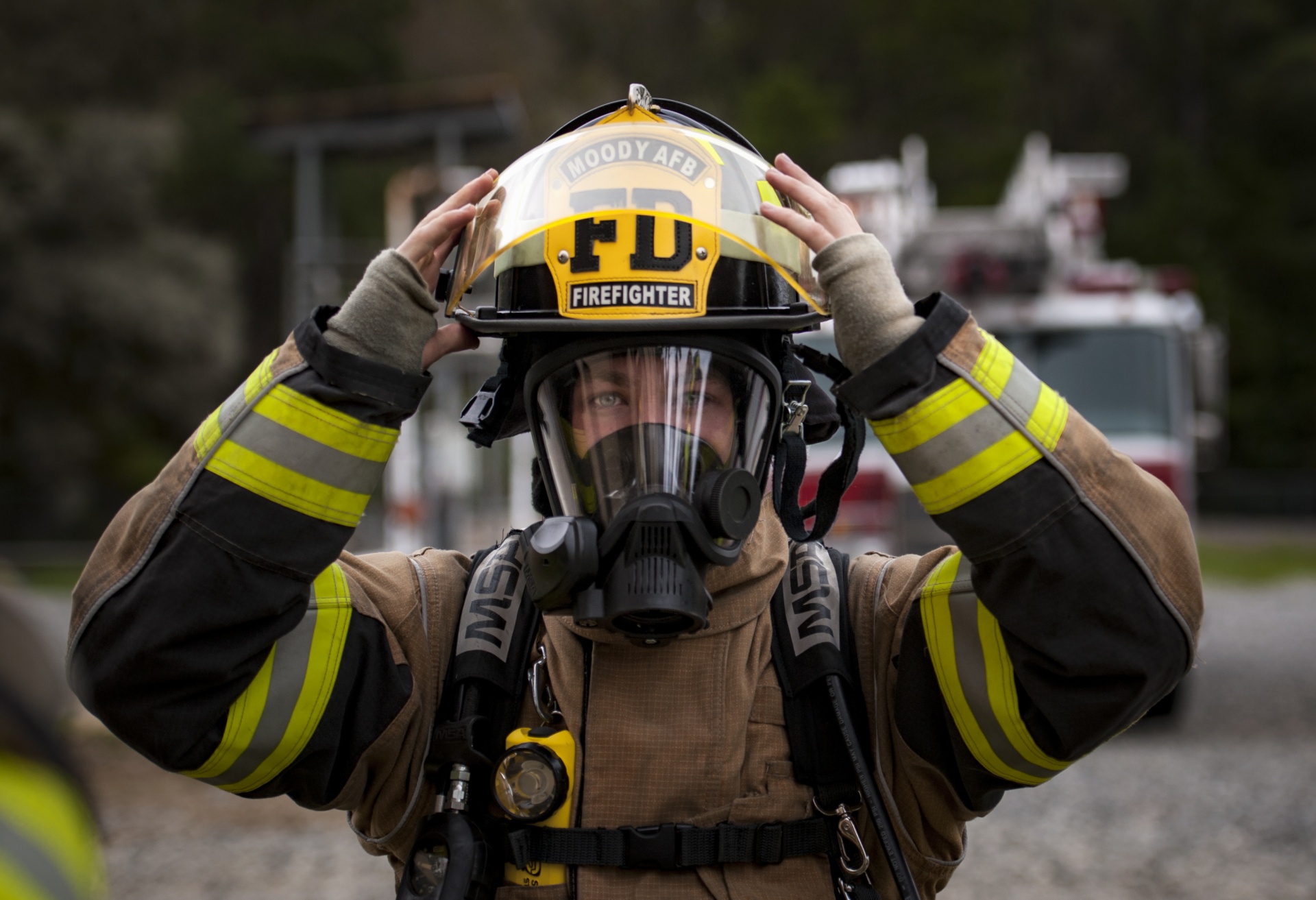
I decided to take every emergency seriously, even the small ones. During my on-the-job-training, I learned that a small call could become dangerous very quickly. One day, we answered a call about smoke in a house, and I checked every room carefully. Because I stayed focused, I found a small fire before it spread to the rest of the house.
Choice 1 : Call my team for help to control the fire.
Choice 2 : Try to put out the fire by myself.

Only focus on big emergency calls and enjoy more free time.
I decided to ignore small calls and focus only on bigger emergencies. At first, I thought it would give me more time to relax at the station. However, this was a mistake because one small smoke call became more serious than I expected. I realized that every emergency deserved my full attention, even if it seemed unimportant at first.
Choice 1 : Admit my mistake and become more serious at work.
Choice 2 : Keep ignoring small calls to have more free time.

Volunteer for a difficult emergency call.
I volunteered for a difficult emergency call to prove I could handle more responsibility. We responded to a large apartment fire in downtown Montreal with people trapped inside. I stayed focused, followed my training, and helped rescue two residents. After the call, my captain said I had made real progress as a firefighter.
Choice 1 : Take on more difficult emergency calls.
Choice 2 : Focus on training and improving my skills.

Focus on training at the station before taking bigger risks.
I decided to focus on training at the station before taking bigger risks to be fully prepared. I practiced equipment, reviewed safety, and improved time management. My captain supported me and said experience comes from practice. I became more confident and ready for serious calls in Montreal.
Choice 1 : Start responding to bigger emergency calls.
Choice 2 : Continue focusing on training before going into the field.

Admit my mistake and ask my captain for help.
I decided to admit my mistake and ask my captain for help because I could not handle everything alone. I explained that stress was affecting my performance during my on-the-job-training. My captain did not judge me and gave me advice on time management and staying calm. With his support, I rebuilt my confidence and learned that asking for help is a strength in firefighting.
Choice 1 : Follow my captain's advices and improve.
Choice 2 : Keep relying on myself without changing my habits.
Hide my mistake and keep acting like everything was fine.
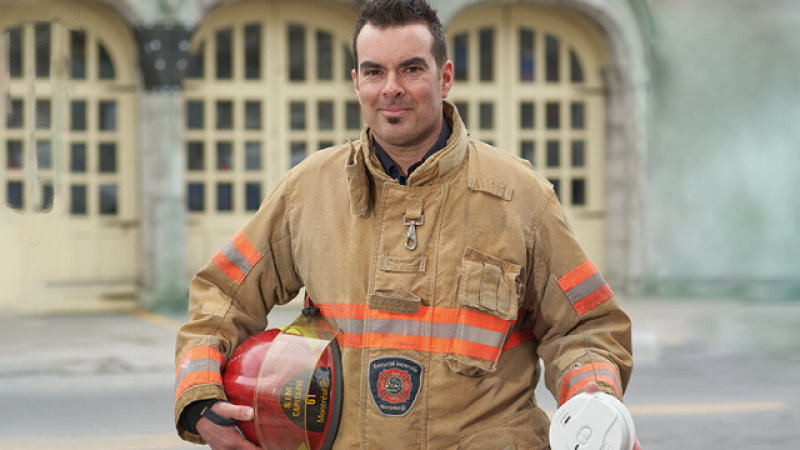
I decided to hide my mistake and act like everything was fine because I was afraid of looking weak. However, my performance during on-the-job-training got worse as I became stressed and unfocused. I started making small errors with my equipment. My captain eventually noticed and spoke to me seriously. I realized hiding my problems only made things worse.
Choice 1 : Finally admit my mistakes and ask for help.
Choice 2 : Continue hiding my problems.
Call my team for help to control the fire.
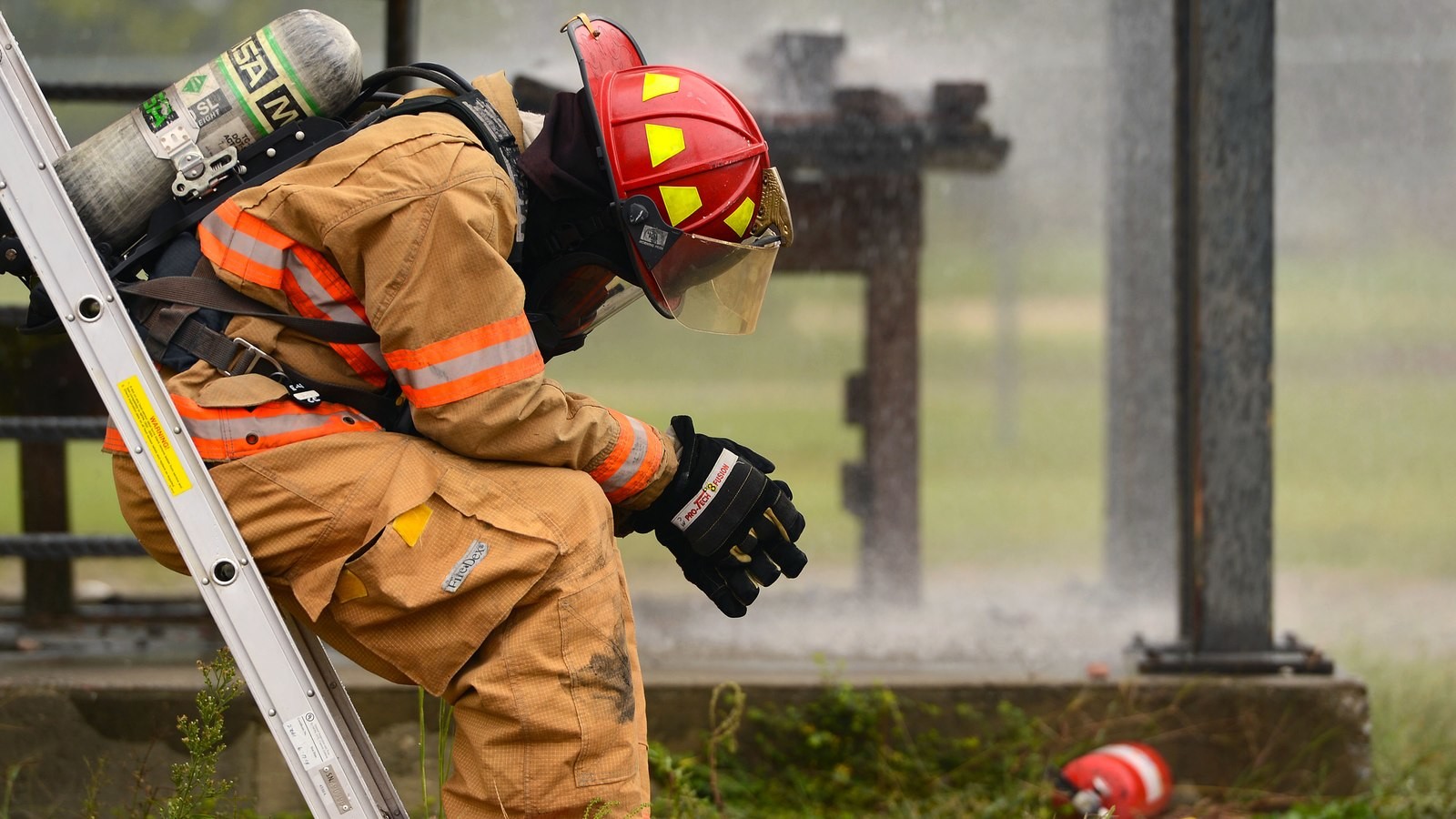
I decided to call my team for help to control the fire safely and avoid unnecessary risks. I stayed with the fire, radioed for backup, and followed safety procedures from my on-the-job-training. My team arrived quickly and helped contain the fire before it spread. Afterward, my captain said I made a smart choice by prioritizing safety and teamwork.
Choice 1 : Always prioritize teamwork and safety.
Choice 2 : Try to handle more situations alone to gain experience.

Try to put out the fire by myself.
I decided to try to put out the fire by myself to prove I could handle it alone. At first, I controlled part of it, but it quickly got worse. I realized I had underestimated the danger and should have asked for help. My captain arrived and took over with the team. I learned that teamwork is essential in emergencies.
Choice 1 : End
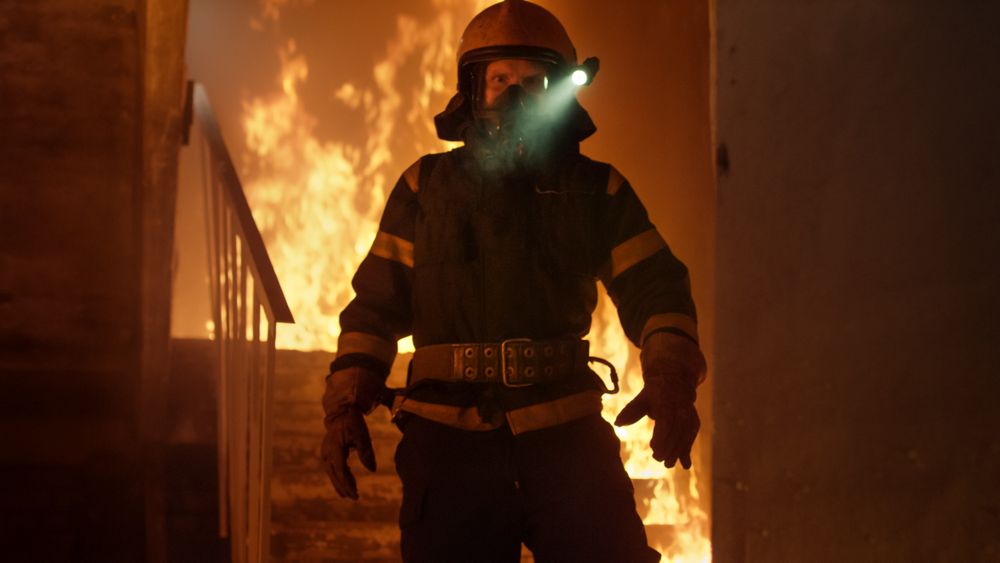
Admit my mistake and become more serious at work.
I decided to admit my mistake and become more serious at work because ignoring small emergencies almost caused a dangerous situation. My captain reminded me that no call is “small.” I changed my attitude during my on-the-job-training and started taking every emergency seriously. This made me a more reliable firefighter in Sherbrooke.
Choice 1 : End

Keep ignoring small calls to have more free time.
I decided to keep ignoring small calls because I thought it would make my job easier. At first, it seemed fine, but I became less alert during my on-the-job-training. One day, a small smoke call became a serious fire and I was not ready. My captain was disappointed, and I realized I needed to be more responsible.
Choice 1 : End

Take on more difficult emergency calls.
I decided to take on more difficult emergency calls to challenge myself. My captain trusted me more and gave me greater responsibility. I improved through real emergencies and gained confidence with each call. In the end, I became a stronger firefighter in Montreal.
Choice 1 : End
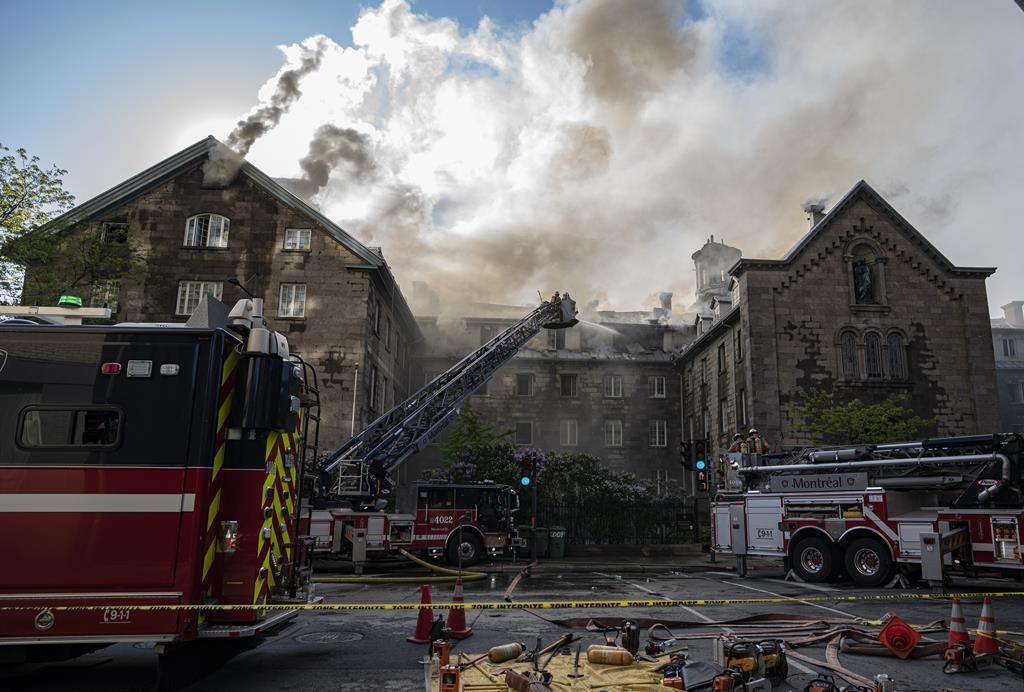
Focus on training and improving my skills.
I decided to focus on training and improving my skills before taking more risks. I worked with my captain to correct my mistakes. Even if I was not always in the field, I became more prepared and disciplined. In the end, I built strong foundations as a reliable firefighter.
Choice 1 : End

Start responding to bigger emergency calls.
I decided to respond to bigger emergency calls because I felt more prepared. My captain trusted me and I joined more serious interventions. At first it was intense, but my training helped me stay calm. Over time, I became more confident in Montreal emergencies.
Choice 1 : End

Continue focusing on training before going into the field.
I decided to focus on training before going into the field to be fully ready. I practiced equipment and improved my reaction time. Even if I wasn’t in real emergencies often, I built strong safety skills. In the end, I became a reliable firefighter.
Choice 1 : End
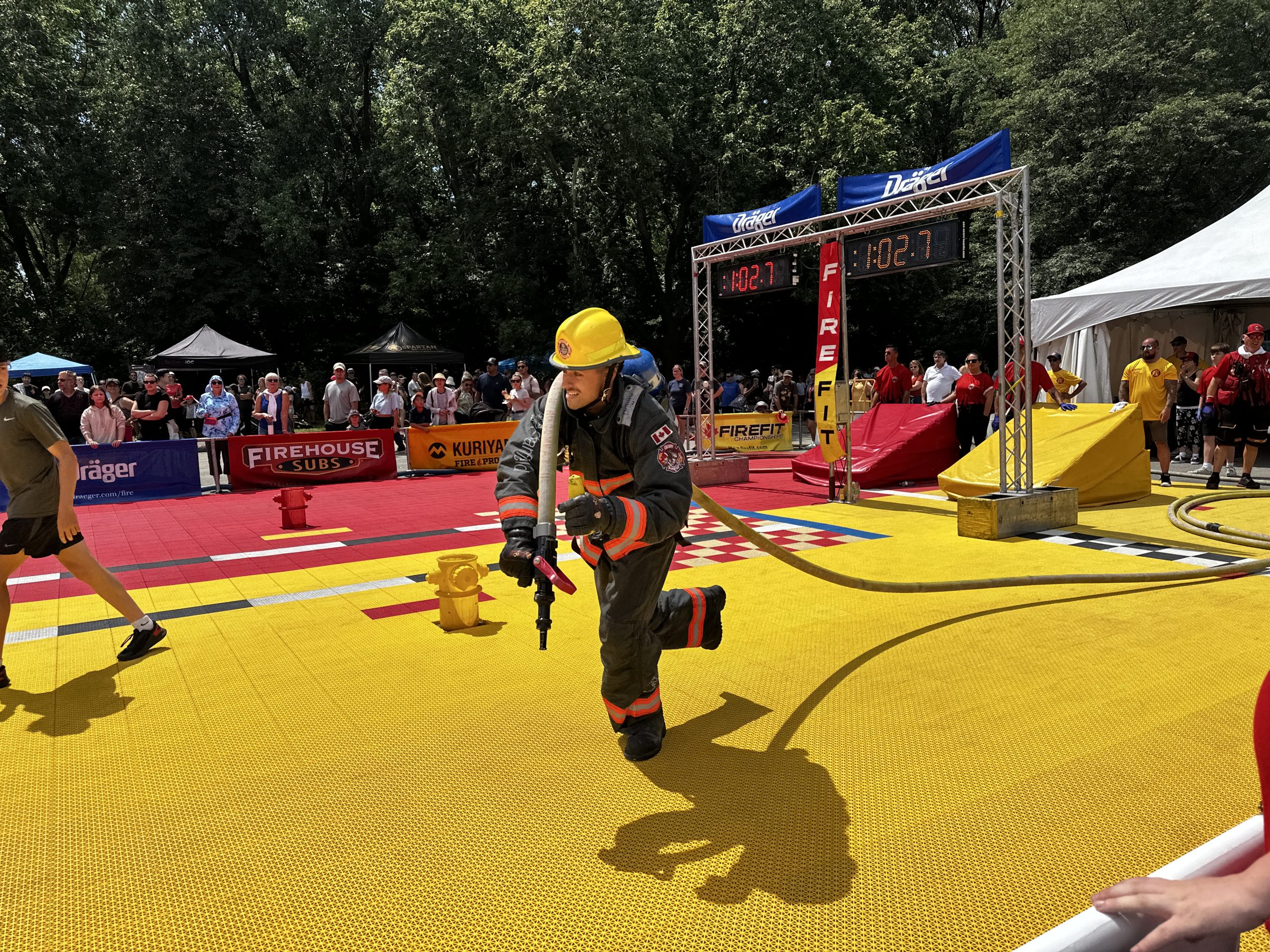
Follow my captain's advices and improve.
I decided to follow my captain’s advice and improve my time management and stress control. I became more focused and organized during my on-the-job-training. My confidence improved and I performed better during emergency calls. In the end, I became a more reliable firefighter under pressure.
Choice 1 : End

Keep relying on myself without changing my habits.
I decided to rely on myself to prove I could handle everything alone. However, I stayed stressed and made mistakes during training. My performance did not improve and I struggled in emergencies. In the end, I realized refusing help made my job less safe.
Choice 1 : End

Finally admit my mistakes and ask for help.
I decided to admit my mistakes and ask for help because I could not fix everything alone. I explained how stress affected my performance. My captain helped me rebuild my confidence and improve during my on-the-job-training. In the end, I learned that being honest is important for becoming a safe firefighter.
Choice 1 : End

Continue hiding my problems.
I decided to continue hiding my problems because I was afraid of being judged. However, my performance kept getting worse and I made more mistakes during training. My captain became concerned about my safety. In the end, I realized hiding my struggles made everything worse and unsafe.
Choice 1 : End
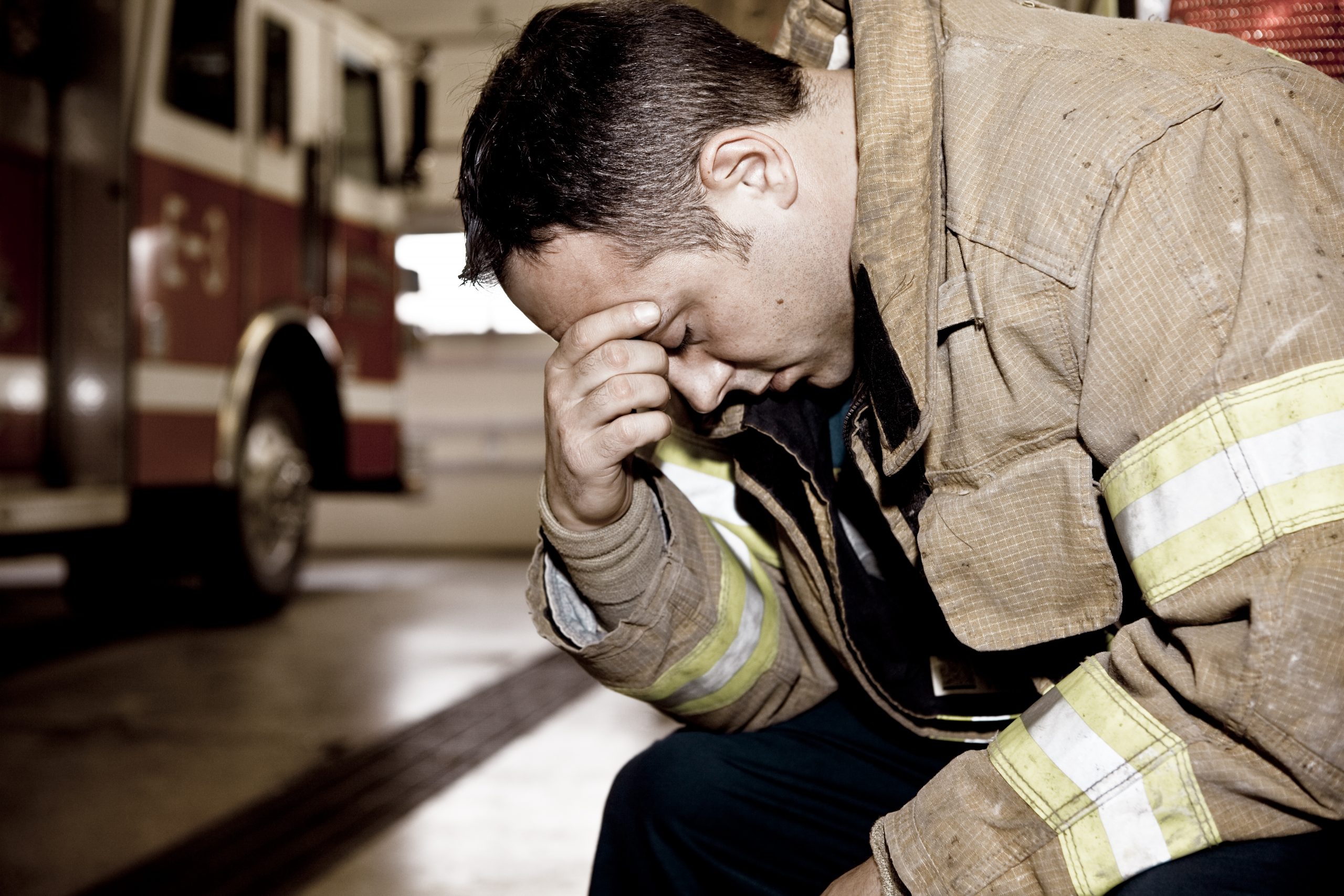
Always prioritize teamwork and safety.
I decided to always prioritize teamwork and safety in every emergency. I followed procedures carefully and communicated with my team during interventions. This helped me avoid risks and improve my performance. In the end, I became a more reliable firefighter because teamwork is essential.
Choice 1 : End

Try to handle more situations alone to gain experience.
I decided to try handling more situations alone to gain experience and prove my independence. However, I realized working without support increased mistakes. I felt overwhelmed during emergencies and made unsafe decisions. In the end, I learned that firefighters always need teamwork to stay safe.
Choice 1 : End