Lawyer-or-Criminologist
Word count: 1281
Choice count: 39
Section count: 20
Image count: 20
Error count: 13
Field Related Analysis
Education : 93 matches
(behavior, choice, class, colleges, failure, feedback, field, first, goals, graduation, law school, learn, learned, learning, management, performance, private, project, research, school, senior, skills, social, students, taught, teachers, trainee, training, unit)Law : 67 matches
(answer, case, clients, court, crime, crimes, criminal, criminal cases, criminology, documents, evidence, family, information, justice, law, law firm, lawyer, lawyers, legal research, offender, private, profession, recognition)Police-Technology : 52 matches
(court, crime, criminal, criminal investigations, evidence, investigation, investigations, law, lawyer, offender, perpetrator, police, right, suspect, trial, witness)Target Structure: (21 matches)
background checks (1 match)
dead-end job (1 match)
drawback (1 match)
foot in the door (1 match)
fulfillment (1 match)
income (1 match)
ins-and-outs (1 match)
intern (1 match)
internship (5 matches)
invaluable (1 match)
learn the ropes (1 match)
on-the-job-training (1 match)
overwhelmed (1 match)
perpetrator (1 match)
retirement (1 match)
though (3 matches)
time management (1 match)
trainee (1 match)
vacant position (1 match)
wage (1 match)
worthwhile (1 match)
Lawyer-or-Criminologist
The decision.
I had always dreamed of working in justice, but I could not decide between becoming a lawyer or criminologist. Ever since I was younger, I had been fascinated by courtroom dramas, criminal investigations, and the way justice could completely change someone`s life. A lawyer could defend people in court, argue important cases, and use strong communication skills to make a difference. On the other and, a criminologist could study criminal behavior, analyze crime scenes and understand why people commit crimes. Both careers seemed exciting in very different ways. As graduation got closer, the pressure to make a decision became stronger. My teachers kept asking me about my future plans, my family wanted answers, and my friends were already applying to colleges. I knew this decision would shape my future and influence the person I would eventually become. Even though I was nervous, I felt excited to imagine myself working in the justice system one day. The question was simple, but the answer felt impossible: should I choose law or criminology?
Choice 1 : Choose law.
Choice 2 : Choose criminology.
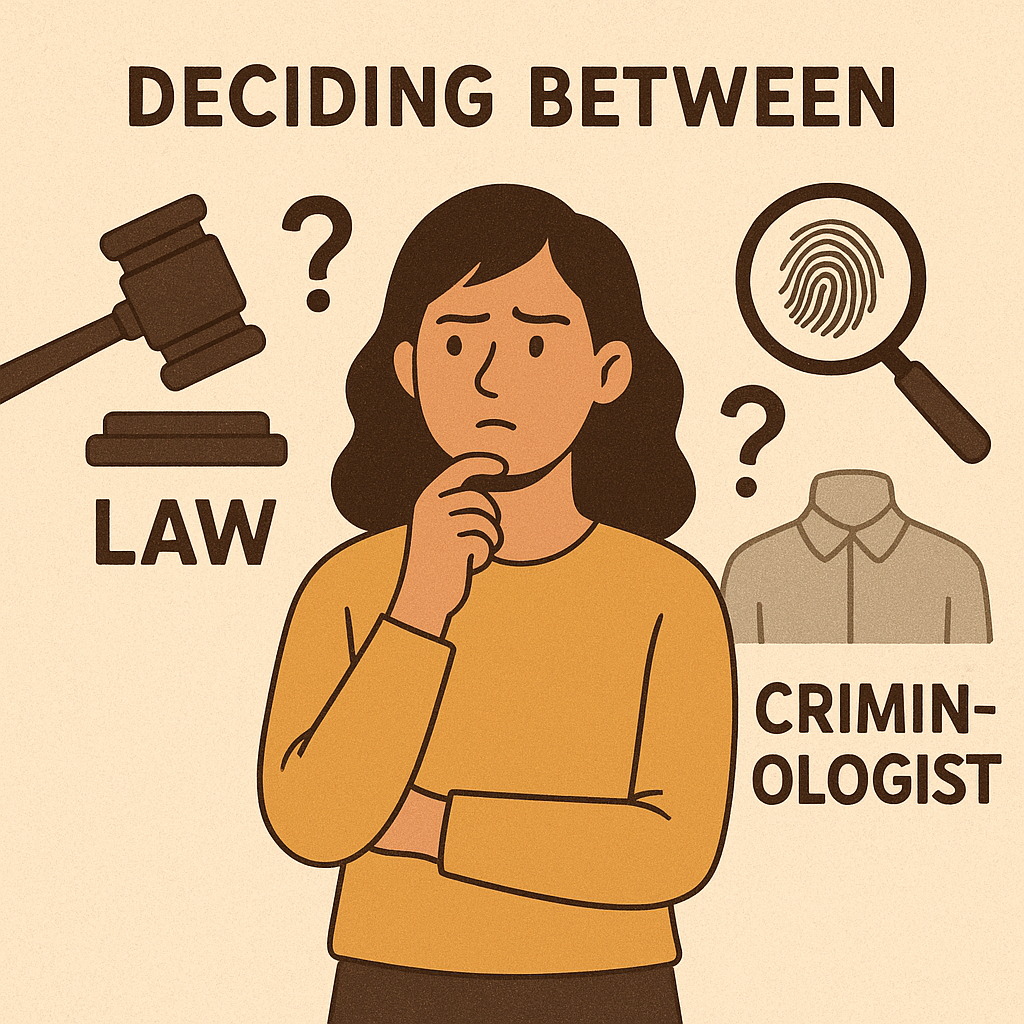
Choose law.
I entered law school and quickly realized how difficult it was.Every week was filled with long readings, debates, group project, and assignments that seemed impossible to finish on time. At first, I felt overwhelmed by the pressure and competition around me. Many students already seemed confident and prepared, which sometimes made me doubt myself, However, I also enjoyed learning about the legal system, famous court cases, and how laws affect society. Even though the workload was stressful, I could imagine myself one day standing in court and defending an important case. Should I continue or quit?
Choice 1 : Continue internship.
Choice 2 : Quit internship.

Choose criminology.
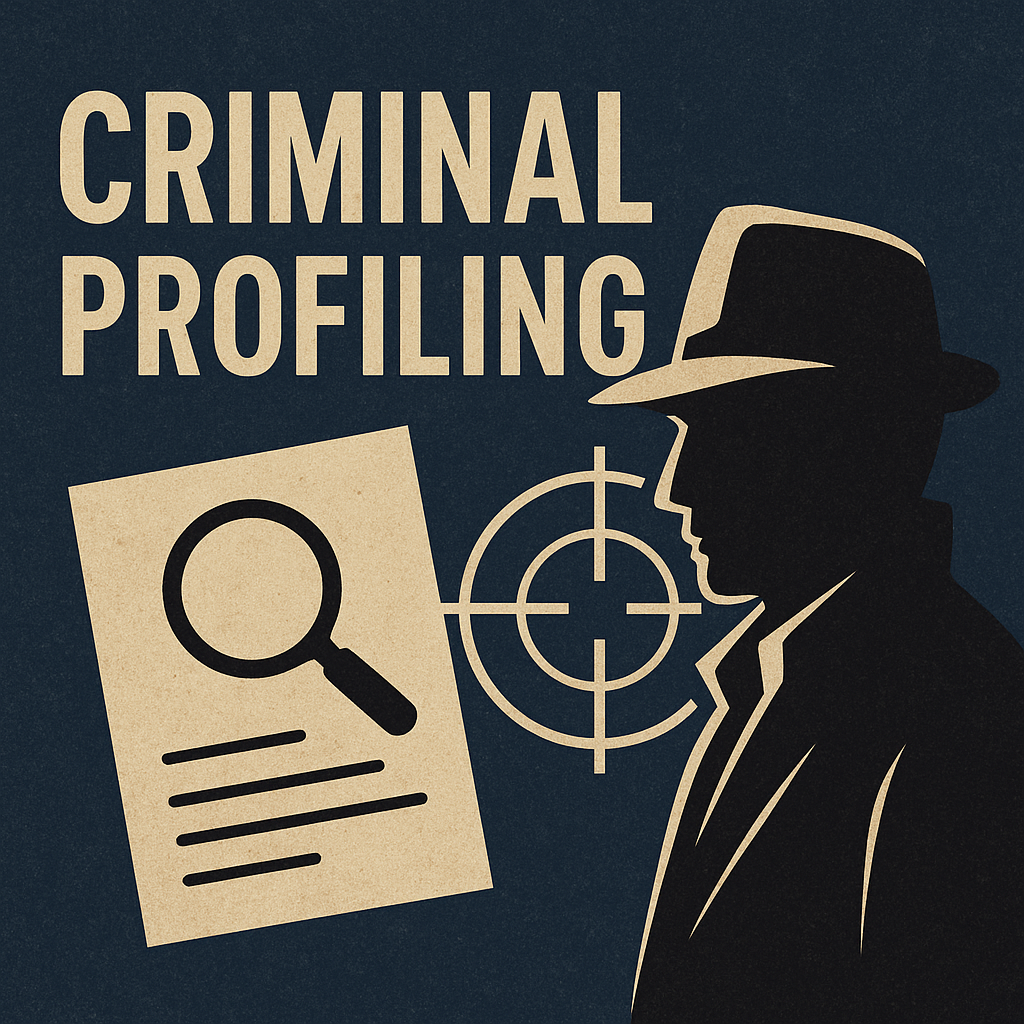
I chose criminology and became fascinated by criminal psychology, investigations, and forensic science. Every class introduced me to new ideas about why crimes happen and how experts solve the. I enjoyed studying real criminal cases and analyzing evidence. The program felt challenging but exciting, and I finally felt like I was on the right path. However, after my first year, I needed to choose my specialization that would shape my future career. Should I study profiling or field investigation?
Choice 1 : Profiling.
Choice 2 : Filed investigation.

Continue internship.
I got my first internship at a law firm. It was exciting to finally get a foot in the door and experience the professional legal world after spending so much time studying theory in school. I spent most of my days organizing files, attending meetings, and helping prepare important documents. Watching experienced lawyers interact with clients and prepare for cases made me even more curious about my future in law.
Choice 1 : Trial work.
Choice 2 : Research work.

Quit internship.
I left law school and started questioning my future. Walking away from something I had worked hard for felt disappointing, and I was worried about about this decision would create a career dead-end job situation for me. At the same time, I knew staying in a program that made me unhappy would not help me in the long run. Maybe law wasn't the right choice for me.
Choice 1 : Return later.
Choice 2 : Fresh start.

Do profiling.
I specialized in criminal profiling and learned how to analyze motives, patterns and offender behavior. I studied the psychological side of crime and became interested in how small details could reveal important information about a suspect or perpetrator. The more I learned, the more confident I became in this specialization.
Choice 1 : Polic unit.
Choice 2 : Private analyst.
Do Field investigation.
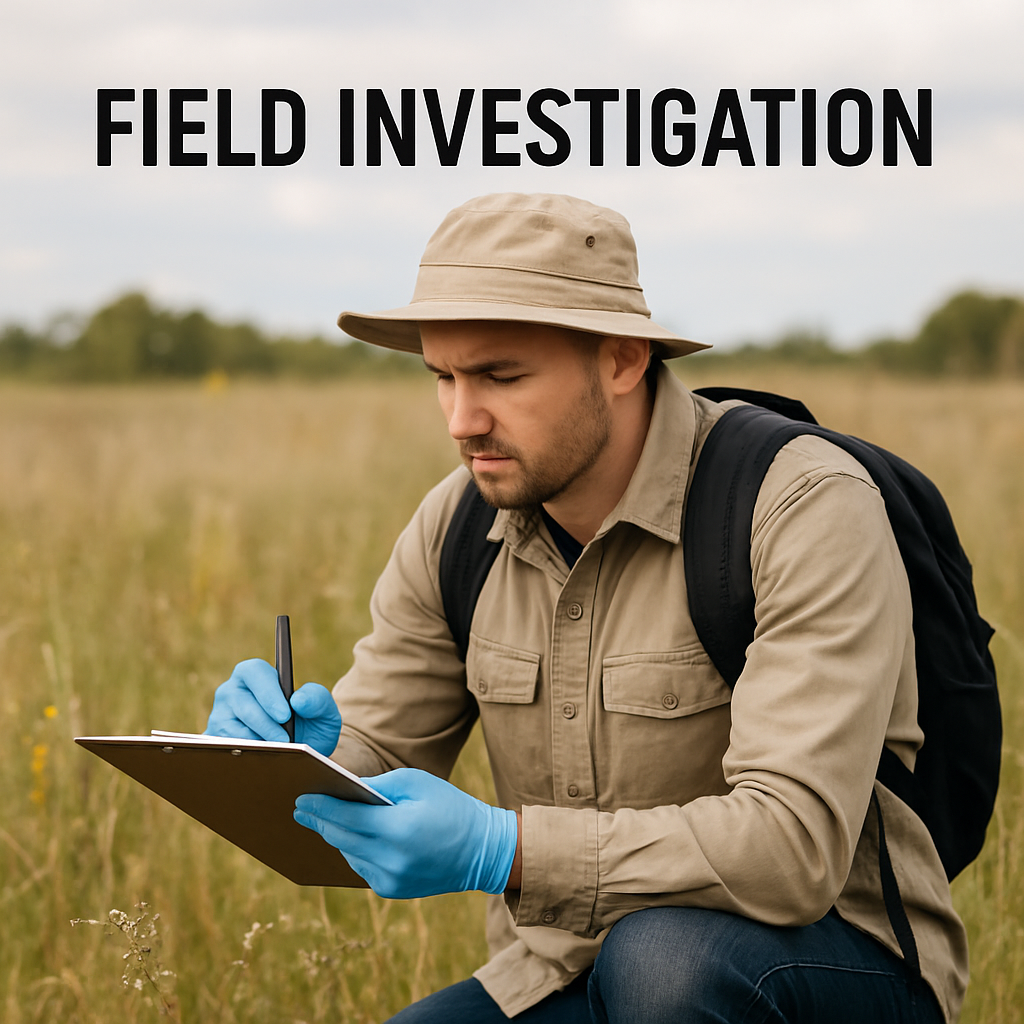
I focused on field investigation and learned how to collect evidence and analyze crime scenes. This specialization included practical on-the-job-training, which made every day feel unpredictable and exciting.
Choice 1 : Forensics.
Choice 2 : Witness interviews.
Do trial work.
My first courtroom case was stressful, and one mistake could ruin everything. I felt pressure from everyone around me and knew my performance would shape my future. Watching lawyers confidently speak in court low-key made me nervous, but it also inspired me to improve my own skills and prove that I belonged there despite the drawback on inexperience.
Choice 1 : Winning case.
Choice 2 : Self doubt.

Do research work.
I became skilled at analyzing case files and legal documents. Although research was less exiting than being in court, I discovered that strong preparation was invaluable for building a successful legal document. My attention to detail slowly became one of my strongest strengths.
Choice 1 : Recognition.
Choice 2 : Quiet succes.

Choose to return later.
I returned to law school later and finally graduated. Going back was not easy, but I felt so much more mature and motivated then before. Finishing the program reminded me that setbacks do not always mean failure and hard work can lead to real fulfillment.
Choice 1 : The future.
Choice 2 : Fresh start.

Choose a fresh start.
I decided to start over and explore a different adventure. Even though it was difficult to let go of my original plan, I understood that career choices are personal and sometimes requires change. While exploring new opportunities, I started thinking more seriously about future income, gaining experience as an intern, and applying for a vacant position that matched my interests.
Choice 1 : The decision.
Choice 2 : The future.

Choose police unit.
I joined a police behavioral analysis unit where I worked with professionals to study criminal patterns and predict suspects behavior. As a new trainee, I had a lot to learn, but the work felt worth it.
Choice 1 : The decision.
Choice 2 : The future.

Choose private analyst.
I worked independently solving criminal cases.
Choice 1 : The decision.
Choice 2 : The future.

Do forensics.
I specialized in forensic evidence and lab analysis. Working with evidence made me appreciate the scientific side of criminal investigations and understand why background checks matter.
Choice 1 : The decision.
Choice 2 : The future.

Choose to witness interviews.
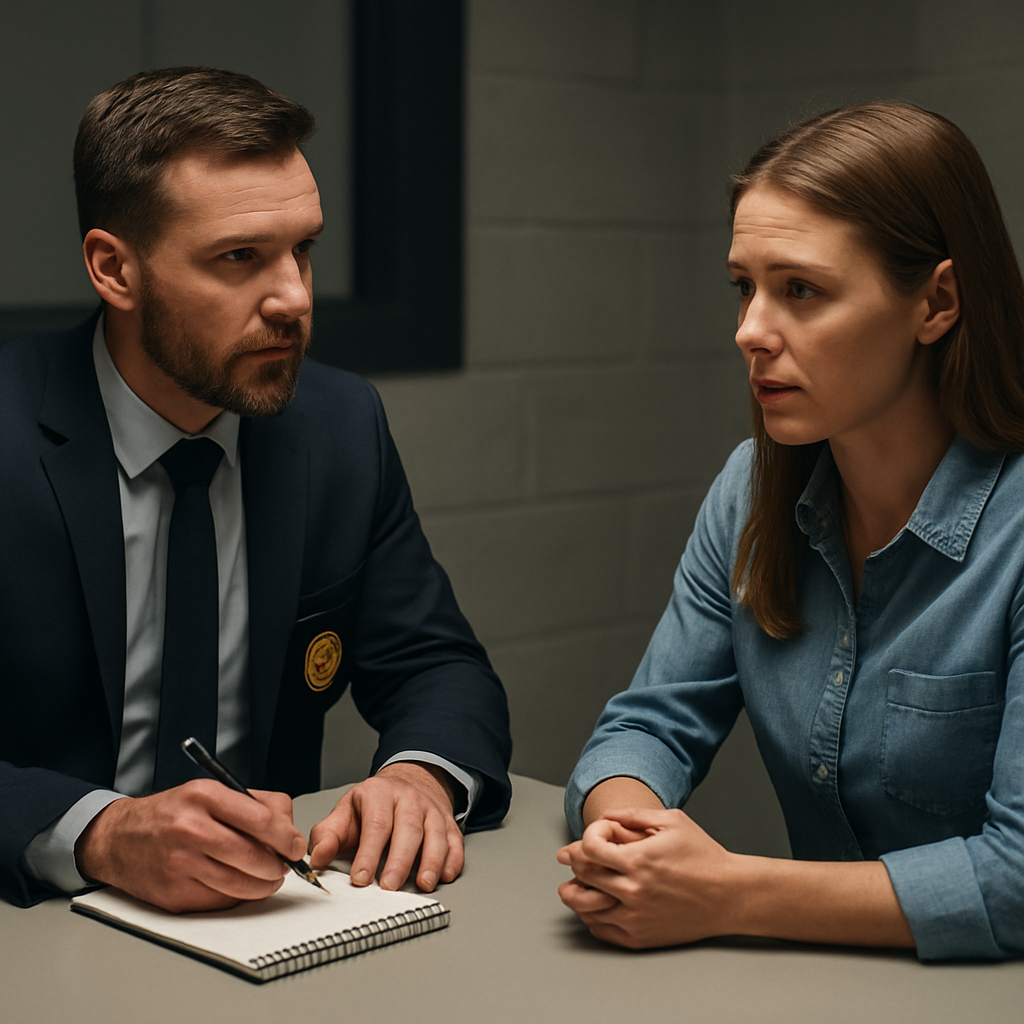
I became skilled at interviewing witnesses and suspects. Learning how to ask the right questions and observe body language helped me uncover useful information and read social ins-and-outs more than usual.
Choice 1 : The decision.
Choice 2 : The future.
Winning case.
I helped win an important legal case, which made me feel very proud of myself. It was the first time I truly felt capable of succeeding as a lawyer and maybe even earning a higher wage one day.
Choice 1 : The decision.
Choice 2 : The future.

Self doubt.
Fear affected my performance, and I embarrassed myself in front of important lawyers. I questioned whether I was truly meant for this career.
Choice 1 : The decision.
Choice 2 : The future.

Recognition.
My legal research was recognized by senior lawyers. Their feedback motivated me and showed me that even behind-the-scenes work could have an important impact and help me learn the ropes of the profession.
Choice 1 : The decision.
Choice 2 : The future.

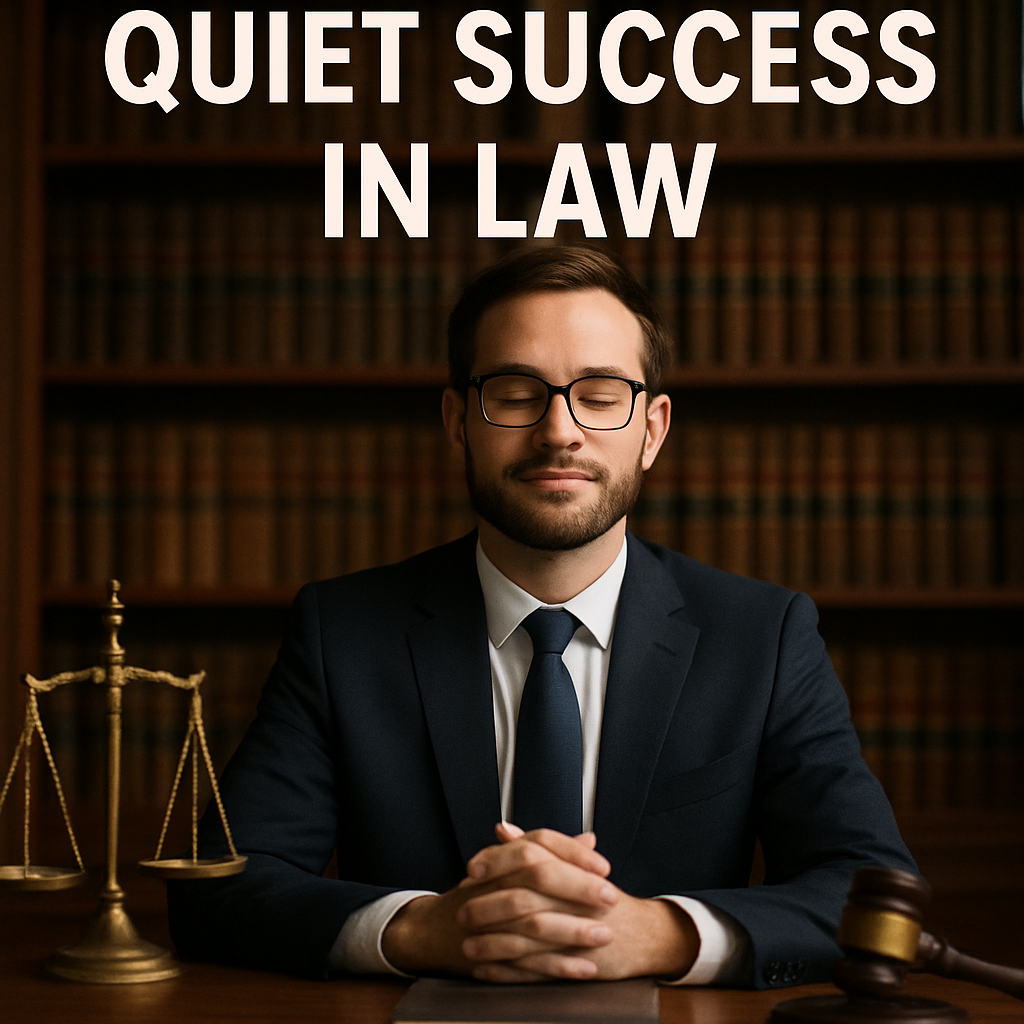
Quiet succes.
Even behind the scenes, my work made a difference. I learned that success does not always need to be in the spotlight, as every role contributes to the final result and strengthens proper time management.
Choice 1 : The decision.
Choice 2 : The future.
The future.
No matter which path I choose, I found my place in the justice system. The journey was not always easy, but every challenge taught me something valuable about myself, my strengths, and my future goals. Looking ahead to retirement, I hope my career would remain meaningful and worthwhile.
Choice 1 : The decision.