Fighting for a sustainable future.
Word count: 1410
Choice count: 31
Section count: 21
Image count: 21
Error count: 9
Field Related Analysis
Education : 87 matches
(academic, achievement, advanced, choice, diagnostic, elementary school, field, field of study, further, high school, knowledge, learn, major, monitoring, motivation, research, school, skills, teacher, term, test, testing, transition)Biology : 53 matches
(analyzing, animal, animals, balance, biodiversity, biotechnology, blood, carbon, climate, community, concentration, conservation, development, drive, ecosystem, environment, exotic, experiment, fish, habitat, initial, laboratory, motivation, sampling)Wildlife management : 47 matches
(animal, animals, biodiversity, blood, conservation, ecological, ecosystem, ecosystems, environment, environmental, fish, habitat, natural, nature, preserve, protect, resources, species, zoo)Target Structure: (22 matches)
alienation (1 match)
come in handy (2 matches)
dead-end job (5 matches)
dread (1 match)
drudgery (5 matches)
foot in the door (1 match)
fulfillment (5 matches)
hinder (2 matches)
in-depth (1 match)
income (4 matches)
ins-and-outs (2 matches)
invaluable (4 matches)
lack of (2 matches)
learn the ropes (1 match)
leg work (2 matches)
maddening (3 matches)
overwhelming (1 match)
pull off (3 matches)
purpose (5 matches)
set aside (3 matches)
test drive (1 match)
worthwhile (1 match)
Fighting for a sustainable future.
High School.
The final bell rang, and as I walked toward the woods, a wave of alienation hit me elementary school was over. I felt a sudden dread of the future, knowing I had to pull off a life with real fulfillment rather than settling for a dead-end job. My teacher always said that to get a foot in the door, you have to learn the ropes and find a true purpose to avoid the drudgery of daily work. This transition was invaluable, forcing me to think about my future income and career.
Choice 1 : Biotechnology.
Choice 2 : Mechanical engineering.
Choice 3 : Bio ecologic.
Choice 4 : Go to work immediately.

Biotechnology.
Biotechnology felt like a real test drive for my career. I did an in-depth study of the ins-and-outs of lab work, knowing it would come in handy later. To pull off these results, I had to set aside my free time to avoid, the drudgery of a dead-end job. The fulfillment of the research was invaluable for my future income.
Choice 1 : Chose to work in a CHUS.
Choice 2 : Chose to work for the city (water test).

Mechanical engineering.
Mechanical engineering felt like a grind, and the constant drudgery began to hinder my motivation. I spent all my time trying to pull off complex designs, but the lack of passion made it feel like a dead-end job. I had to set aside my doubts and do the leg work to see if this path offered any real fulfillment or purpose. It was maddening to feel stuck when I knew an invaluable career was out there.
Choice 1 : Continue to study.
Choice 2 : Try to change my program.

Bio ecologic.
Working in bio-ecologic finally felt like finding a real purpose. I was willing to do all the leg work in the field because I knew this experience would be invaluable for my career. I had to set aside any fear of ending up in a dead-end job and really focus on the ins-and-outs of the ecosystem. Even when the data collection felt like drudgery, the fulfillment I got from protecting nature was never maddening. I knew these skills would come in handy to secure a good income later.
Choice 1 : Work for an animal company.
Choice 2 : Work in the environmental sector.

Go to work immediately.
Going to work immediately meant drudgery and a dead-end job. This maddening choice lacked fulfillment, offered low income, and would hinder my long-term purpose.
Choice 1 : High School.

Chose to work in a CHUS.
At the CHUS, the hospital environment is fast-paced and demands total concentration to manage the heavy workload and diverse patient needs. Every shift offers a new challenge to develop technical expertise and adapt to the complex reality of modern healthcare.
Choice 1 : Choosing to work on animals at the CHUS.
Choice 2 : Choosing to help a scientific on a vaccine.
Choice 3 : Choosing to do blood test at the CHUS.

Chose to work for the city (water test).
Working for the city department in water analysis provides a direct way to contribute to public safety and environmental health. This role involves precise laboratory testing and monitoring urban water quality to ensure that every citizen has access to clean and safe resources daily.
Choice 1 : Work for the city.
Choice 2 : Work for individuals.
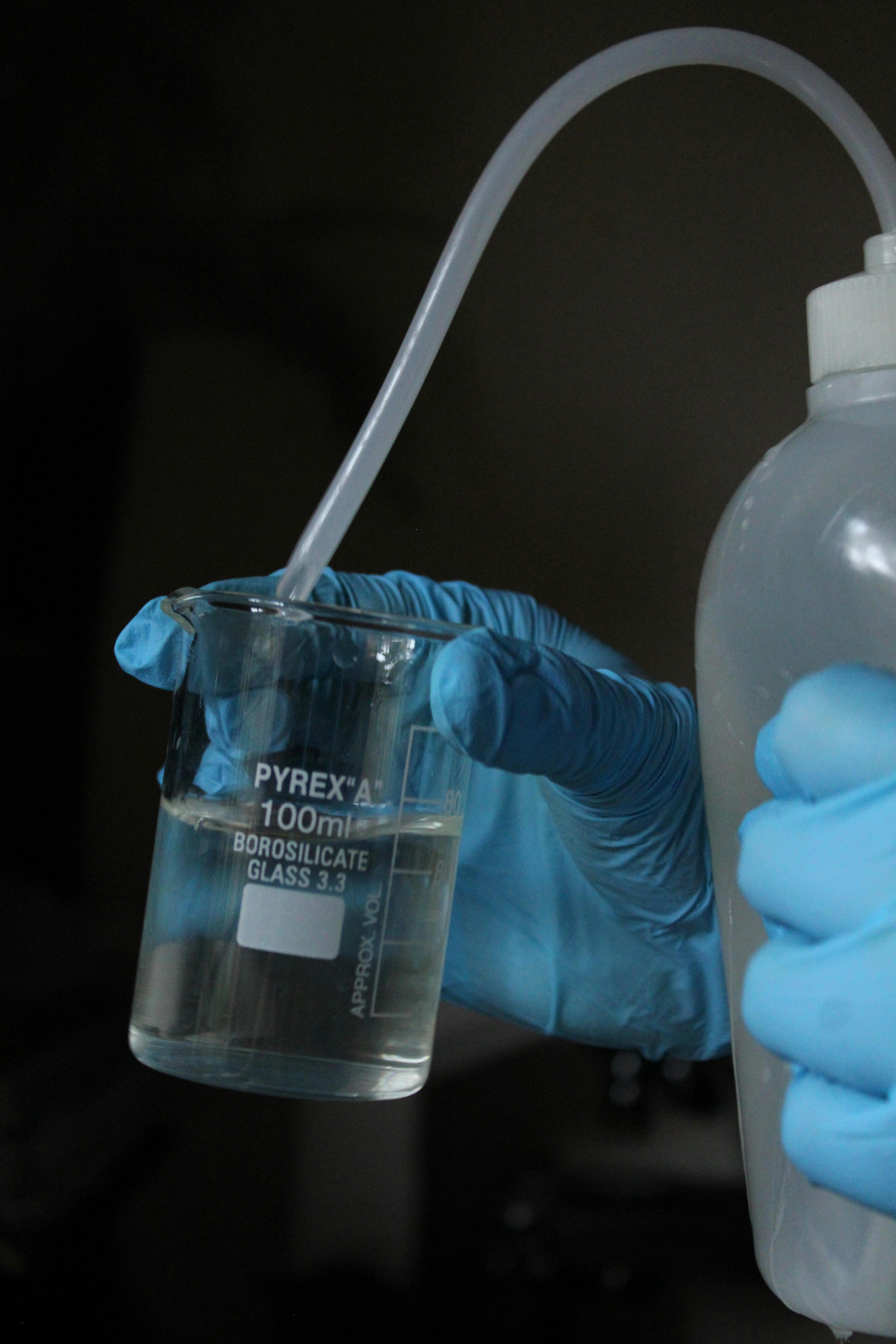
Choosing to work on animals at the CHUS.
The specialized work involving animals at the CHUS proved to be emotionally overwhelming and difficult to manage daily. The harsh reality of the laboratory environment quickly overshadowed any initial sense of purpose, making this career path feel like a mistake.
Choice 1 : High School.
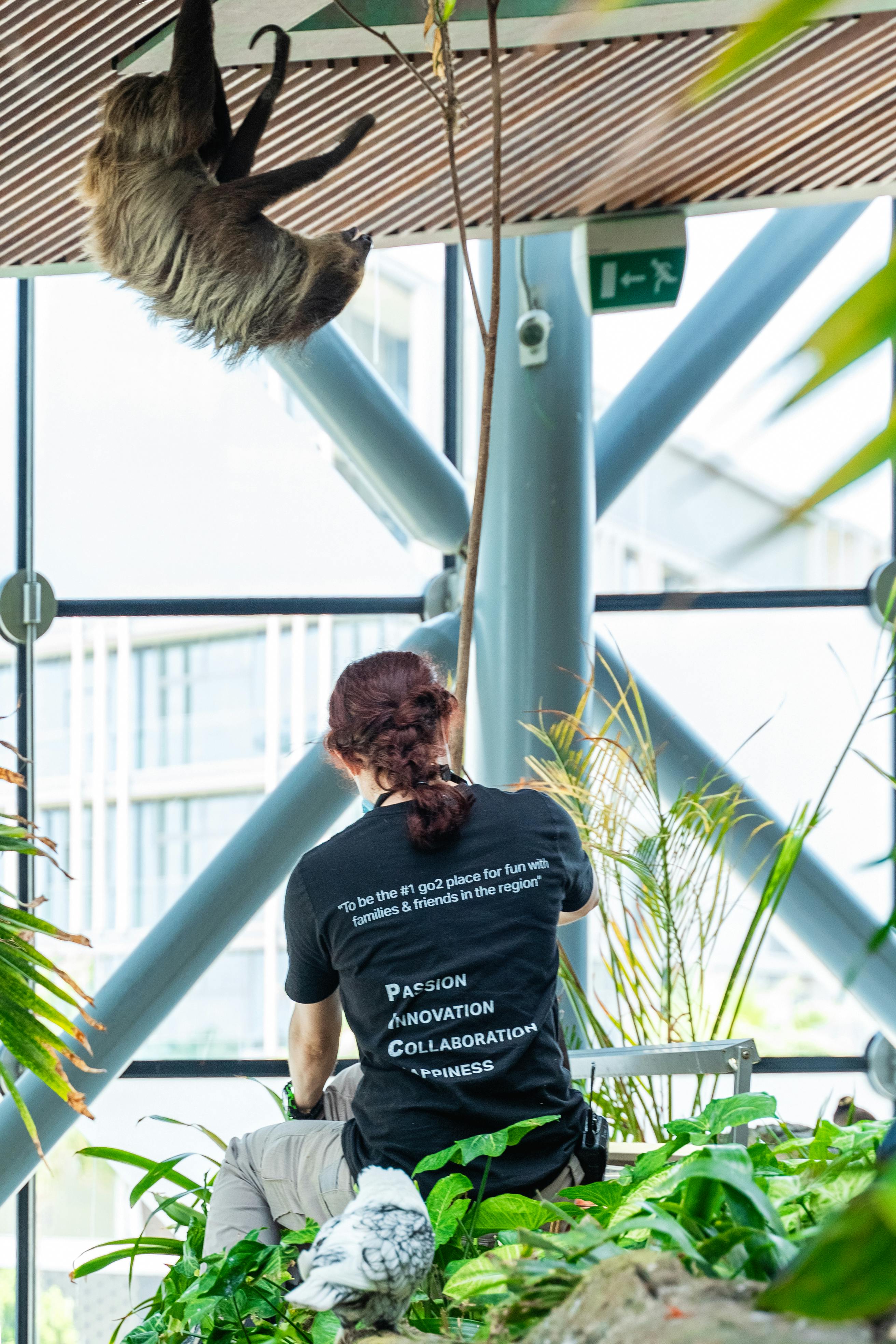
Choosing to help a scientific on a vaccine.
Assisting a lead scientist in the development of a groundbreaking vaccine proved to be the most rewarding chapter of this journey. The laboratory became a place of discovery, where every successful experiment felt like a major victory for global health. This experience provided a profound sense of achievement and confirmed that scientific research was the right path.
Choice 1 : High School.

Choosing to do blood test at the CHUS.
Performing blood tests at the CHUS provided a stable routine and direct patient impact. This role offered consistent technical challenges, ensuring that diagnostic results were delivered accurately to help medical teams provide essential care.
Choice 1 : High School.
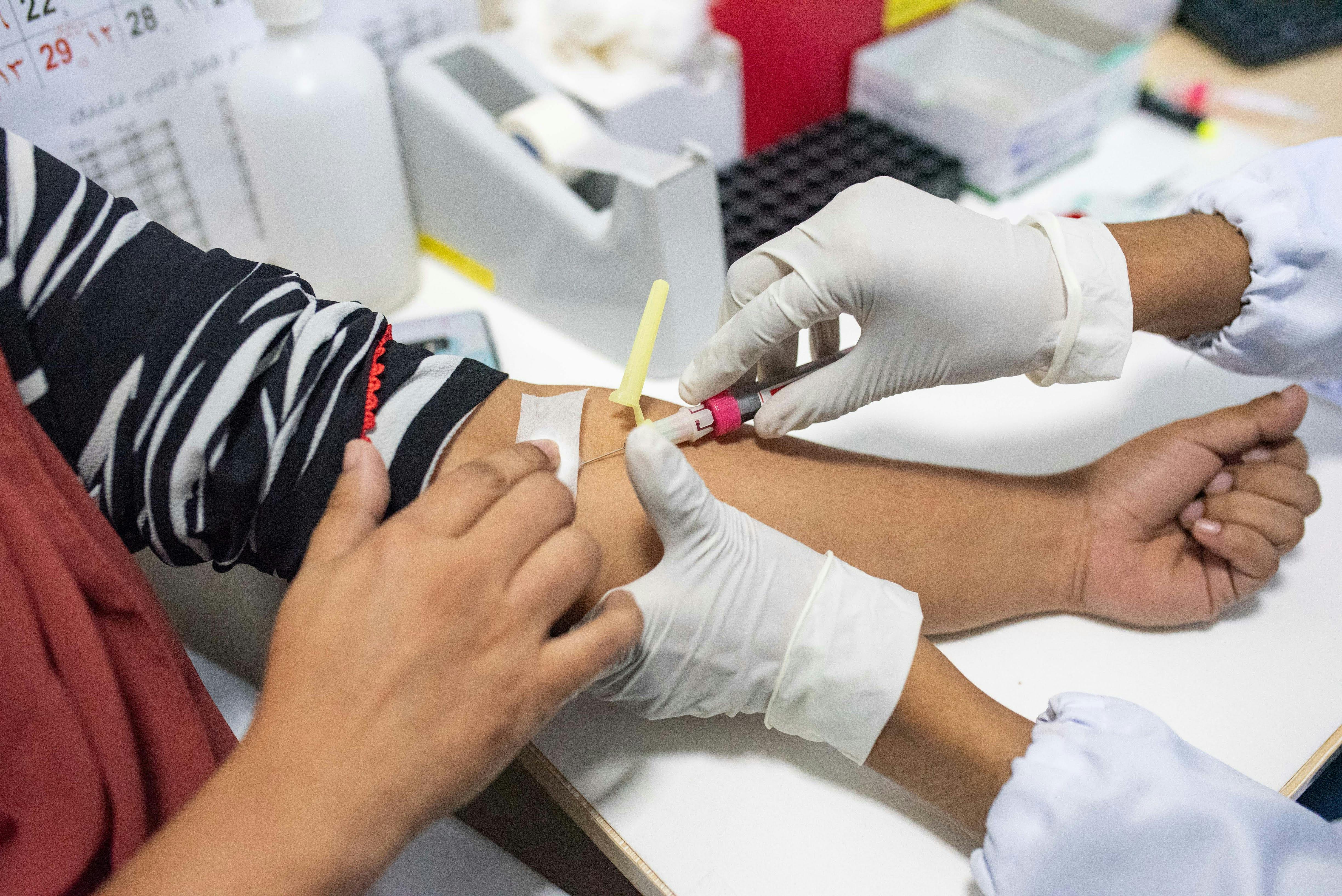
Work for the city.
Accepting the position with the city provided a stable and predictable routine, which was a welcome change after years of uncertainty. The benefits were excellent, and the work felt meaningful knowing that my contributions helped the community run smoothly every single day. It was the perfect balance of professional responsibility and personal peace.
Choice 1 : High School.
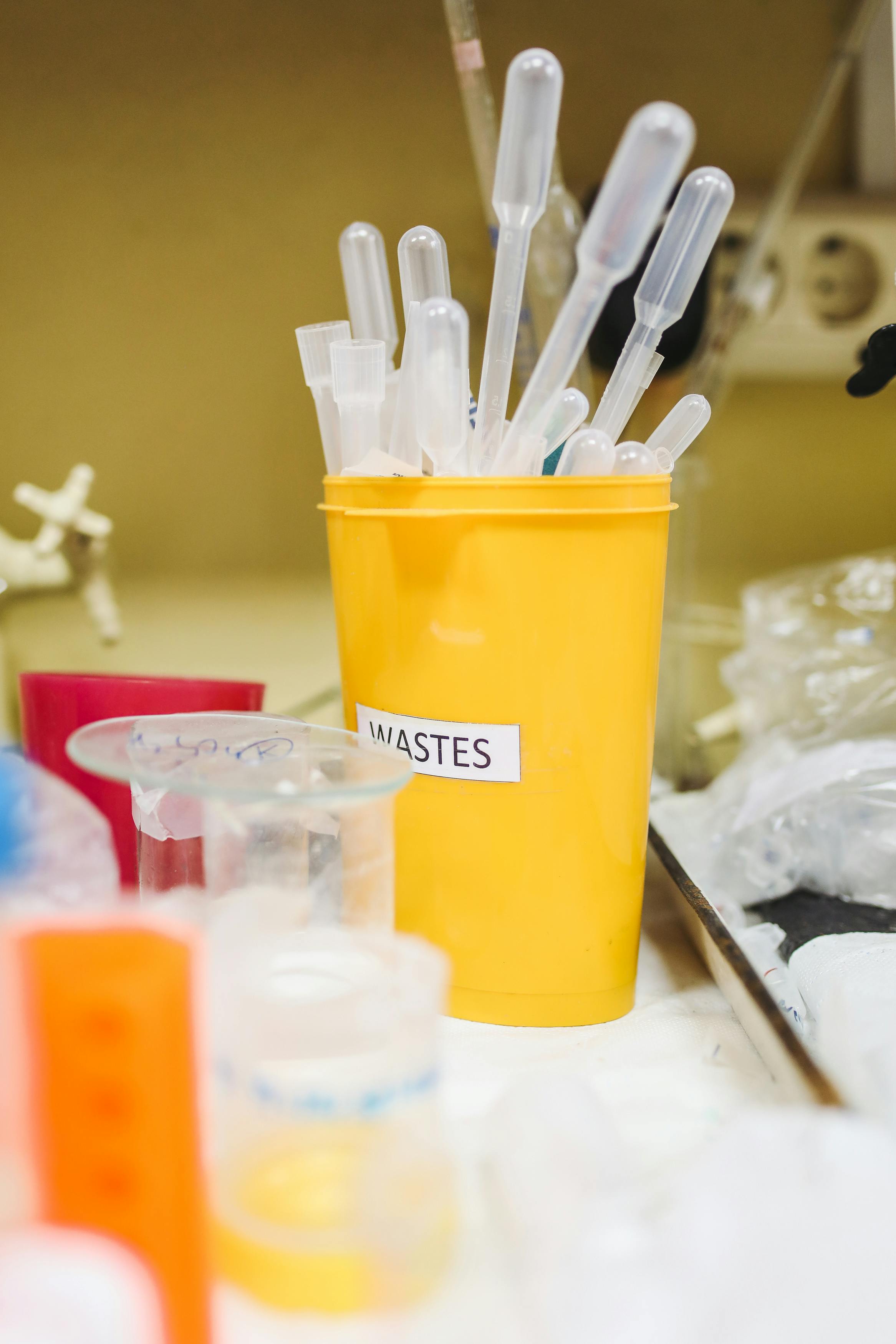
Work for individuals.
Choosing to work for individuals allowed for a more personalized approach to science, but the lack of structure soon became difficult to manage. The constant pressure to meet varying demands without a larger team's support felt exhausting and ultimately unsustainable for a long-term career.
Choice 1 : High School.
Continue to study.
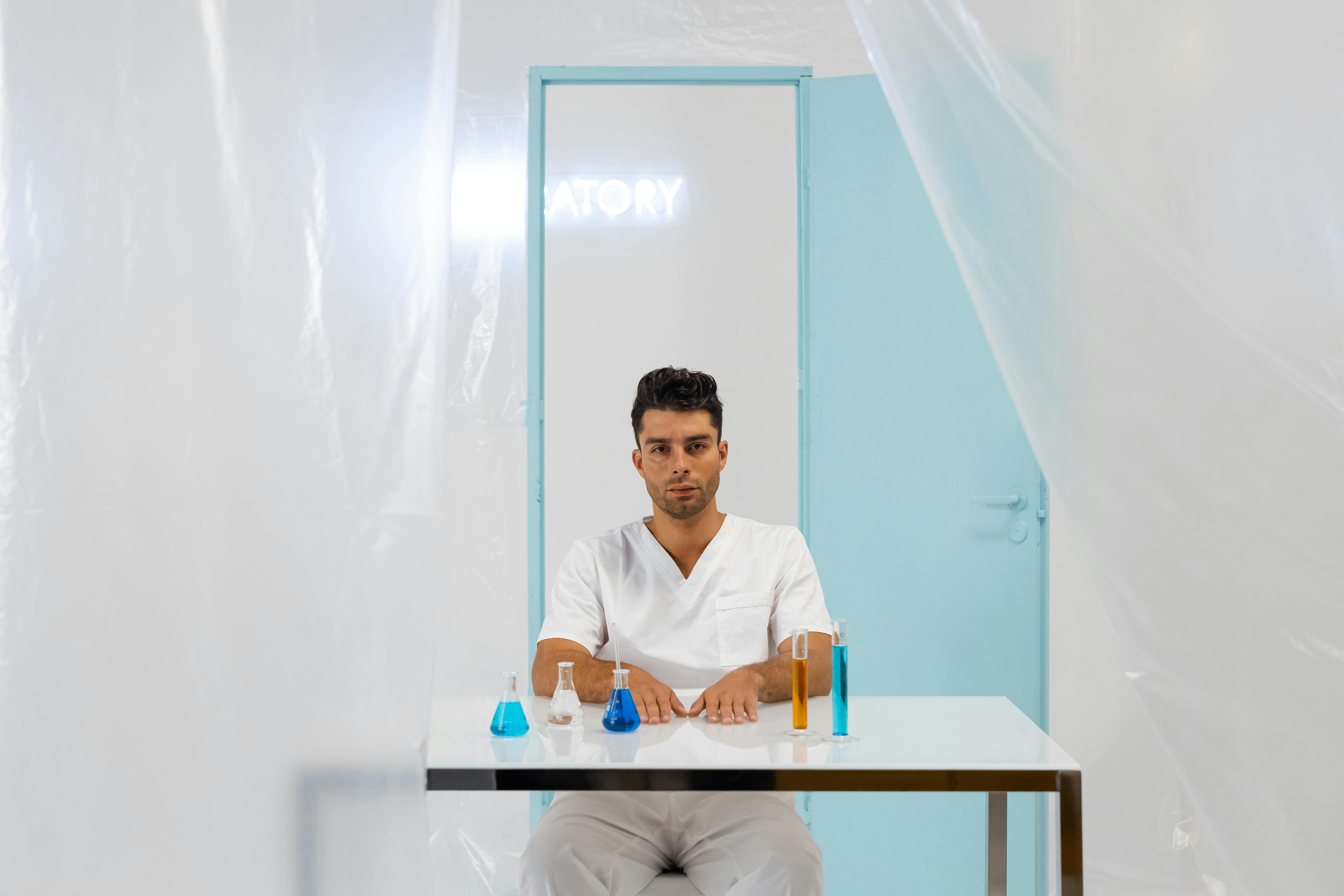
Committing to further academic research opened doors to advanced laboratory techniques and complex theoretical concepts. This path required intense focus, but the pursuit of specialized knowledge felt like a true investment in a professional future within the scientific community.
Select a section to link to here.

Try to change my program.
Attempting to change the academic program felt like a necessary risk to align personal interests with a future career. Navigating the administrative hurdles was stressful, but the prospect of finding a more fulfilling field of study made the effort worthwhile.
Select a section to link to here.

Work for an animal company.
Choosing to work for an animal company allowed for a blend of scientific passion and a deep care for living creatures. This professional environment offers the chance to apply technical skills in ways that directly improves the welfare and health of various species.
Choice 1 : Working as a veterinary technician performing health to tests sick animal in a zoos.
Choice 2 : Working in a lab that develops cures for serious animal diseases.
Work in the environmental sector.
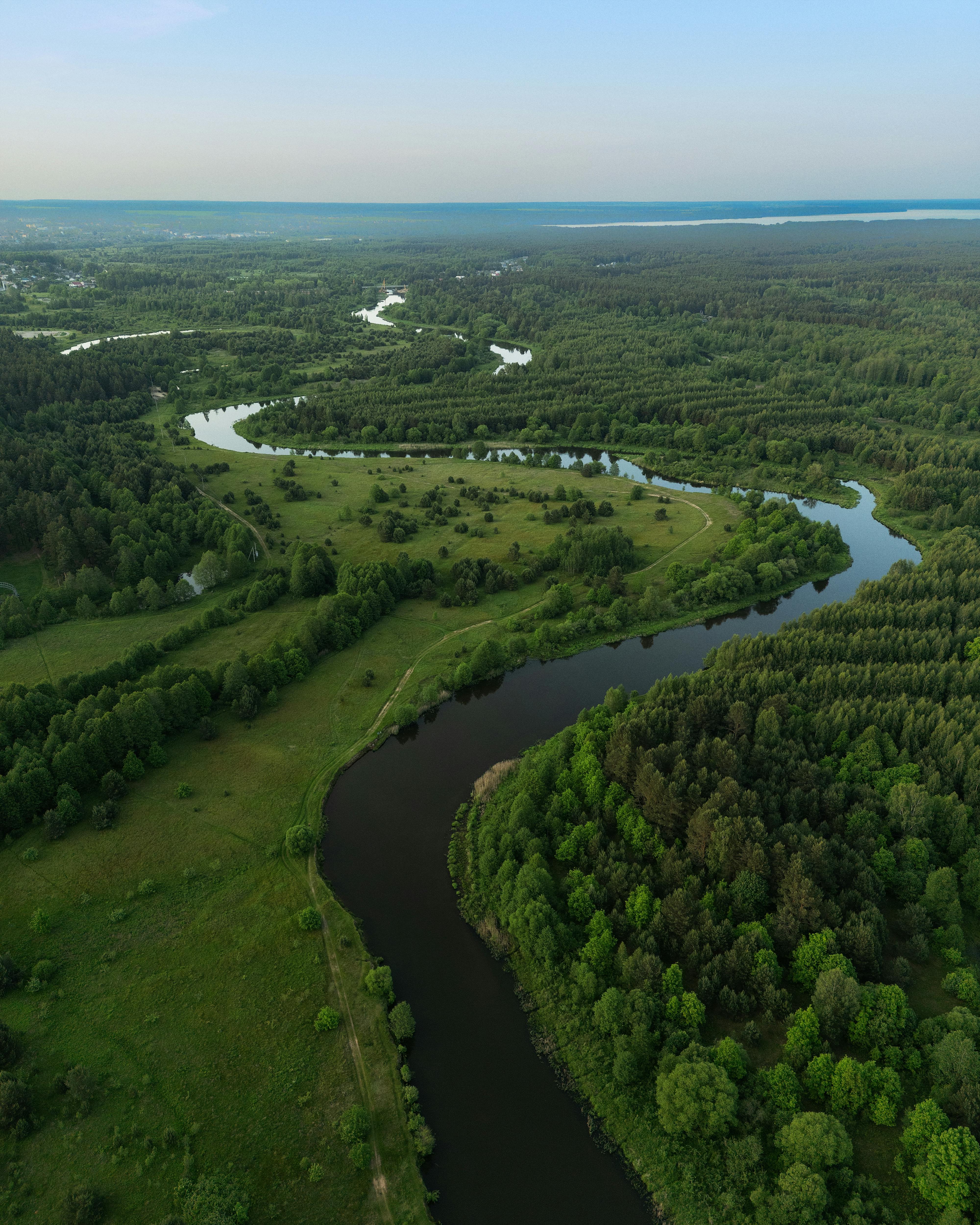
Entering the environmental sector felt like a pivotal shift toward a career with global impact. Whether analyzing local ecosystems or addressing broader ecological crises, this path offered the unique opportunity to combine scientific rigor with a deep commitment to preserving the natural world for future generations.
Choice 1 : Go to Australia to work directly in the territory.
Choice 2 : Testing water quality for fish in lakes and rivers.
Choice 3 : Working to tackle climate change.
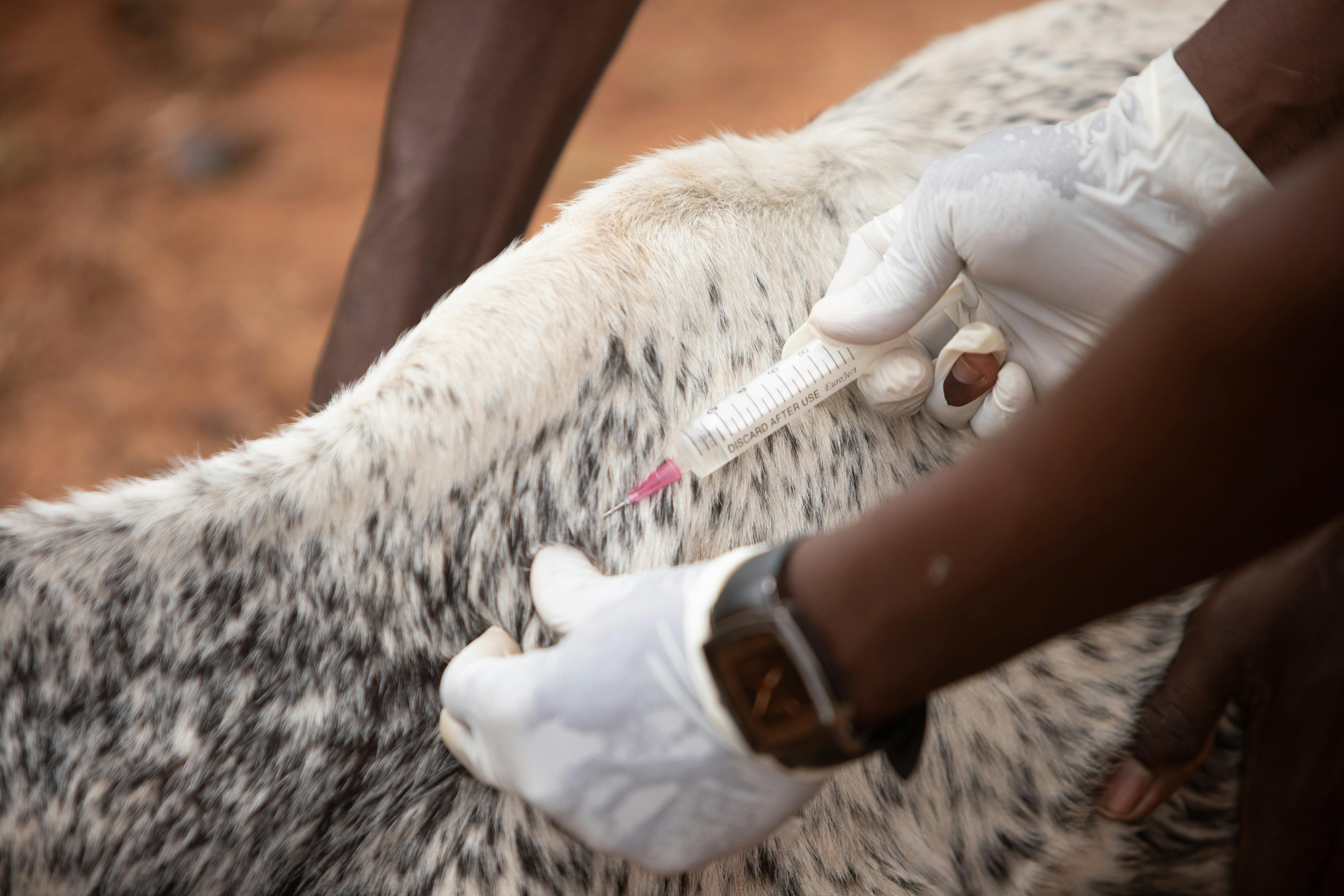
Working as a veterinary technician performing health to tests sick animal in a zoos.
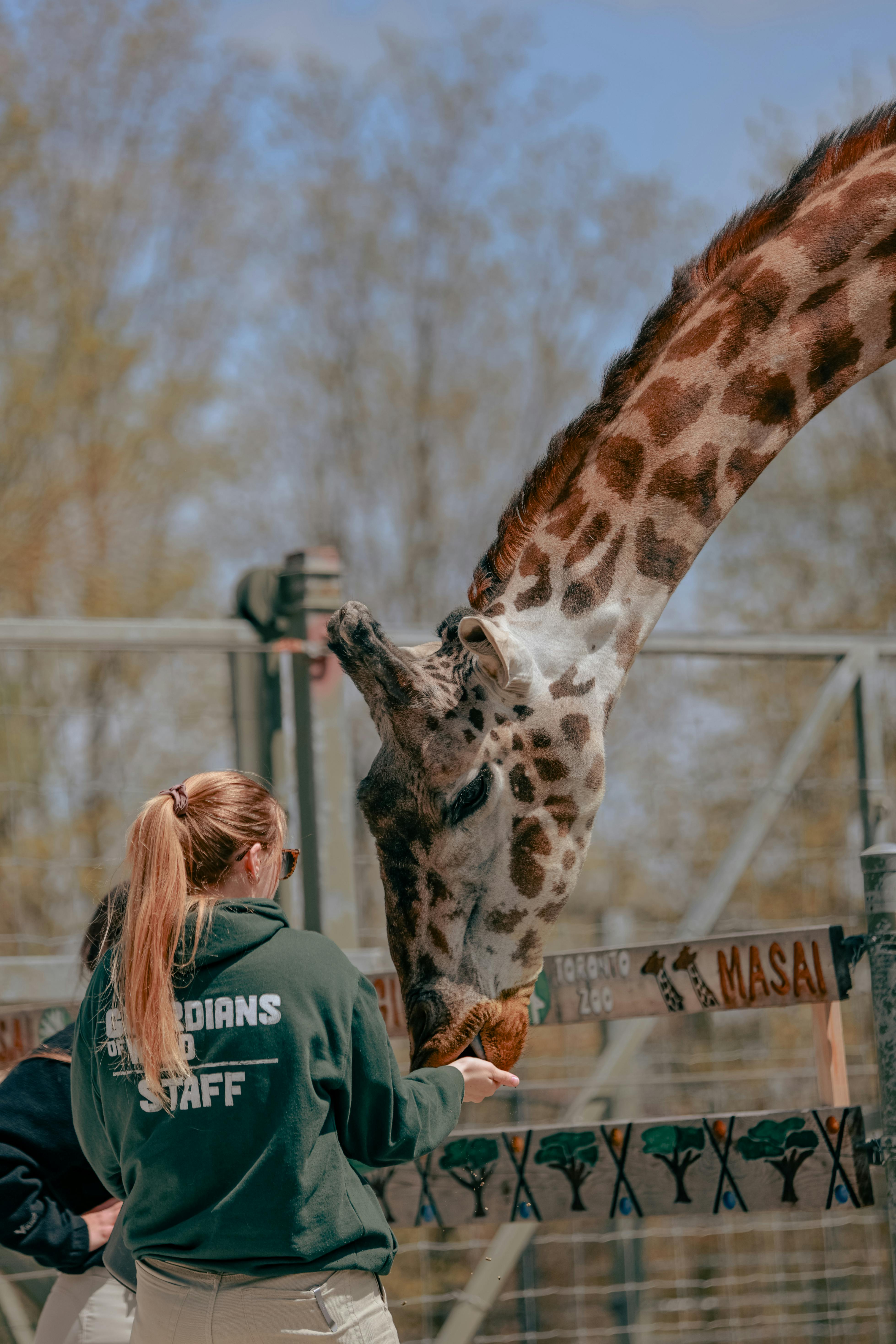
Working as a veterinary technician at the zoo provided a unique opportunity to provide direct care for exotic species. The daily challenges of monitoring and treating sick animals required specialized technical skills and a deep commitment to animal welfare within a dynamic environment.
Choice 1 : High School.
Working in a lab that develops cures for serious animal diseases.
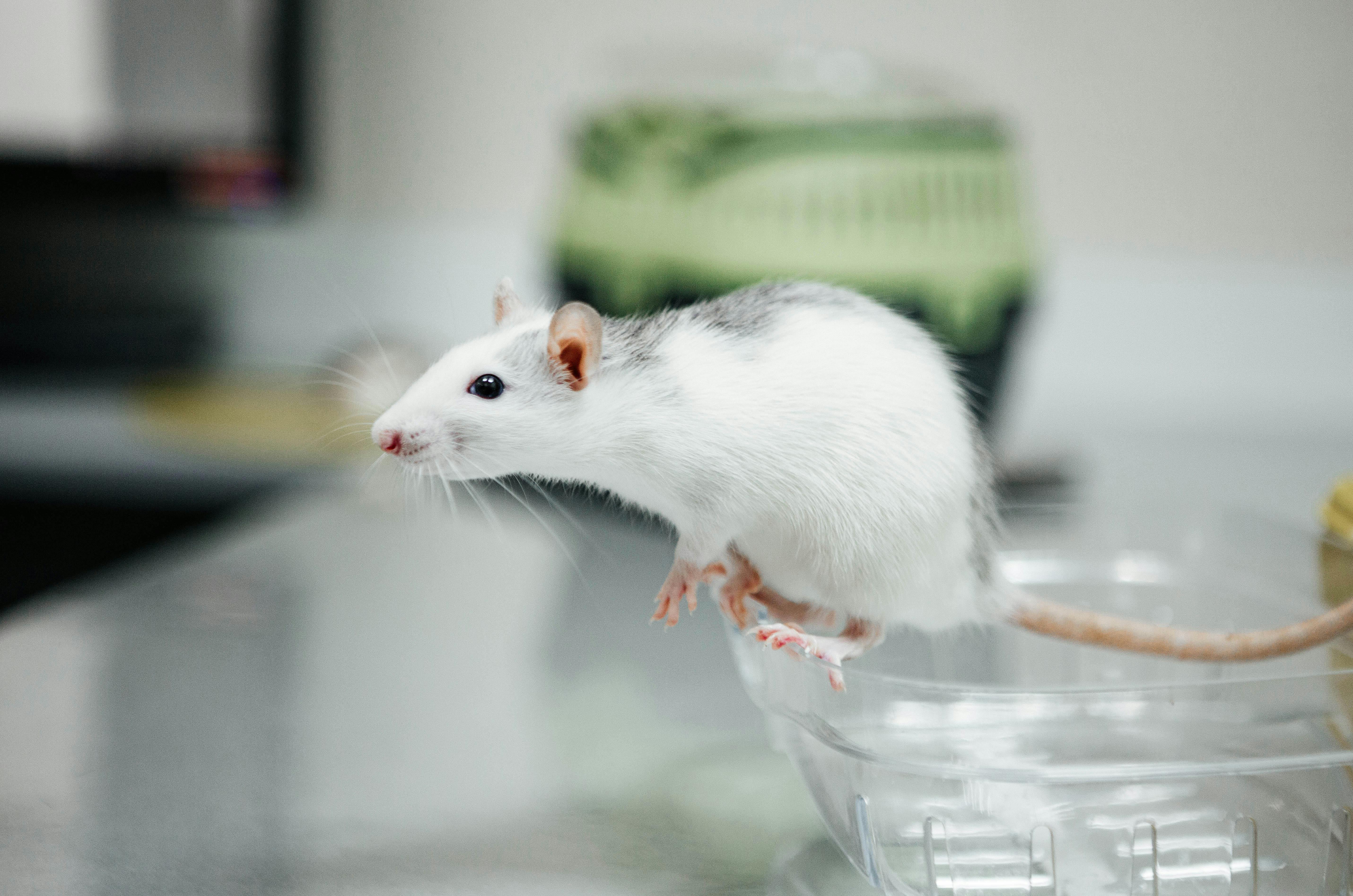
The laboratory research focused on developing cures for serious animal diseases proved to be a deeply fulfilling scientific pursuit. Every breakthrough in the lab brought a sense of hope, knowing that these advancements could eventually save countless lives and improve veterinary medicine globally.
Choice 1 : High School.
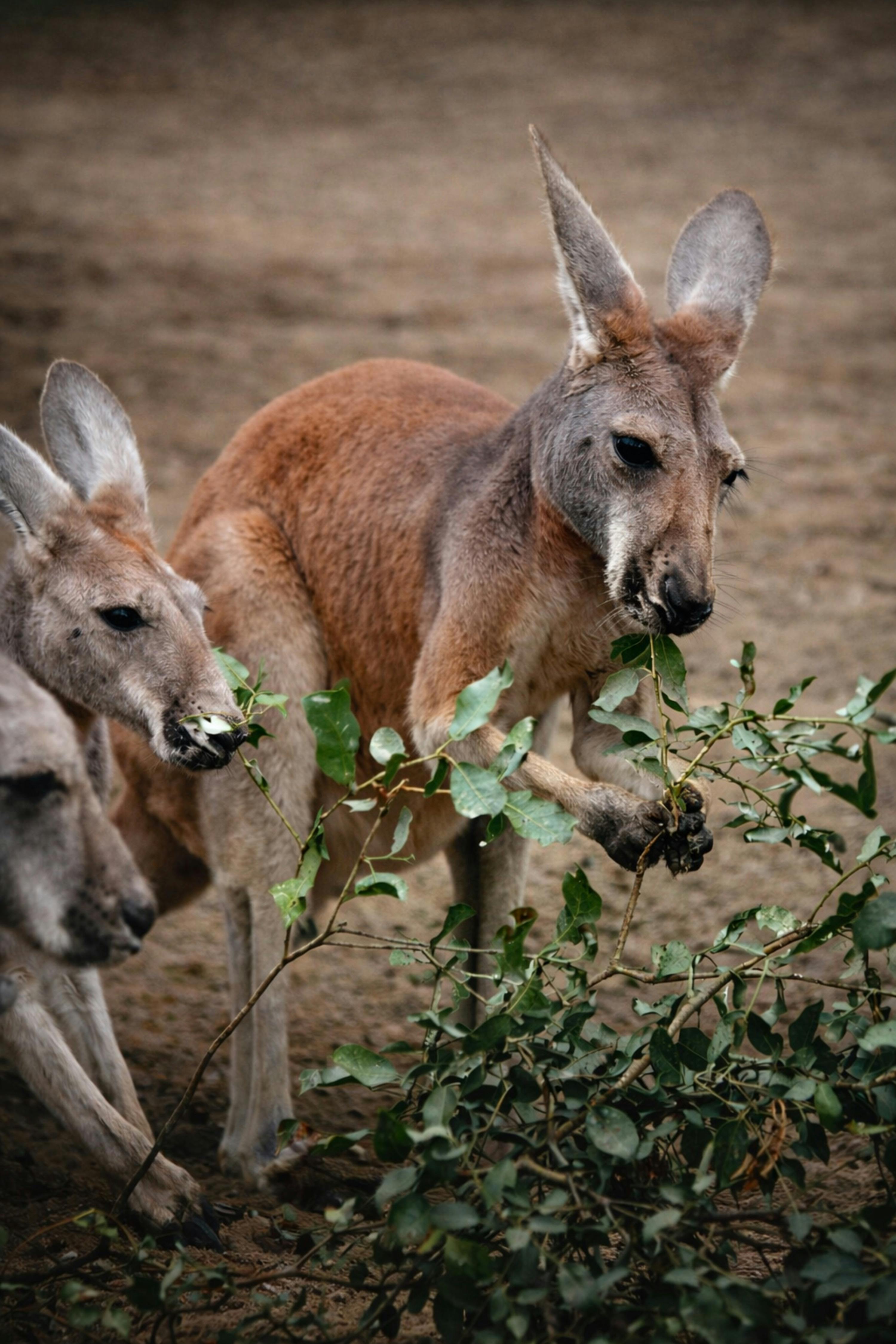
Go to Australia to work directly in the territory.
The journey to Australia for direct fieldwork in the territory offers a profound opportunity to engage with unique ecosystems and wildlife. This hands-on experience allows for the application of environmental science in a real-world setting, fostering a deeper understanding of biodiversity and the critical importance of conservation efforts across diverse landscapes.
Choice 1 : High School.
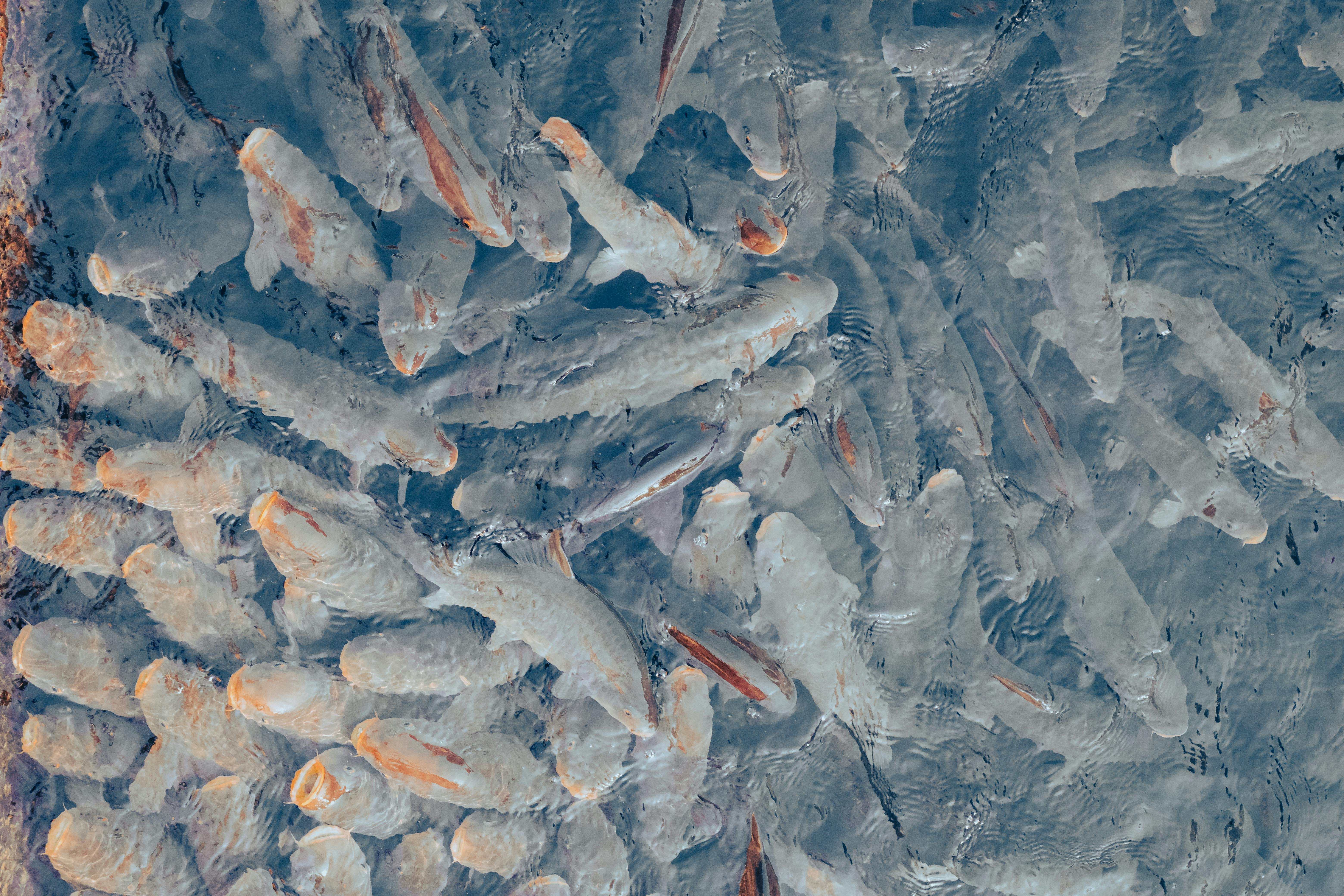
Testing water quality for fish in lakes and rivers.
Testing the water quality in lakes and rivers ensures a healthy habitat for aquatic life and helps maintain ecological balance. This essential work involves regular sampling and precise analysis to detect pollutants, providing vital data to protect biodiversity and sustain the natural environment.
Choice 1 : High School.
Working to tackle climate change.
Dedication to tackling climate change involves developing sustainable solutions and reducing the global carbon footprint. This path offers a chance to work on large-scale environmental policies and innovative technologies, playing a critical role in the fight to preserve the planet for future generations.
Choice 1 : High School.