From-Rookie-to-Detective.
Word count: 1059
Choice count: 49
Section count: 28
Image count: 28
Error count: 11
Field Related Analysis
Education : 80 matches
(academy, choice, compensation, discipline, exam, failed, field, first, internal, knowledge, learn, learned, lessons, management, report, review, skills, taught, test, thinking skills, trainee, unit)Police-Technology : 44 matches
(arrest, captain, corruption, court, detective, evidence, fraud, investigation, investigations, patrol, patrol car, police, police academy, robbery, sergeant, suspect, theft)Law : 39 matches
(act, action, arrest, arrested, burglary, case, close, compensation, corruption, court, crimes, driver, duty, evidence, fraud, house, misconduct, noise, office, property, record, reputation)Target Structure: (23 matches)
background check (1 match)
compensation (1 match)
deter (1 match)
fulfillment (1 match)
hinder (1 match)
hr (1 match)
in-depth (1 match)
income (1 match)
interns (1 match)
misconduct (1 match)
office politics (1 match)
overwhelm (1 match)
pension (2 matches)
purpose (1 match)
recipient (1 match)
retirement (2 matches)
time management (1 match)
trainee (2 matches)
vacant position (1 match)
wage (1 match)
worthwhile (1 match)
corruption (2 matches)
theft (1 match)
From-Rookie-to-Detective.
Start.
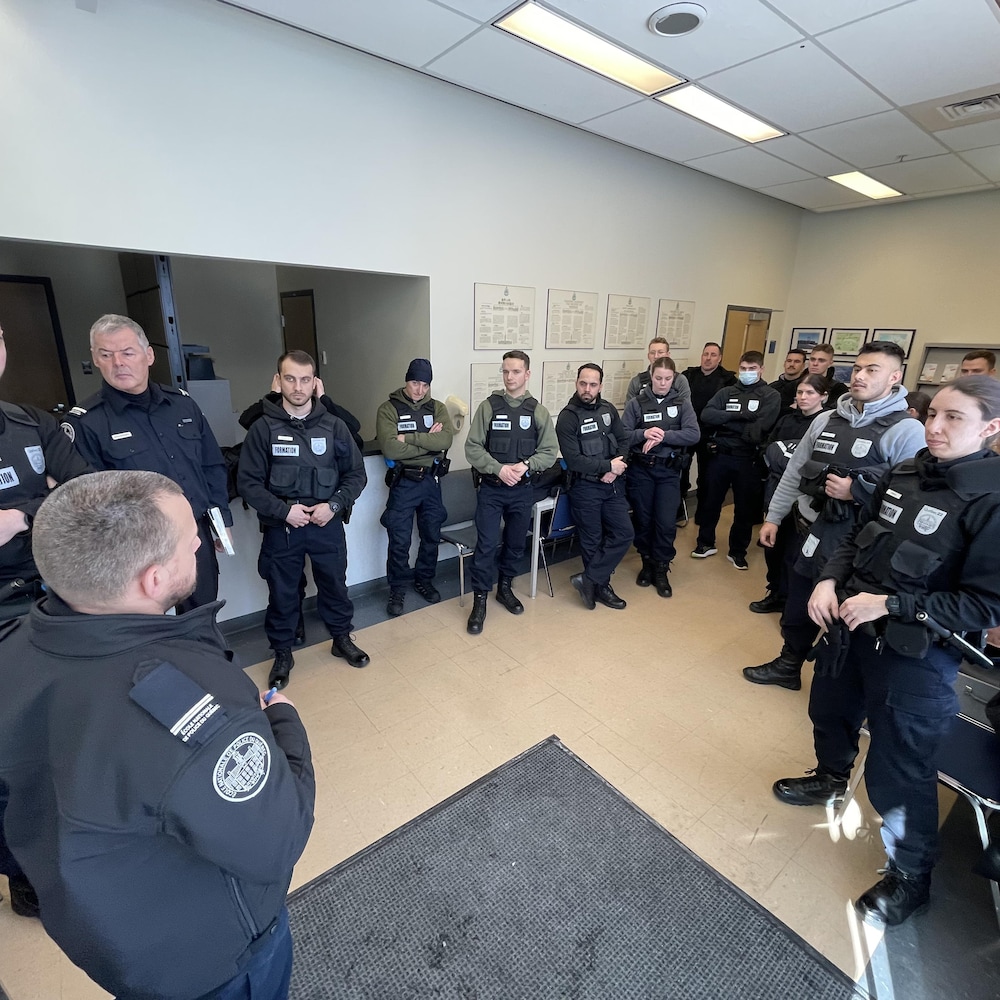
I had just graduated from the police academy as a new trainee. My main purpose was to protect my city and build a good career. I worked hard, used strong time management, and passed every test. On my first day, the captain gave me two choices. I could join street patrol or work inside the station. My future depended on this decision.
Choice 1 : Join patrol duty.
Choice 2 : Work at the station.

First Patrol.
I entered the patrol car with my partner. He said the streets could overwhelm new officers. Soon, dispatch sent us to a loud party. Neighbors were angry and wanted peace. I wanted to prove I deserved the job and the steady income it gave me. I was a little nervous, but I stayed focused and listened carefully to my partner’s advice.
Choice 1 : Go to the party now.
Choice 2 : Patrol nearby first.

Office works.
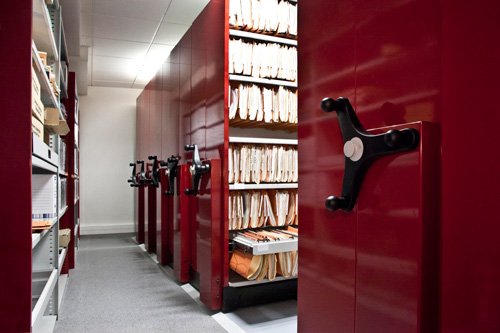
I started office work at headquarters. I organized reports and helped HR review background check files. The work was quiet but important. Later, I noticed missing evidence from a case. Even if it were less action, I understood that this work was important for every investigation.
Choice 1 : Report the problem.
Choice 2 : Ignore it.

Loud Party.
At the party, many people were shouting outside. I tried to deter violence before it started. The host apologized, but I heard noise in the backyard. I kept my voice calm because I knew communication could prevent bigger problems.
Choice 1 : Check the backyard.
Choice 2 : Leave after warning them.

Traffic Stop.
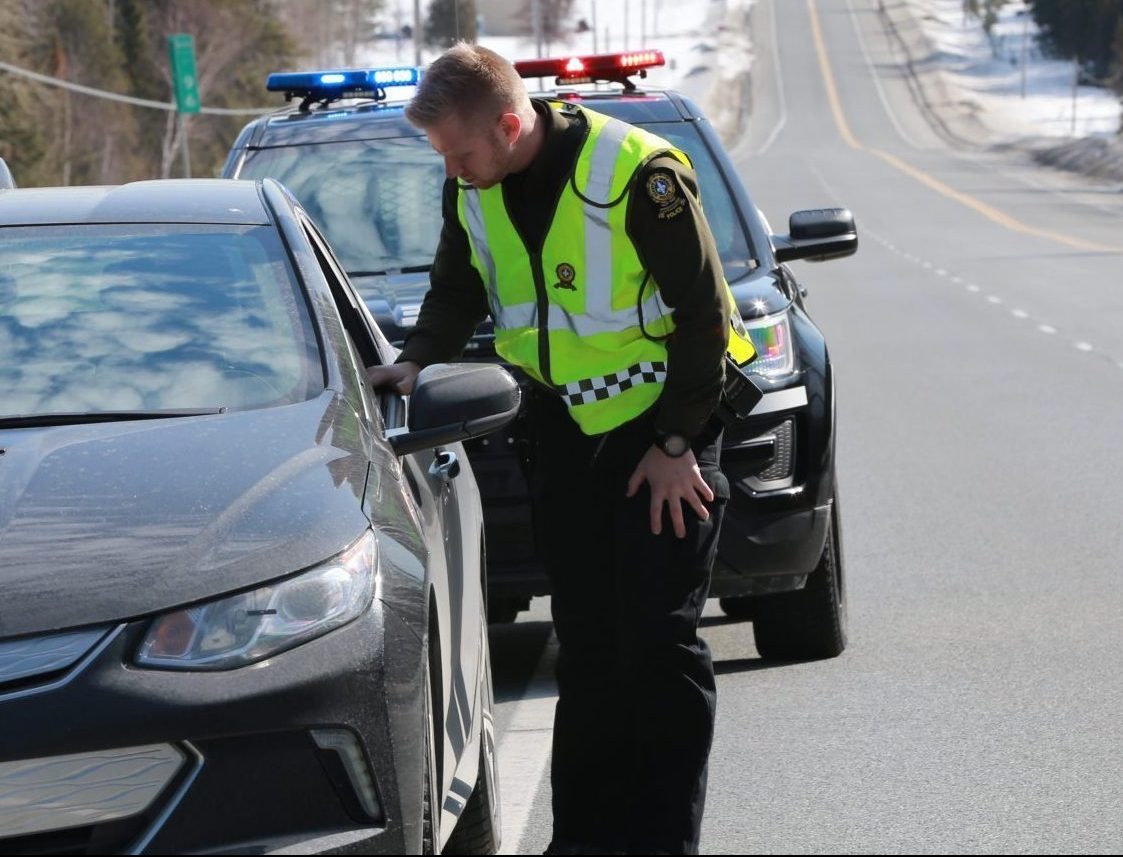
While patrolling first, I stopped a speeding car. The driver looked nervous. My partner checked his record in the system. I stayed alert because small situations could quickly become dangerous.
Choice 1 : Ask more questions.
Choice 2 : Let him go.
Missing Evidence.
I reported the missing evidence. Soon, an internal investigation began. Some officers were angry because of office politics. I knew honesty was important. This situation made me realize how serious responsibility is in this job.
Choice 1 : Help investigators fully.
Choice 2 : Stay quiet after report.
Ignoring the Problem.
I ignored the missing file. Weeks later, corruption was discovered. Because I said nothing, supervisors questioned me.
Choice 1 : Admit the truth.
Choice 2 : Keep hiding it.

Backyard Fight.
In the backyard, I found two men fighting beside stolen packages. I separated them and controlled the scene. The situation was tense, and I had to act quickly to stay in control.
Choice 1 : Arrest both them.
Choice 2 : Call backup first.

Wrong Decision.
I left after the warning. Later, dispatch said someone was assaulted at the same house. My sergeant said I needed to be more thorough. I understood that every decision on duty can have real consequences.
Choice 1 : Learn from the mistake.
Choice 2 : Argue with the sergeant.

Suspicious Driver.
The driver had unpaid fines. I also saw burglary tools in the trunk. My instincts told me something was wrong, so I paid close attention.
Choice 1 : Arrest him legally
Choice 2 : Ignore suspicion.

Missed Opportunity.
I released the driver. Later, the same car was linked to robbery. My captain was disappointed.
Choice 1 : Ask for another chance.
Choice 2 : Quit patrol.

Internal Investigation.
I fully cooperated. Investigators found officer misconduct. My honesty helped the department. A vacant position opened in investigations. It was not easy, but I knew integrity was more important than friendship.
Choice 1 : Apply for detective unit.
Choice 2 : Stay at office.

Lost the Truth.
I stayed silent. Rumors spread, and people trusted me less.
Choice 1 : Rebuild trust.
Choice 2 : Transfer out.

Telling the Truth.
I admitted I had known earlier. The chief respected my honesty but warned me.
Choice 1 : Accept discipline.
Choice 2 : Quit angrily.

Successful Arrest.
I arrested both suspects and recovered the stolen goods. The owner became the recipient of the returned property. My captain praised me.
Choice 1 : Stay patrol.
Choice 2 : Train recruits.

Missed Suspect.
Backups came late. One suspect escaped. I learned hesitation could hinder success.
Choice 1 : Improve skills.
Choice 2 : Blame others.

Improving Skills.
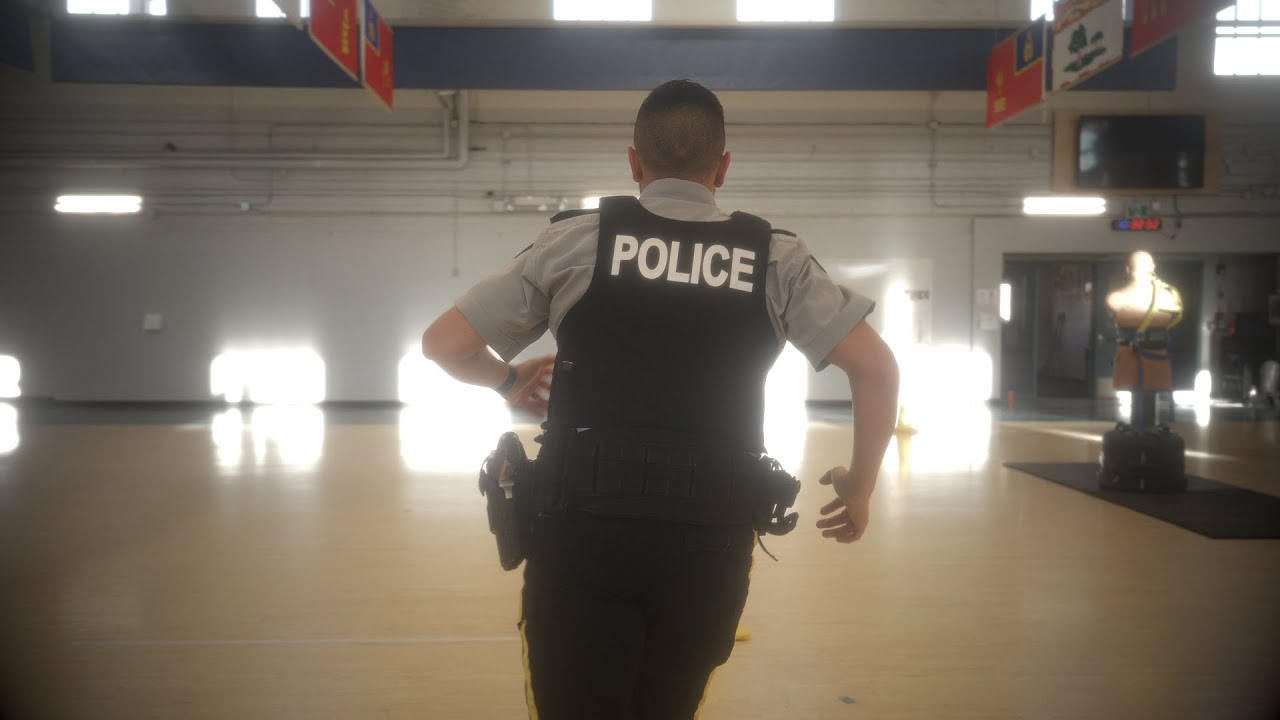
I trained harder and improved my confidence. The long hours were difficult, but the effort was worthwhile. I pushed myself every day to become a better and more confident officer.
Choice 1 : Take detective exam.
Choice 2 : Stay patrol officer.
Solving Cases.
The burglary tools solved several old cases. My in-depth report helped in court.
Choice 1 : Join investigations.
Choice 2 : Stay patrol hero.
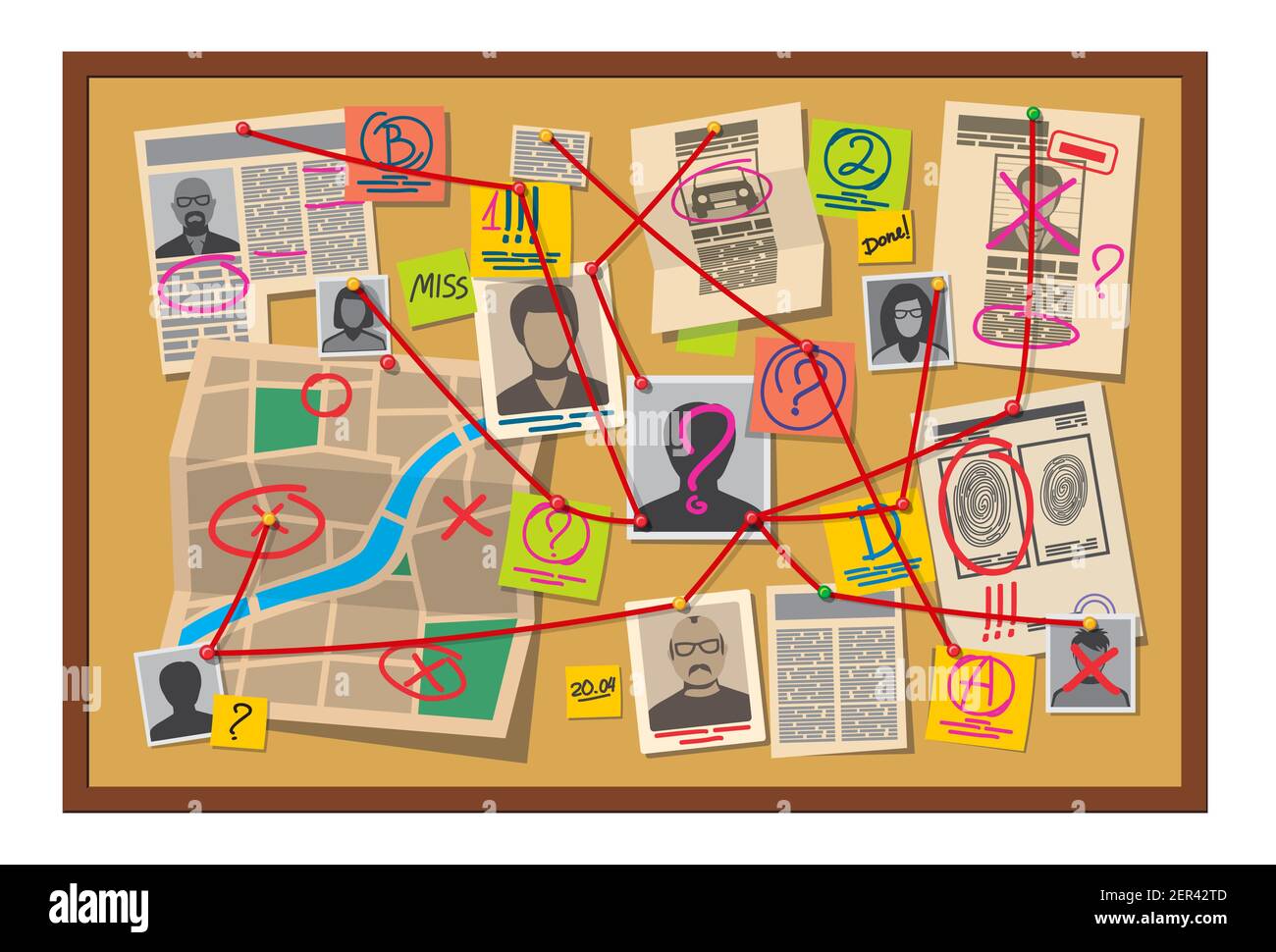
Detective Career.
I joined the detective unit. The role gave better compensation, higher wage, and future pension benefits. I solved many serious crimes. Each case taught me new skills and made me more experienced.
Choice 1 : Accept promotion.
Choice 2 : Retire later.

Office Career.
I stayed in office operations. I helped new interns and improved systems. It was calmer work, but it gave me job fulfillment.
Choice 1 : Continue office career.
Choice 2 : Return to field work.

Experienced Officer.
I became a respected officer and trained every new trainee well. My lessons helped many young officers. I was proud to share my knowledge with the next generation of officers. I worked on many different cases, including fraud, theft, and missing persons. Each investigation required patience and strong thinking skills. Sometimes the job was stressful, but I stayed focused and professional. I knew that every decision I made could impact people’s lives, and that responsibility pushed me to always do my best.
Choice 1 : Retire proudly.
Choice 2 : Become a sergeant.