A Day in the Life of a radiologist.
Word count: 1289
Choice count: 31
Section count: 21
Image count: 21
Error count: 3
Field Related Analysis
Education : 59 matches
(choice, down, emotional, evaluation, first, learn, p, reading, report, review, senior, unit)Paramedics : 57 matches
(care, cold, critical, department, doctor, empathy, heart, hospital, intensive, lung, medical, patient, patients, pediatric, report, review, surgery, tumor, unit)Nuclear Medicine : 56 matches
(avoid, brain, breath, cancer, diagnosis, doctor, hand, heart, lung, MRI, malignant, patient, scan, stomach, surgery, surgical, tumor, x-ray)Target Structure: (0 matches)
A Day in the Life of a radiologist.
The Morning Diagnosis.
It was 6 a.m. when Dr. Lina arrived at the hospital, coffee in hand. She opened her first case of the day: a brain MRI of a 10-year-old girl who had been complaining of headaches for weeks. As she scrolled through the images, her heart stopped. There, deep in the brain stem, was a tumor. She zoomed in, adjusted the brightness, and checked again. The mass was real and dangerous. Her hands trembled. She knew this would change the child's life forever. Should she call the neurologist immediately and risk alarming the family too soon, or should she double-check the images one more time before sounding the alarm?
Choice 1 : Call the neurologist.
Choice 2 : Double-check the images again

Call the neurologist.
Dr. Lina called the neurologist. Her voice was calm, but inside she was panicking. "Dr. Martin, I found a mass in the brain stem. We need an urgent consult." The mother was still in the waiting room, unaware of the disaster forming inside her child's body. Should Lina go talk to the mother herself, or let the neurologist handle it?
Choice 1 : Talk to the mother directly.
Choice 2 : Let the neurologist do it.

Double-check the images again.
Lina zoomed in again. No, mistakes, the tumor was there, and it was growing into critical structures. Waiting too long could cost the child her life. But what if she was overreacting? Should she prepare a written report first, or call the oncology department for a second opinion?
Choice 1 : Prepare the written report.
Choice 2 : Call the oncology department.

Talk to the mother directly.
Lina walked slowly to the waiting room. The mother smiled nervously. "Is everything okay?" she asked. Lina swallowed hard. "I'm afraid we found something serious." The mother's face crumbled. Lina's stomach twisted, but she skew she had done the right thing.
Choice 1 : Go back to the reading room for the next case.
Choice 2 : Stay and support the family.

Let the neurologist do it.
Lina let the neurologist break the news. She stayed in the reading room, staring at the screen. Was she too cold? Should she always let others handle emotional cases, or should she learn to face them herself?
Choice 1 : Decide to change and face patients next time.
Choice 2 : Continue to avoid direct contact.
Prepare the written report.
Lina typed carefully: "Suspicious mass in the brain stem. Recommend urgent neurology consultation." She chose her words softly to avoid panic, but she knew this was serious. Should she send the report immediately or double-check it one last time?
Choice 1 : Send the report now.
Choice 2 : Review the report again.

Call the oncology department.
Lina called the oncology department team for a second opinion. They confirmed her worst fear: the tumor was inoperable. Now she had to decide, should she tell the family the whole truth, or wait until more tests are done?
Choice 1 : Tell the whole truth now.
Choice 2 : Wait for more tests.

Go back to the reading room for the next case.
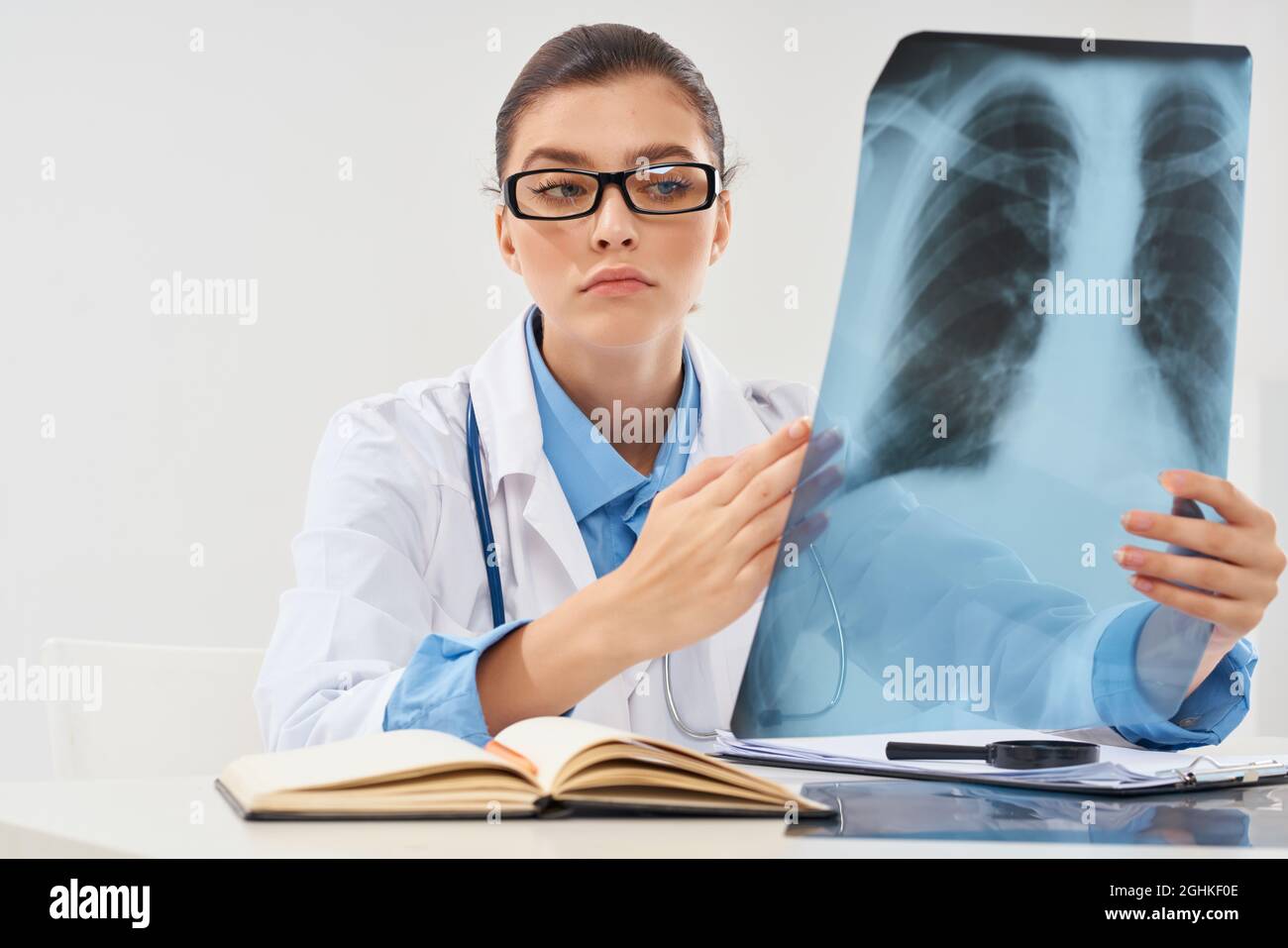
Lina opened the next case: a lung X-ray. She noticed a suspicious nodule. Another life-changing discovery. Should she call the doctor immediately or schedule more tests before worrying the patient?
Choice 1 : Call the doctor now.
Choice 2 : Wait and schedule a CT scan.

Stay and support the family.
Lina stayed with the mother. They cried together. At that moment, Lina realized that being a radiologist is not just about images, it's about people.
Choice 1 : Stay and support the family.

Decide to change and face patients next time.
Lina promised herself she would never avoid patients again. She would combine medical skill with empathy. That decision changed her career forever.
Choice 1 : Decide to change and face patients next time.

Continue to avoid direct contact.
Lina decided to stay behind the screen, avoiding face-to-face conversations. Years later, she regretted it. Radiology became just pixels and silence.
Choice 1 : Continue to avoid direct contact.
Send the report now.
Lina clicked "send" and it was done. The report was now in the system, marked URGENT. She hoped it would be read in time. But she couldn't stop thinking, what if she missed something? What if she was wrong?
Choice 1 : Check on the case later in the day.
Choice 2 : Distract herself with a new patient.

Review the report again.
She opened the draft once more. Her hands hovered over the keyboard. Should she add, "inoperable"? Would that crush hope? After a long breath, she typed:"Surgical consultation is recommended, but resection may not be possible."
Choice 1 : Send the final version now.
Choice 2 : Call a senior radiologist for review.

Tell the whole truth now.
Lina stood before the girl's mother and spoke clearly:" There is a tumor. It's in a very delicate part of the brain. Surgery will be difficult." The woman's knees gave out. Lina caught her. They sat together in silence Some truths are unbearable, but necessary.
Choice 1 : Tell the whole truth now.
Wait for more tests.
Lina decided to wait before telling the family the full diagnosis. But by the time the extra tests were done, the tumor had doubled in size.
Choice 1 : Wait for more tests.

Call the doctor now.
Lina called the doctor immediately. The patient was sent for a biopsy and lung cancer was diagnosed early. Her quick reaction saved his life.
Choice 1 : Call the doctor now.
Wait and schedule a CT scan.
Lina waited too long to act. When the CT scan was finally done, the cancer had spread. She knew she would never wait again.
Choice 1 : Wait and schedule a CT scan.
Check on the case later in the day.
At 2:30 p.m., Lina opened the hospital dashboard. The little girl's file was updated: she had been admitted to the pediatric intensive care unit. A note from the neurosurgeon appeared:"Surgery scheduled for 7 a.m. tomorrow." Lina let out a long breath. She had done her part. Still, the image of the tumor haunted her. She knew the road ahead for that family would be long and painful. She shut off her screen and sat in silence.
Choice 1 : Check on the case later in the day.

Distract herself with a new patient.
Lina forced herself to focus on the next case: a routine lung X-ray. She stared at the scan and saw it, a small irregular nodule in the upper lobe. Another silent killer. Another life about to be turned upside down. She scribbled a note for a follow-up CT. The room was quiet, but her thoughts were loud. In radiology, there was no escape. Just one case after another, and the constant weight of truth.
Choice 1 : Distract herself with a new patient.
Send the final version now.
Lina reread the last line one more time: "Findings suggest a malignant brain stem tumor. Recommend urgent surgical evaluation." She hesitated, then clicked "Send." It was done. Her words would now set everything in motion. The surgery. The fear. The hope. She leaned back in her chair, exhausted. Sometimes, the hardest part of being a doctor wasn't what she saw, but what she had to say.
Choice 1 : Send the final version now.

Call a senior radiologist for review.
Lina called Dr. Hassan, a senior radiologist known for his precision. He looked at the scan and nodded. "You were right to flag this. And your wording was careful. Well-done." That moment gave Lina the confidence she needed.
Choice 1 : Call a senior radiologist for review.
