Pursue the Dream: A Psychologists Journey.
Word count: 1725
Choice count: 32
Section count: 21
Image count: 21
Error count: 5
Field Related Analysis
Education : 105 matches
(bachelor's degree, behavior, choice, class, cognitive, courses, coursework, curriculum, degree, diploma, discrimination, doctorate, don, education, education in, evaluate, field, first, goal, grades, graduate, learned, learning, market, principal, private, public school, report, school, social, student, teacher, teachers, university, vacation)Sociology : 45 matches
(care, class, clinical, community, countries, culture, curriculum, customs, debate, depression, difference, discrimination, education, empathy, goal, group, illness, language, mental illness, open, principal, private, psychology, school, sexual, suicide)Social Work : 43 matches
(abuse, alcohol, caseload, child, community, culture, depression, discrimination, educator, empathy, garbage, health, help, illness, mental health, mental illness, services, social, substance abuse, teacher)Target Structure: (20 matches)
biases (2 matches)
dead-end job (1 match)
deter (1 match)
dread (1 match)
flirtation (2 matches)
fulfillment (1 match)
invaluable (1 match)
misconduct (1 match)
overwhelmed (1 match)
overwhelming (1 match)
perpetrator (1 match)
purpose (2 matches)
set aside (1 match)
sexual harassment (2 matches)
straight a's (1 match)
though (1 match)
ingrained (1 match)
volunteer (2 matches)
volunteering (6 matches)
abroad (7 matches)
Pursue the Dream: A Psychologists Journey.
Graduate form university.
Finally, after four long years of study, you have earned your bachelor’s degree in psychology. The world is full of possibilities, leaving you unsure about your next step. Multiple paths cross your mind: should you continue school and pursue a doctorate, take a gap year, or start working immediately?
Choice 1 : Apply for my doctorate
Choice 2 : Take a gap year.
Choice 3 : Start working as a psycho educator.

Apply for a doctorate.
Fascinated by human behavior, thoughts, and emotions, you decided to continue your education in the field of psychology. Your goal is clear: to become one of the best clinical psychologists, helping people with their mental health challenges. But first, you need to write an admission letter to explain your motivations and the challenges you have overcome. Will you achieve success or face rejection?
Choice 1 : Success!
Choice 2 : Rejection.
Go travel!
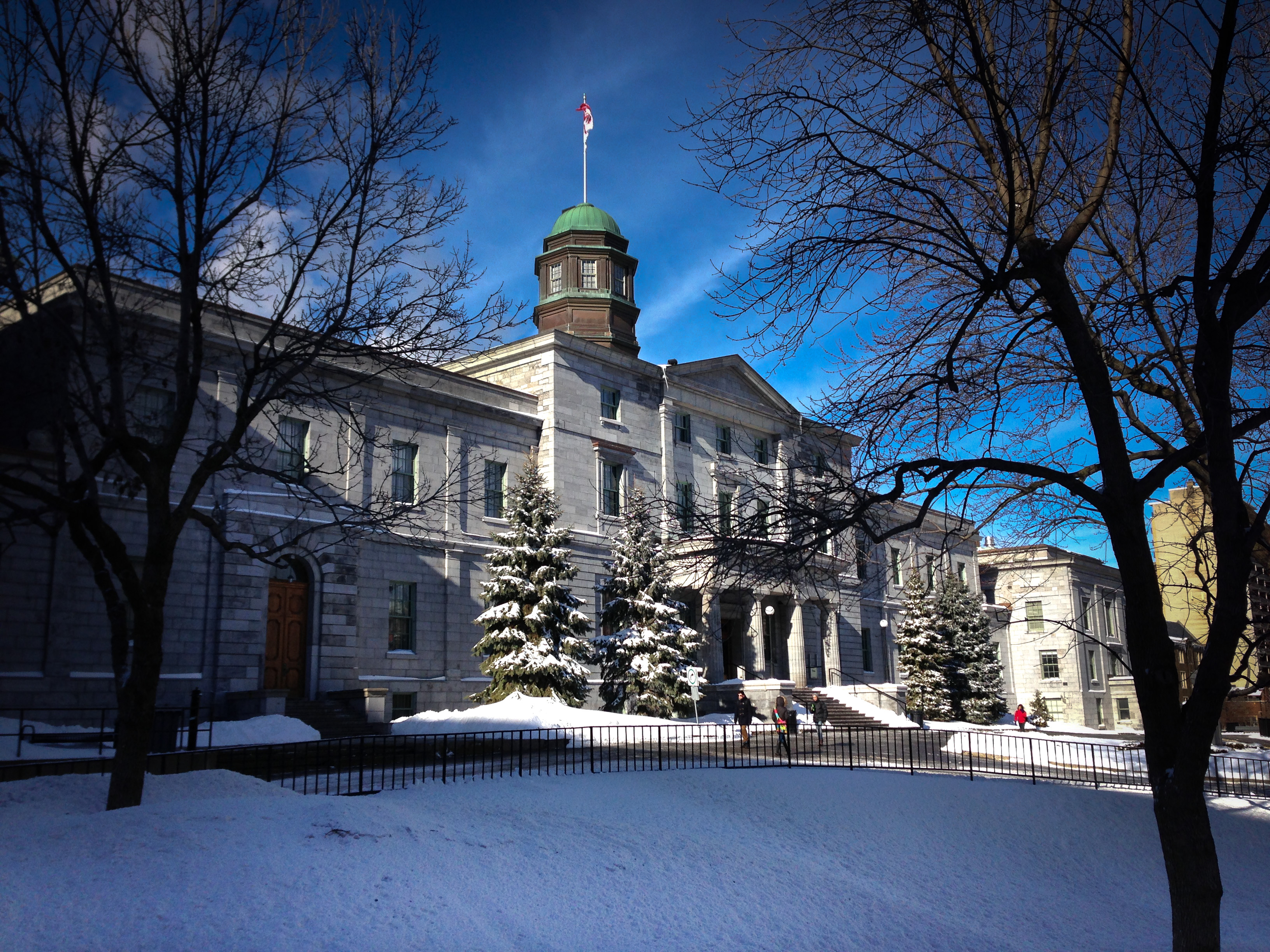
After earning your bachelor's degree in psychology, you don't feel particularly motivated to find a job and start your practice. All those years of study make you think that you need a vacation to rediscover yourself and relax. You are torn between volunteering abroad and taking a trip to Europe—both are dreams you have said you wanted to fulfill at some point in your life.
Choice 1 : Go volunteering abroad.
Choice 2 : Go to Europe.

Start working as a psycho educator.
Now that you have your diploma in hand, it’s time to enter the job market. You started by sending your curriculum vitae to many schools and youth centers. A few weeks later, you received multiple offers; however, twos caught your attention. The first one is from a secondary school, and the second is from a youth center. Which one should you choose?
Choice 1 : Secondary school.
Choice 2 : Youth center.

Success!
You got accepted, and you are happy about this success, but you feel overwhelmed by the thought of having five more years of study before earning your diploma and starting your practice. Balancing your part-time job with all the coursework demands all the perseverance you have.
Choice 1 : Start again.

Rejection.
Your application got rejected. You learned that your grades were not high enough. Determined to continue your studies and eventually earn your doctorate, you decide to take a year to retake some courses and improve your grades.
Choice 1 : Start again.

Go volunteering abroad.
Now that you have decided to volunteer abroad, you need to assemble information about the costs, the laws and choose your destination. Three countries have caught your attention: Thailand, Fiji, and India.
Choice 1 : Go to Fiji.
Choice 2 : Go to Thailand.
Choice 3 : Go to India.

Go to Europe.
You finally decided to go to France with your girlfriend. Paris, the "City of Light," with its reputation for art, food, and romance, seemed like the best destination. Upon arrival, your girlfriend wanted to visit Montmartre, the historic district known for its bohemian charm. Though, you are really tired from jet lag and just want to sit in a cafe and enjoy a good croissant. Where should we go first?
Choice 1 : Go to Montmartre.
Choice 2 : Go to the cafe.
Go to Fiji.
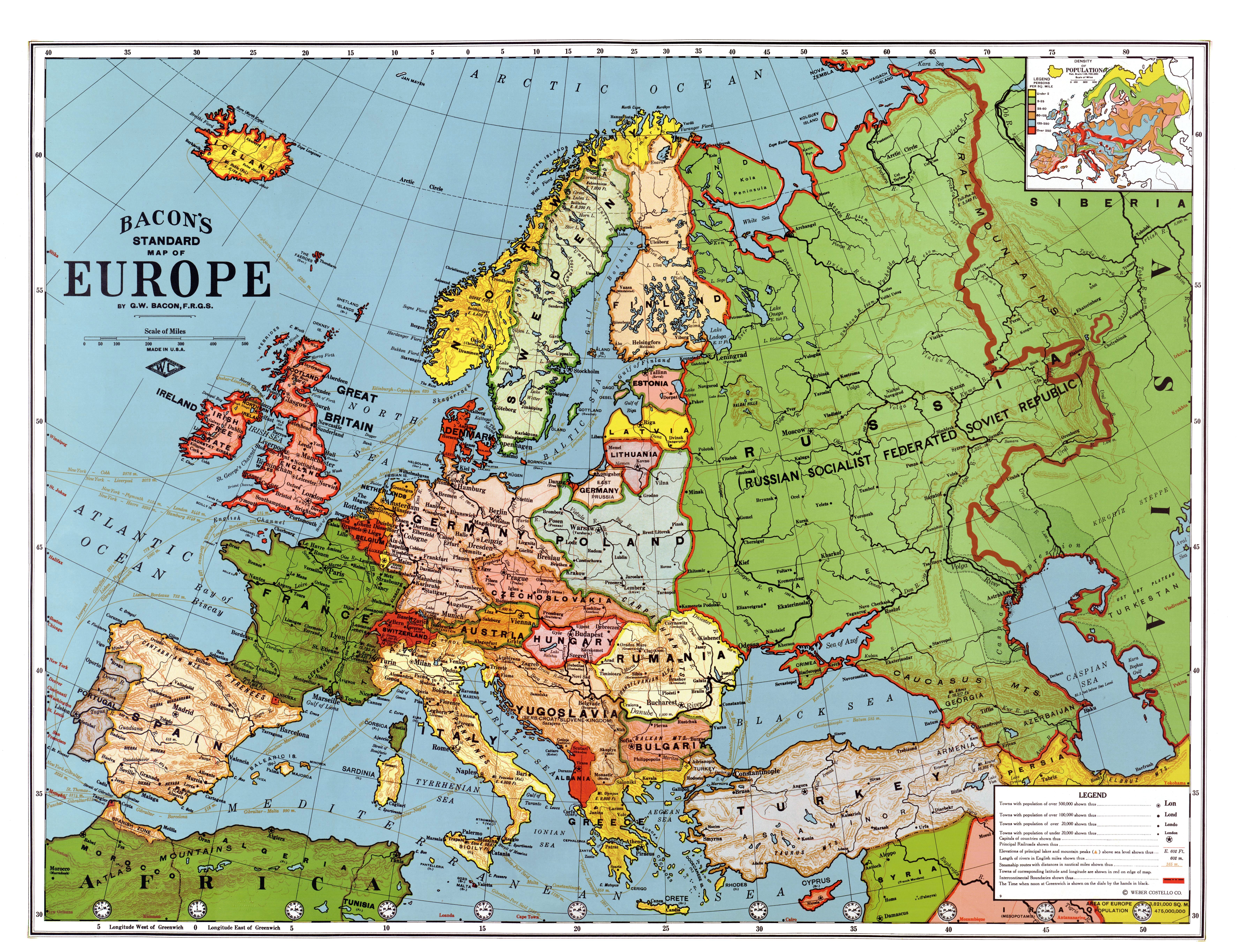
Your choice to go to Fiji marked your first time volunteering abroad. This experience came with some unexpected challenges and surprises. There were both good and bad moments during the trip, but they all became lasting memories that you will never forget.
Choice 1 : Start again.

Go to Thailand.
You decide to go to Thailand to help restores aquatic fauna and build a school. During this trip, you truly experienced personal growth; getting out of your comfort zone helped you improve your resilience, empathy, and adaptability. However, it was challenging to adapt to a new culture, language, and customs. In the end, you built invaluable relationships and gained a great sense of fulfillment.
Choice 1 : Start again

Go to India.
You decide to volunteer abroad in India to help a local community build a water system in a remote village near Mumbai. You feel a mix of excitement and apprehension, knowing that the village will not have all the comforts and hygiene you used to have home. You start to wonder if volunteering abroad was a good idea after all. Should you leave and come back home, or stay and endure the discomfort?
Choice 1 : Go back home.
Choice 2 : Endure the discomfort.

Back home.
You are back at your house and feel somewhat like a coward for returning almost as soon as you left. You are now trying to find a job but without success. Eventually, you end up in a dead-end job as a manager at a fast-food restaurant, struggling to pay off the expenses of your unsuccessful trip to India.
Choice 1 : Start again.

Endure the discomfort.
You decide to stay despite the discomfort of living in a remote village. The hygiene was worse than you ever imagined; there was garbage everywhere and a nasty smell of feces in the air. The local community was starving due to a famine caused by a drought that hit the region a couple of months ago. Looking at the conditions that those people were living in, made you realize how lucky you are to have food on your plate and the cleanliness of your home. Helping those people made you feel that you were making a significant difference in theirs lives which made the purpose of this trip even more meaningful.
Choice 1 : Start again.

Secondary school.
You start your first job as a psycho educator in a public school, eager to make a difference. The first few weeks are overwhelming. Between learning the school’s policies, meeting colleagues and your caseload. One day, a student confess you that she was a victim of sexual harassment by one of his teachers. Should you handle the situation discreetly or confront the teacher privately?
Choice 1 : Handle the situation.
Choice 2 : Confront the teacher.

Youth center.
You decided to work in a youth center to help kids and teenagers with their mental health challenge. You were surprised by the number of young people who needed help. The most common issues were anxiety disorders, substance abuse, trauma, and behavioral disorders. The director gave you a choice between two particularly difficult cases: two teenagers named Jessica and James. Which one should you choose?
Choice 1 : Jessica case.
Choice 2 : James case.

Handle the situation.
You decided to handle the situation with discretion. The student told you that the teacher behavior began with compliments and flirtation. She tried to deter him by avoiding him. A few weeks later, she started to feel full of dread about going to school, especially about attending the teacher’s class.You reassure the student that their safety is your top priority and explain the next steps. Following school protocol, you report the allegations to the principal and child protection services.
Choice 1 : Start again.

Confront the teacher.
You decided to confront the teacher directly before the situation escalated to the principal’s office. In a private meeting, you presented the student’s allegations of misconduct. The teacher denied everything, defending himself by claiming that the student probably misunderstood and that it was just harmless flirtation. Despite his denial, you decided to report him, and the perpetrator got arrested by the police the next day for sexual harassment on a student.
Choice 1 : The end.

Jessica's case.
You chose Jessica's case, a 16-year-old girl with a history of substance abuse and anxiety disorders caused by trauma. No, one had been able to break through to her until she met you. At first, she didn’t open up to you, but after a few more sessions, she began to share more about herself. She told you about her past an abusive stepfather, a mother who didn’t care for her child, and her downward spiral into drugs and alcohol. You saw under this hardened girl someone who needed someone to believe in her. Months passed and after multiple therapy sessions you saw her first smile. You felt joyful, knowing you had helped her find the strength to save herself. Years later, Jessica became a social worker, using her experience to help other towards healing.
Choice 1 : Start again.

James's case.
You decided to take James's case. James was a really smart kid who had been earning straight A's in school, but he set aside his studies when he started hanging out with the wrong crowd and using drugs. James was suffering from depression and often thought about suicide. He felt life was hopeless and empty. At first, James resisted therapy, but you patiently created a safe space for him to open up.Through peer support groups and volunteering, James found purpose and began to heal.
Choice 1 : Start again.

Montmartre visit.
Later that evening you and your girlfriend went to the Montmartre. You find yourself in a lively debate with a street artist about the discrimination faced by the immigrants, particularly in the job market. You felt full of empathy for him and the psychologist in you reflects about how discrimination often led to stress, anxiety, mental illness. The old street artist asked you "what is the solution?". You believed that the answer is probably in fostering empathy and challenging social norms. But you know that changing deeply ingrained biases were not easy to change.
Choice 1 : Start again.

Go to the cafe.
Your girlfriend and you sat in a bustling cafe close to the Champs-Élysées and ordered a warm espresso and a croissant. While being served by the waiter your ears caught a fragment of conversation coming from the table next to you. A group of French people were arguing about politics and Canada. There were saying that Canadiens people are too nice, polite, and soft not like French people. You couldn't help but smirk. You were well-aware of those stereotypes. As a psychologist, you understood how these oversimplified beliefs stemmed from cognitive biases, like ethnocentrism, where people evaluate other cultures through the lens of their own. But stereotypes, can become stressors for those who lived under their weight, shaping their emotions and, over time, even their personality traits.
Choice 1 : Start again.