A Bailifs Journey.
Word count: 1820
Choice count: 29
Section count: 17
Image count: 17
Error count: 16
Field Related Analysis
Education : 103 matches
(academic, adult, cegep, choice, class, classes, classmates, compensation, diploma, field, first, goal, grades, graduation, high school, homework, knowledge, law school, learn, management, mark, marks, project, reading, school, skills, student, task, taught, teacher, teachers, teaches, trainee, training, university, vocational)Law : 68 matches
(bailiff, children, client, collective, compensation, construction, cost, court, debtor, dismissal, error, eviction, fact, family, firing, government, harassment, house, law, living, misconduct, month, neglect, notice, office, presumption, property)Sociology : 33 matches
(adam, average, charisma, class, entrepreneur, error, fact, formal, goal, homework, property, rights, school, self, sexual, value)Target Structure: (19 matches)
compensation (1 match)
dead-end job (2 matches)
dread (1 match)
income (1 match)
internship (1 match)
lack of (2 matches)
learn the ropes (1 match)
misconduct (1 match)
on-the-job-training (1 match)
overwhelmed (1 match)
pension (1 match)
premium wage (1 match)
retirement (5 matches)
sexual harassment (1 match)
though (1 match)
time management (1 match)
trainee (1 match)
wage (1 match)
bribes (2 matches)
A Bailifs Journey.
A Father's Concern.
After high school, I felt exhausted by school, having spent the past twelve years of my life immersed in academics and wanted a way out of it. However, in the first month following summer after graduation, I began to feel a sense of isolation. All of my friends had returned to school, did internship and some even transitioned out of a dead-end job and acquired their career jobs. I realized that I was alone, my dad worked until around midnight and my mom was often at our chalet. One night, my dad came to me and said "Adam, we need to talk, you can't keep doing nothing with your life, you're now living in an adult world you need to work or go back to school".
Choice 1 : Take a gap year from school and gain hand-on experience working alongside construction workers.
Choice 2 : Go back to school.

Alternating Paths: Shuttering.
Thanks to my dad's charisma, I was able to talk directly to a shuttering entrepreneur and obtain a permit, bypassing the Vocational Studies Diploma (VSD). VSD is a school that teaches you how to work. As I wanted to work in the construction field, this was the perfect opportunity to secure a career job with a worthy income for a youngster. As a newbie, I had no knowledge of the job and had to rely on my coworkers a lot; they taught me the ins and outs of the job, also known as On-the-Job-Training. However, just a few weeks into the job, I realized that the tasks were very repetitive. Do I really want to do this routine all of my life?
Choice 1 : Continue to work in construction.
Choice 2 : Go to law school.

Straight to Cegep.
As a newly graduated student, coming back to school now as the youngest in the school was truly scary. However, I quickly realized that Cegep and Hischool are different in a lot of ways, by the liberty the teachers give to the student and how you can adjust your schedule to match it to your liking. This new environment even if it is just a school like I attended for the past twelve years, gave me hope in my future and made me think of how well of a man I wanted to be. In the first week, one of our teachers, Miss Roxanne Larocque, gave us a project and told us that we could do it by ourselves or with a team.
Choice 1 : Work alone.
Choice 2 : Work in a team.
:max_bytes(150000):strip_icc():format(webp)/Stocksy_student-at-school_78589-57644e915f9b58346adaa2c9.jpg "https://www.verywellfamily.com/thmb/d2upIxE-aMllGYWtvFHqX9haUwc=/750x0/filters:no_upscale():max_bytes(150000):strip_icc():format(webp)/Stocksy_student-at-school_78589-57644e915f9b58346adaa2c9.jpg")
Going Solo.
This challenging project assigned by Miss Larocque took about twice as long to accomplish alone compared to doing it in teams. Going solo pushed me to neglect homework in other classes due to the limited time I had left. Working with only one mind on this difficult project, unlike any of my classmates, made it hard. The prolonged duration of each work session led to obvious mistakes, by reading the same project too long. Briefly, my mark was under average. There is a new project another teacher gonna give us in another class soon should I do it in teams or alone?
Choice 1 : Do it in teams.
Choice 2 : Do it alone.

Ignoring the Facts.
Sadly, just three weeks into the session, I was already overwhelmed with tasks. If only I had done it in teams. I had too much to handle, and due to my procrastination habit, I felt quite doomed. Should I transform this habit into a strength or work to overcome it?
Choice 1 : Transform this habit into a strength.
Choice 2 : Try to overcome it.

Navigating the complexities of Law school life.
In my academic journey, navigating through the consequences of procrastination during my time in Cegep proved to be a stepping stone. However, when I reflected on how I could make this habit a strength, I understood the profound impact of managing my time effectively and the importance of collaborating with classmates or workmates. This new approach has led me to higher marks and a higher sense of self-value. As I look to my future as a bailiff, I am faced with a crucial question: Should I continue working on my time management skills and collaboration or should I focus on individual skills?
Choice 1 : Work on collective skills.
Choice 2 : Work on individual skills.

The Start of collaboration.
As I tried to conquer my procrastination habit, I found myself making more "friends" in school, and people started to notice me. My talent for legal matters attracted attention, many were seeking my help with their homework or their project, sometimes even resorting to offering bribes of 100 bucks. Should I assist them with their project, even though it amounts to cheating?
Choice 1 : Yes
Choice 2 : No

Time fly.
Thanks to the client's loyalty, I was never found out by others. However, my Cegep life was tainted by misconduct and the lack of true friends. Despite these challenges, I remained dedicated to my studies and maintained excellent grades throughout school. My grades spoke for themselves quite fast, and I was accepted by multiple bailiff offices, proving that hard work and dedication can withstand hardship along the way. Should I go to the most renowned office that accepted me, or go to a low-profile office where I could potentially ascend to a higher position quite fast?
Write a choice here.
Choice 2 : Go to a low-profile office.

Swiftly Advancing into Career Ground.
As school was ending, teachers emphasized the urgency of applying to universities quickly, or we might not get picked. Aspiring to become a bailif, I knew that attending university was not necessary for my career path. However, I still questioned it: should I continue school or begin working as a bailiff immediately?
Choice 1 : Continue school.
Choice 2 : Become a bailiff.

First Real Dilemma.
As I joined the University of Sherbrooke, I was quickly confronted with accusations. People whom I had refused bribes from in the past, were now starting rumors about me. Feeling exhausted from this toxic environment; Should I return to shuttering or pursue my goal of becoming a bailiff immediatly?
Choice 1 : Return to shuttering.
Choice 2 : Become a bailiff.

The Newbie.
Entering the bailiff work with no formal experience, only basic knowledge, scared the living out of me. However, what scared me even more was the presumption of frequent abuse, such as sexual harassment, within the office, a concern that my family had expressed to me. Despite this concern, it was an easy road to become one, if not the most renowned bailiff in Quebec, so I was kinda stuck. Within 30 seconds of meeting my new boss, he directly told me to go do an eviction, despite my lack of experience. Should I go do the eviction alone or tell my boss that I am completely inexperienced for the task?
Choice 1 : Go do the eviction alone.
Choice 2 : Tell my boss that I am completely inexperienced for the task.

Legal Mistake.
As I arrived to the debtor's home, I looked all around the property and even knocked on the door eight times and rang the bell five times, but received no response. However, a neighbor heard the commotion and informed me that the debtor was currently at church. As I got to the church in question, I entered and attempted to serve the debtor with documentation about the eviction in the middle of the mass. Unfortunately, the debtor knew his rights quite well and knew that a bailiff, couldn't serve documentation for his work inside a religious place. Oops, I should have stayed outside. The debtor brought this up during court, resulting in the dismissal of the eviction. This mistake led to my boss losing a client of thirty years and resulted in him firing me. How could I have made such a significant legal error only on the first day? Now I have two choices: to go back to construction or to return to school.
Choice 1 : Go back to school to explore new career opportunities and overcome the feeling of shame.
Choice 2 : Go back to construction.

Trainer's Little Trainee.
My boss, exhausted from sleepless days of work, didn't realize I was a new employee and mistook me for Jimmy, a longtime worker. When I brought this up, he introduced me to my trainer to learn the ropes from him. My trainer and I then went to the debtor's house, but the debtor wasn't home. However, his neighbor told us that he was at church. So we went up to the church and waited on the stairs in front of the church until the debtor finished his mass to give him documentation about the eviction. After successfully depositing the documentation, I felt a feeling of accomplishment in my heart, which pushed me to listen closely to my trainer's instructions 24/7. Now, should I choose to become a well-renowned bailiff across Quebec, but sacrifice precious time with my family? Or prioritize never missing precious time with my family but settling for an average position in the office?
Choice 1 : Prioritize family above work.
Choice 2 : Prioritize work above my family.
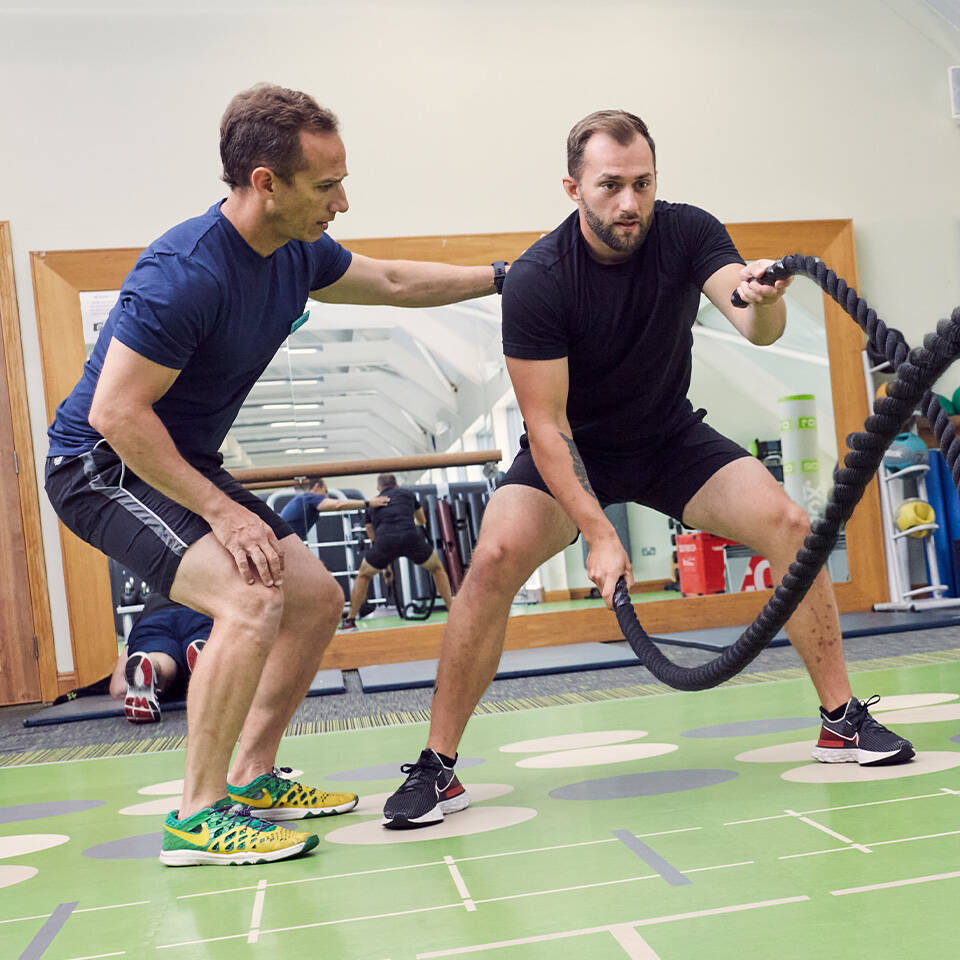
My Journey into the Top Bailiff Office.
Entering the top bailiff office with no formal experience, only basic knowledge, filled me with dread. As everyone was way more intelligent than I was, I couldn't be promoted for 5 years. Should I go to a low-profile office to get a promotion and be the best around or stay in this dead-end job for the rest of my life?
Choice 1 : Go to a low-profile office.
Choice 2 : Stay stuck in this position.

Planning Retirement.
As a middle-aged man, I meticulously planned my retirement for the end of my fifties, envisioning a well-deserved break after a life dedicated to my career. However, as I approached my sixties I was faced with a crucial decision. Should I retire in my sixties or continue working?
Choice 1 : Retire in my sixties.
Choice 2 : Never retire.

Until the Last Breath.
I lived a life of hard labor, never, ever entertaining the idea of retirement, I chose instead to work until my last breath. This beautiful dedication came at a cost. In fact, I never had time to spend with my family and had no spouse or children to share my journey. It was a life filled of solitude.
Write a choice here.

The Final Chapter: Retirement.
As a man in his sixties, earning a premium wage throughout my career has led to the rewarding benefit of an appealing monthly check from the government for retirement. This pension serves as compensation for a man who has been a public officer his entire life.
Write a choice here.