Hi, my name is Andy Zurita, and I am studying to become an electrical engineer a little more specific in automation and control. I created this glossary to explain some important words that are commonly used in this programme. The purpose of this glossary is to make the technical vocabulary easier to understand. For each word, I will give a simple definition and an example and how so say the word correctly. For each word, I will give a simple definition and an example of how it can be used.
analog signal
noun
An analog signal is a continuous, time-varying physical quantity—such as voltage or current—that represents changes in data like sound, light, or temperature.
fr: signal analogique
circuit breaker
noun
A circuit breaker is an automatic electrical safety switch designed to stop the flow of electricity when a circuit gets overloaded or a fault occurs.
Example: The circuit breaker protects the circuit.
fr: disjoncteur
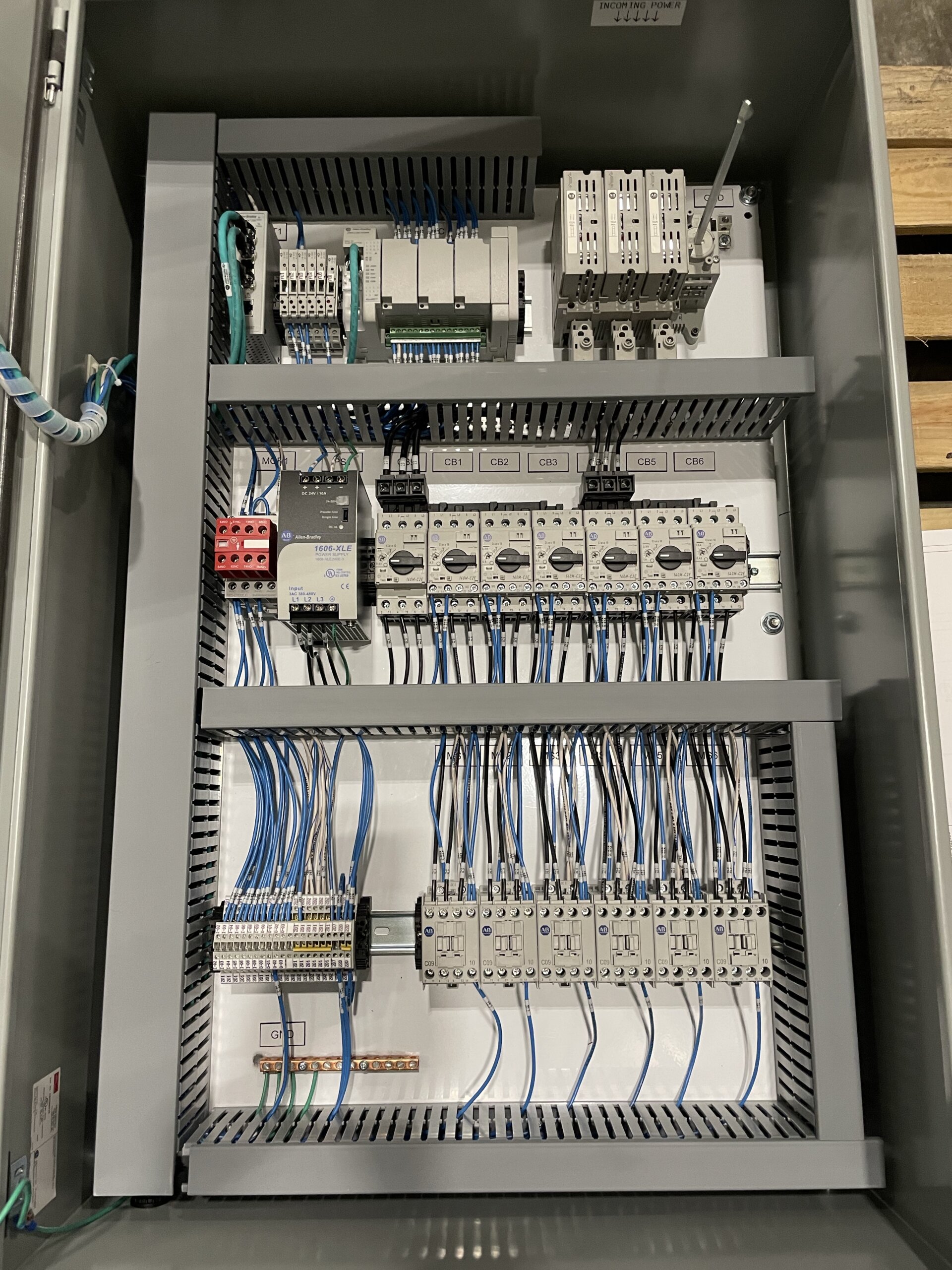
Control panel
noun
A control panel is a centralized interface—either software or physical—that lets you view, configure, and manage settings for a device, system, or application.
Example: The PLC is inside the control panel.
fr: panneau de contrôle
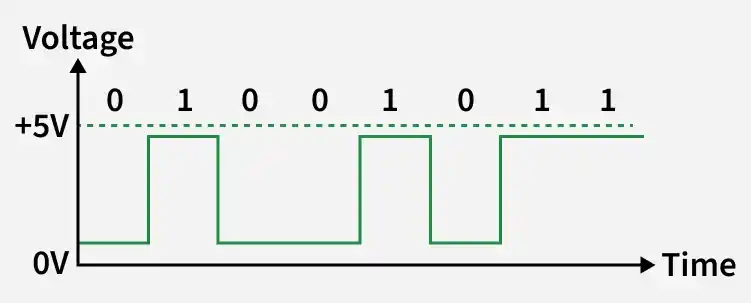
digital signal
noun
A digital signal is a method of representing data as a sequence of discrete values, typically using binary numbers like 0 and 1.
Example: The button sends a digital signal.
fr: signal numérique
feedback
noun
Feedback means information or opinions given about a person's performance, a product, or a process, used as a basis for improvement.
Example: The sensor gives feedback to the PLC.
fr: retour
fuse
noun
A fuse is a safety device that stops electrical current when it gets too strong, or a cord lit to set off an explosive, or a verb meaning to melt or join things together.
Example: The fuse protects the equipment.
fr: fusible
input
noun
An input is any information, money, energy, or resource that is put into a system, machine, or process, so it can operate or produce a result.
Example: The button sends an input to the PLC.
fr: entrée
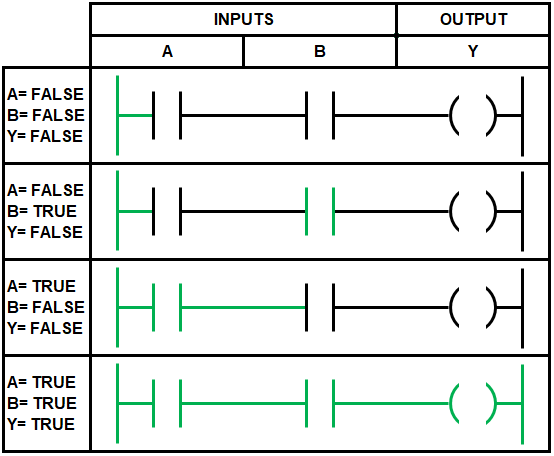
ladder logic
noun
Ladder logic is a visual programming language used to program programmable logic controllers (PLCs) for industrial automation.
Example: I use ladder logic to program the PLC.
fr: logique à contacts
output
noun
Output means the amount of something—such as goods, energy, data, or creative work—that is produced by a person, machine, factory, or system.
fr: sortie
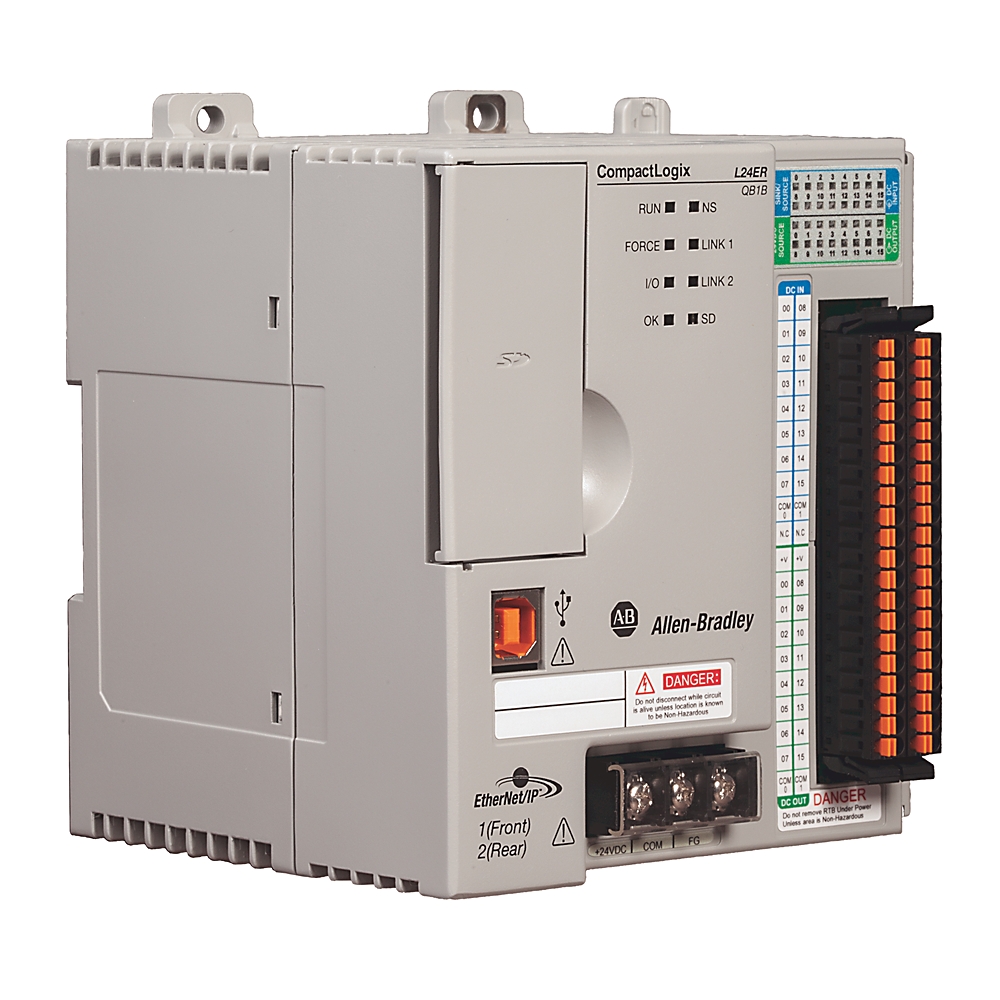
PLC
noun
PLC stands for Programmable Logic Controller, a ruggedized industrial computer used to automate manufacturing processes, machinery, and mechanical equipment.
Example: PLC — The PLC starts the machine.
fr: automate
pneumatic cylinder
noun
A pneumatic cylinder (also called an air cylinder or pneumatic actuator) is a mechanical device that converts the power of compressed air into mechanical force and reciprocating linear motion.
Example: The pneumatic cylinder pushes the box.
fr: vérin pneumatique
pressure sensor
noun
A pressure sensor is a device that measures the force exerted by liquids or gases on a surface and converts that mechanical deformation into a usable electrical signal.
Example: The pressure sensor measures the air pressure.
fr: capteur de pression
process variable
noun
A process variable (PV) is the actual, real-time measured value of a physical or chemical quantity in an industrial or mechanical system that is being monitored or controlled.
Example: The temperature is the process variable.
fr: variable de procédé
solenoid
noun
A solenoid is an electromagnetic device that converts electrical energy into mechanical pushing or pulling motion using a coiled wire and a moving metal core.
Example: The solenoid opens the valve.
fr: solénoïde
vFD
noun
VFD stands for a variable-frequency drive, which is an electronic controller used to change the speed and torque of an AC electric motor.