Hi, my name is Adam. I am currently studying biotechnology. The glossary that I have created could be useful for students who are already studying biotechnology and also for new students who are not familiar with this field. Each word in this glossary is related to the basic concepts of biotechnology and to the vocabulary commonly used in this field. I chose these words because they are important to understand and may be unfamiliar to non-experts. By learning the meaning of these terms, students can improve their knowledge of biotechnology and better understand the different concepts used in this field.
bacteria
Noun
Microscopic single-celled organisms that can live in many different environments.
Example: Some bacteria are used to produce useful products in biotechnology.
en: Bactérie
biotechnology
Noun
The use of living organisms or biological systems to create useful products or technologies.
Example: Biotechnology is used to develop new medicines and improve agricultural products.
en: Biotechnologie
cell
Noun
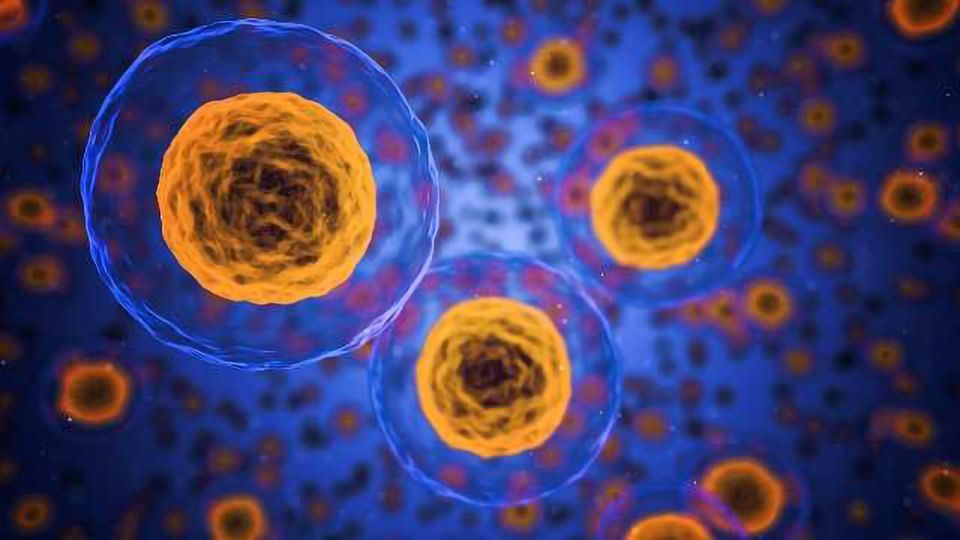
The basic structural and functional unit of a living organism.
Example: The researchers observed the cell under a microscope.
en: cellule
cloning
Noun
The process of producing genetically identical copies of a cell, gene, or organism.
Example: Cloning allows scientists to create identical copies of certain genes.
en: Clonage
DNA
Noun
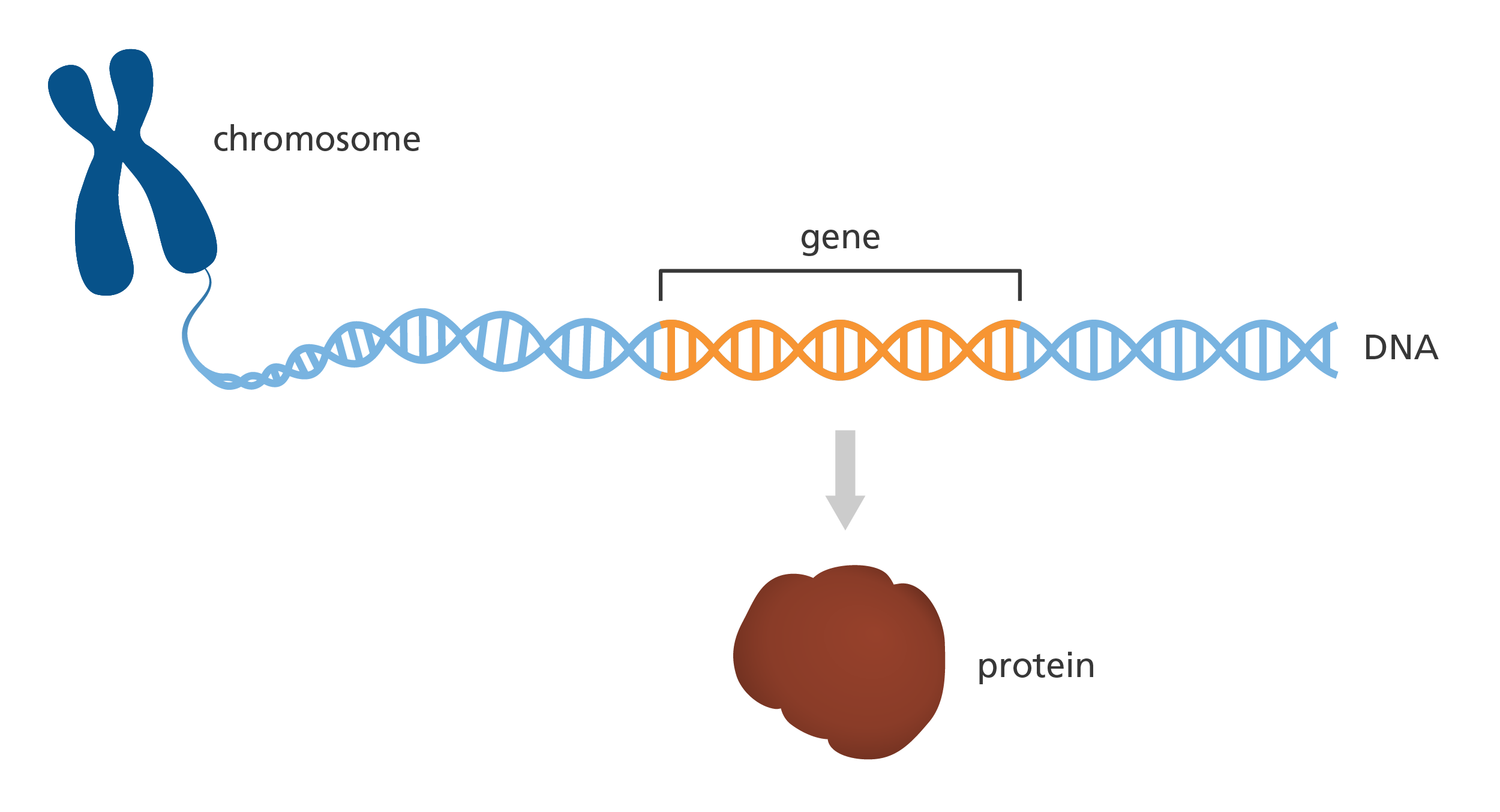
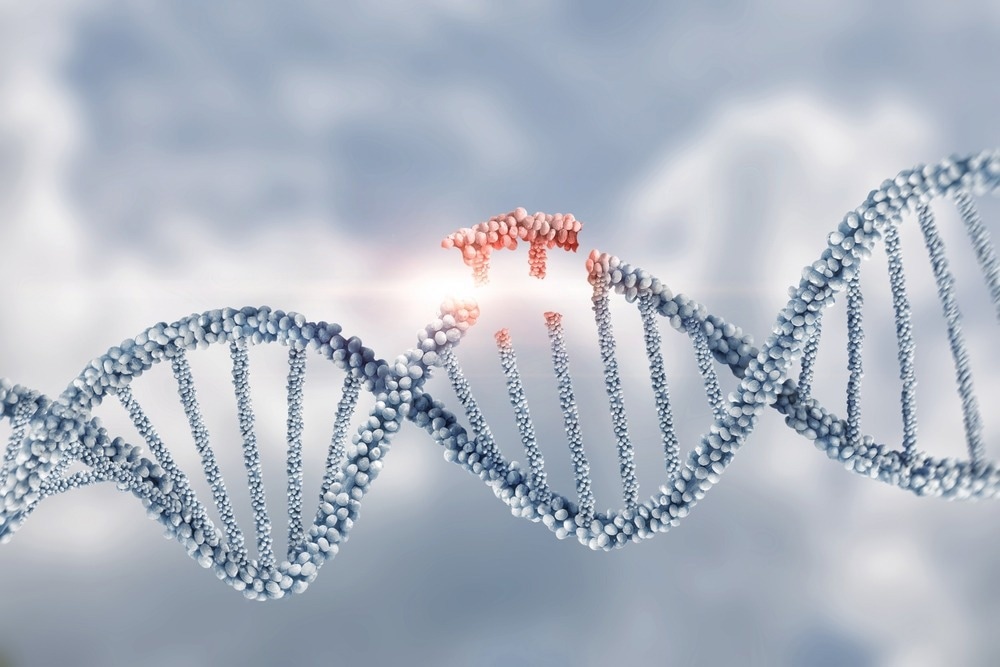
The molecule that contains genetic information in living organisms.
Example: Scientists analyzed the DNA sample to identify genetic differences.
en: ADN
enzyme
Noun
A protein that speeds up chemical reactions in living organisms.
Example: The enzyme helped speed up the chemical reaction in the experiment.
en: Enzyme
fermentation
Noun
A biological process in which microorganisms convert substances such as sugar into other products.
Example: Fermentation is used to produce foods such as yogurt and cheese.
en: fermentation
gene
Noun
A section of DNA that contains instructions for a specific characteristic or function.
Example: A gene can influence certain characteristics of an organism.
en: gène
genetic engineering
Noun
The process of changing an organism's DNA using biotechnology.
Example: Genetic engineering can be used to give plants new characteristics.
en: génie génétique
genome
Noun
The complete set of genetic material in an organism.
Example: Scientists studied the human genome to better understand genetic diseases.
en: génome
microorganism
Noun
A living organism that is too small to be seen without a microscope.
Example: Yeast is a microorganism commonly used in fermentation.
en: Micro-organisme
mutation
Noun
A change in the DNA sequence of an organism.
Example: The researchers discovered a mutation in the gene.
en: mutation
PCR
Noun
A laboratory technique used to make many copies of a specific section of DNA.
Example: The laboratory used PCR to make copies of the DNA sample.
en: ACP
protein
Noun
A molecule made of amino acids that performs many important functions in cells.
Example: The scientists studied the protein to understand its role in the cell.
en: Protéine
vaccine
Noun
A biological preparation that helps the immune system protect the body against a disease.
Example: Researchers developed a vaccine to help protect people from the virus.