I finished my three years of program, and I realized a lot of people have difficulty understanding the terms used in special education.
This glossary present twenty words used in special education. These terms could be useful for students because they will learn the common words. Also, he could be used has a reminder for the trainees. This glossary could be a good tool to understand the terms that could be hard to interpret. The meeting between colleague will be more fluid if everyone has the same base.
activity of daily living (ADL)
noun
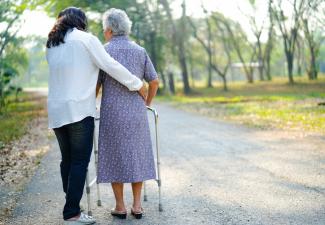
Activities of daily living (AVQ, or ADL in English for activities of daily living) are the fundamental self-care tasks that people perform every day to live independently and take care of their bodies
Example: Brushing your teeth is an activity of daily living.
en: Activité de vie quotidienne
adaptive potential
noun
A person’s ability to adapt to their environment, develop new strategies, and use their resources to respond more independently and effectively to different situations in daily life.
Example: The educator helps the client develop strategies to improve their adaptive potential and become more independent.
en: potentiel adaptatif
autism
noun
Autism, or Autism Spectrum Disorder (ASD), is a lifelong neuro developmental difference that affects how a person communicates, interacts with others, and experiences the world.
Example: The child has autism.
en: autisme
degeneration
noun
Degeneration means the slow process of getting worse, losing strength, or falling from a higher quality or state to a lower one.
Example: Degeneration can lead to a decline in a person's physical and cognitive abilities.
en: dégénérescence
developmental delay
noun
A developmental delay happens when a child does not reach expected growth milestones at the usual age compared to other children.
Example: The child has a developmental delay.
en: retard de développement
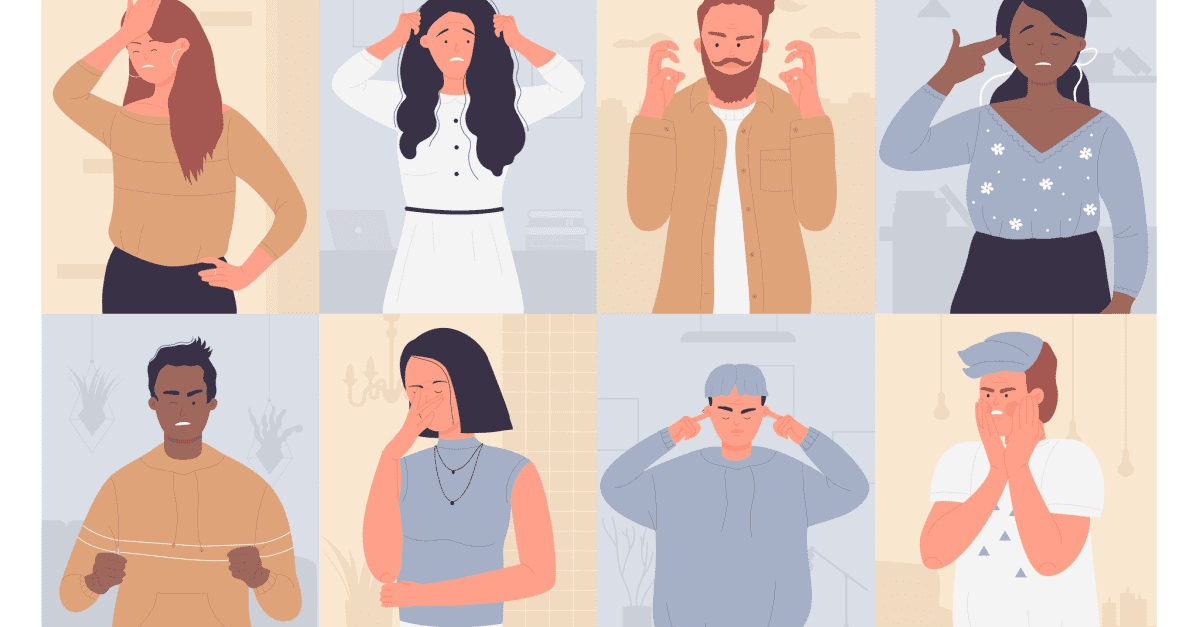
disorganization
noun
Disorganization is difficulty organizing thoughts, actions, or tasks in a structured way.
Example: The person shows disorganization after taking drugs, with confused speech and unpredictable behavior.
en: désorganisation
disorganized attachment
noun
Disorganized attachment is an insecure attachment pattern defined by a core internal conflict where a person deeply craves emotional closeness while simultaneously fearing it.
en: attachement désorganisé
domestic living activities (AVD)
noun
Domestic Living Activities are everyday household tasks that promote independence and functional living skills.
Example: Students practice domestic living activities, such as doing laundry.
en: Activité de vie domestique
fine motor skills
noun
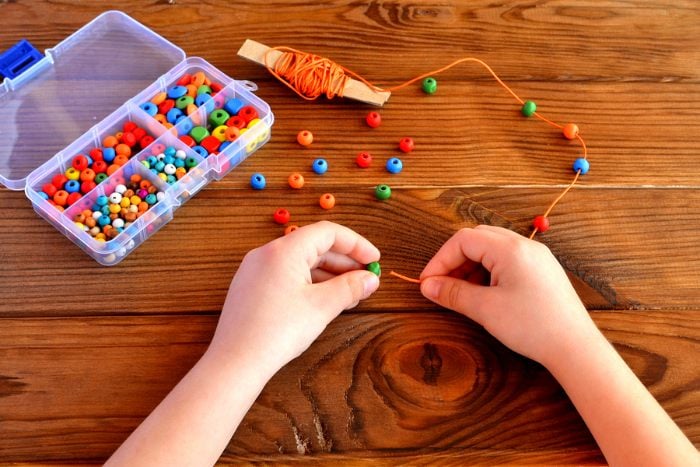
Fine motor skills are the precise, small movements we make using the small muscles in our hands, fingers, wrists, and sometimes feet or toes.
Example: The child has difficulties with fine motor skills.
en: moticité fine
goal
noun
A goal is a specific outcome a person is working toward improving a skill or achieve greater independence.
Example: The goal is to improve communication skills.
en: objectif
individualized intervention plan
noun
An individualized intervention plan (IIP)—often called an individualized education program (IEP), treatment plan, or support plan—is a customized, written road map designed by a collaborative team to address a person's unique developmental, behavioral, educational, or functional needs.
Example: The educator created an intervention plan to help the client develop better social skills.
en: plan d'intervention
intellectual disability
noun
Intellectual disability is a neuro developmental condition marked by significant limits in both intellectuals functioning and everyday adaptive behavior, originating during the developmental period.
Example: The person has an intellectual disability and requires support with daily living skills.
en: déficience intellectuelle
neglect
noun
Neglect means failing to give proper care, attention, or help to a person, animal, or thing that needs it.
Example: Neglect can involve not providing adequate food, clothing, or supervision.
en: négligence
nonverbal communication
noun
Nonverbal communication means sharing messages and feelings without using spoken or written words.
Example: Nonverbal communication includes facial expressions, gestures, and body language.
en: langage non-verbal ou communication non-verbal
physical restraint
noun
Physical restraint means to use a person's body, manual force, or a physical/mechanical device to restrict or obstruct a person's freedom of bodily movement or normal access to their body
Example: Physical restraint was used to ensure the student's safety.
en: contention physique
progress notes
noun
Progress notes are formal, chronological records maintained by healthcare and therapeutic professionals to document a patient's clinical status, treatments provided, and response to care during an ongoing episode or course of treatment.
Example: Progress notes document the interventions and the person's progress.
en: notes évolutives
risk factor
noun
A risk factor is any condition, behavior, or circumstance that increases the likelihood of developing a negative outcome, such as a disease, project failure, or financial
Example: Substance use is a risk factor for behavioral crises.
en: facteur de risque
secure attachment
noun
A secure attachment is a strong and trusting emotional bond between a person and their caregiver, which helps the person feel safe, develop confidence, and build healthy relationships with others.
Example: A secure attachment can help a child develop emotional stability and confidence.
en: attachement sécurisant
social story
noun
Social stories are short, personalized learning tools that describe a social situation, skill, or event to help individuals—especially those with autism—understand what to expect and how to respond.
Example: The educator uses a social story to help the client understand social situations.
en: scénario social
traumatic brain injury
noun
A traumatic brain injury (TBI) is damage to the brain caused by an external physical force, such as a sharp blow, a jolt to the head, or an object piercing the skull.