Hi, my name is Prosper Buradi, and I am a student at Ahuntsic College in Electrical Engineering Technology, specializing in Automation and Control. I chose this program because I am interested in technology, and I like understanding how machines and automated systems work. In this field, we use electricity, computers, sensors and controllers to make machines operate automatically. These systems can be found in factories, production lines, robots and many other industrial environments.
I created this glossary to explain 15 important words from electrical engineering and automation. Each term includes a definition, pronunciation, example and sometimes an image to make it easier to understand.
Automatic
Adjective
operating by itself without direct human control, or happening without conscious thought, effort, or choice.
Example: The machine has an automatic start function.
fr: Automatique
Current
noun
A continuous movement of water, air, or electricity.
Example: The current flows through the wire to power the device.
fr: courant
Electronic
noun
A device, system, or process that operates by controlling the flow of electrons using tiny parts like microchips, transistors, and semiconductors.
Example: Electronic circuits control how the device works.
fr: électronique
Factory
noun
A building or group of buildings equipped with machines to produce large quantities of goods.
Example: The factory runs all day to keep up with production.
fr: usine
Frequency
noun
The number of times a repeating event or wave occurs within a specific period of time.
Example: The frequency increases when the device runs at a higher speed.
fr: fréquence
Machine
noun
a device with moving parts that uses power to perform tasks or do work.
Example: The control system monitors the machine to ensure safe and efficient operation.
fr: machine
Motor
noun
A machine that converts electrical energy into mechanical energy to produce motion or power.
Example: The motor starts turning as soon as the power is switched on.
fr: moteur
Power
noun
The rate at which work is done or energy is transferred over time.
Example: The motor needs more power when the machine lifts a heavy load.
fr: puissance
Programming
noun
The process of creating a set of instructions that tell a computer or other device how to perform a task or solve a problem.
Example: Programming helps a computer follow automatic instructions.
fr: programmation
Robot
noun
A programmable, automatic machine designed to sense its environment, make decisions, and perform physical tasks.
Example: The robot uses simple technology to perform basic tasks automatically.
fr: robot
Sensors
noun
A hardware device that detects physical changes.
Example: The sensors stop the machine when they detect a problem.
fr: capteurs
Sequential function chart (SFC)
noun phrase
Is a visual programming language used for programmable logic controllers (PLCs).
Example: The machine follows the SFC to move from one step to the next.
fr: grafcet (ou diagramme fonctionnel séquentiel)
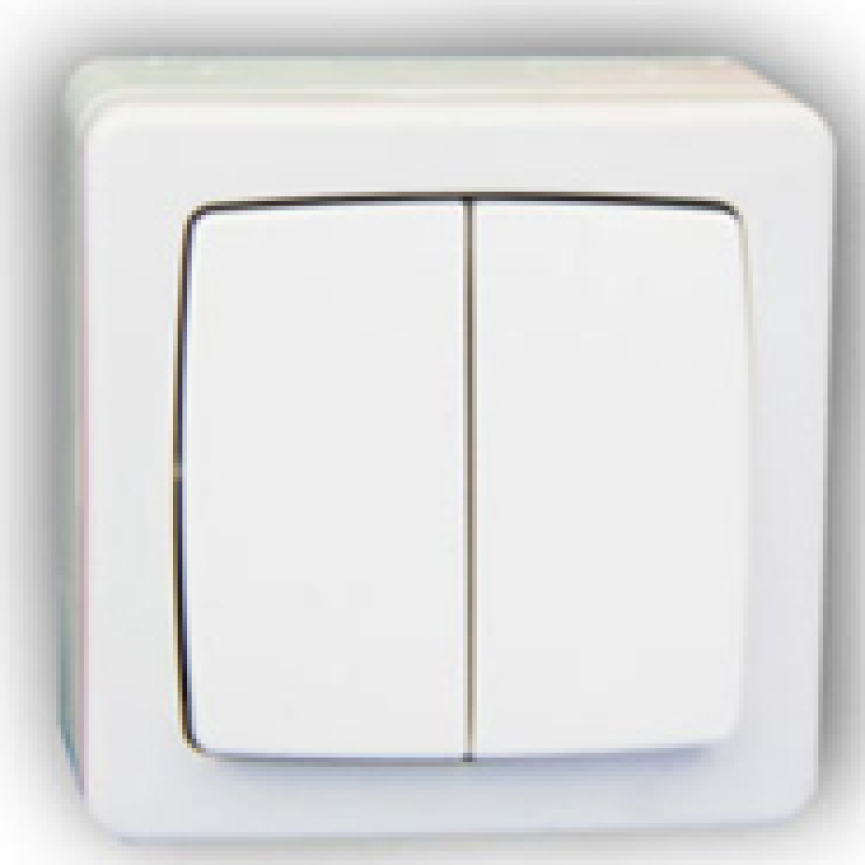
Switch
noun
A change, a device that controls a connection, or a flexible rod.
Example: The safety switch disconnects the circuit immediately when an overload is detected
fr: interrupteur
Technology
noun
the application of scientific knowledge, tools, and methods to practical ends, solve problems, and extend human capabilities.
Example: Modern automation technology improves the accuracy and speed of industrial machines.
fr: Technologie
To manufacture
verb
To make or produce goods from raw materials, usually in large quantities using machines and factories.
Example: The company manufactures sensors for automated machines.