My name is Mayla, and I am a second-year Police Technology student at Cégep de Sherbrooke. Police Technology is a program that prepares students for a career in law enforcement. Students learn about police work, criminal law, communication, intervention, investigation, and public safety. This glossary is for police students and anyone interested in policing. It contains 20 important police terms, with simple definitions from the dictionary Merriam-Webster. I chose these words because they are often used in police work and are important for understanding the duties and responsibilities of police officers. The purpose of this glossary is to help readers become familiar with police vocabulary.
arrest
verb
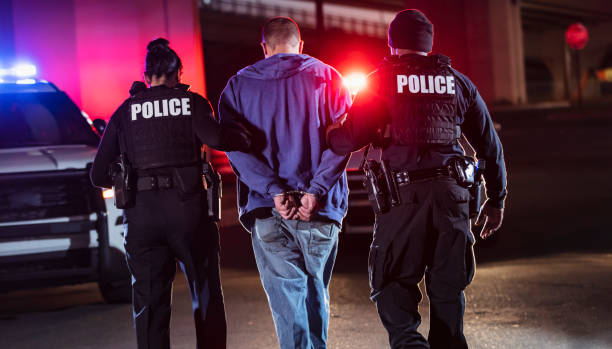
To take or keep in custody by authority of law.
Example: The police quickly arrested the suspect.
en: arrêter
convict
noun
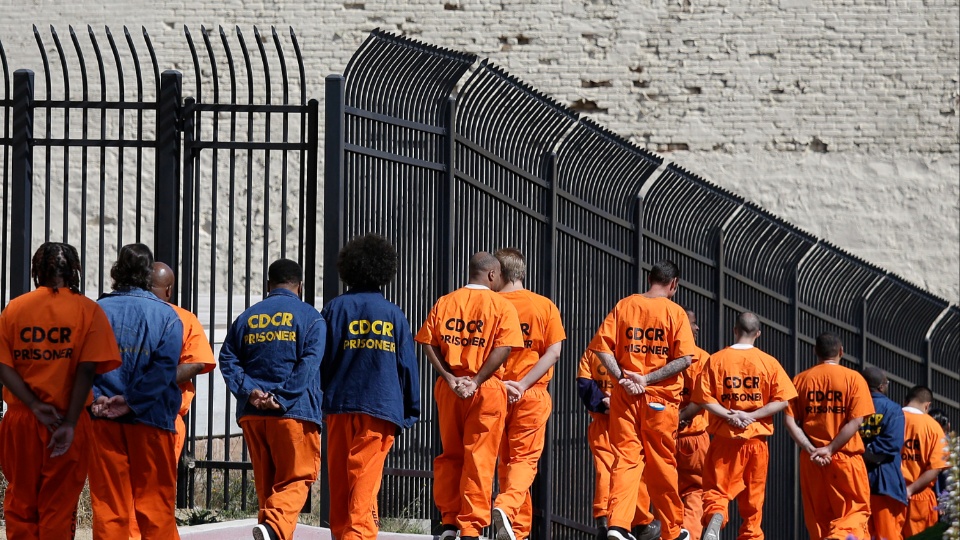
A person who has been found guilty of a crime and sent to prison.
Example: The convict was arrested by the police officer.
en: détenu
crime
noun
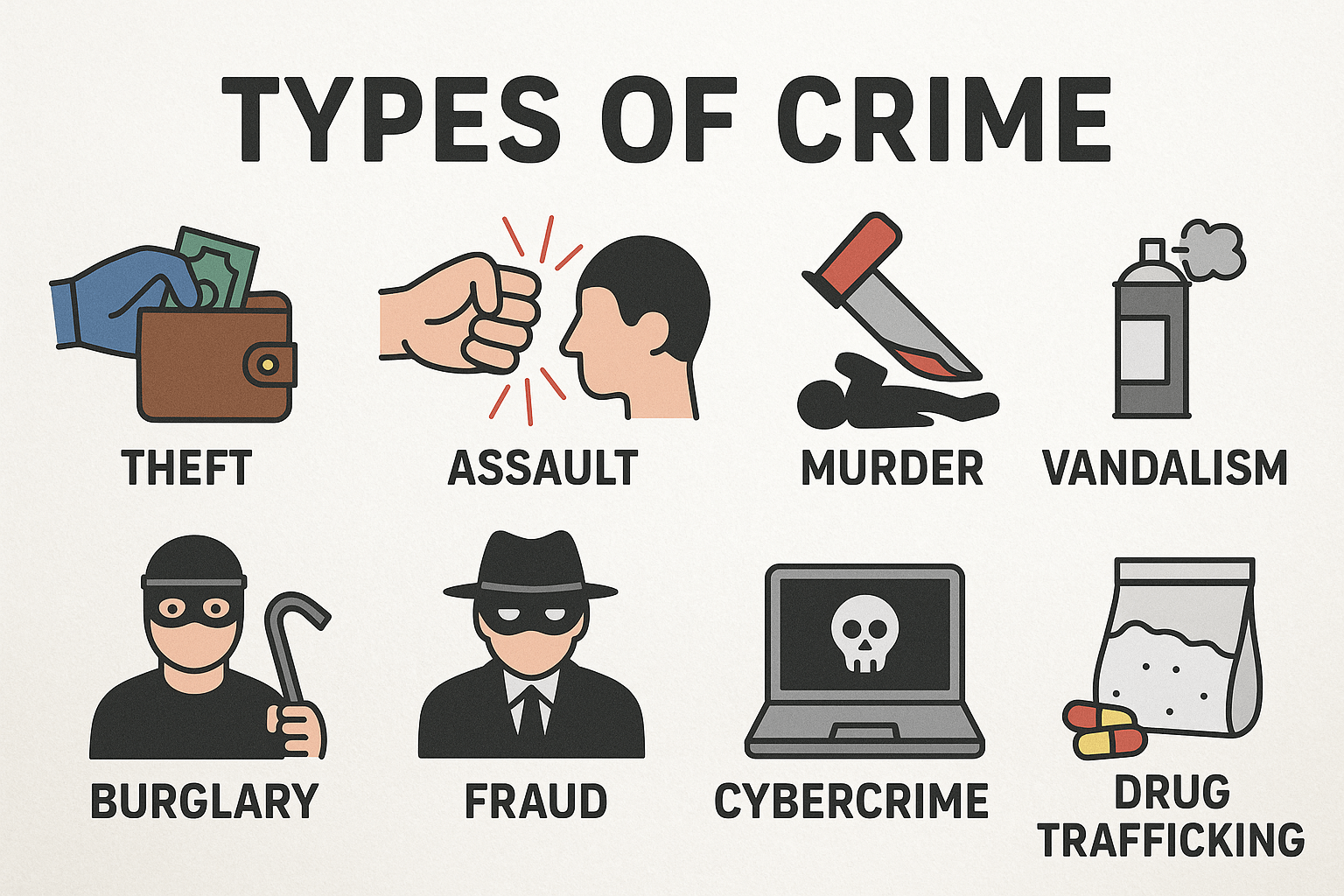
An illegal act for which someone can be punished by the government.
Example: Police officers work to prevent crime and protect the community.
en: crime
custody
noun
Immediate charge and control (as over a ward or suspect) exercised by a person or an authority.
Example: He was taken into custody on charges of theft.
en: détention
evidence
noun
Something (as testimony, a writing, or an object) submitted at a judicial or administrative proceeding for the purpose of proving a party's case.
Example: The police officer collected evidence on the crime scene.
en: preuve
felony
noun
A grave crime formerly differing from a misdemeanor under the common law by involving forfeiture in addition to any other punishment.
Example: He was convicted of felony murder.
en: infraction grave
handcuffs
noun
A metal fastening that can be locked around a wrist ans is usually connected by a chain or bar with another such fastening.
Example: The police officer put handcuffs on the suspect after the arrest.
en: menottes
incarceration
noun
Confinement in a jail or prison: the act of imprisoning someone or the state of being imprisoned.
Example: Sentenced to six months of incarceration for dealing in narcotics.
en: incarcération
investigation
noun
The action or process of investigating: detailed examination.
Example: The police officer is conducting an investigation.
en: enquête
jail
noun
A place of confinement for people held in lawful custody.
Example: He was arrested and sent to jail for his crime.
en: prison
law
noun
The whole system or set of rules made by the government of a town,state, country.
Example: The job of the police is to enforce the law.
en: loi
misdemeanor
noun
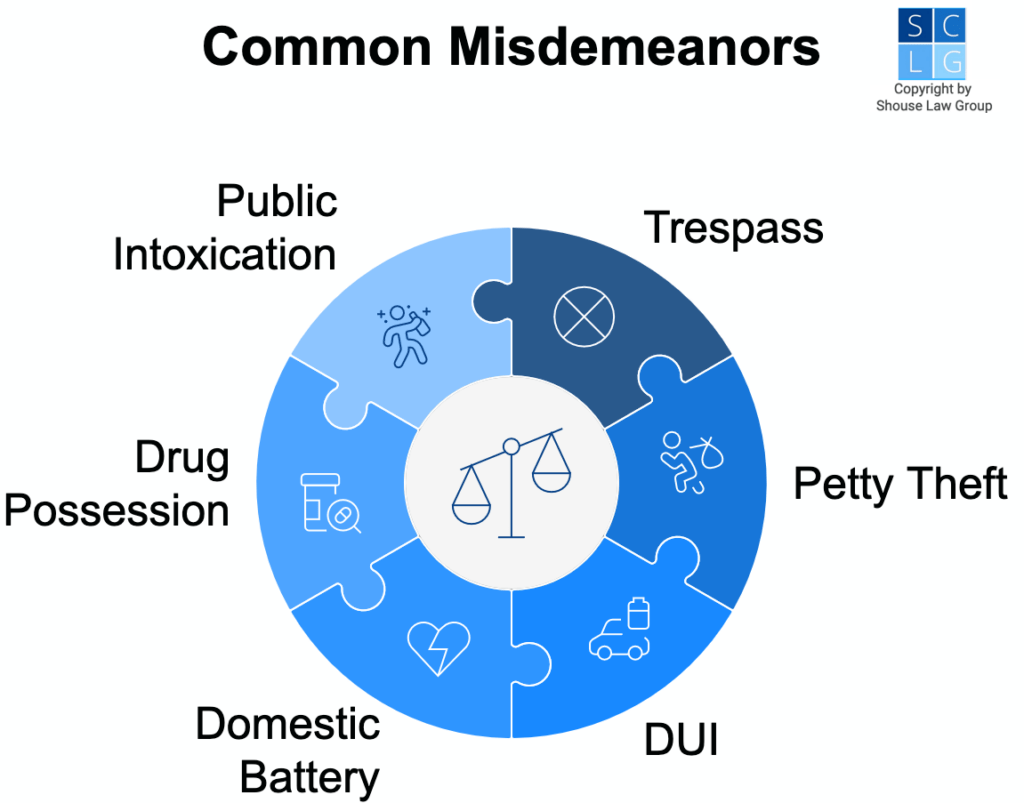
A crime less serious than a felony.
Example: The court gave him a fine for the misdemeanor.
en: délit mineur
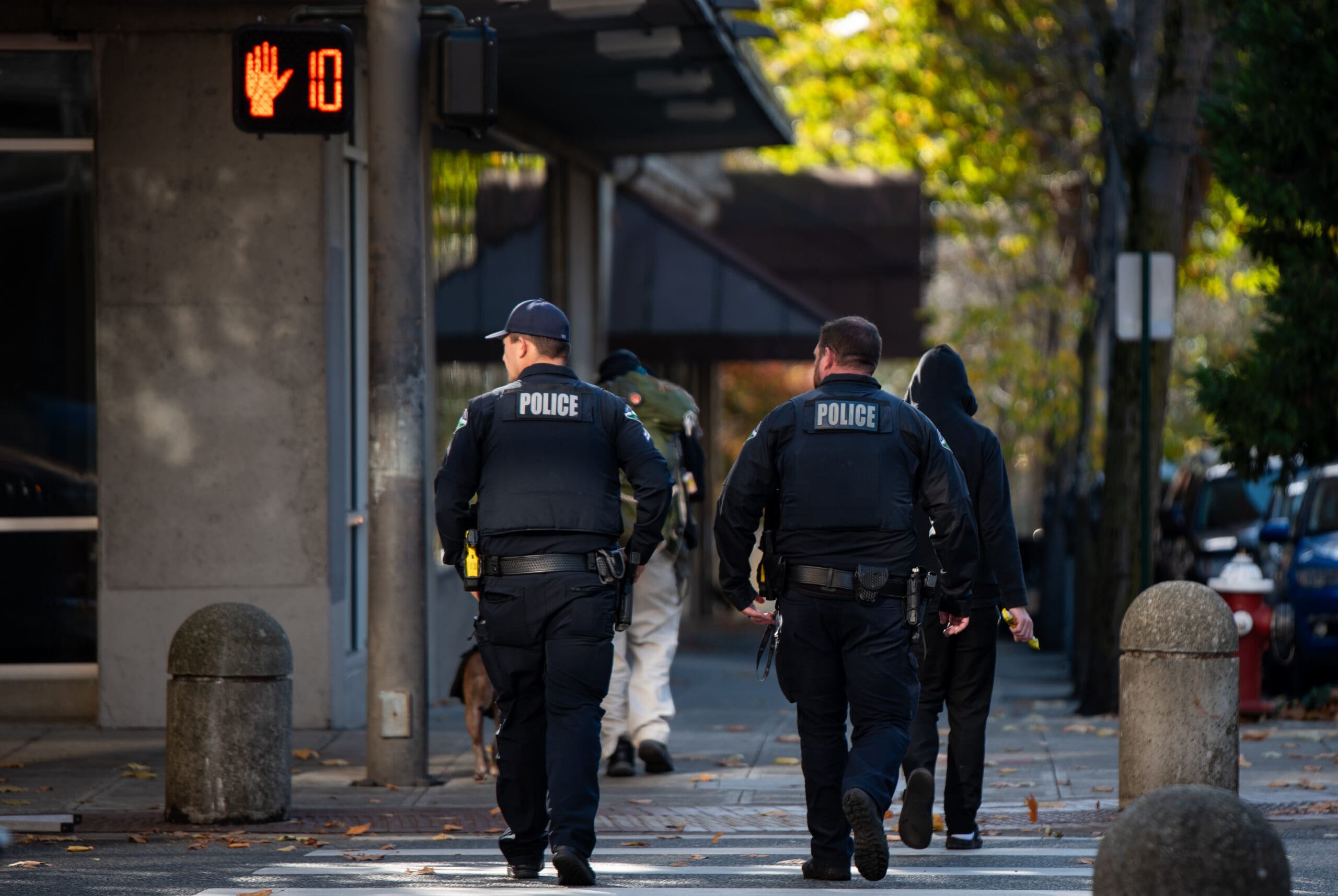
patrol
noun
The act of walking or going around or through an area, building, in order to make sure that it is safe : the act of patrolling an area.
Example: The officer was on patrol when he saw a suspicious vehicle.
en: patrouille
police officer
noun
A member of a police force.
Example: A police officer helps protect people and enforce the law.
en: policier/policière
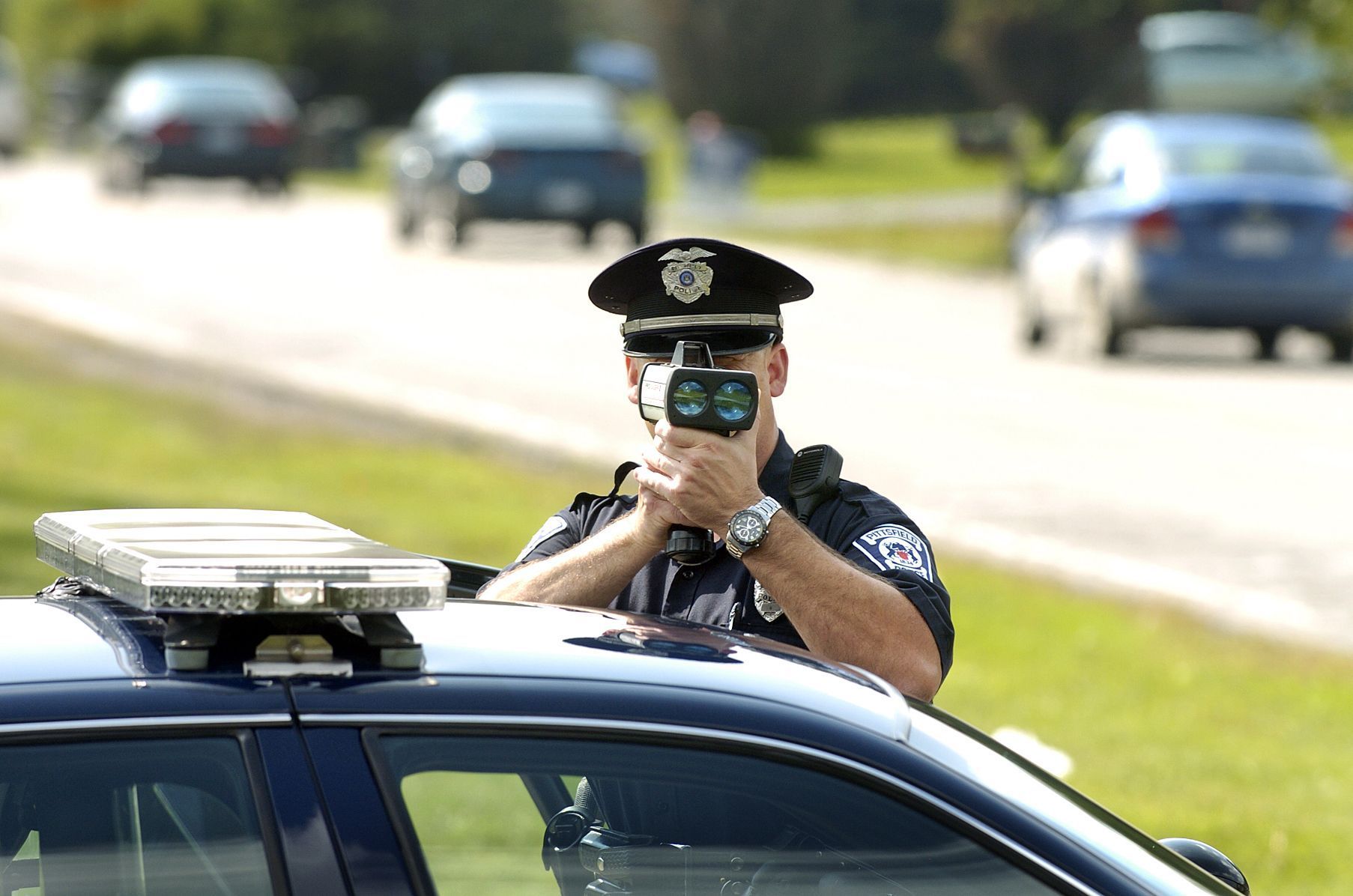
radar
noun
A device that sends out radio waves for finding out the position and speed of a moving object.
Example: The radar showed that the driver was speeding.
en: radar
rookie
noun
A person who has just started a job or activity and has little experience.
Example: The rookie officer worked with an experienced officer during his patrol.
en: débutant
uniform
adjective
A special kind of clothing that is worn by all the members of a group or organization.
Example: Police officers always have to wear a uniform while working.
en: uniforme
warrant
noun
A document issued by a court that gives the police the power to do something.
Example: The police obtained a warrant before searching the car.
en: mandat
weapon
noun
Something (such as a club, knife, or gun) used to injure, defeat, or destroy.
Example: The suspect was arrested after being found with a weapon.
en: arme
witness
noun
A person who sees something (such as a crime) happen.