This glossary was created for my English 2 course in the Health Sciences program at Ahuntsic College. Its goal is to help me understand and use important health sciences vocabulary in English. The same as the previous one, I created it to improve my language skills and support my learning in science courses at a higher academic level and my performance in a future healthcare career. However, to support the upcoming transition to university, this second glossary is more focused on terms related to the program I am attending next year, nutrition.
Antioxidants
noun
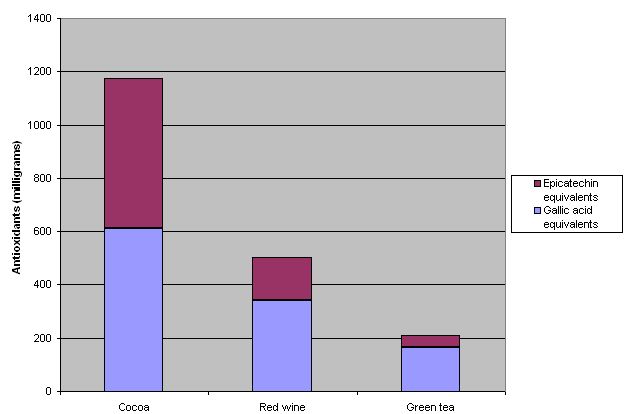
Antioxidants are natural or man-made substances that protect your body’s cells from damage caused by free radicals. . Free radicals are unstable molecules produced by normal metabolism and environmental factors; when they accumulate, they cause oxidative stress, which is linked to diseases like cancer and heart disease.
Example: In light of this, evidence suggesting the therapeutic use of free-radical scavengers, ANTIOXIDANTS, and metal-ion chelators in preventing oxidative stress and glycation is being examined.
fr: antioxydants
bioaccumulation
noun
Bioaccumulation is the gradual buildup of substances, such as pesticides or heavy metals, in the tissues of a living organism over time. It happens when an organism absorbs a contaminant from its environment or food faster than its body can break it down (metabolize) or excrete it.
Example: Generally speaking, this class of insecticides is considered safe due to the short half-lives which limits the risk of BIOACCUMULATION.
fr: bioaccumulation
bioavailability
noun
Bioavailability is the rate and proportion of a substance (such as a drug or nutrient) that successfully reaches the systemic circulation and becomes available at its intended site of physiological action.
Example: As there is a lack of research into the supplementation of these types of antioxidants and their BIOAVAILABILITY, at this stage, it would be most appropriate to develop a product naturally high in plant polyphenols.
fr: biodisponibilité
Electrolyte
noun
An electrolyte is a substance that conducts electricity when dissolved in water or melted. These substances break down into electrically charged particles called ions (cations and anions), which carry electrical currents and are essential for various chemical and physiological processes.
Example: ELECTROLYTE balance is necessary to maintain Homeostasis but can only be achieved when ELECTROLYTE gains and losses are equal.
fr: Électrolyte
Glycogen
noun
Glycogen is the primary storage form of glucose in the human body, serving as your body's backup energy reserve.
Example: GLYCOGEN stored in the liver and muscles, is broken down to glucose and can be utilised as an energy source throughout the body.
fr: Glycogène
Hyperglycemia
noun
Hyperglycemia is the medical term for high blood sugar. It occurs when the body has too little insulin or cannot use it properly, causing sugar to build up in the bloodstream. It primarily affects people with diabetes and can lead to serious complications if left untreated.
Example: Common complications associated with diabetic patients on feeds are HYPERGLYCEMIA or hypoglycaemia due to the feed being incompatible.
fr: Hyperglycémie
macronutrients
noun
Macronutrients are essential nutrients your body requires in large quantities to provide energy and maintain physiological function.
Example: Error occurs also as subjects usually "underestimate of their intake, especially the MACRONUTRIENTS - carbohydrate and protein" (Paulal. 2005), also errors may come from poor memory.
fr: macronutriments
Magnesium
noun
Magnesium (symbol Mg, atomic number 12) is a highly reactive, lightweight, silvery-white metallic element. It is an essential mineral in human nutrition, crucial for regulating muscles, nerves, blood sugar, blood pressure, and building bones, DNA, and proteins.
Example: None of the female subjects reached the guidelines for potassium and most of them did not get enough MAGNESIUM and copper from their diet.
fr: Magnésium
Metabolism
noun
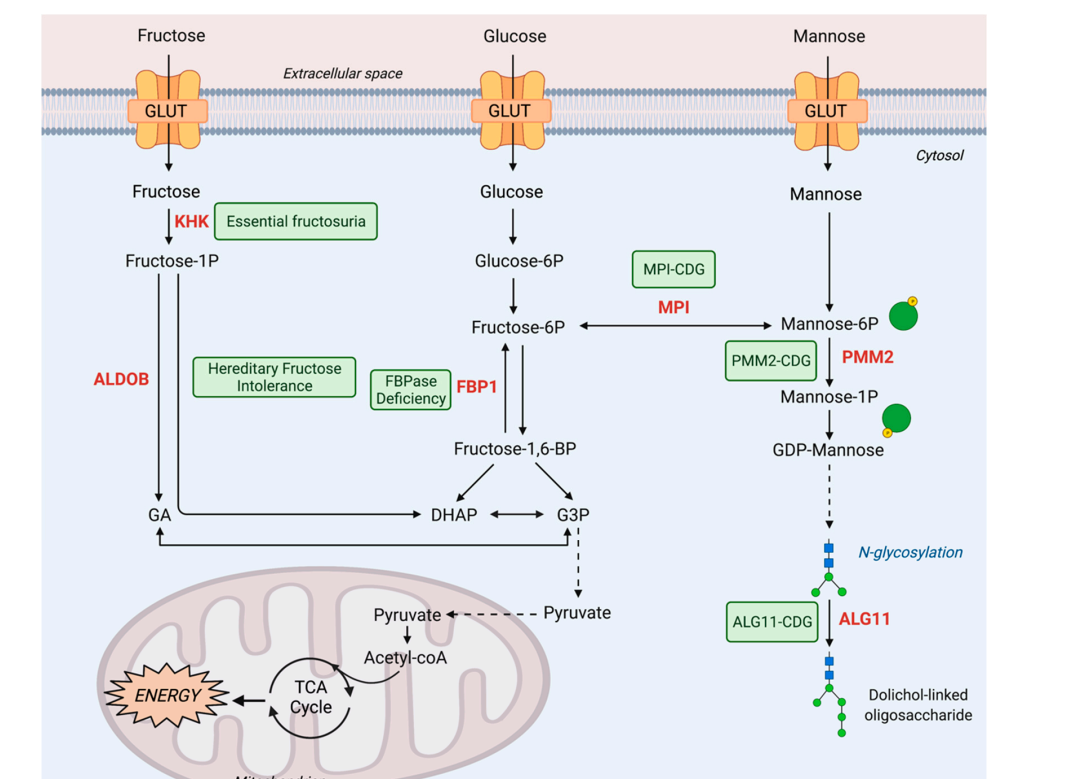
Metabolism is the set of life-sustaining chemical reactions that occur within your body to convert food and drinks into energy. It powers everything you do, from breathing and thinking to repairing cells and moving.
Example: The major role of folate is one carbon unit METABOLISM, a key process in the synthesis of the purine and pyrimidine bases of the nucleic acids.
fr: Métabolisme
micronutrients
noun
Micronutrients, commonly referred to as vitamins and minerals, are essential chemical elements and compounds that your body needs in small amounts. While they do not provide energy (calories) directly, they are critical for maintaining healthy development, immune function, and overall well-being.
Example: Concurrently, Katherine Milton (1999) suggests that using meat to supply essential amino-acids and many required MICRONUTRIENTS frees-space in the gut for (high energy i.e. USO) plant foods (p11).
fr: micronutriments
Oxidative stress
adjective + noun
Oxidative stress is an imbalance between unstable molecules called free radicals and antioxidant defenses in your body. When free radicals outnumber antioxidants, they damage cells and tissues, accelerating aging and increasing the risk of chronic conditions like heart disease, cancer, and diabetes.
Example: They therefore act to prevent free radical oxidation and associated OXIDATIVE STRESS - as mentioned above.
fr: Stress oxydatif
Probiotics
noun
Probiotics are live microorganisms—like beneficial bacteria and yeasts—that, when consumed in adequate amounts, provide health benefits to the host. Often called "good" or "friendly" bacteria, they help maintain a healthy balance of microbes in your gut microbiome, which supports digestion, immunity, and overall wellness.
Example: Acidification controls the growth of unwanted bacteria including some pathogenic ones and some starter bacteria also produce PROBIOTICS thus inhibiting the growth of non-starter microorganisms.
fr: Probiotiques
Satiety
noun
Satiety is the physical and psychological feeling of fullness and satisfaction after eating, which suppresses hunger and keeps you from wanting to eat again right away.
Example: This explains how leptin controls weight by causing feelings of hunger and SATIETY.
fr: Satiété
Starch
noun
Starch is a complex carbohydrate (polysaccharide) made up of chains of glucose molecules. It is the primary way green plants store energy. For humans, starchy foods—such as potatoes, rice, wheat, and corn—are a major source of dietary energy and nutrition.
Example: Many young fruits, like apple, pear, tomato, citrus fruits, and banana contain STARCH.
fr: Amidon
Thermogenesis
noun
Thermogenesis is the biological process by which organisms generate heat. It primarily functions to maintain stable core body temperatures in cold environments and is a key factor in human energy expenditure.
Example: My total energy expenditure will be my BMR, dietary induced THERMOGENESIS, and the total amount of energy that I use in physical activity (DEPARTMENT OF HEALTH, 1991).