This is a multimedia glossary containing more than 15 specific terms related to my field of study, political science.
Autocracy
noun
Autocracy is a system of government where supreme power and decision-making authority are concentrated in the hands of one person (a dictator or absolute monarch) or a small elite group.
fr: Autocratie
Confederation
noun
A confederation is a political union, alliance, or league of sovereign states or organizations that join together for common purposes, such as defense, foreign relations, or trade
fr: confédération
Egalitarianism
noun
Egalitarianism is a school of thought within political philosophy that holds all human beings are fundamentally equal in worth, advocating for equal rights, status, and opportunities.
fr: Égalitarisme
Fiscal policy
noun
Fiscal policy is the use of government spending and taxation to influence a nation’s economy, particularly macroeconomic conditions like employment, inflation, and economic growth.
fr: Politique budgétaire
Libertarianism
noun
Libertarianism is a political philosophy that prioritizes individual liberty, free markets, and minimal government intervention.
fr: libertarianisme
Marginal analysis
noun
Marginal analysis is an economic decision-making tool that examines the additional (marginal) benefits of an activity compared to its additional costs.
fr: L'analyse marginale
Nationalism
noun
Nationalism is an ideology and movement holding that the nation, a group sharing common culture, language, or history, should be aligned with a sovereign state to promote its collective interests above others.
fr: nationalisme
Oligarchy
noun
An oligarchy is a form of government or power structure where control rests with a small, elite group of people, often defined by wealth, family, military control, or religious status.
fr: Oligarchie
Populism
noun
Populism is a "thin-centered ideology" or political approach that divides society into two antagonistic camps: "the pure people" versus "the corrupt elite," claiming to represent the unified will of ordinary citizens.
fr: Populisme
Protectionism
noun
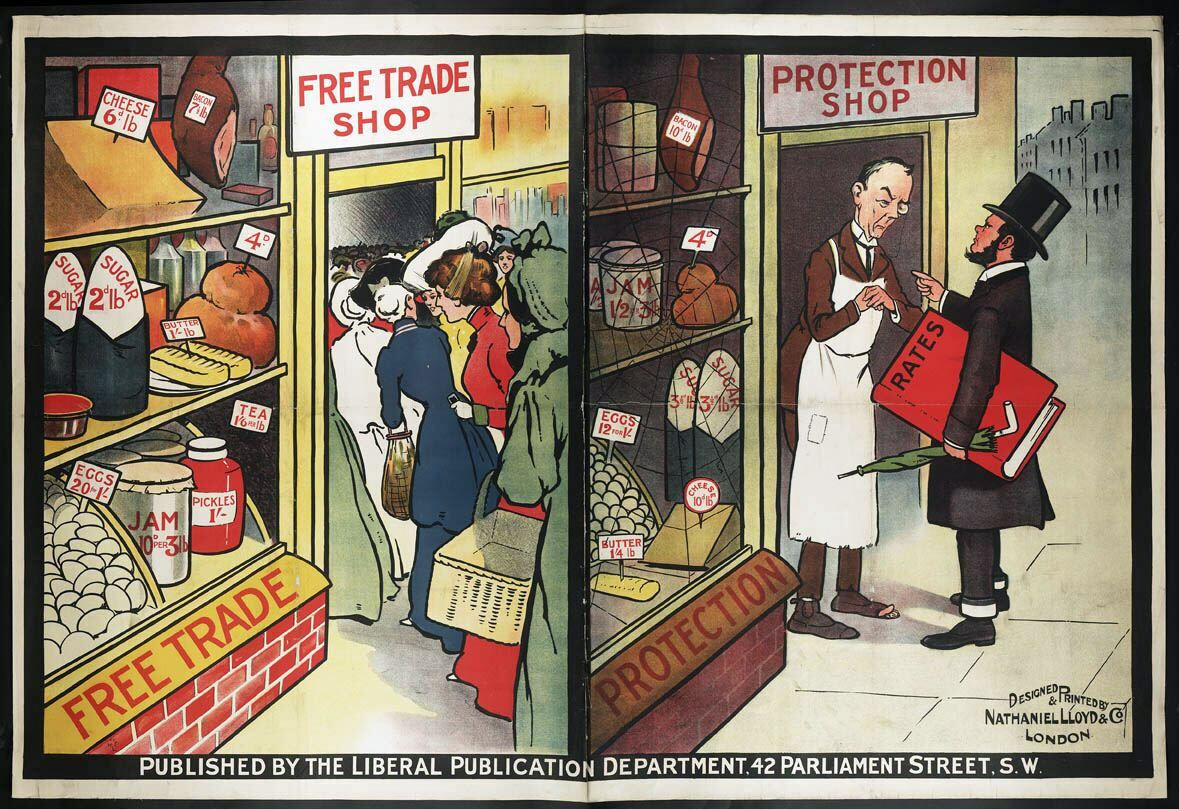
Protectionism is an economic policy restricting imports through tariffs, quotas, and regulations to shield domestic industries from foreign competition
fr: Protectionnisme
Sequestration
noun
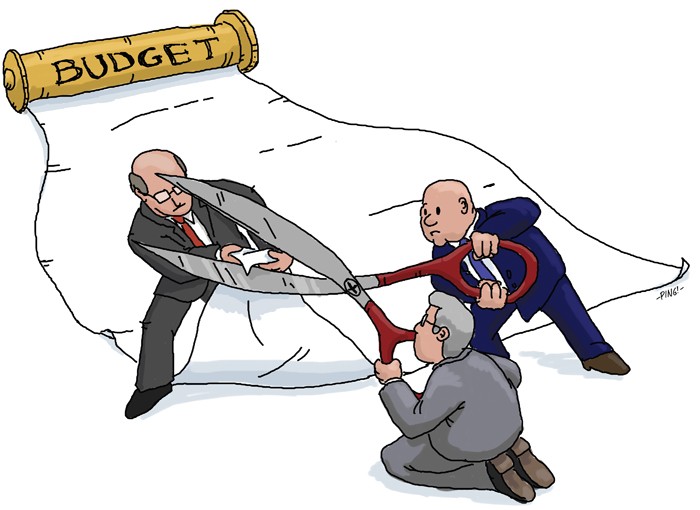
Sequestration refers to automatic, across-the-board budget cuts to federal spending, acting as a "meat cleaver" approach to deficit reduction rather than targeted cuts.
fr: Séquestration
Stare decisis
noun
Stare decisis is a Latin term meaning "to stand by things decided," referring to the legal doctrine where courts adhere to precedent or previous rulings on similar cases, to ensure consistency, predictability, and stability in the law.
fr: Règle du précédent
Theocracy
noun
A theocracy is a form of government where a deity is recognized as the supreme ruling authority, with daily affairs managed by officials, often clergy, believed to be divinely guided.
fr: Théocratie
Totalitarianism
noun
Totalitarianism is a form of government that exerts absolute, unchecked control over both public and private life, outlawing political opposition and suppressing individual freedom.
fr: Totalitarisme
Utility
noun
Utility in economics measures the satisfaction, benefit, or value a consumer derives from consuming goods or services.




:max_bytes(150000):strip_icc()/Marginal-analysis_final-f9a1ee0a66434f409faed9388f00a5d9.png)


:max_bytes(150000):strip_icc()/stare_decisis.asp_final-6d4689880426446e9178372281e95a49.png)


:max_bytes(150000):strip_icc()/TermDefinitions_Utility-e42a7528caa347f9b1af149065ab2b9d.jpg)