Glossary for the first glossary assignment, biotechnologies terms will be mentioned in here.
anatomy
noun
The bodily structure of a plant or an animal or of any of its parts.; The science of the shape and structure of organisms and their parts.
Example: They dissected the fore and hind legs in one cat of each type to study the anatomy of each.
en: Anatomie
biotechnology
noun
The use of living organisms or biological processes for the purpose of developing useful agricultural, industrial, or medical products, especially by means of techniques, such as genetic engineering, that involve the modification of genes.
Example: Together, these three provinces account for over 70% of all innovative biotechnology firms in Canada.
en: Biotechnologie
chlorophyll
noun
The green pigment of plants and photosynthetic algae and bacteria that traps the energy of sunlight for photosynthesis and exists in several forms.
Example: Chlorophyll, for example, is a very strong absorber of red wavelengths.
en: Chlorophylle
ecosystem
noun
A system involving the interactions between a community of living organisms in a particular area and its nonliving environment.
Example: The introduction of this species had a collateral effect on nearby ecosystems.
en: Écosystème
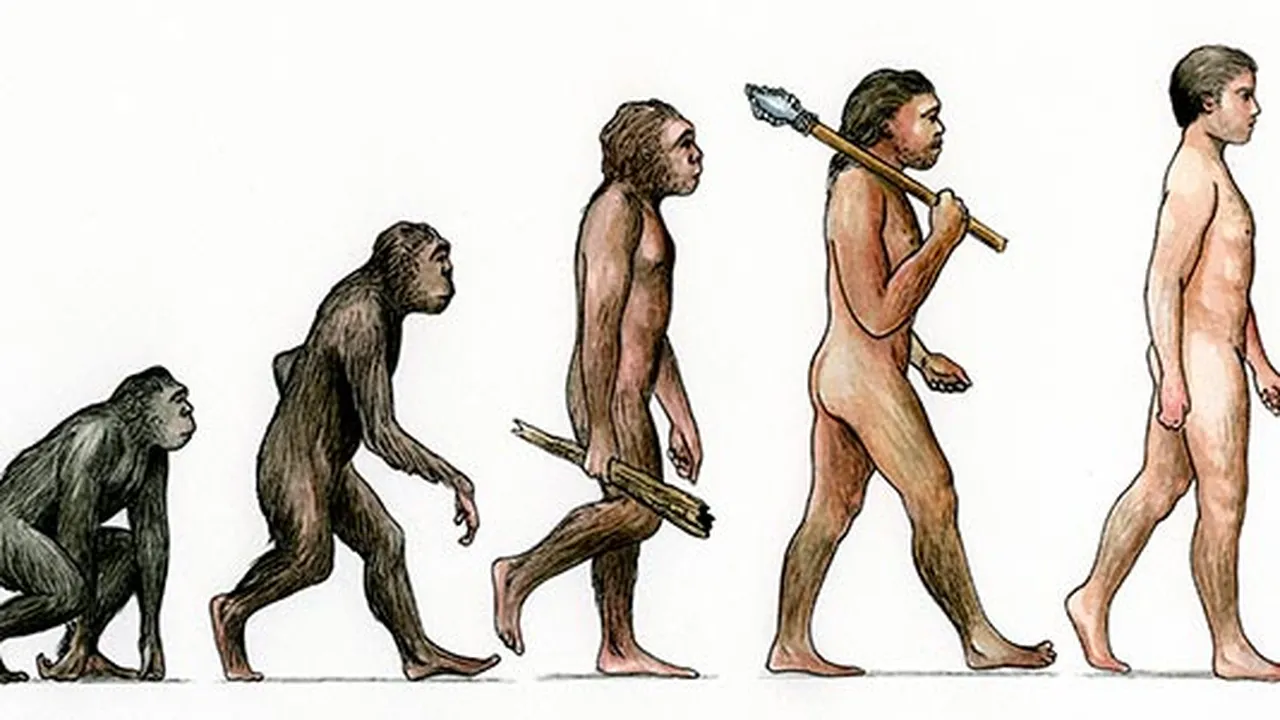
evolution
noun
A gradual change in the characteristics of a population of animals or plants over successive generations: accounts for the origin of existing species from ancestors unlike them.
Example: Information on the evolution of the new virus should be shared.
en: Évolution
fauna
noun
All the animal life of a given place or time, especially when distinguished from the plant life (flora).
Example: The fauna of the region includes many rare birds.
en: Faune
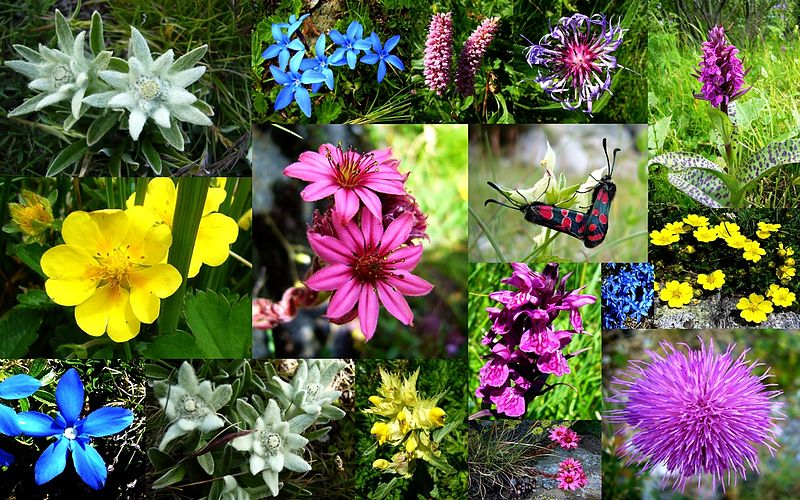
flora
noun
All the plant life of a given place or time.; A descriptive list of such plants, often including a key for identification.
Example: The very flora and fauna that were being protected were being destroyed by the grey seals.
en: Flore
fungus
noun
any of a group of spore-producing organisms feeding on organic matter, or the fruiting body of such an organism, e.g. a mushroom.
Example: This is typical of fungal patches: the drug kills the fungus itself, but the lesion disappears together with regrowth of healthy skin.
en: Mycète
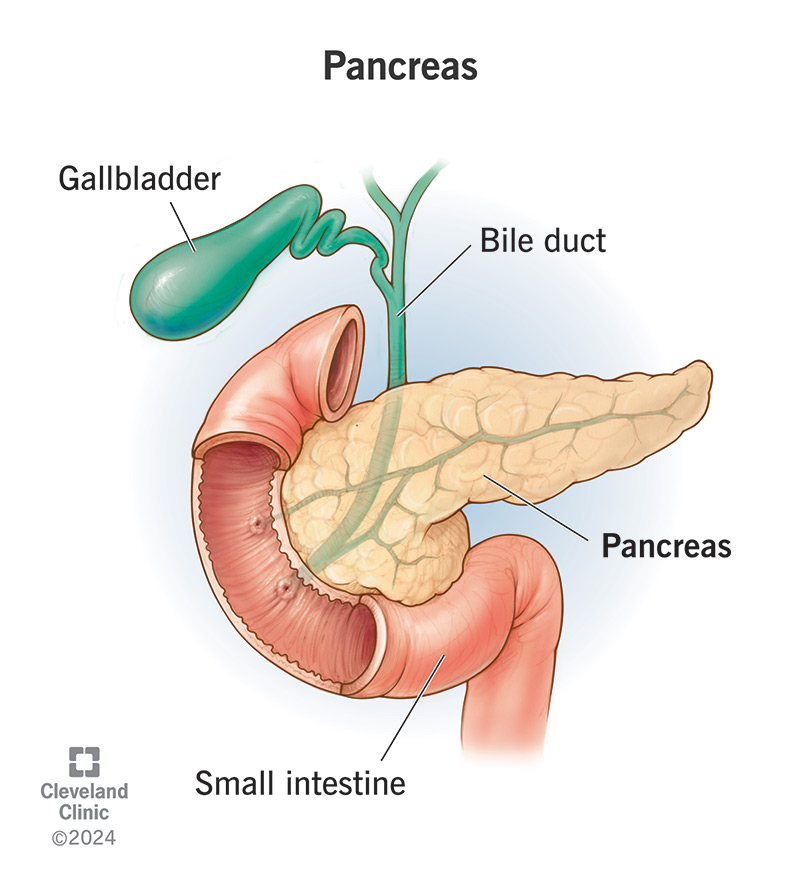
pancreas
noun
A long, irregularly shaped gland in vertebrates, lying behind the stomach, that secretes pancreatic juice into the duodenum and insulin, glucagon, and somatostatin into the bloodstream.
Example: Insulin is a hormone that is made in the pancreas.
en: Pancréas
Pathogen
noun
A pathogen is a microorganism—such as bacteria, viruses, fungi, or parasites—that causes disease in its host, which can be humans, animals, or plants.
Example: It appears that restricting imports to potatoes originating in 'pest-free areas' is effective to prevent the introduction of this pathogen.
en: Pathogène
pharmacist
noun
A person qualified to prepare and dispense drugs.
Example: If you suspect you have had a serious or unexpected reaction to this vaccine, you should contact your physician or pharmacist
en: Pharmacien
Tissue
noun
any of the distinct types of material of which animals or plants are made, consisting of specialized cells and their products.
Example: Connective tissue is made up of different types of cells.
en: Tissu
vaccine
noun
a substance used to stimulate immunity to a particular infectious disease or pathogen, typically prepared from an inactivated or weakened form of the causative agent or from its constituents or products.
Example: A vaccine is not effective when the disease is at an advanced stage.
en: Vaccin
Vein
noun
Any of the membranous tubes that form a branching system and carry blood to the heart from the cells, tissues, and organs of the body.
Example: Per minute the heart pumps about six liters of blood through your veins.
en: veine
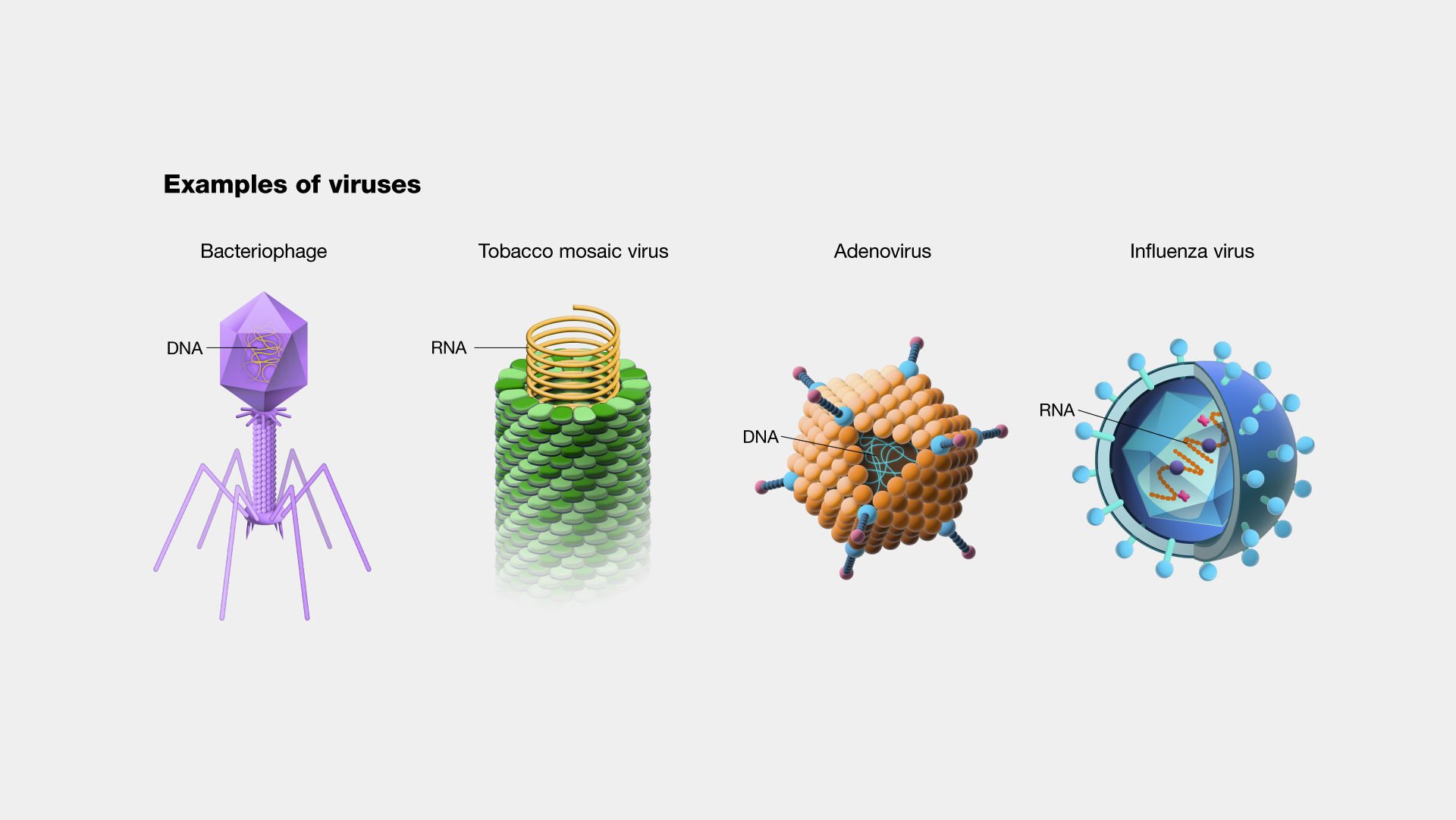
virus
noun
an infective agent that typically consists of a nucleic acid molecule in a protein coat, is too small to be seen by light microscopy, and is able to multiply only within the living cells of a host.