If you have trouble understanding Pre-Hospital Care or medical terminologies, this glossary will help. The following glossary will also help you improve your communication skills and define specialized terms clearly. I used Principes de physiopathologie en soins préhospitaliers d’urgence to help me find the vocabulary and google to find the definitions. Understanding the real meaning of these words will help you understand the Pre-Hospital Emergency Care world a little bit better.
ambulance
noun
A vehicle specially equipped for taking sick or injured people to and from the hospital, especially in emergencies.
Example: Max had called an AMBULANCE and brought Joseph to A&E to have his wound tended to.
fr: ambulance
blunt trauma
noun phrase
Blunt trauma (or blunt force trauma) is a physical injury caused by a non-penetrating impact, such as a blow, fall, or collision, where an object strikes the body without piercing the skin.
Example: This is invariably caused by BLUNT TRAUMA, the application of force to the injured site.
fr: traumatisme contondant
cardiopulmonary resuscitation (CPR)
noun
Cardiopulmonary resuscitation (CPR) is an emergency, life-saving technique used when a person's heart stops beating or they stop breathing. It combines chest compressions to mimic the heart's pumping action with rescue breaths to keep oxygenated blood flowing to the brain and vital organs until medical help arrives.
Example: First responders were able to get the driver out of the seat and began cardiopulmonary resuscitation, the sheriff’s office said.
fr: réanimation cardiopulmonaire (RCP)
defibrillator
noun
A defibrillator is a life-saving medical device that delivers an electrical shock to the heart to correct life-threatening, irregular rhythms (arrhythmias) or stop ventricular fibrillation. It restores normal heart function by resetting the electrical activity, commonly used in emergency care for cardiac arrest.
Example: The implantable cardioverter DEFIBRILLATOR has become the standard therapy for protecting patients against sudden cardiac death.
fr: défibrillateur
diaphoresis
noun
Diaphoresis is the medical term for excessive, often full-body sweating that is not directly caused by heat or exercise, usually indicating an underlying condition like fever, infection, hormonal shifts (menopause), or medication side effects.
Example: Diaphoresis was noted during the physical examination.
fr: diaphorèse
electrocardiogram
noun
An electrocardiogram (ECG or EKG) is a quick, safe, and non-invasive test that records the electrical activity of the heart using electrodes placed on the skin. It translates these signals into a graph, helping doctors evaluate heart rate, rhythm, and potential damage to identify conditions like heart attacks or arrhythmias.
Example: Such a diagnosis can be confirmed from ELECTROCARDIOGRAM tracings and levels of cardiac enzymes such as troponin T.
fr: électrocardiogramme
epinephrine
noun
Epinephrine, also known as adrenaline, is a hormone and neurotransmitter produced by the body’s adrenal glands, and a crucial medication used to treat life-threatening conditions like anaphylaxis (severe allergies), cardiac arrest, and severe asthma. As a medication, it acts instantly to increase blood pressure, relax airway muscles, and reduce swelling.
Example: Glucagon and EPINEPHRINE trigger the breakdown of glycogen in the cytosol of liver and skeletal muscle cells.
fr: épinéphrine
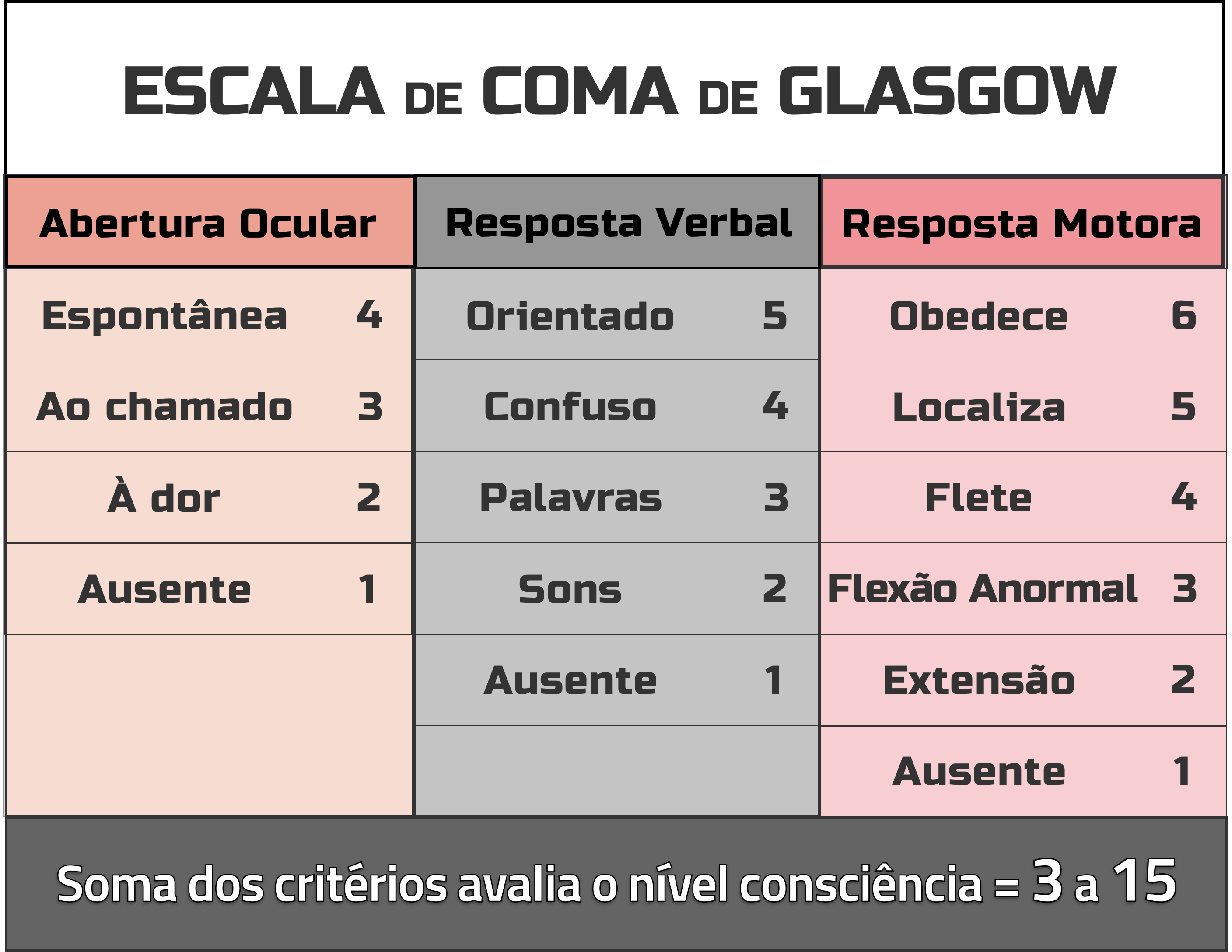
glasgow coma scale
noun phrase
The Glasgow Coma Scale (GCS) is a clinical tool used to objectively quantify a patient's level of consciousness, commonly for acute brain injury, ranging from 3 (deep coma) to 15 (fully awake).
Example: Level of confusion, disorientation and consciousness should be regularly assessed with GLASGOW COMA SCALE.
fr: échelle de coma de Glasgow
hyperglycemia
noun
Hyperglycemia, or high blood sugar, occurs when there is too much sugar (glucose) in the blood, typically exceeding 11 mmol/L or 200 mg/dL, often due to insufficient insulin.
Example: Common complications associated with diabetic patients on feeds are HYPERGLYCEMIA or hypoglycaemia due to the feed being incompatible.
fr: hyperglycémie
hypoperfusion
noun
Hypoperfusion is a medical term for reduced or decreased blood flow to an organ, tissue, or the entire body, leading to insufficient oxygen delivery.
Example: The patient is showing signs of hypoperfusion, such as pale skin and rapid heart rate, indicating a state of shock.
fr: hypoperfusion
intubation
noun
Intubation is a critical medical procedure where a healthcare provider inserts a plastic tube (endotracheal tube) through the mouth or nose into the trachea (windpipe) to maintain an open airway and deliver oxygen.
Example: Upon arrival at the A+E department, rapid sequence induction was administered in order to allow INTUBATION and ventilation.
fr: intubation
myocardial infarction
noun
A myocardial infarction (MI), commonly known as a heart attack, is a medical emergency occurring when blood flow to a part of the heart is severely reduced or blocked, usually by a blood clot. This lack of oxygen causes the affected heart muscle tissue to die (infarction). Symptoms include severe chest pain, shortness of breath, and sweating.
Example: During a heart attack, otherwise known as a myocardial infarction, blood flow to the heart is blocked, causing the heart muscle to begin to die from lack of oxygen.
fr: infarctus du myocarde
nephropathy
noun
Nephropathy is a general medical term for damage, disease, or dysfunction of the kidneys, often leading to reduced function and potentially kidney failure.
Example: Diabetic NEPHROPATHY is the leading cause of complete kidney failure, with approximately 8% of diabetics in the UK receiving treatment for kidney disease (Diabetes UK, 2001).
fr: néphropathie
pulse oximetry
noun
Pulse oximetry is a noninvasive, painless, and rapid test used to measure the percentage of oxygen saturation in the blood (known as
Example: The oxygen dose prescribed in severe acute asthma attacks should therefore be variable and based on achieving and maintaining an spO2 of 92% adults and 95% children using PULSE OXIMETRY [3].
fr: saturométrie
spinal motion restricition
noun phrase
Spinal motion restriction (SMR) is a prehospital care technique used by emergency responders to minimize movement of a trauma patient’s head, neck, and spine to protect against potential spinal cord injury.
Example: The EMT’s quickly applied a cervical collar and secured the patient to the stretcher to ensure proper spinal motion restriction during transport.
fr: restriction de mouvement de la colonne vertébrale
stethoscope
noun
A medical instrument for listening to the action of someone's heart or breathing, typically having a small disk-shaped resonator that is placed against the chest, and two tubes connected to earpieces.
Example: During the health class, we learned how a stethoscope can help identify breathing problems.
fr: stéthoscope
stretcher
noun
A framework of two poles with a long piece of canvas slung between them, used for carrying sick, injured, or dead people.
Example: The paramedics quicly placed the injured person on the stretcher to transport him to the hospital.
fr: civière
syringe
noun
A tube with a nozzle and piston or bulb for sucking in and ejecting liquid in a thin stream, used for cleaning wounds or body cavities, or fitted with a hollow needle for injecting or withdrawing fluids.
Example: To utilise the gas chromatograph a sample of 1L was taken of each mixture, to do this the sample was taken by SYRINGE plunger, the SYRINGE was filled with the sample mixture 3 times before a sample was injected (to ensure an uncontaminated sample).
fr: seringue
ventilation
noun
The supply of air to the lungs, especially by means of a machine or device used to support or replace the breathing of a person who is ill, injured, or anesthetized.
Example: Acute areas affected by VENTILATION perfusion inequality can be counteracted by hypoxic pulmonary vasoconstriction, directing blood flow to areas of the lung with increased VENTILATION.
fr: ventilation
ventricular tachycardia
noun
Ventricular tachycardia (VT) is a serious, fast heart rhythm (>100 beats per minute) starting in the heart’s lower chambers (ventricles). Caused by faulty electrical signals, it prevents the heart from filling properly, limiting blood flow to the body. Sustained VT is a medical emergency that can lead to sudden cardiac arrest.
Example: Arrhythmogenic right ventricular dysplasia (ARVD) - A rare form of cardiomyopathy, which can cause VENTRICULAR TACHYCARDIA and can be the presenting feature.