7 Here I will give you a brief explanation of what my program is (Analytical Chemistry and my future job) terms
Analytical chemistry is the branch of chemistry that identifies and quantifies the components of a substance; that is, it determines which substances are present and in what quantity. It uses various techniques to analyze samples with precision and reliability.
Forensic chemistry applies this knowledge to the legal field, analyzing evidence such as drugs, toxins, or residues found at crime scenes. Its objective is to provide scientific evidence that helps clarify the facts and support the administration of justice.
Chain of custody
Noun
Procedure that guarantees the control and proper recording of forensic evidence.
Example: The chain of custody is essential in a criminal investigation.
fr: Chaîne de contrôle
Chromatography
Noun
Separation technique used to identify components of a mixture.
Example: Chromatography allowed the identification of different compounds in the sample.
fr: Chromatographie
Pollution
Noun
Unwanted presence of substances that may alter the results.
Example: Contamination of the sample affected the final analysis.
fr: Pollution
Qualitative analysis
Noun
Method that identifies which substances are present in a sample.
Example: Qualitative analysis confirmed the presence of alcohol in the evidence.
fr: Analyse qualitative
Quantitative analysis
Noun
Technique that determines the exact amount of a substance in a sample.
Example: Quantitative analysis revealed a high concentration of a toxin.
fr: Analyse quantitative
Reagent
Noun
Chemical substance that produces a reaction to obtain analytical results.
Example: The reagent changed color upon contact with the substance.
fr: réactif
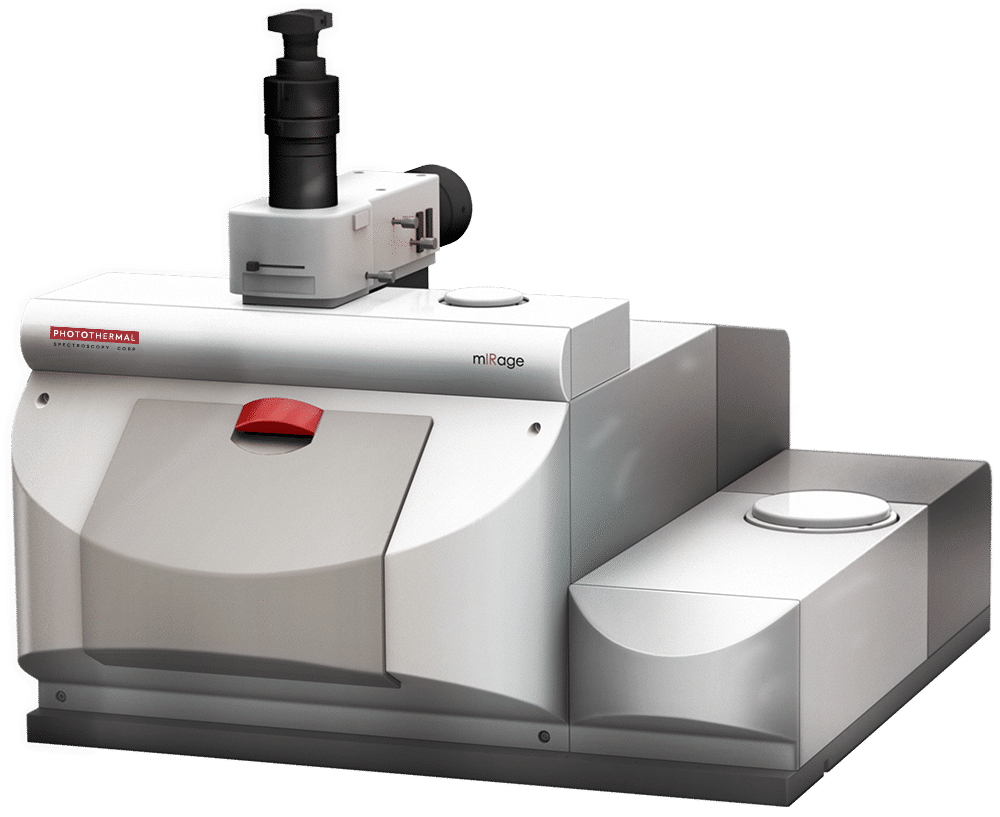
Spectroscopy
Noun
Method that analyzes the interaction between light and matter to identify substances.
Example: Spectroscopy helped detect traces of the drug.