My name is Justine Frigon, and l have been studying in Natural Science since last year.This biology glossary can help biologist communicate and understanding the correct terms related to their Job and field specialty.
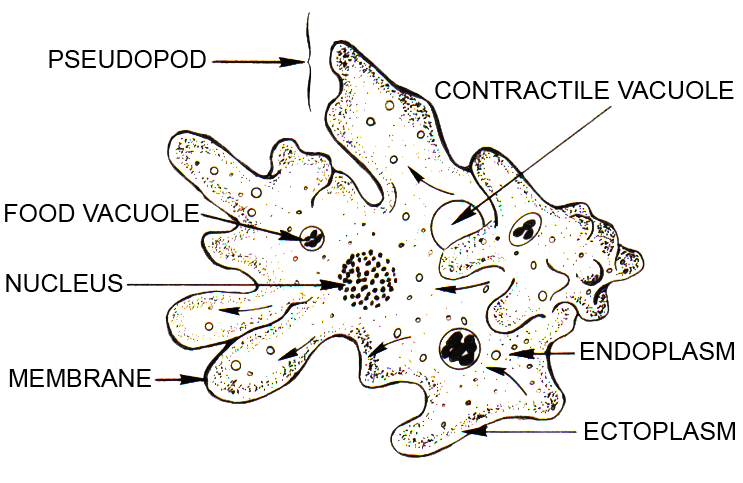
amoeba
noun
single-celled animal that catches food and moves about by extending fingers like projections of protoplasm. Amoebas are either free-living in damp environments or parasitic.
Example: These large numbers of dots turned out to be bacteria, which were killing off most of the AMOEBA.
en: amibe
bacteria
noun
single-celled, prokaryotic microorganisms found nearly everywhere on Earth, including inside the human body
Example: Ribosomal RNA gene sequencing and phylogeny techniques can be used to show that mitochondria and chloroplasts are highly related ancestors of specific BACTERIA.
en: Bactérie
biodiversity
noun
the immense variety of all living things on Earth, encompassing the diversity of species (plants, animals, microorganisms), genetic variation within those species, and the complex ecosystems they form
Example: Impact lists include impacts on ecosystems, habitats, species and communities important to BIODIVERSITY.
en: biodiversité
biotechnology
noun
the use of living systems, organisms, or biological components to develop products, improve plants and animals, or modify microorganisms for specific, useful purposes
Example: His writing are focused on BIOTECHNOLOGY, intellectual property rights and food trade as causes of poverty.
en: biotechnologie
cell
noun
the smallest structural and functional unit of an organism, typically microscopic and consisting of cytoplasm and a nucleus enclosed in a membrane.
Example: The ancestral host CELL simply engulfed the mitochondrion ancestor, did not fully ingest it, and an even more successful CELL resulted.
en: cellule
climate
noun
the weather conditions prevailing in an area in general or over a long period.
Example: This sudden change in CLIMATE resulted in weather anomalies such as flooding and droughts.
en: climat
disease
noun
an abnormal condition that negatively affects the structure or function of all or part of an organism, typically characterized by specific signs and symptoms
Example: Every enteric DISEASE will have initially been caused by bacteria, fungi or virus invading a calf's body in one of these ways.
en: maladie
dna
noun
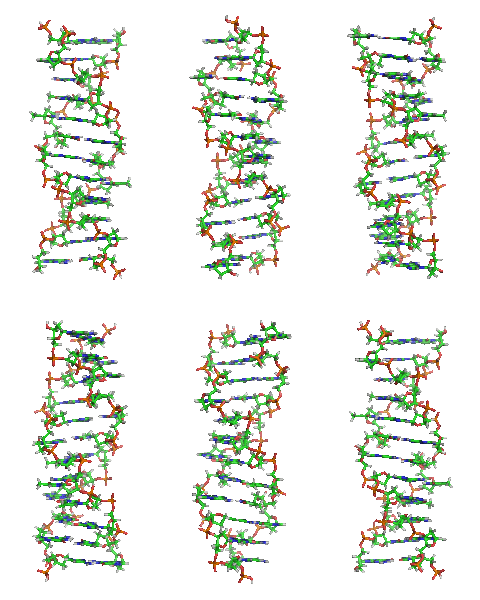
the molecule that carries genetic instructions for the development, functioning, growth, and reproduction of all known living organisms
Example: More recently non-coding regions or introns that have remarkable homology to bacterial DNA have been found in nuclear DNA as so called 'junk DNA'.
en: ADN
ecology
noun
the scientific study of how living organisms (biotic factors) interact with each other and their non-living surroundings
Example: Functions The services provided by the Institute are divided into four areas: Training workshops, Conferences, Publications, Provision of opinion for ECOLOGY ad environmental management through consultation (IEEM a, 2006).
en: écologie
environments
noun
the surroundings or conditions in which a person, animal, or plant lives or operates.
Example: Because of the high activity of PEP carboxylase, C 4 plants can reduce the stomatal size reducing water loss without reducing the CO 2 fixation rate, which is important in their ENVIRONMENTS.
en: environement
Escherichia coli
noun
a type of bacteria commonly found in the intestines of humans and warm-blooded animals
Example: Molecular Mechanisms of Recombination ESCHERICHIA COLI is one of the most intensively studied organisms by man, for this reason a great deal is known about its mechanisms of genetic recombination.
en: Escherichia coli
evolution
noun
the gradual development of something, especially from a simple to a more complex form.
Example: He claims for instance that "nature itself - or at least, 'the biological world' - is the product of human cognitive EVOLUTION" (Ellen 1996 p106).
en: évolution
fungi
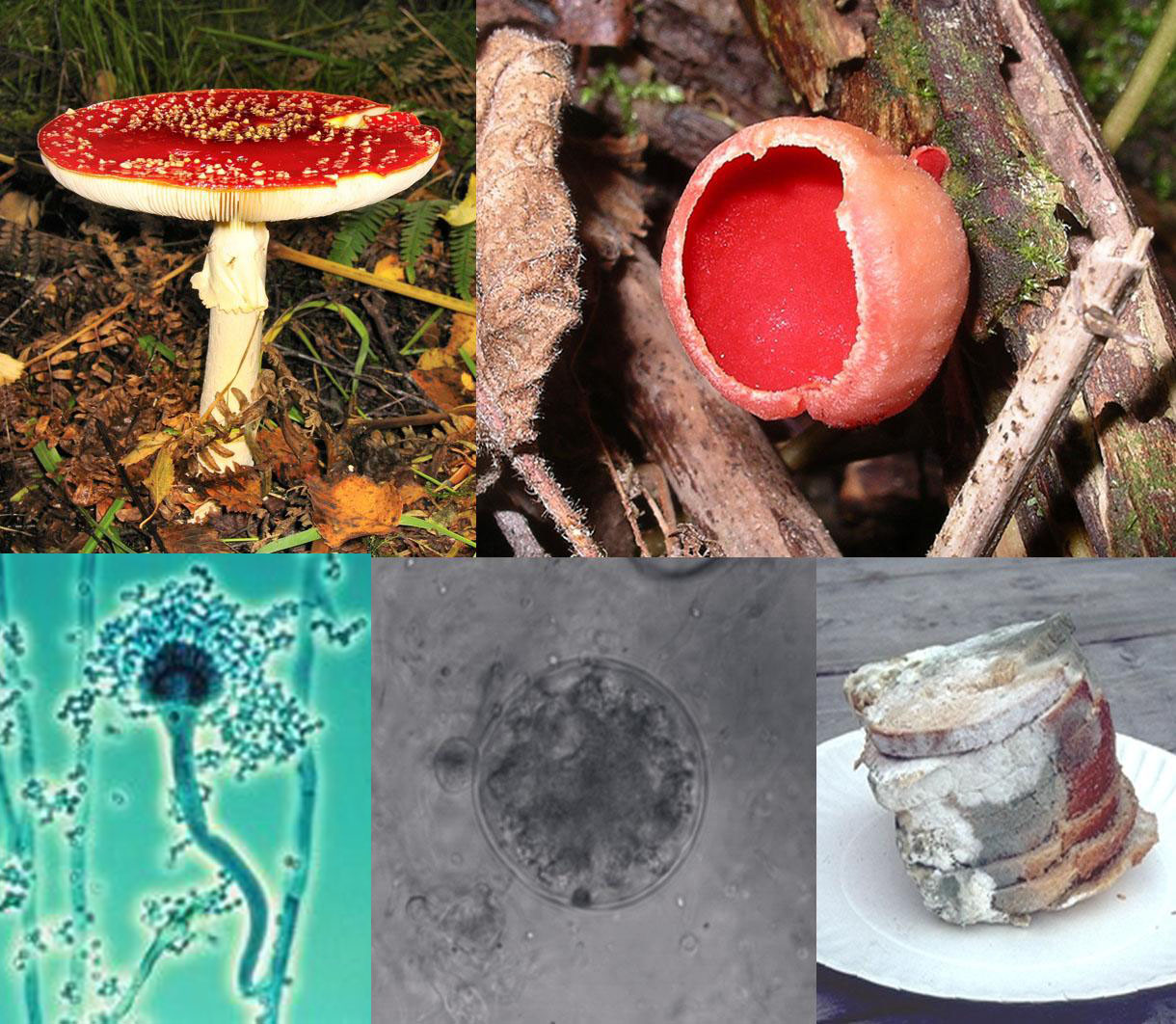
any of a group of spore-producing organisms feeding on organic matter, or the fruiting body of such an organism, e.g. a mushroom
Example: Unlike FUNGI, bacteria will only produce only single endospore and die, leaving the endospore waiting for another chance to grow.
en: champignon
genetics
noun
the scientific study of heredity
Example: With 12% of adult hospital admissions (cited from Mueller et al. 1998, Elements of Medical GENETICS) and 20-30% of all infant deaths due to molecular disease (cited from Mueller et al. 1998, Elements of Medical GENETICS) it is clear that we must increase our understanding of how mutations in our DNA and chromosomes lead to molecular disease.
en: génétique
heredity
noun
the biological process of passing physical and mental traits from parents to offspring through genes
Example: They understand about HEREDITY, and that adopted children are more likely to look like their biological parents than their adoptive parents.
en: hérédité
molecular
adjective
relating to or consisting of molecules
Example: In the next few years, new MOLECULAR advances may aid the identification of critical genes involved in stem cell differentiation and renewal, whilst others may develop methods to manipulate stem cells in vivo.
en: moléculaire
multicellular
adjective
having or consisting of many cells
Example: Moreover, this MULTICELLULAR organism is a hermaphrodite.
en: multicellulaire
nutrient
noun
a substance that provides nourishment essential for growth and the maintenance of life
Example: It is then within the NUTRIENT-rich environment of the lysosome that the L. pneumophila really exploits its host cell by replicating exponentially until all possible nutrients have been exhausted.
en: nutriment
phylogenetic
adjective
relating to the evolutionary development and diversification of a species or group of organisms, or of a particular feature of an organism
Example: The principles of PHYLOGENETIC analysis Abstract The aim of this essay is to introduce a general understanding of PHYLOGENETIC systematics.
en: phylogénétique
plants
noun
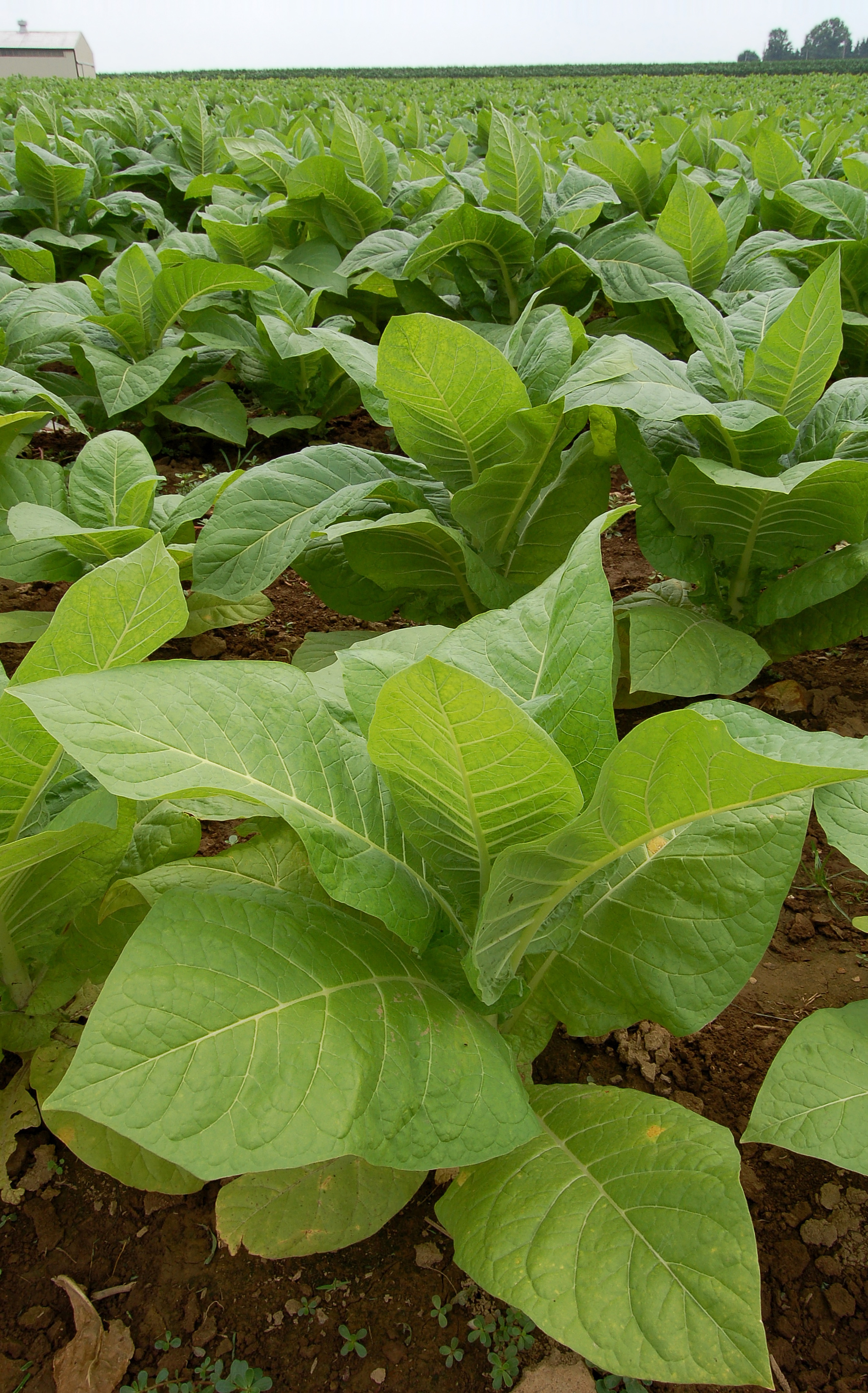
multicellular eukaryotic organisms belonging to the kingdom Plantae that typically produce their own food through photosynthesis, using sunlight, water, and carbon dioxide
Example: Symbiotic relationships of mutual benefit are also common among PLANTS.