Hello, my name is Malek Dridi, I'm a student in the field of Natural Science at CEGEP. It's my first year and second session in this program. My glossary will be for the students in the same program as me and also for the ones that are interested in this field of study so that they can learn more.The topic of this glossary is Scientific Vocabulary. The purpose of it is to clarify the words or terms that are frequently used in classes, experiments and even laboratory reports. The real problem that my glossary is going to solve is the understanding of these terms by providing clear definitions, because they can be hard at first for new students, but they are very important. This glossary contains 20 terms related to Biology, Chemistry, and Physics, it includes the definition and reflect the important concepts of them. The method that I used to find the words is that I went through all of my books and notes from each class and selected the important ones in my opinion. I also found all the definitions in Google. I strongly encourage you to use this glossary to help them you prepare for the exams or even to use them as a reference tool.
acceleration
noun
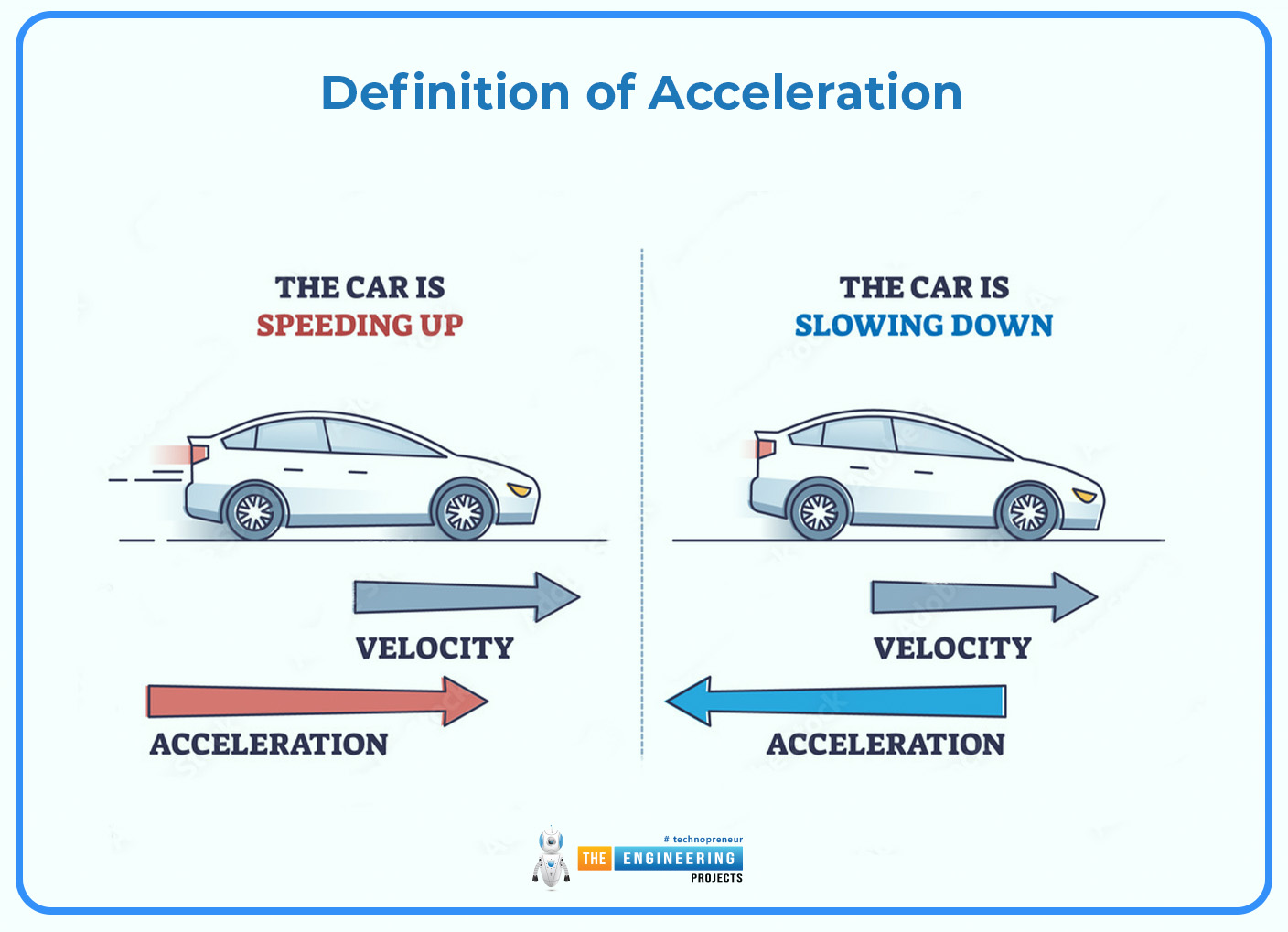
Acceleration is the rate at which an object changes its velocity, measuring how quickly it speeds up, slows down, or changes direction.
Example: Newton's 1st law tells that if an object is not in a state of rest or uniform motion a force must be acting on the mass of the object, Newton's 2nd law tells us that where a force is acting on a mass there must be some kind of ACCELERATION.
en: accélération
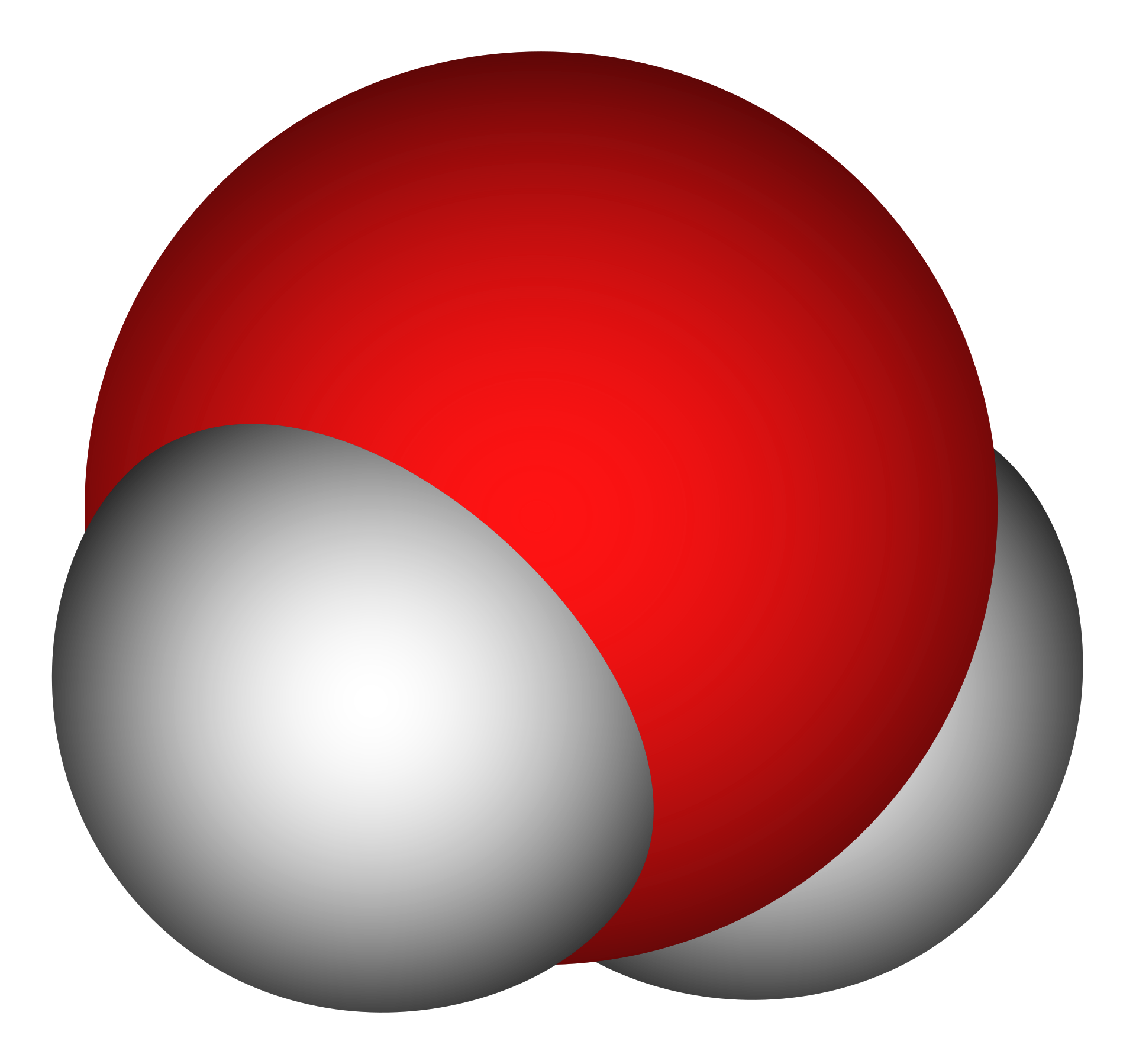
atom
noun
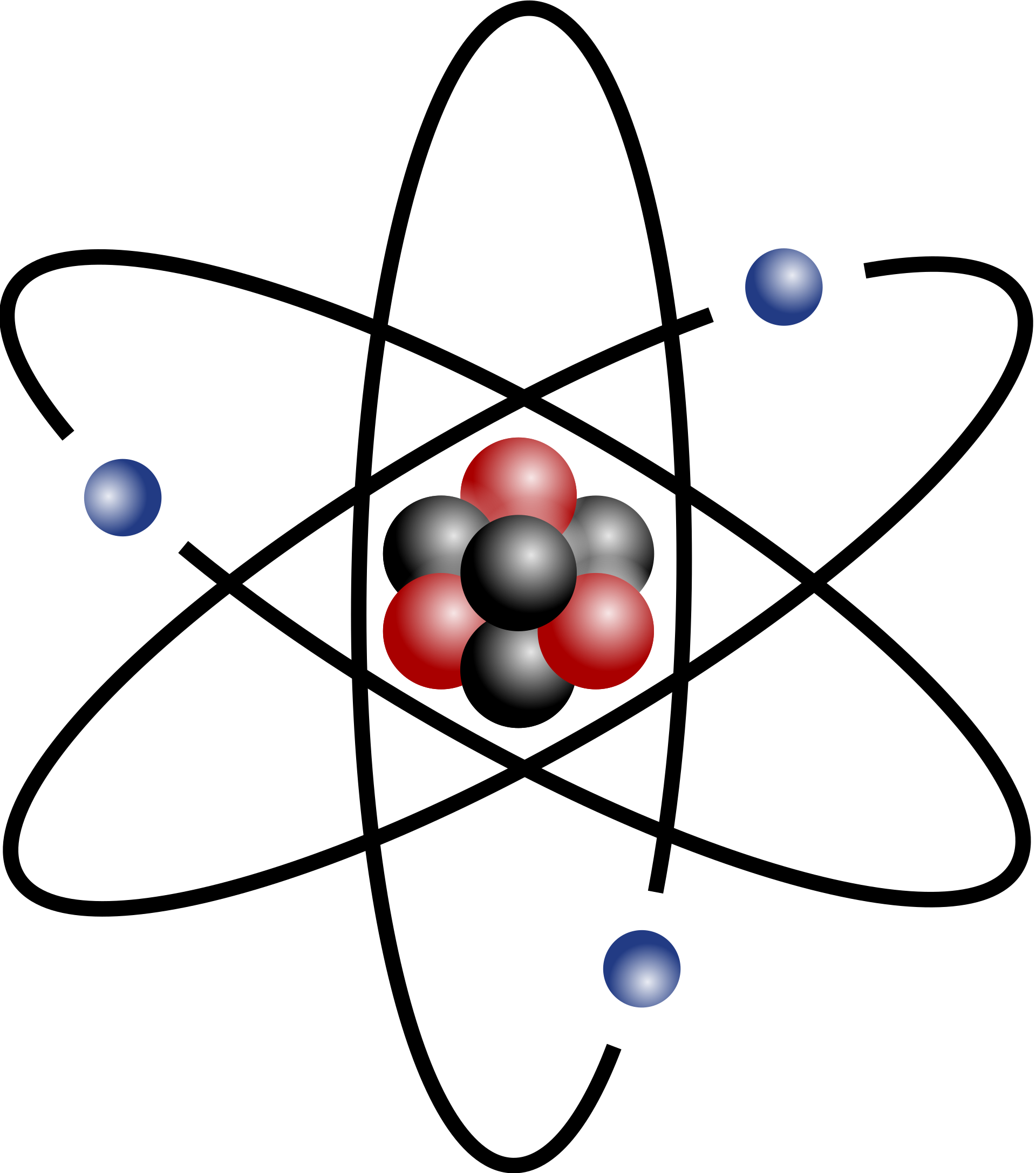
An atom is the smallest, fundamental unit of ordinary matter that retains the properties of a chemical element.
Example: Every molecule of water is composed of two hydrogen atoms and one oxygen atom.
en: atome
beaker
noun
A lipped cylindrical glass container for laboratory use.
Example: From this degassed sample a solution was prepared in triplicate by pouring the solution into a BEAKER and taking 2mL of the degassed drink by the micro syringe, placing this into a 50mL volumetric flask and diluting to volume with distilled water.
en: bécher
cell
noun
The smallest structural and functional unit of an organism, typically microscopic and consisting of cytoplasm and a nucleus enclosed in a membrane. Microscopic organisms typically consist of a single cell, which is either eukaryotic or prokaryotic.
Example: The eukaryotic family contains all animals, plants and fungi; the CELL is around ten times the size of the prokaryotic CELL.
en: cellule
chemical reaction
noun phrase
A chemical reaction is a process where one or more substances (reactants) rearrange their atomic structures to form different substances (products) with new properties.
Example: A common chemical reaction occurs when iron interacts with oxygen in the air to form rust, a new substance.
en: réaction chimique
energy
noun
Power derived from the utilization of physical or chemical resources, especially to provide light and heat or to work machines.
Example: Hereby, White Design was instilling confidence in potential clients by showing that it can deliver design that has within itself integrated certain qualities (minimally processed materials, natural lighting and ventilation, minimal heat loss and ENERGY savings) that can be delivered without having an impact on the project budget.
en: énergie
enzyme
noun
A substance produced by a living organism which acts as a catalyst to bring about a specific biochemical reaction.
Example: Salivary amylase is an enzyme in human saliva that begins breaking down starch into sugars the moment food enters the mouth.
en: enzyme
experiment
noun
A scientific procedure undertaken to make a discovery, test a hypothesis, or demonstrate a known fact.
Example: By comparing one's own practices and results with those of others or from previous periods, for example, one can come to think about observed differences as the outcome of an 'EXPERIMENT'.
en: expérience
function
noun
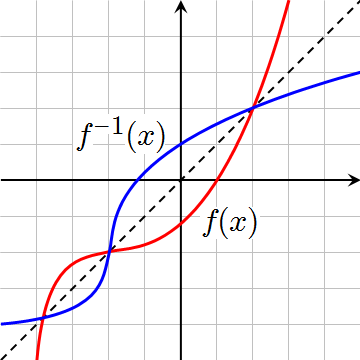
Relationship or expression involving one or more variables.
Example: Our function for example is equal to 2x + 1.
en: fonction
genetic mutation
noun phrase
A genetic mutation is a permanent alteration in the DNA sequence that makes up a gene, occurring when pieces are added, removed, or replaced.
Example: The Endosymbiotic theory states that "these organisms did not evolve by random genetic mutations as previously believed, but by a number of cell combinations.
en: mutation génétique
graph
noun
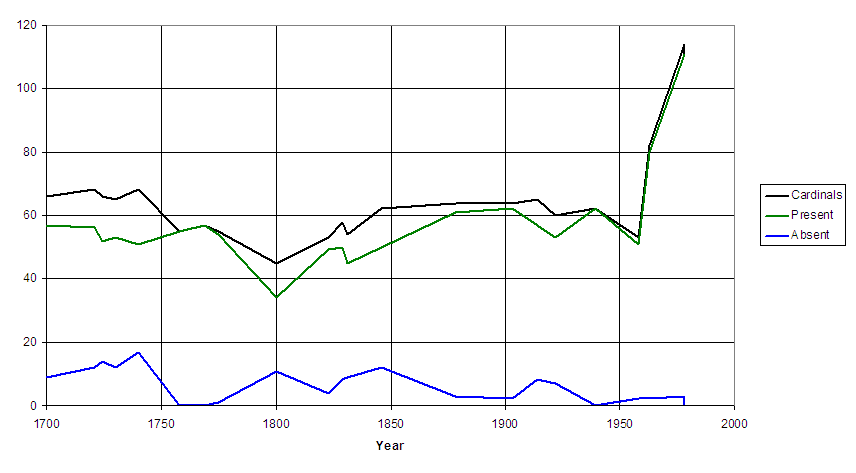
A diagram showing the relation between variable quantities, typically of two variables, each measured along one of a pair of axes at right angles.
Example: A great source of error, I believe, was the way in which the GRAPH was manipulated. The lines of the best fit were just predicted by eye. A possible solution could be to use a computer program to plot the GRAPH and determine them with it.
en: graphique
homeostasis
noun
Homeostasis is the body's self-regulating process that maintains a stable, constant internal environment—such as temperature, pH levels, and hydration—despite external changes.
Example: Sweating during a workout is a classic example of homeostasis, as the body acts to lower its internal temperature and maintain a stable, cool state.
en: homéostasie
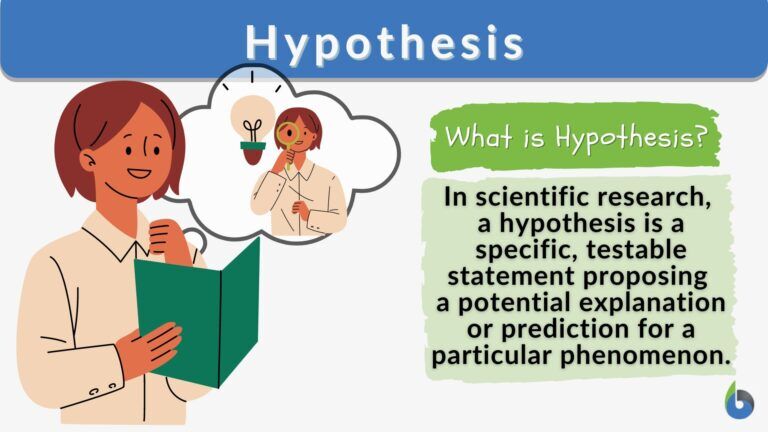
hypothesis
noun
A supposition or proposed explanation made on the basis of limited evidence as a starting point for further investigation.
Example: The results of the experiment did not support his hypothesis.
en: hypothèse
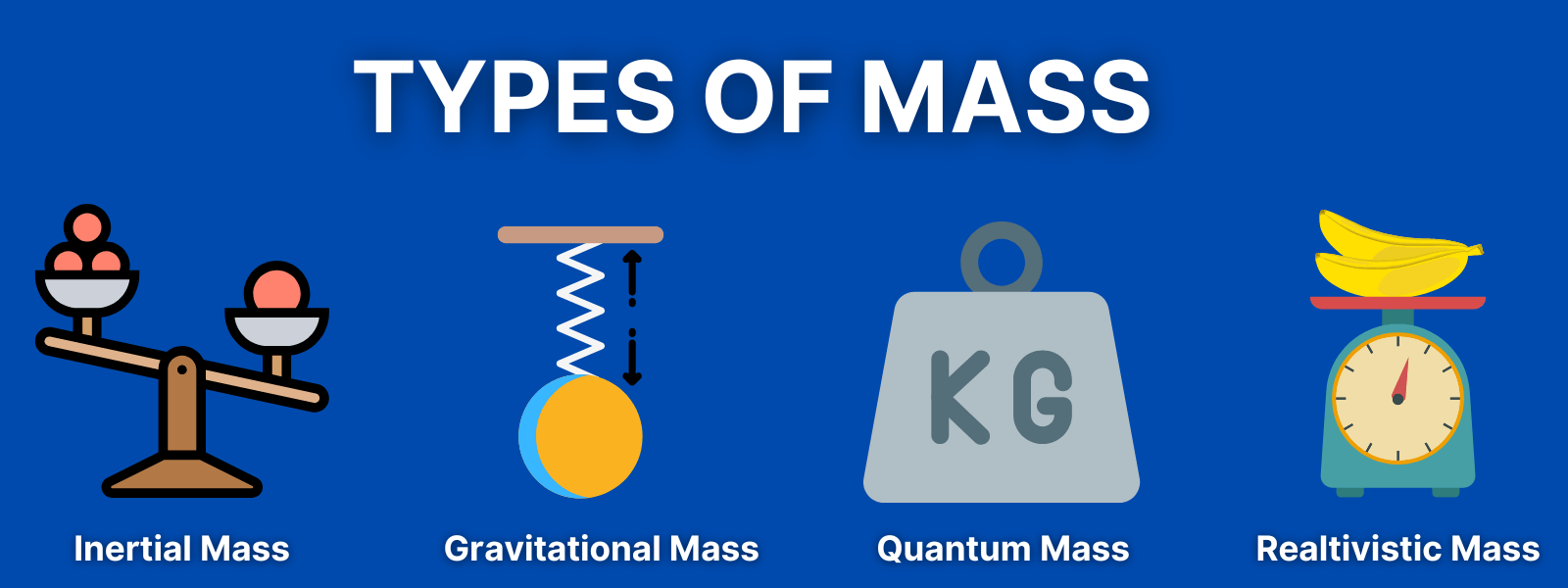
mass
noun
A large quantity or amount of something.
Example: The MASS spectrometer is an analytical tool used for measuring the molecular weight of a sample, with no limitation on the range of molecular MASS.
en: masse
measurement
noun
The size, length, or amount of something, as established by measuring.
Example: This was then repeated with the other standard solutions (B-E) and samples (F-J), washing the electrodes with distilled water between each MEASUREMENT.
en: mesure
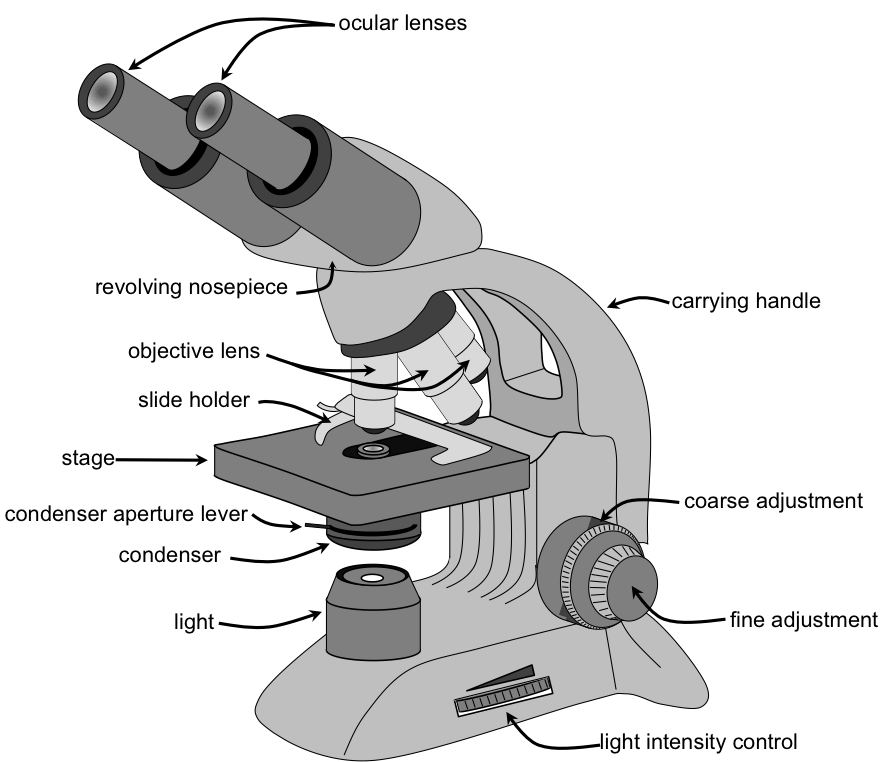
microscope
noun
An optical instrument used for viewing very small objects, such as mineral samples or animal or plant cells, typically magnified several hundred times.
Example: Bacteria are smaller than fungi and can only be seen with the aid of a higher power light MICROSCOPE.
en: microscope
molecule
noun
A molecule is the smallest unit of a chemical compound or element, composed of two or more atoms held together by chemical bonds.
Example: An important feature of the MOLECULE's structure are the numerous disulphide bonds which do not only connect the Fab and Fc fragments, but also the heavy and light chains.
en: molécule
pH scale
noun phrase
The pH scale is a logarithmic measurement system (typically 0-14) that determines how acidic or basic.
Example: With a pH of 2, lemon juice is highly acidic on the pH scale.
en: échelle de pH
temperature
noun
The degree or intensity of heat present in a substance or object, especially as expressed according to a comparative scale and shown by a thermometer or perceived by touch.
Example: Moving to the impact of TEMPERATURE upon other crops, experiments have shown that high temperatures are going to increase the rate of growth on carrots and reduce the frost damage.
en: température
volume
noun
The amount of space that a substance or object occupies, or that is enclosed within a container, especially when great.
Example: The Eukaryote cell The eukaryotic family contains all animals, plants and fungi; the cell is around ten times the size of the prokaryotic cell, being on average 10 microns in diameter with over 1000 times greater the VOLUME.