My name is Chloé Hansen, and I am currently studying Natural Sciences at CEGEP. I am completing my second session in this program. Natural Sciences is a broad field that includes biology, chemistry, physics, and mathematics. This program helps students become more knowledgeable and develop scientific thinking and problem-solving skills. This glossary is designed for students who are beginning their studies in Natural Sciences or anyone who wants to better understand some words. These definitions will help students better understand key concepts and use them correctly in scientific contexts. It includes 15 important terms that are commonly used in my science courses. Each word contains the part of speech, pronunciation, French translation, definition, and an example in context. I selected these words because we used them frequently in our textbooks and I used dictionary sources to find definitions.
I encourage readers to use this glossary as a study tool.
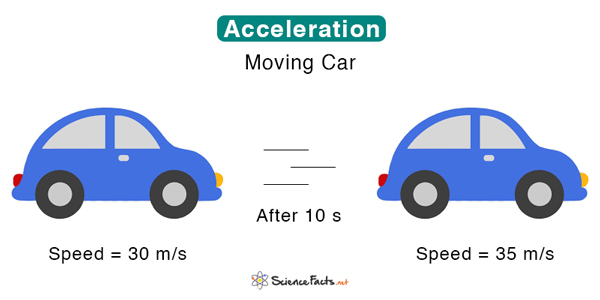
acceleration
noun
The rate of change of velocity per unit of time.
Example: A falling object experiences constant acceleration due to gravity.
fr: accélération
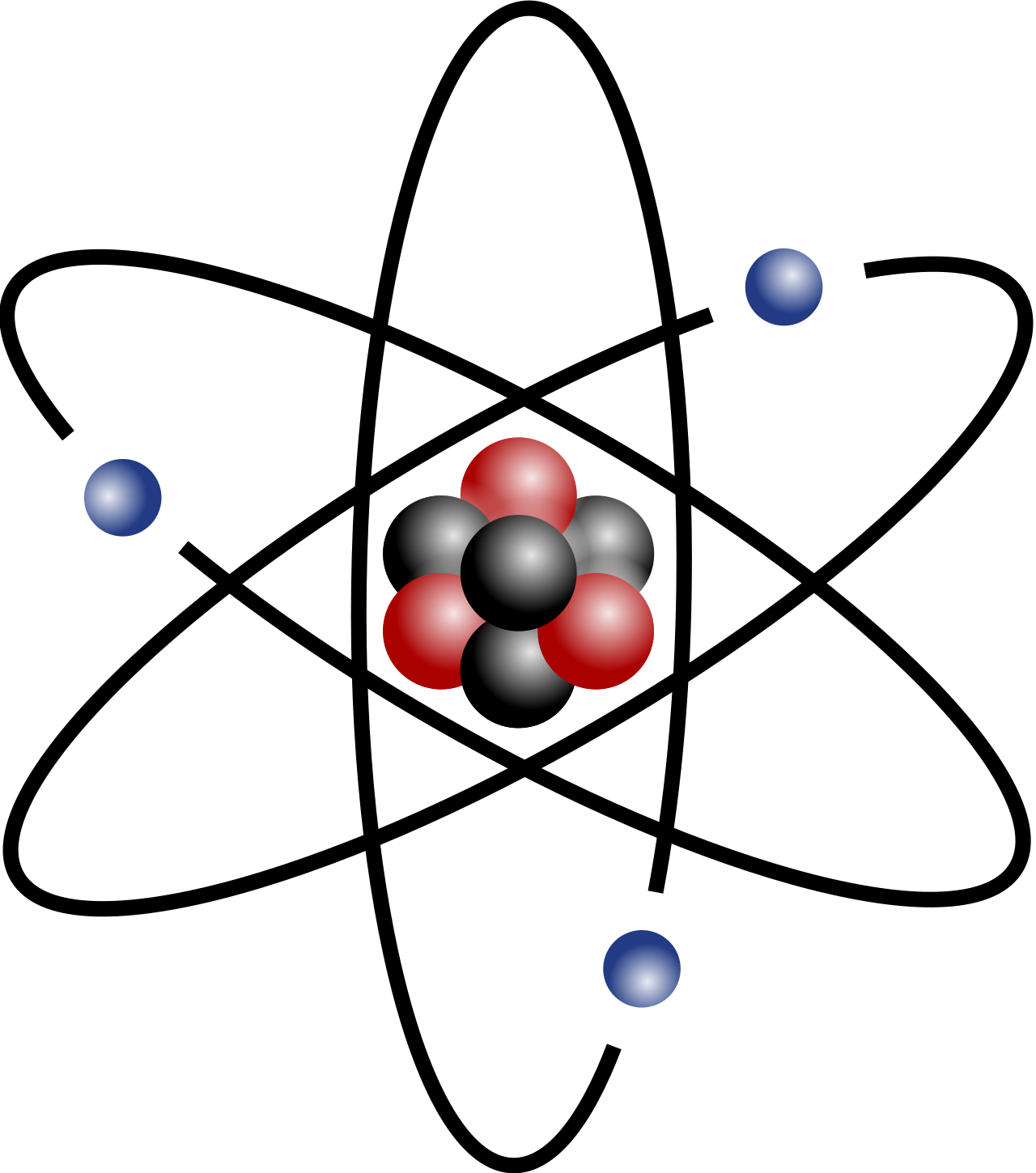
atom
noun
The basic unit of a chemical element.
Example: Carbon atoms are essential for life.
fr: atome
cell
noun
The smallest structural and functional unit of an organism, typically microscopic and consisting of cytoplasm and a nucleus enclosed in a membrane. Microscopic organisms typically consist of a single cell, which is either eukaryotic or prokaryotic.
Example: The human body is made up of billions of cells.
fr: cellule
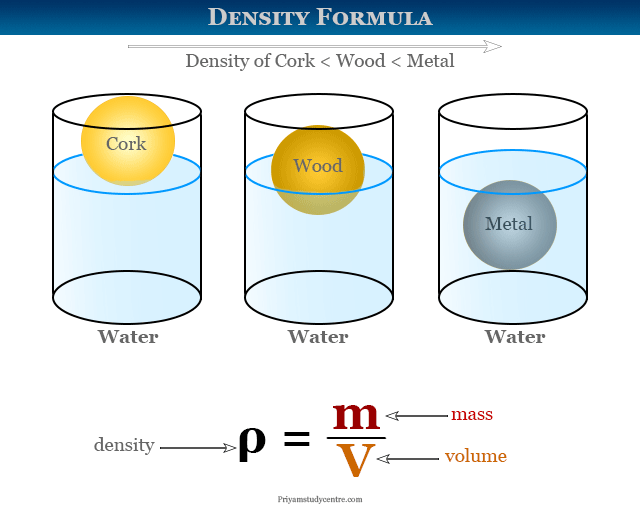
density
noun
The amount of mass per unit volume of a substance.
Example: Oil has a lower density than water.
fr: densité
ecosystem
noun
An ecosystem is a dynamic, functional unit of nature where living organisms (plants, animals, microbes) interact with each other and their non-living environment (sunlight, air, water, soil) in a specific area.
Example: A forest is a complex ecosystem.
fr: écosystème
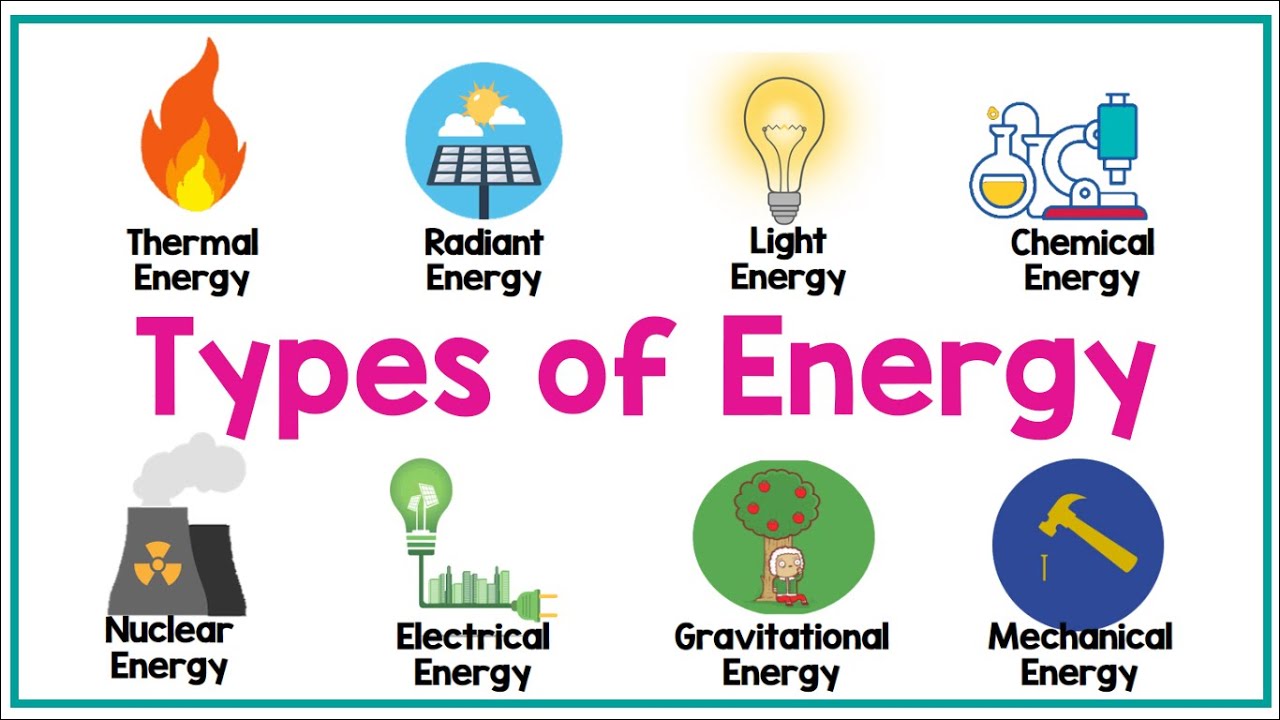
energy
noun
Power derived from the utilization of physical or chemical resources, especially to provide light and heat or to work machines.
Example: The sun provides energy to plants.
fr: énergie
equilibrium
noun
A state in which opposing forces or influences are balanced.
Example: At chemical equilibrium, the concentration of reactants remains constant.
fr: équilibre
force
noun
Strength or energy as an attribute of physical action or movement.
Example: Gravity is a force that pulls objects toward Earth.
fr: forcer
homeostasis
noun
The tendency toward a relatively stable equilibrium between interdependent elements, especially as maintained by physiological processes.
Example: Sweating helps maintain, homeostasis by regulating body temperature.
fr: homéostasie
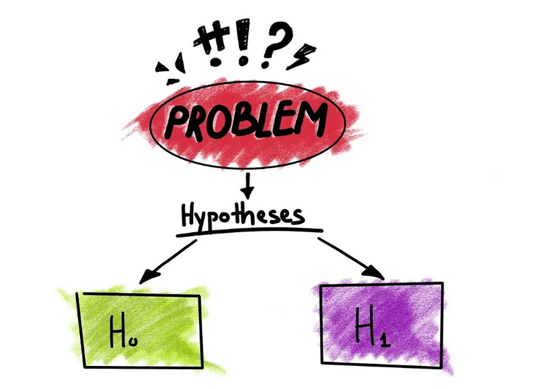
hypothesis
noun
A supposition or proposed explanation made on the basis of limited evidence as a starting point for further investigation.
Example: The scientists formed a hypothesis before conducting the experiment.
fr: hypothèse
molecule
noun
A group of atoms bonded together, representing the smallest fundamental unit of a chemical compound that can take part in a chemical reaction.
Example: Water is a molecule made of two hydrogen atoms and one oxygen atom.
fr: molécule
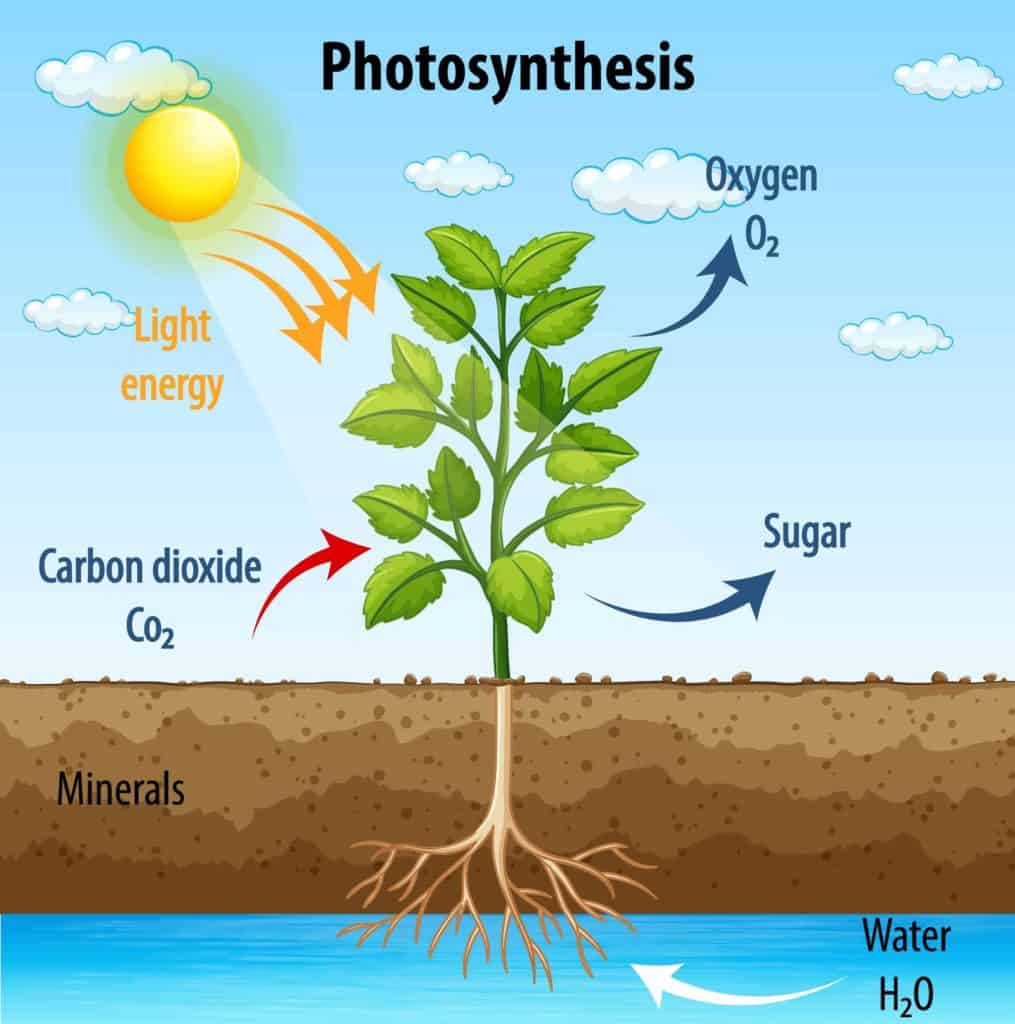
photosynthesis
noun
The process by which green plants and some other organisms use sunlight to synthesize foods from carbon dioxide and water. Photosynthesis in plants generally involves the green pigment chlorophyll and generates oxygen as a byproduct.
Example: Photosynthesis produces oxygen as a by-product.
fr: photosynthèse
reaction
noun
A chemical process in which two or more substances act mutually on each other and are changed into different substances, or one substance changes into two or more other substances.
Example: Combustion is a chemical reaction.
fr: réaction
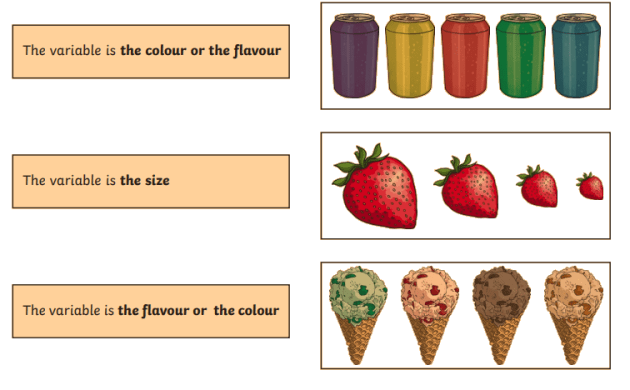
variable
noun
An element, feature, or factor that is liable to vary or change.
Example: Temperature was the independent variable in the experiment.
fr: variable
velocity
noun
The speed of something in a given direction.
Example: The speed of an object in a specific direction.

.jpg)