Hi, my name is Laurie Lapalme. This glossary is for students and anyone who wants to learn about firefighting. I found the words by researching reliable firefighting websites and used trusted dictionaries for the definitions, and I invite you to explore the glossary to learn these 20 terms and better understand how firefighters work.
apparatus
noun
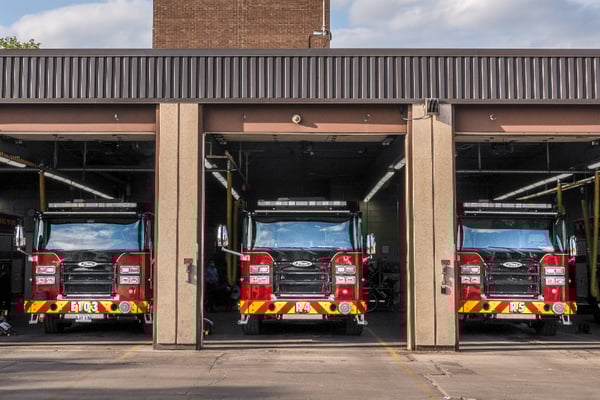
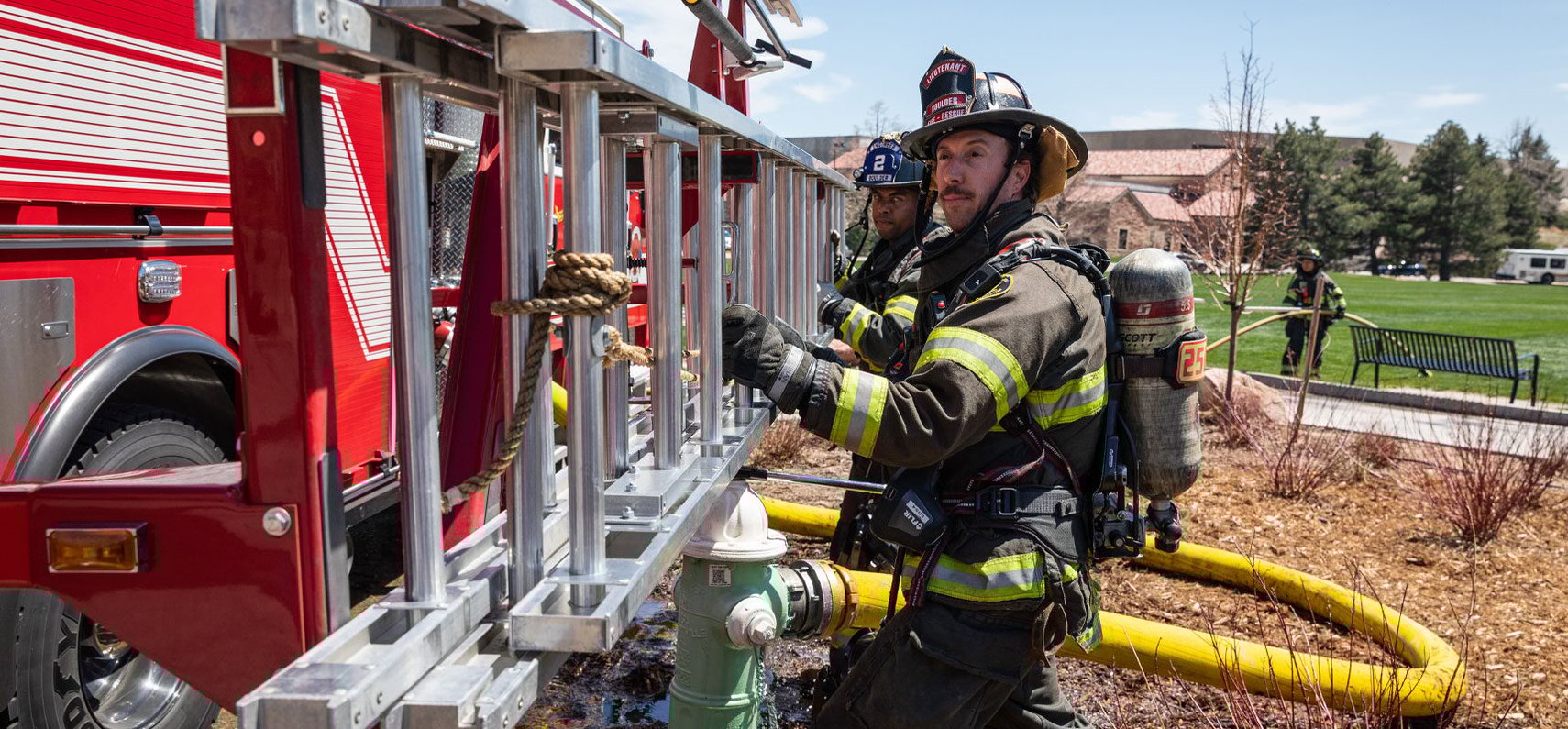
A firefighter apparatus (or fire apparatus) is a specialized vehicle designed for fire suppression, rescue, and emergency medical services.
Example: The first apparatus arrived at the scene within five minutes.
en: appareil
backdraft
noun
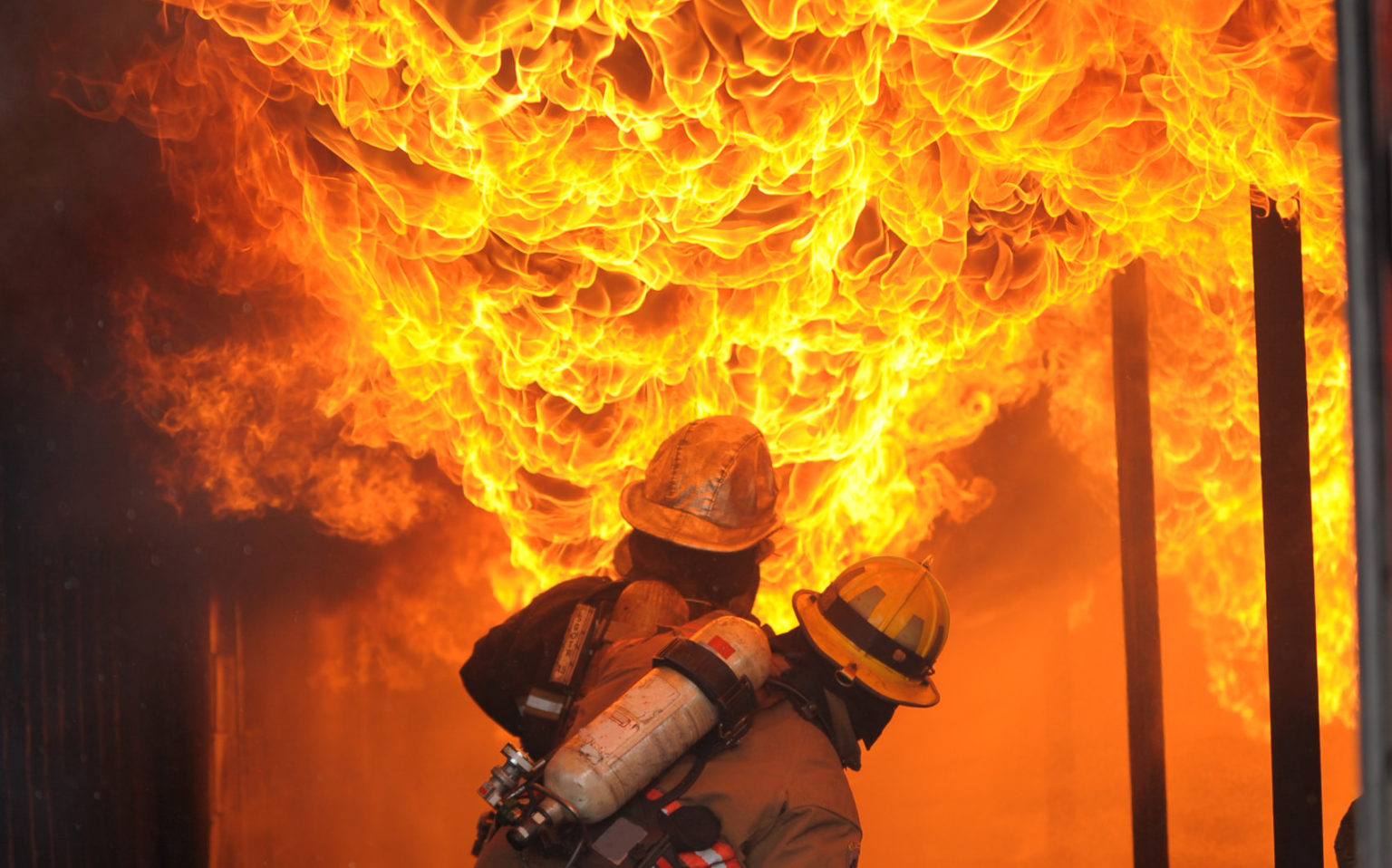
A backdraft is a violent, explosive event occurring when oxygen rapidly enters an enclosed, oxygen-depleted, and superheated fire environment.
Example: Opening the door too quickly could cause a backdraft.
en: reflux
engine company
noun
An engine company is a fundamental unit of a fire department responsible for operating a fire engine (pumper), carrying tools, and primarily extinguishing fires by deploying hoses and water, often also providing emergency medical services.
Example: The engine company connected to the nearest hydrant.
en: entreprise de moteurs
fire behavior
noun
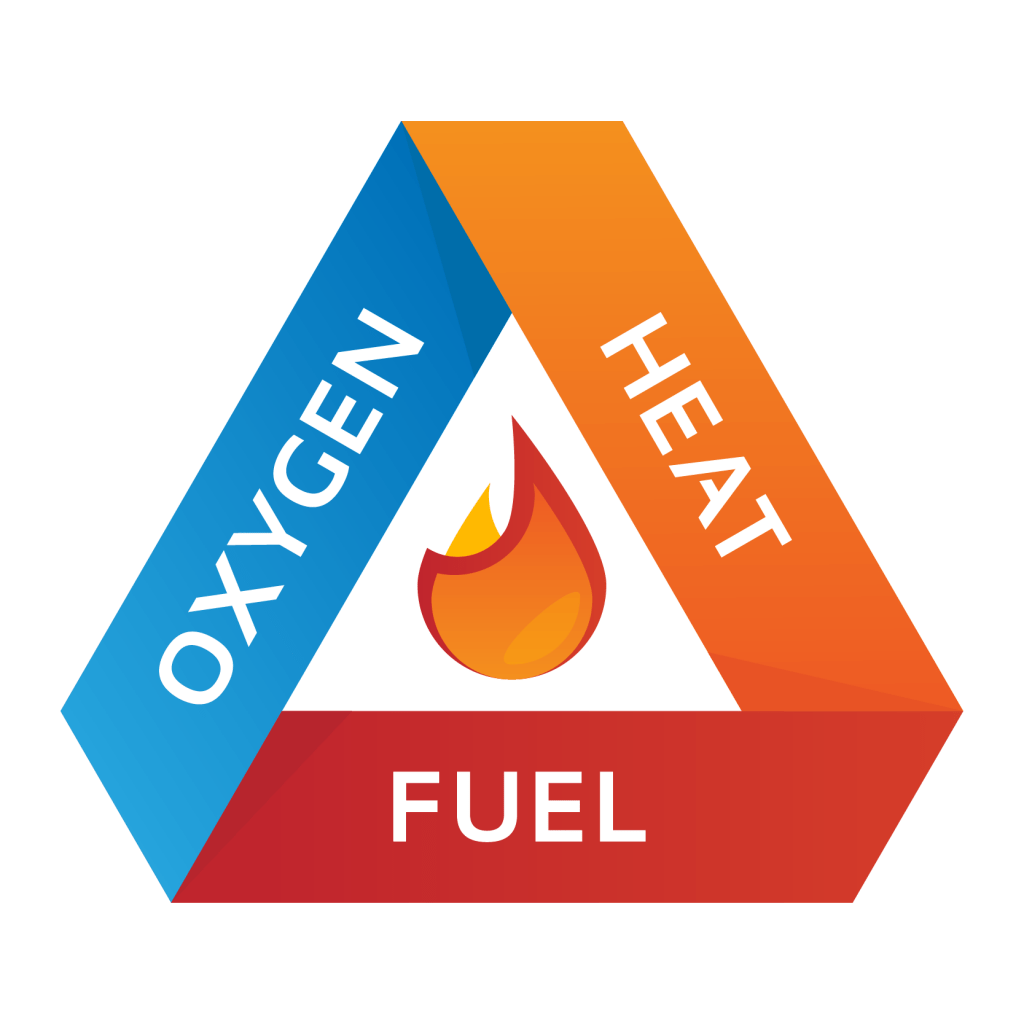
Fire behavior refers to the manner in which fuel ignites, flames develop, and fire spreads, as determined by the interaction of fuel, weather, and topography.
Example: Understanding fire behavior helps firefighters make safer decisions.
en: comportement du feu
fire investigation
noun
Fire investigation is the systematic, scientific analysis of a fire scene to determine its origin, cause, and development.
Example: Fire investigation started once the scene was secured.
en: enquête sur l'incendie
fire suppression
noun
Fire suppression refers to engineered systems, agents, and methods designed to detect and extinguish, control, or prevent the spread of fires, often before they cause major damage.
Example: The crew focused on fire suppression to stop the flames from reaching nearby houses.
en: extinction d'incendie
flashover
noun
A flashover is the near-simultaneous ignition of all combustible materials in an enclosed area, marking the transition from a growing fire to a fully developed, "room-on-fire" state.
Example: The team evacuated immediately to avoid a dangerous flashover.
en: éclairage
forcible entry
noun
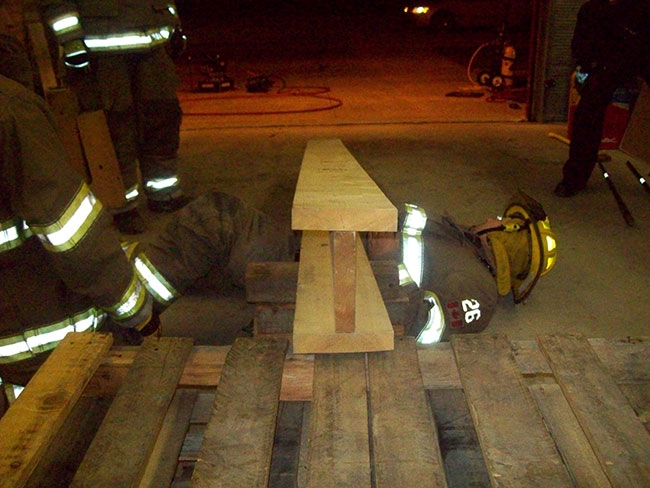
Forcible entry in firefighting is the, often rapid, technique of gaining access to a locked building or area to rescue victims and extinguish fires, primarily using manual tools like the Halligan and flat-head axe, or hydraulic equipment.
Example: The crew performed forcible entry when no one answered the door.
en: entrée par effraction
hose line
noun
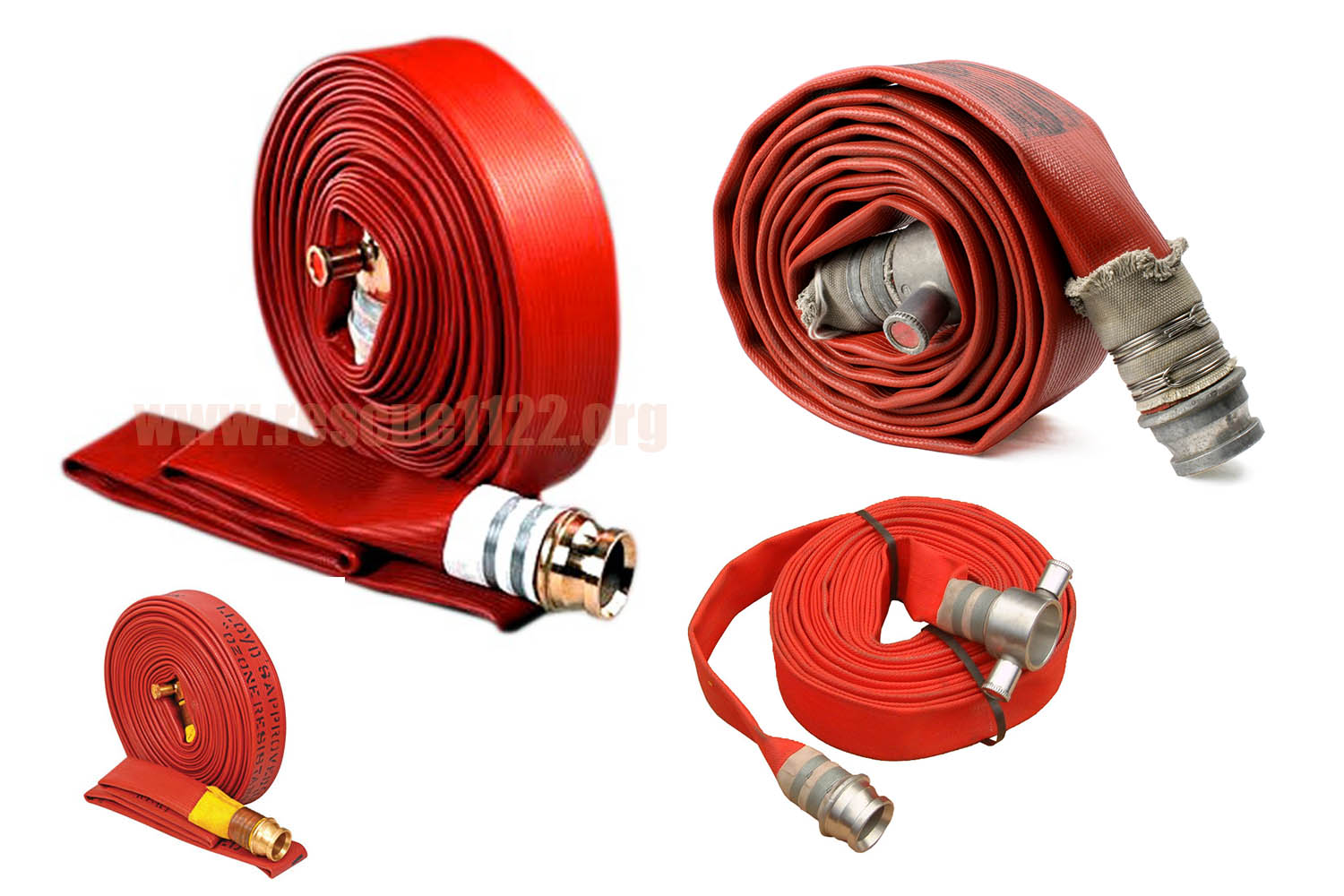
A fire hose line is a flexible, high-pressure hose used by firefighters to transport water or fire retardants from a pressurized source—like a hydrant, engine pump, or standpipe—directly to the fire for suppression.
Example: The hose line was advanced carefully into the building.
en: tuyau d'arrosage
hydrant pressure
noun
Hydrant pressure for firefighters is the force of water (measured in PSI) delivered by a hydrant, typically ranging from 50 to 100 psi, designed to ensure adequate, high-volume flow for fire suppression.
Example: The firefighters checked the hydrant pressure before connecting the hose.
en: pression de la borne d'incendie
incident command system
noun
The Incident Command System (ICS) is a standardized, on-scene, all-hazard management approach for commanding, controlling, and coordinating emergency responses.
Example: The incident command system helped coordinate all emergency units at the scene.
en: système de commandement des incidents
ladder company
noun
A ladder company is a specialized unit of a fire department equipped with a ladder truck (or truck company/hook-and-ladder truck) and responsible for tasks such as ventilation, forcible entry, search and rescue, and overhaul.
Example: The ladder company positioned the aerial ladder near the roof.
en: entreprise d'échelles
mayday call
noun
A firefighter "Mayday" call is an urgent radio distress signal indicating a life-threatening emergency, such as being trapped, lost, injured, or out of air, requiring immediate rescue.
Example: The firefighter transmitted a mayday call after becoming disoriented.
en: appel de détresse
overhaul
noun
Overhaul in firefighting is the critical, final stage of operation occurring after the main fire is extinguished, focused on searching for and extinguishing hidden fires to prevent rekindling.
Example: The firefighters conducted an overhaul to ensure the fire would not restart.
en: décombustage
personal protective equipment
noun
Personal Protective Equipment (PPE) refers to protective clothing, helmets, goggles, or other garments/equipment designed to protect the wearer's body from injury or infection.
Example: Wearing full PPE is mandatory during all fire responses.
en: équipement de protection individuelle
rapid intervention team
noun
A Rapid Intervention Team (RIT) or Crew (RIC) is a designated team of at least two or more firefighters stationed outside the hazardous, IDLH (Immediately Dangerous to Life or Health) area of a structure fire.
Example: The rapid intervention team remained on standby during the operation.
en: équipe d'intervention rapide
search and rescue
noun
Search and rescue (SAR) involves finding and assisting people in distress, imminent danger, or missing, particularly in remote, difficult-to-reach, or disaster-stricken areas.
Example: Search and rescue began immediately after the fire was reported.
en: recherche et sauvetage
self-contained breathing apparatus
noun
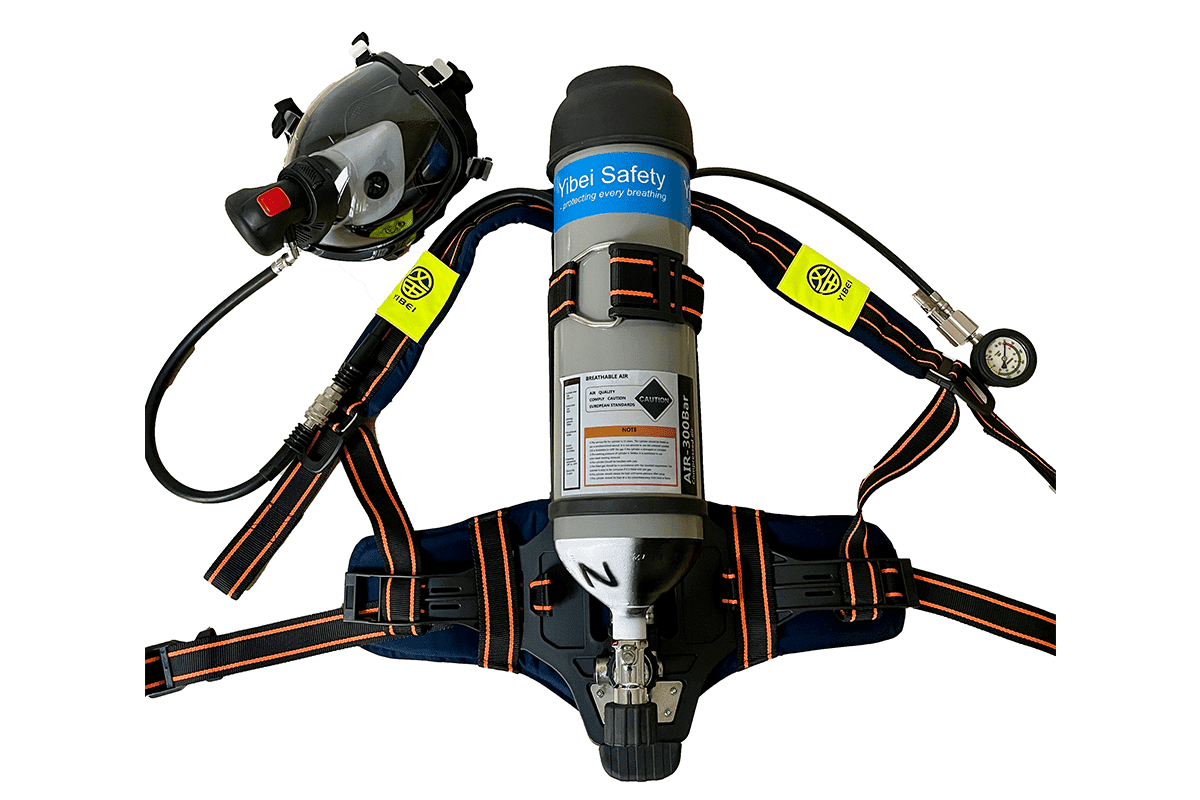
A self-contained breathing apparatus (SCBA) is a wearable respirator that provides breathable air from a portable, high-pressure cylinder, rather than an external source.
Example: The firefighter checked his SCBA before entering the burning building.
en: appareil respiratoire autonome
thermal imaging camera
noun
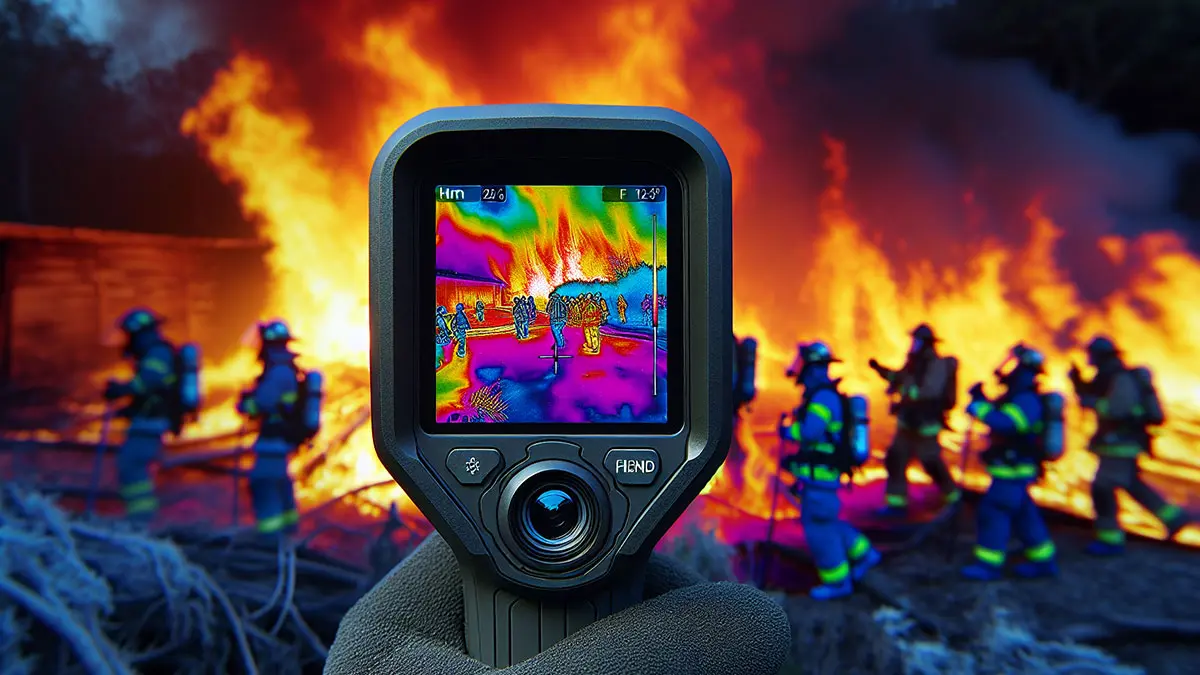
A thermal imaging camera is a non-contact device that detects infrared radiation (heat) emitted by objects and converts it into a visible image, or thermogram, representing temperature variations in colors.
Example: The captain used a thermal imaging camera to find a person trapped inside.
en: caméra thermique
ventilation
noun
Ventilation in firefighting is the planned, systematic removal of heated air, smoke, and toxic gases from a structure and replacing them with cooler, cleaner, oxygen-rich air.
Example: Proper ventilation reduced the smoke inside the house.