Hi, my name is Jeremie. I am 20 years old, and I have been studying at Ahuntsic College for almost 4 years. I am currently finishing my studies in Civil Engineering Technology. I have created this glossary to help students or people interested in civil engineering.The glossary will contain 15 words related to Civil engineering. Each word will have a definition, an audio of the word's pronunciation to help people pronounce the word correctly, an exemple of sentence where the word can be used and some may even have an image.
Aqueduct
noun
The material used to fill the space between two structural elements, such as a wall or a frame. It can be made of various materials, such as concrete, masonry, or timber, and can provide insulation, soundproofing, or fire resistance.
Example: Johnson also discovered an aqueduct which led straight to the castle.
fr: pont-aqueduc
Asphalt
noun
Petroleum-based material used for paving roads, parking lots, and other surfaces. It is made from a mixture of aggregates, such as sand and gravel, and a binder, such as asphalt cement.
Example: The city workers laid fresh asphalt on the main street.
fr: Asphalte
Backfill
noun
Material used to refill excavated areas, providing support around structures or foundations.
Example: The backfill was compacted to support the foundation.
fr: Remblai
Beam
noun
(Construction) long piece of timber or metal used in construction.
Example: The workers installed the steel beam across the ceiling.
fr: Poutre
Bridge
noun
(Infrastructure) Structure allowing passage over an obstacle.
Example: The construction of the new bridge proceeded fast and furious despite challenges.
fr: Pont
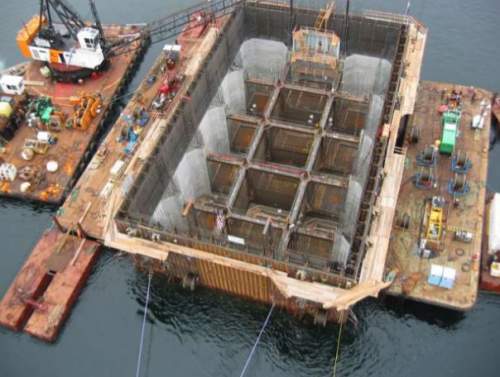
Caisson
noun
Large watertight chamber used for construction under water
Example: The workers used a caisson to build the bridge foundation.
Column
noun
Vertical structural element that supports the weight of a building or other structure.
Example: The ancient temple had marble columns.
fr: Colonne
Concrete
noun
Composite material made of cement, water, and aggregates, such as sand and gravel. It is one of the most widely used construction materials in the world, and is valued for its strength, durability, and versatility.
Example: The workers poured concrete for the new sidewalk.
fr: Béton
Drainage
noun
System of pipes, channels, and structures used to manage and remove surface water and groundwater from a site or structure.
Example: The drainage in the garden prevents flooding.
fr: Drainage
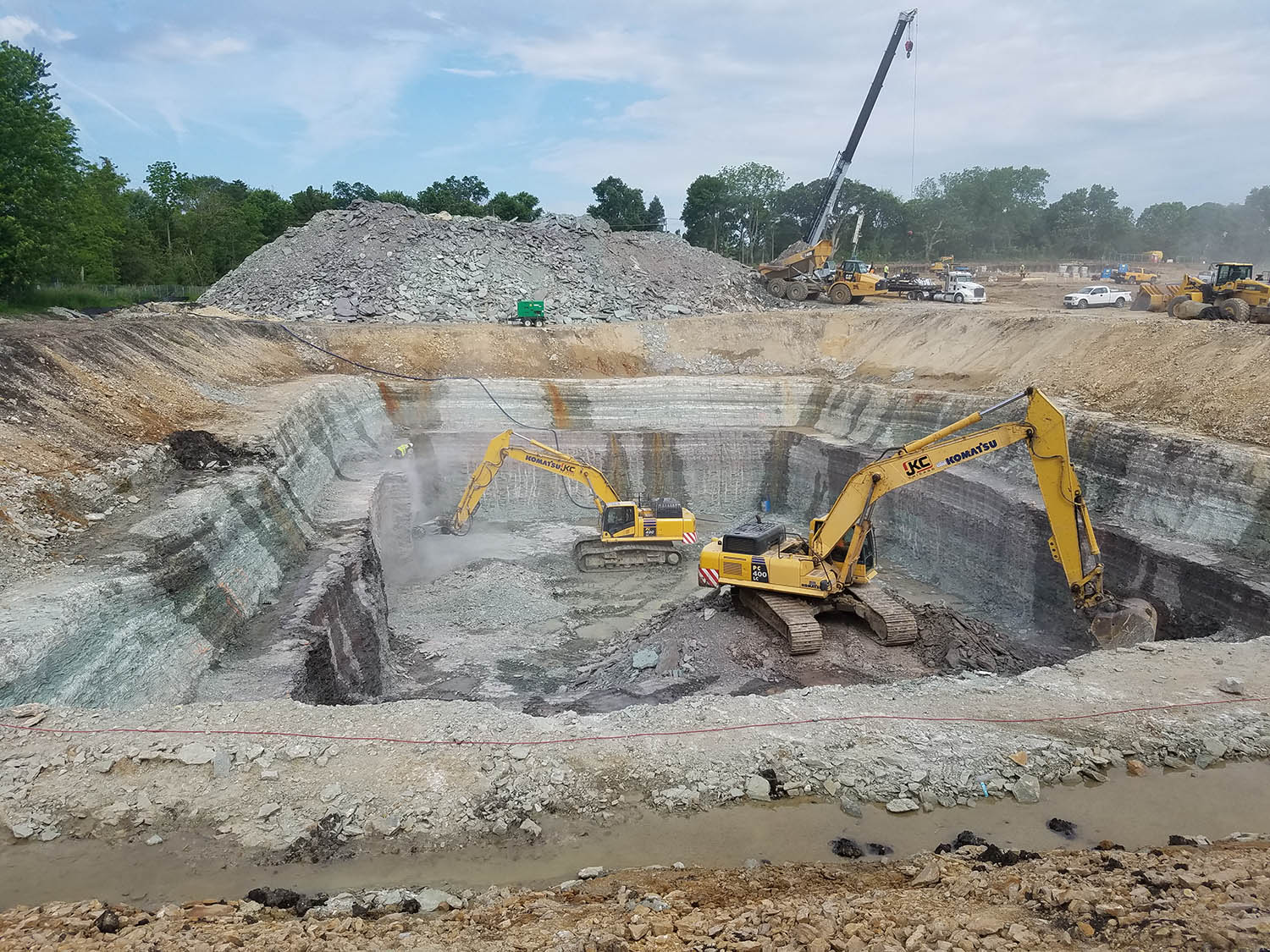
Excavation
noun
The process of removing soil, rock, or other materials from a site to create a foundation or to prepare for construction. It can be done using manual labor, heavy machinery, or a combination of both.
Example: They found ancient tools in the excavation
fr: Excavation
Foundation
noun
Part of a structure that supports the weight of the building or other structure and transfers it to the ground below.
Example: The foundations of the house are made of reinforced concrete.
fr: Fondation
Geosynthetics
noun
Synthetic materials used in civil engineering to reinforce soil, control erosion, and improve drainage. They include geotextiles, geogrids, and geomembranes, and can be made of polyester, polypropylene, or other materials. Geosynthetics are often used in road construction, landfill liners, and retaining walls.
Example: In some cases the geosynthetic may serve dual functions.
fr: Géosynthétique
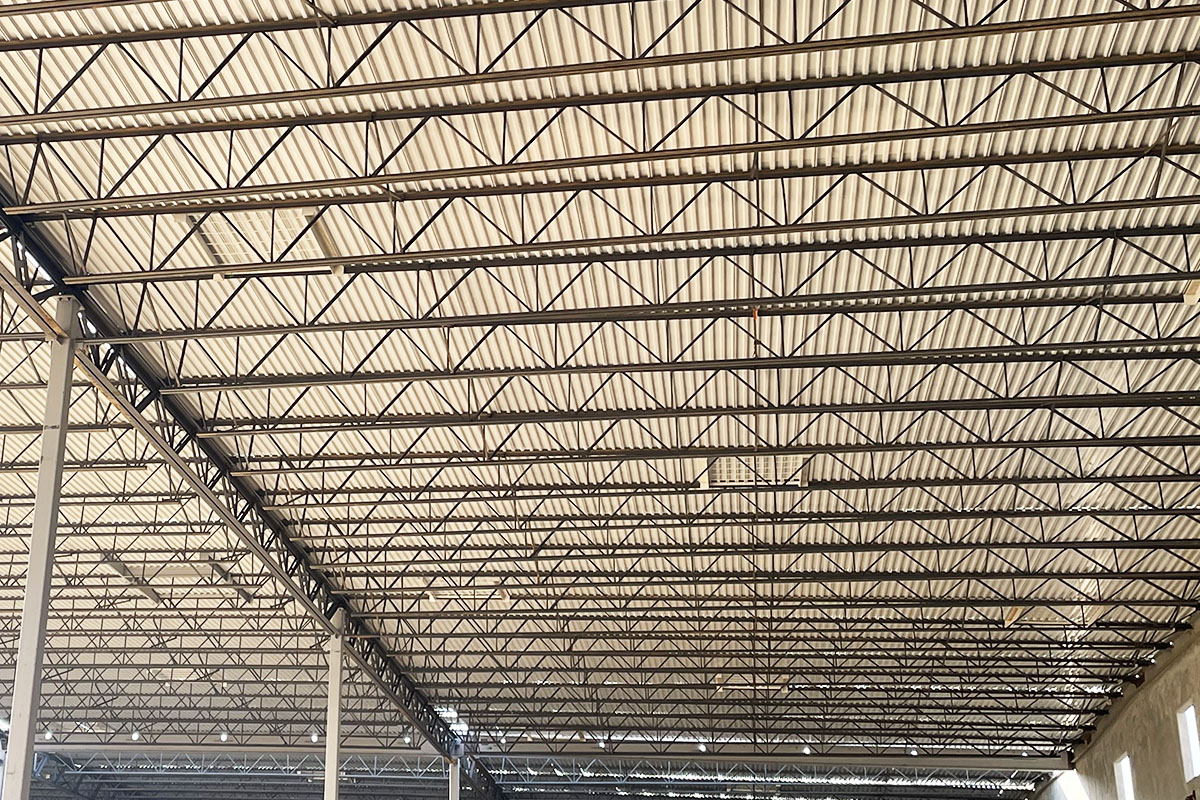
Joist
noun
Horizontal structural element that supports the weight of a floor or ceiling. It is typically made of wood, steel, or concrete and can be designed to resist different types of loads, such as bending or shear. Joists are often spaced at regular intervals to support decking or other materials.
Example: Each joist plays a crucial role in supporting the weight of the ceiling above.
fr: Poutrelle
Masonry
Construction of structures using individual units, such as bricks, concrete blocks, or stones, held together by mortar. It can provide strength, durability, and fire resistance to a structure.
Example: The ancient masonry still stands strong.
fr: Maçonnerie
Permeability
noun
The measure of the ability of a material or soil to allow water or other fluids to pass through it. It is a critical property in the design of drainage systems, foundations, and other structures.
Example: High permeability in rocks can lead to oil reservoirs.





.png?format=1000w)