Hello, my name is Laurie and I'm studying at Ahuntsic College. This glossary presents key terms related to Industrial Engineering, a field focused on improving processes, increasing efficiency and optimizing resources in manufacturing. I created this glossary to help students better understand the technical vocabulary used in areas such as production, logistics, quality control and operations. Each term includes a clear definition and an example sentence to demonstrate how the word is used in context. The goal of this glossary is to strengthen understanding of essential vocabulary in the field of Industrial Engineering.
assembly
noun
Assembly refers to the gathering of people for a common purpose, the process of fitting together components to create a finished product (like cars or furniture). It represents bringing parts or individuals together into a single unit.
Example: The assembly of the product requires careful coordination between workers and machines.
fr: assemblage
ergonomic
adjective
Ergonomic refers to the design of products, systems, or workspaces that fit the physical and mental capabilities of the user, aiming to maximize safety, efficiency, and comfort while reducing discomfort or strain.
Example: The office invested in ergonomic chairs to improve employee comfort and prevent injuries.
fr: ergonomique
inspection
An inspection is the careful, critical, and often official examination, review, or testing of an object, process, or organization to ensure compliance with standards, safety regulations, or to identify defects.
Example: The final inspection ensures that all products meet quality requirements before shipment.
fr: inspection
inventory
noun
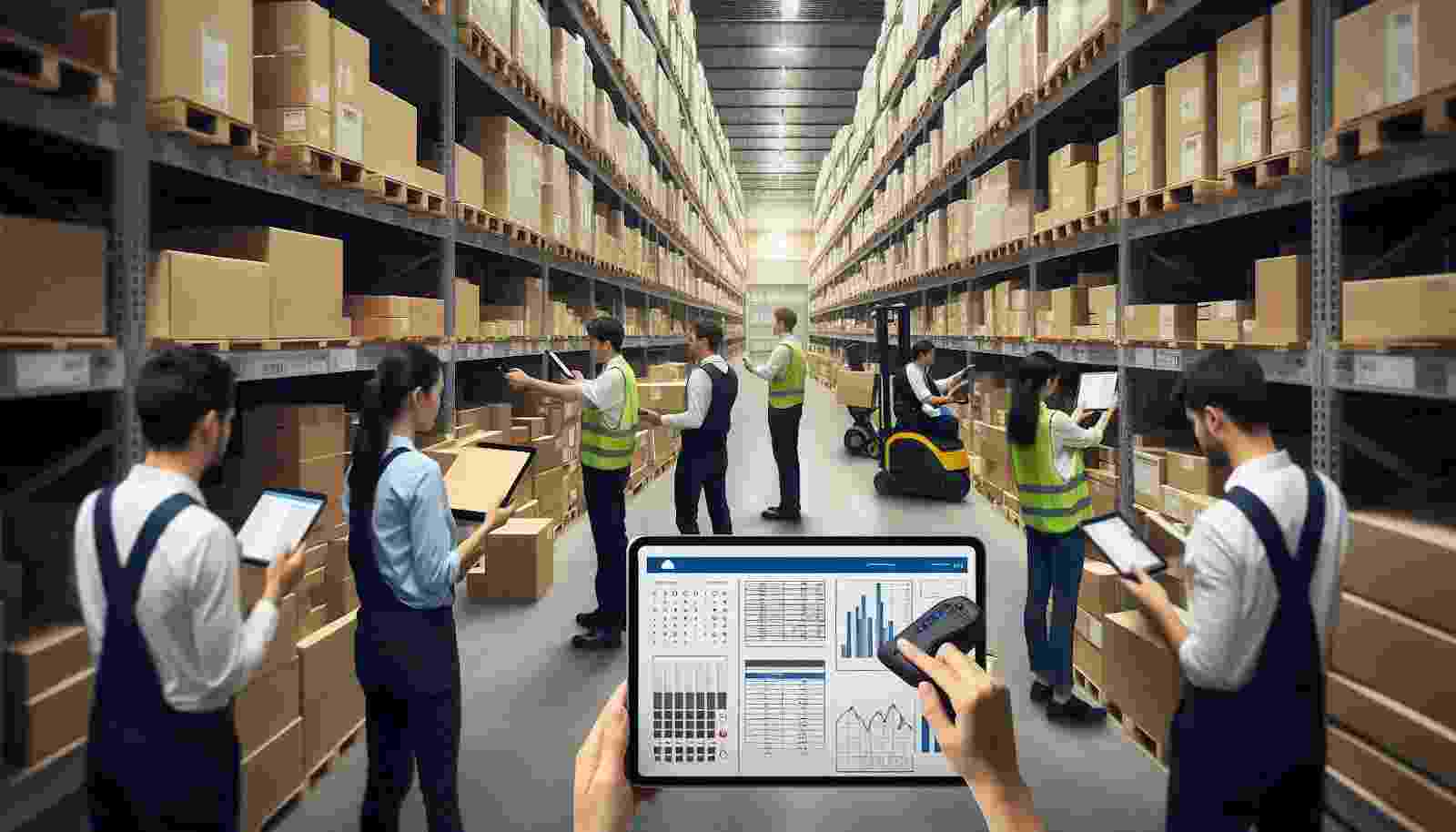
Inventory refers to the raw materials, work-in-progress, and finished goods a business holds for production, usage, or resale.
Example: The company reduced its inventory to lower storage costs.
fr: inventaire
logistics
noun
Logistics is the strategic management, planning, and coordination of the movement, storage, and flow of goods, services, and information from origin to consumption. It ensures the right products arrive at the right place, time, and cost, encompassing warehousing, transportation, inventory management, and packaging to meet customer demands.
Example: Efficient logistics reduces delivery time and lowers transportation costs.
fr: logistique
maintenance
noun
Maintenance is the proactive process of inspecting, repairing, and caring for machinery, equipment, systems, or property to keep them in good working condition and prevent failure.
Example: Regular maintenance helps prevent equipment breakdowns and costly production delays.
fr: entretien
manufacturing
noun
Manufacturing is the process of converting raw materials, components, or parts into finished goods through the use of tools, human labor, machinery, and chemical or physical processing.
Example: Manufacturing plays a key role in improving productivity and reducing production costs in industrial engineering.
fr: fabrication
operations
noun
Operations are the daily, behind-the-scenes activities, processes, and systems that convert inputs (labor, materials, technology) into finished goods or services.
Example: Industrial engineers improve operations to increase efficiency and reduce waste.
fr: opérations
optimization
noun
Optimization is the process of making a system, design, or decision as effective, functional, or efficient as possible by finding the best solution within defined constraints. It involves maximizing performance (e.g., profit, speed) or minimizing, for instance, costs, waste, or time.
Example: The company focused on optimization to save time and reduce expenses.
fr: optimisation
planning
noun
Planning is the systematic, future-oriented process of setting goals, defining strategies, and organizing resources/time to achieve a desired outcome.
Example: Careful planning helps the company meet deadlines.
fr: planification
productivity analysis
noun
Productivity analysis is the systematic evaluation of how efficiently resources, such as labor, time, and materials, are used to generate output.
Example: The company conducted a productivity analysis to identify areas where performance could be improved.
fr: analyse de la productivité
standardization
noun
Standardization is the process of developing, implementing, and enforcing uniform technical specifications, procedures, or metrics to ensure products, services, or processes are consistent, safe, and interoperable.
Example: Standardization improves consistency and reduces errors in production.
fr: standardisation
storage
noun
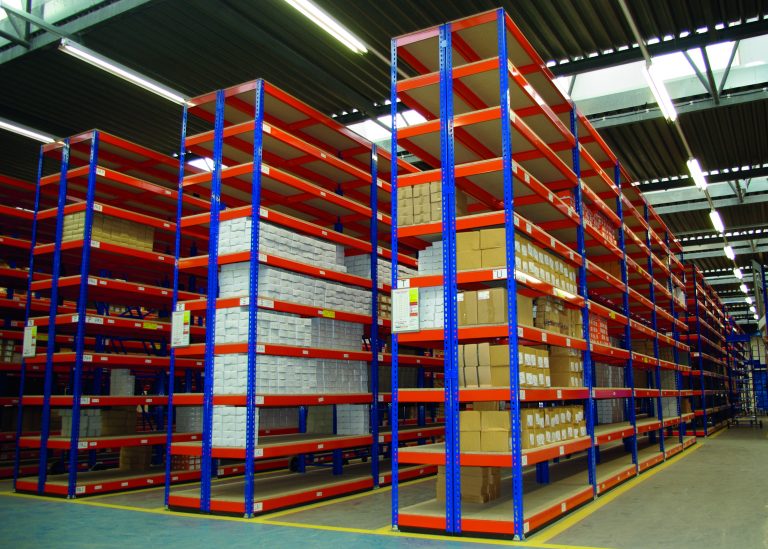
Storage is the act of keeping items or data in a secure place for future use, or the space/device itself where they are held. It involves storing physical goods in facilities like warehouses or retaining digital data on devices.
Example: Proper storage protects materials from damage and reduces waste.
fr: stockage
supply chain
noun
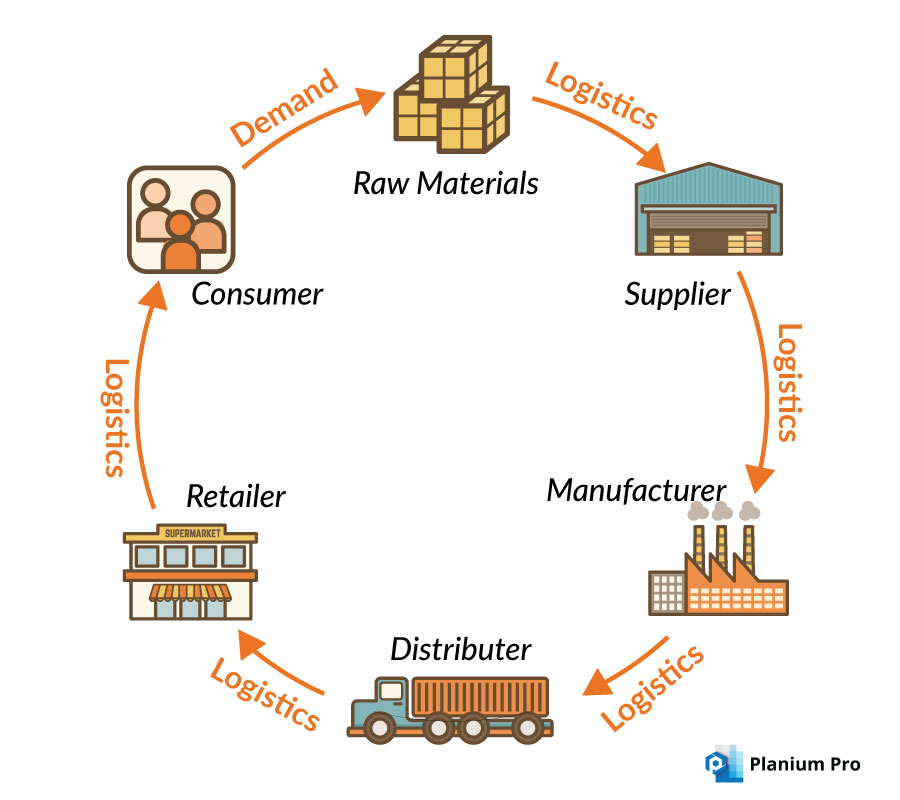
A supply chain is the entire network of individuals, organizations, resources, activities, and technology involved in creating and selling a product, spanning from the sourcing of raw materials to the manufacturing, distribution, and final delivery to the end user.
Example: A strong supply chain ensures products arrive on time and in good condition.
fr: chaîne d'approvisionnement
transportation
Transportation is the movement of people, animals, and goods from one location to another, serving as a critical component of infrastructure, trade, and logistics. It involves various modes: air, rail, road, water, cable, and pipelines, and encompasses the vehicles, operations.
Example: Efficient transportation reduces delivery time and lowers operating costs.