My name is Gabriel Brisson, and i'm currently studying Electrical Engineering in the college ahunstic. I'm trying to help other student with the most comun academic problem who is to understand all the difficult word and terms that we use the most in our techinque.
alternating current
Noun
An electric current that changes direction repeatedly at a certain frequency.
Example: Alternating current is like ocean waves, the water moves forward and backward again and again in a regular pattern.
en: Courant alternatif
Capacitor
Noun
An electronic component that stores electrical energy temporarily in an electric field.
Example: A capacitor stores energy and can release it very quickly, like when a camera flash turns on.
en: Un condensateur
Current
Noun
The movement of electric charge through a wire or circuit, measured in amperes
Example: The flow of electric charge through a wire or circuit, is like the number of cars driving on the highway and voltage would be the number of lanes on the highway
en: courant
Diode
Noun
An electronic component that allows electric current to flow in only one direction.
Example: A diode is like a one way street on a highway, cars can go in one direction.
en: Diode
Direct current - DC
Noun
An electric current that flows in only one direction.
Example: Direct current is like cars driving on a one way highway, they all move in the same direction.
en: Courant continue
Frequency
The term Frequency is a Noun.
the definition of the word Frequency is how many time ans eletrical signal or wave repeats every second and is very important to knows, because frquency is a basic terms that is use every where in electrical engineering.
Example: In Electrical Engineer carreer, we often check the frquency of a signal to make
en: Fréquence
Inductor
Noun
An electronic component that stores energy in a magnetic field when current flows through it
Example: An inductor resists sudden changes in current, helping to smooth electrical signals
en: Inductance ou bobine
insulator
Noun
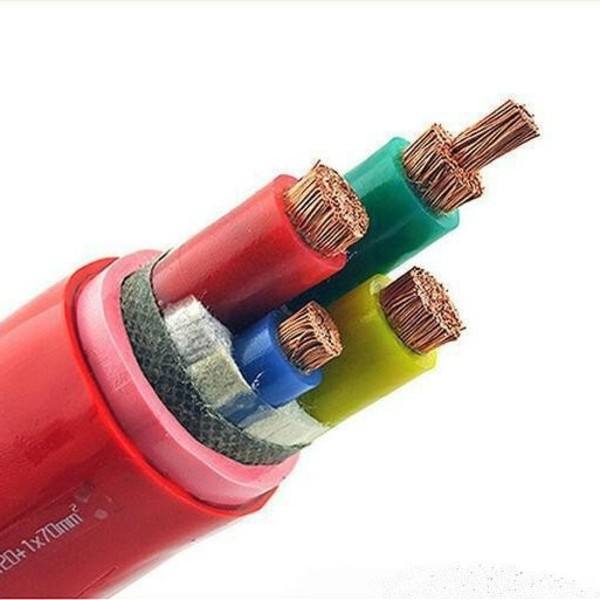
A material that does not allow electric current to flow easily. It is used to protect.
Example: Plastic around electrical wires acts as an insulator to keep people safe.
en: Isolant
Microcontroller
Noun
A small integrated circuit that contains a processor, memory, and input/output pins. It is used to control all electronic devices.
Example: A microcontroller is like a small brain inside a device, it reads information from sensors and decides.
en: Micro contrôleur
oscilloscope
Noun
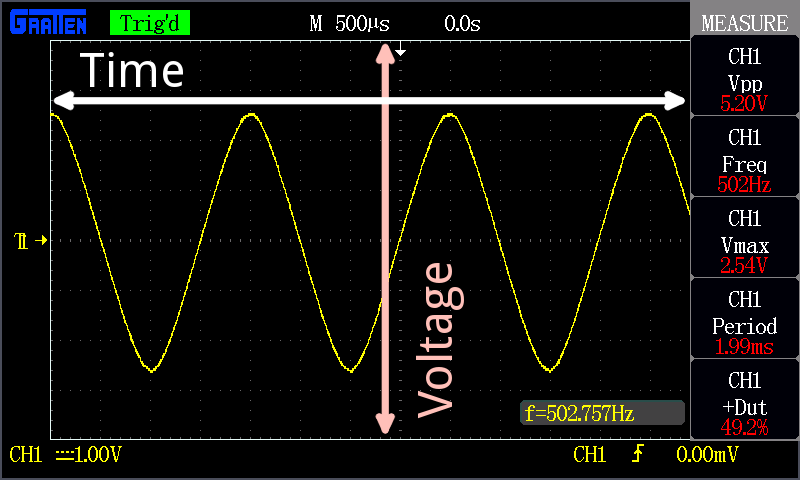
An electronic instrument used to display and analyze electrical signals as wave formes.
Example: An oscilloscope shows how a voltage signal changes over time or a certain frequency
en: Oscilloscope
Relay
Noun
An electrically operated switch that uses a small current to control a larger current
Example: A relay allows a small control signal to turn on a high-power motor safely
en: Relais
Resistance
Noun
The opposition to the flow of electric current in a circuit. It is measured in ohms
Example: Resistance is like traffic on a highway.
en: Resistance électrique
Tension
Noun
The difference in electric potential between two points that makes electric charges move in a circuit
Example: My car battery provides 12 volts of tension to start the car.
en: voltage ou tension
Transformer
Noun
A device that increases or decreases voltage in an circuit.
Example: A transformer lowers the voltage from power lines so it can be safely used in homes.
en: Transformateur
Transistor
Noun
A semiconductor device used to amplify or switch electronic signals
Example: A transistor can act like a tiny switch that turns a circuit on or off