Police officers use different language for clarity in high-pressure situations, to overcome language barriers with diverse communities, to maintain operational security and due to their own specific professional training. I made this glossary because I find the program really interesting and the language of the police officers is also interesting to understand.
alibi
noun
A claim or piece of evidence that one was elsewhere when an act, especially a criminal one, is alleged to have taken place.
Example: She has an alibi for the whole of yesterday evening.
fr: alibi, excuse
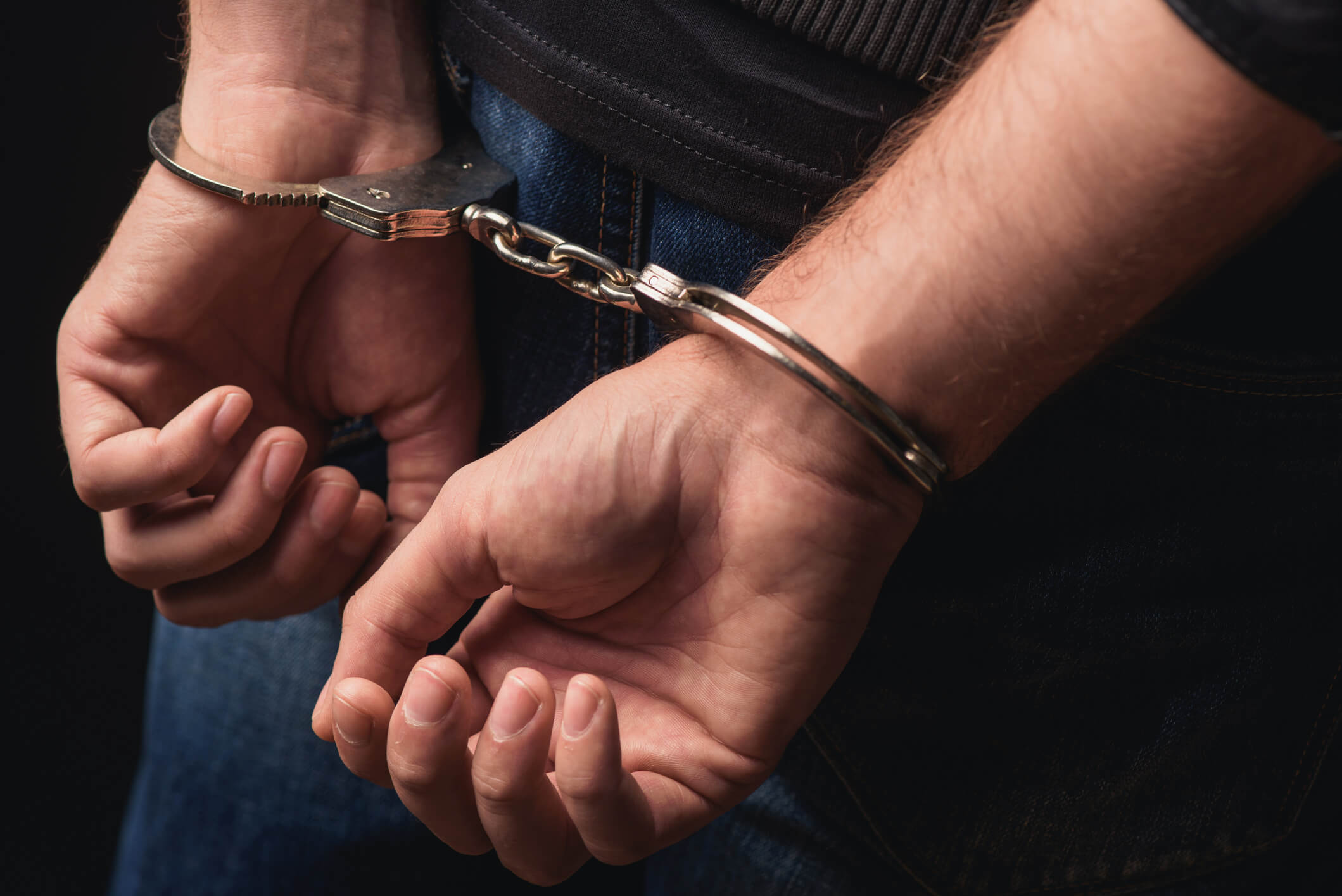
arrest
verb
The act of apprehending and taking a person into custody usually because the person has been suspected of or observed committing a crime.
Example: The police arrested someone for bad behavior.
fr: arrestation
autopsy
noun
A postmortem examination to discover the cause of death or the extent of disease.
Example: Doctors performed an autopsy on the victim's body.
fr: autopsie
crime scene
noun
Any physical location, person, or object associated with a committed crime where potential evidence is found, gathered, and analyzed by investigators. It includes the primary site of the incident and surrounding areas containing relevant, fragile, or trace evidence that links a suspect to a victim.
Example: We found evidences left on the crime scene.
fr: scene de crime
criminal record
noun
A list of a person's previous criminal convictions.
Example: He can't do this job because of his criminal record.
fr: casier judiciaire
drug trafficking
noun
The process by which individuals grow, manufacture, and sell illicit drugs to the public.
Example: They are drug trafficking all around the country.
fr: trafic de drogues
evidence
noun
The available body of facts or information indicating whether a belief or proposition is true or valid.
Example: The study finds little evidence of overt discrimination.
fr: preuves
fingerprints
noun
An impression or mark made on a surface by a person's fingertip, especially as used for identifying individuals from the unique pattern of whorls and lines.
Example: The police has his fingerprints on file.
fr: empreintes digitales
infraction
noun
A violation or infringement of a law or agreement.
Example: They committed an infraction by driving faster than the permitted speed.
fr: infraction
interrogation
verb
The formal questioning of a suspect, often by law enforcement or investigators in relation to the commission of a crime or wrongdoing.
Example: They were placed in a room for interrogation.
fr: interrogatoire
jail
noun
A place for the confinement of people accused or convicted of a crime.
Example: He stayed 15 months in jail.
fr: prison
murder
verb
Kill someone unlawfully and with premeditation.
Example: Somebody tried to murder my friend.
fr: assassiner
patrol
noun
An expedition to keep watch over an area, especially by guards or police walking or driving around at regular intervals.
Example: We were ordered to investigate on a night patrol.
fr: patrouille
police equipment
noun
All the clothing, weapons, communication tools, and vehicles used by officers to maintain order, ensure public safety, and protect themselves during their interventions. It includes uniforms, bulletproof vests, batons, handcuffs, radios, and body cameras.
Example: Police officer needs to wear their police equipment to be ready to go on patrol.
fr: équipement policier
suspect
noun
A person thought to be guilty of a crime or offense.
Example: We saw the suspect exit from the back.
fr: suspect
victim
noun
A person harmed, injured, or killed as a result of a crime, accident, or other event or action.
Example: She was victims of domestic violence.
fr: victime
warrant
noun
A document issued by a legal or government official authorizing the police or some other body to make an arrest, search premises or carry out some other action relating to the administration of justice.
Example: We have a warrant to search your property.
fr: mandat d'arrêt
weapons
noun
A thing designed or used for inflicting bodily harm or physical damage.