10 A glossary of some term in the profession of Diagnostic Imaging. terms
I made this glossary to help others to understand better words that can be difficult to understand, or that you didn't know. This glossary will contain 10 words that I most will use. While the reading of my blog, I would like you to look at these words, when you don't understand what I am talking about.
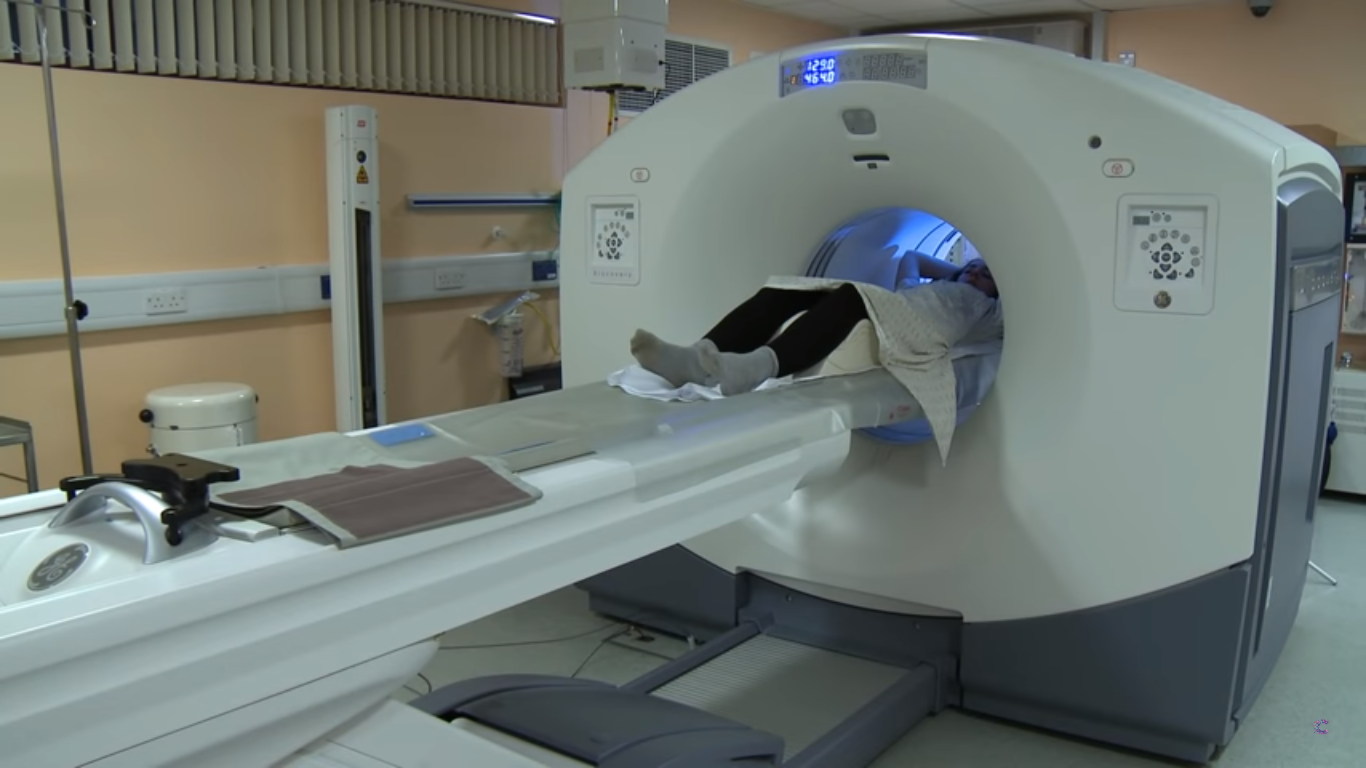
Computed Tomography
noun
A computerized tomography scan, also called a CT scan, is a type of imaging that uses X-ray techniques to create detailed images of the body.
Example: Future directions for detection of coronary reperfusion after thrombolytic therapy Coronary echocardiography, Magnetic resonance imaging (MRI), Cardiac Computed Tomography scanner (CT) and transthoracic Doppler echocardiography (TTDE) are just some of the emerging techniques used by clinicians to accurately evaluate IRA patency, providing information on coronary reperfusion.
fr: Tomodensitométrie
Contrast Agent
noun
A contrast agent (or contrast medium) is a substance used in medical imaging—such as X-rays, CT scans, MRIs, or ultrasounds—to enhance the visibility of internal body structures
Example: A substance (like barium or iodine) administered to a patient to enhance the visibility of specific organs or blood vessels during a scan.
fr: Agent de contraste
Fluoroscopy
noun
A Fluoroscopy is a medical imaging technique that uses X-rays to produce real-time, moving images of the body's internal structures, similar to an X-ray "movie".
Example: A "moving X-ray" that shows body structures in motion, often used to guide medical procedures or evaluate the gastrointestinal tract.
fr: Fluoroscopie
Magnetic Resonance Imaging
noun
A form of medical imaging that measures the response of the atomic nuclei of body tissues to high-frequency radio waves when placed in a strong magnetic field, and that produces images of the internal organs.
Example: Efficacy of Magnetic Resonance Imaging and mammography for breast cancer screening in women with a familial or genetic predisposition.
fr: Imagerie par résonance magnétique
Mammography
noun
A mammogram is a low-dose X-ray image of the breast used to detect breast cancer early, often before lumps are felt.
Example: For example, a new study indicates that MRI (71%) is more sensitive than MAMMOGRAPHY (40%) for detecting cancers in women with inherited susceptibility (40).
fr: Mammographie
Nuclear Medicine
noun
The branch of medicine that deals with the use of radioactive substances in research, diagnosis, and treatment.
Example: PET scans for cancer, cardiac stress tests, and bone scans.
fr: Médecine nucléaire
Positron Emission Tomography
noun
Positron emission tomography (PET) is a nuclear imaging test that evaluates how organs and tissues function at a cellular level using a radioactive tracer injected into the body. By detecting metabolic activity, it creates 3D color images to detect diseases like cancer, brain disorders, and heart issues often before they appear on CT or MRI scans.
Example: POSITRON EMISSION TOMOGRAPHY (PET) is a technique which measures gamma-ray activity in the brain by injecting radioactive particles into the blood.
fr: Tomographie par émission de positons
Radiopaque
noun
Radiopaque materials are substances that block X-rays, appearing white or light gray on images, such as metal (coins, keys), bones, tooth enamel, contrast agents (barium), and certain stones.
Example: Surgical instruments, implants, dental fillings, and dense, swallowed objects.
fr: Radio-opaque
Ultrasound
noun
Ultrasound, or sonography, is a non-invasive, radiation-free diagnostic medical imaging technique that uses high-frequency sound waves to create real-time, 2D or 3D images of soft tissues, organs, and blood flow inside the body.
Example: Renal tract ULTRASOUND - generalized increased echogenicity of the renal cortex consistent with chronic renal disease most likely of renovascular origin.
fr: Ultrason
X-ray
noun
A photographic or digital image of the internal composition of something, especially a part of the body, produced by X-rays being passed through it.
Example: I'm afraid the X-RAY findings have confirmed that you have broken your hip and will be requiring some major surgery to replace the hip joint Prescription medical intervention Assess vital signs.