20 I describe the different way to speak on the Nuclear Medicine Glossary terms
This Nuclear Medicine Glossary is designed to provide clear, concise definitions of key terms commonly used in the field of nuclear medicine. Whether you're a student, healthcare professional, or simply curious, this glossary serves as a helpful reference for understanding the specialized vocabulary associated with imaging techniques, radiopharmaceuticals, and medical procedures. By compiling these terms, I aim to make nuclear medicine more accessible, helping users navigate complex concepts and enhance their knowledge of this essential medical discipline.
malignant
Adjective
Describes something harmful, dangerous, or very severe in nature, especially referring to diseases or tumors. A malignant disease or tumor is one that is likely to get worse or spread, typically associated with cancer.
Example: The doctors confirmed that the tumor was malignant, requiring immediate treatment.
en: Malin
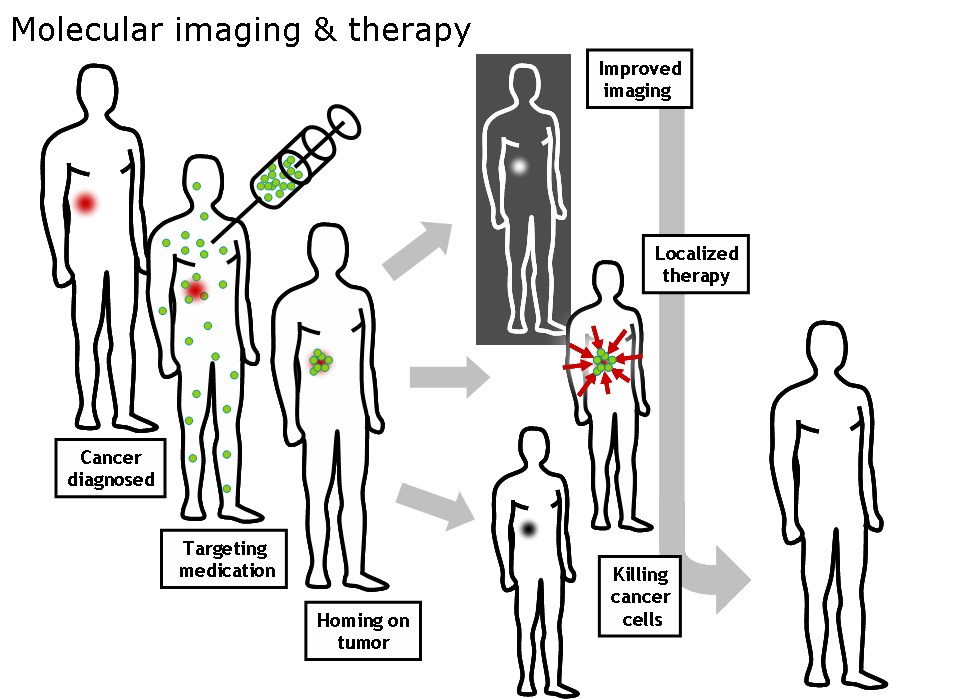
medication
Noun
A substance used for medical treatment to alleviate symptoms, cure illness, or prevent disease. It can come in various forms like pills, injections, or topical treatments.
Example: The doctor prescribed new medication to help manage her chronic pain.
en: Médicament
molecular imaging
Noun
Noun: A medical imaging technique that uses molecular markers to observe biological processes within living organisms at the molecular level. This technology is often used in research, diagnosis, and monitoring treatment of diseases, particularly cancer.
Example: Molecular imaging is revolutionizing the way doctors detect early stages of cancer by allowing them to visualize cellular activity.
en: Imagerie moléculaire
mouthpiece
Noun
Physical object: A part of a device or instrument that is placed in the mouth, such as in a musical instrument (e.g., trumpet mouthpiece) or a medical device (e.g., a mouthpiece for a nebulizer).
Example: He adjusted the mouthpiece of the trumpet before starting his solo.
en: Embout
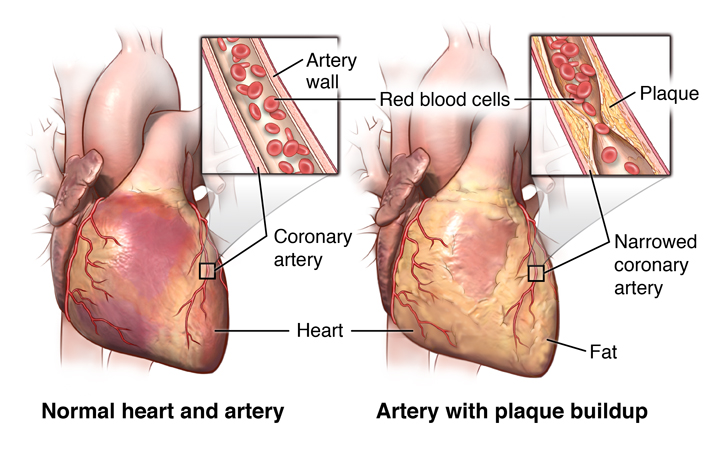
myocardial perfusion
Noun
Myocardial perfusion refers to the process of blood flowing through the heart muscle (myocardium). This is essential for delivering oxygen and nutrients to the heart tissue. In medical diagnostics, myocardial perfusion is often assessed through imaging techniques, such as a myocardial perfusion scan, to evaluate the health of the heart and detect conditions like coronary artery disease.
Example: The doctor ordered a myocardial perfusion scan to assess the blood flow to the heart muscle and check for any blockages.
en: French: Perfusion myocardique
nausea
Noun
Noun: A feeling of discomfort in the stomach that often comes before vomiting. It can be caused by many factors, including illness, motion sickness, pregnancy, food poisoning, or side effects from medications.
Example: She felt a wave of nausea after eating something that didn’t sit well with her stomach.
en: Nausée
nauseous
Adjective
Adjective: Describes the feeling of nausea or a sensation of being about to vomit. It can refer to a person who feels sick or to something that causes the sensation of nausea.
Example: After the long car ride, I started to feel nauseous from the motion.
en: Nauséeux / Nauséeuse
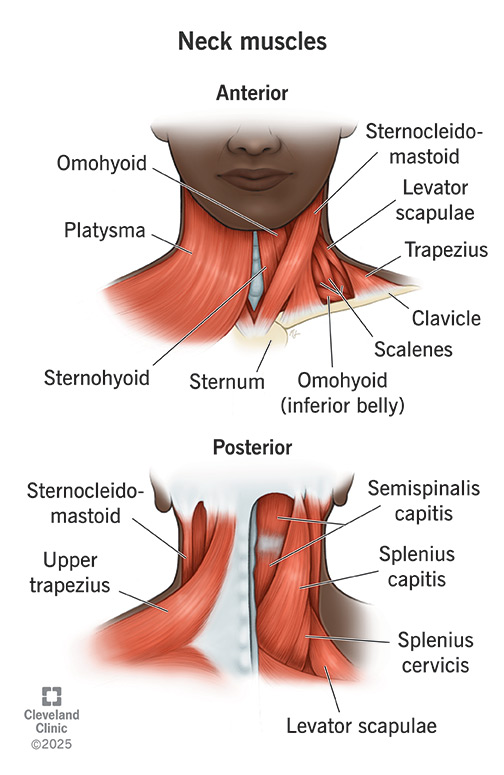
neck
Noun
Noun: The part of the body that connects the head to the rest of the body. It contains vital structures such as the throat, windpipe (trachea), esophagus, and blood vessels. The neck also supports the head and allows for its movement.
Example: He wore a scarf around his neck to keep warm in the cold weather.
en: Cou
necklace
Noun
Noun: A piece of jewelry worn around the neck, typically made of a chain, cord, or band with a decorative element (such as a pendant, charm, or gemstone) attached.
Example: She wore a beautiful gold necklace with a diamond pendant that sparkled in the light.
en: Collier
noninvasive
Adjective
Adjective: Referring to procedures, treatments, or techniques that do not require the insertion of instruments into the body or breaking the skin. Noninvasive methods are typically safer and less stressful for patients, as they avoid cuts, incisions, or other invasive actions.
Example: The doctor recommended a noninvasive procedure to monitor the patient’s heart activity, such as an ECG, rather than a surgical approach.
en: Non invasif
nuclide
Noun
Noun: A species of atom characterized by its nuclear composition, including the number of protons, neutrons, and its energy state. Nuclides can be stable or radioactive. In nuclear physics and chemistry, a nuclide is used to describe a specific isotope of an element.
Example: Carbon-14 is a radioactive nuclide commonly used in radiocarbon dating to determine the age of ancient artifacts.
en: Nucléide
organ
Noun
Noun: A specialized structure within a living organism that performs a specific function essential to life. Examples include the heart, lungs, kidneys, and liver. Each organ is made up of tissues that work together to perform its role in the body.
Example: The heart is an organ that pumps blood throughout the body.
en: Organe
pain
Noun
Noun: A specialized structure within a living organism that performs a specific function necessary for the organism’s survival. Organs are made up of tissues that work together to perform particular tasks (e.g., heart, lungs, liver, kidneys). In a more general sense, an organ can also refer to a musical instrument that produces sound by air passing through pipes.
Example: The heart is an essential organ responsible for pumping blood throughout the body.
en: Organe
painless
Adjective
Adjective: Describing something that does not cause pain or discomfort. It can refer to a medical procedure, treatment, or experience that is free from pain.
Example: The new dental procedure is completely painless, and the patient feels no discomfort during the treatment.
en: Indolore
parathyroid
Adjective
Adjective: Referring to the parathyroid glands, which are small endocrine glands located near or attached to the thyroid gland in the neck. These glands are responsible for regulating calcium levels in the blood and bones through the secretion of parathyroid hormone (PTH).
Example: The doctor explained that the parathyroid glands help regulate calcium, and problems with them can lead to bone or kidney issues.
en: Parathyroïde
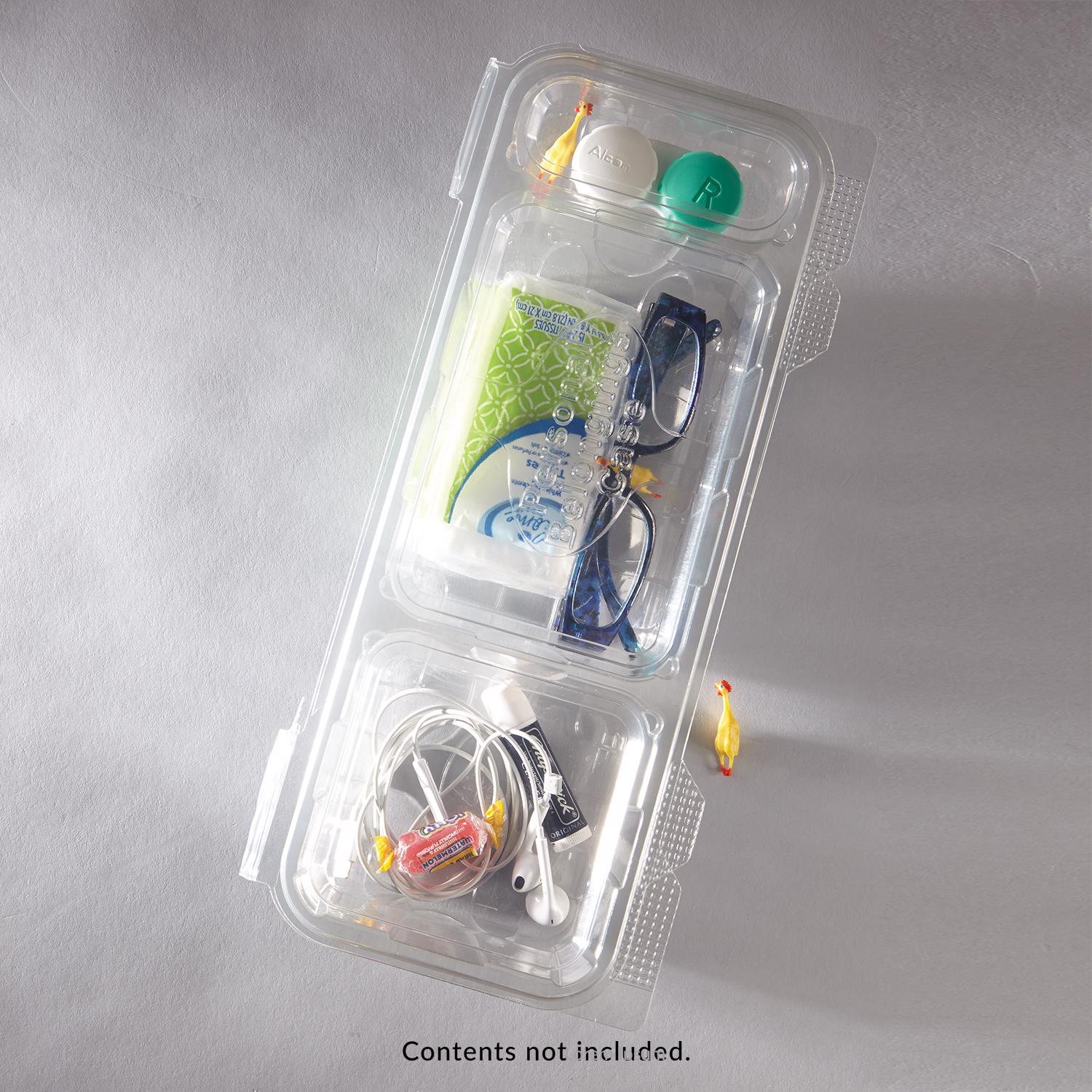
personal belongings
Noun Phrase
Noun Phrase: Refers to items or possessions that belong to an individual. Personal belongings typically include things like clothes, jewelry, books, electronics, or other items of a personal nature that a person owns and carries with them.
Example: She packed her personal belongings into a suitcase before leaving for the trip.
en: Effets personnels
positron
Noun
Noun: A subatomic particle with the same mass as an electron but with a positive charge. Positrons are the antimatter counterpart of electrons. They are often produced in certain types of radioactive decay and are used in positron emission tomography (PET) scans for medical imaging.
Example: In a PET scan, positrons are emitted from a radiotracer and interact with electrons in the body, producing gamma rays that are detected to create images.
Image:
en: Positron
positron emission tomography
Noun Phrase
Positron Emission Tomography (PET) is a type of medical imaging that uses small amounts of radioactive substances to observe the metabolic processes in the body. PET scans are often used to detect cancer, monitor heart conditions, and examine brain function. The technique involves injecting a radiotracer into the body, which emits positrons that are detected by the scanner to create detailed images of the body's tissues and organs.
Example: The doctor recommended a positron emission tomography (PET) scan to assess the spread of cancer cells in the patient’s body.
en: Tomographie par émission de positrons
premedication
Noun: Medication given before a procedure or treatment to prepare the body, alleviate pain, reduce anxiety, or prevent complications. It is commonly used before surgeries, diagnostic tests, or other medical treatments. Premedication may include pain relievers, anti-anxiety medications, or sedatives.
Example: The patient was given premedication to help relax before the surgery and to minimize pain during the procedure.
en: Prémédication
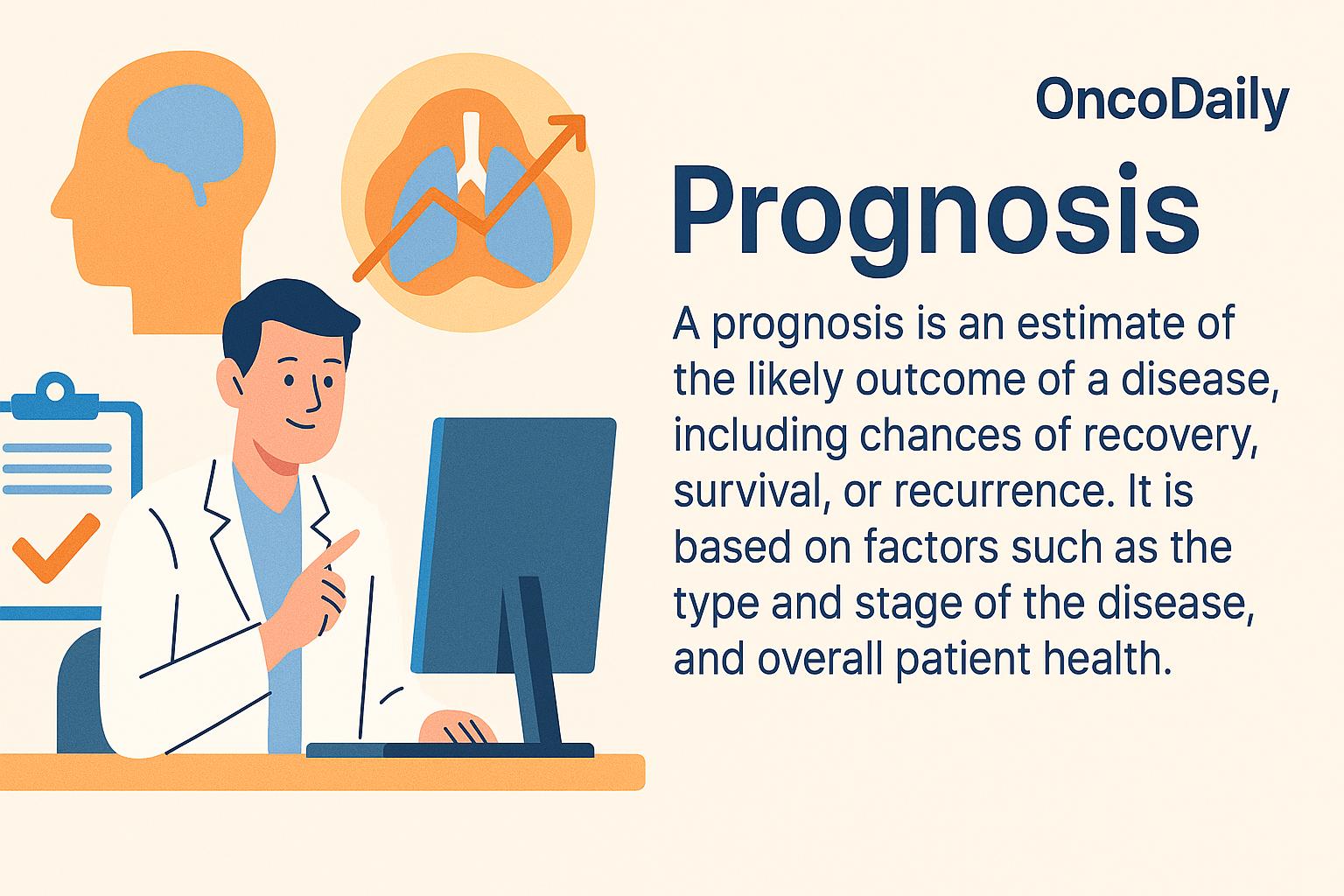
prognosis
Noun
Noun: A medical term that refers to the predicted course or outcome of a disease or condition. It is the forecast made by a doctor based on the severity of the illness, its stage, and other individual factors. The prognosis can be positive (e.g., the condition is expected to improve) or negative (e.g., the condition may worsen or be fatal).
Example: The doctor gave a positive prognosis after the surgery, believing the patient would recover fully.
:max_bytes(150000):strip_icc()/514240-article-img-malignant-vs-benign-tumor2111891f-54cc-47aa-8967-4cd5411fdb2f-5a2848f122fa3a0037c544be.png)