This glossary was created to help people better understand words using in social work. Because many terms are commonly used by professional, but theirs meaning was not clear for everyone.
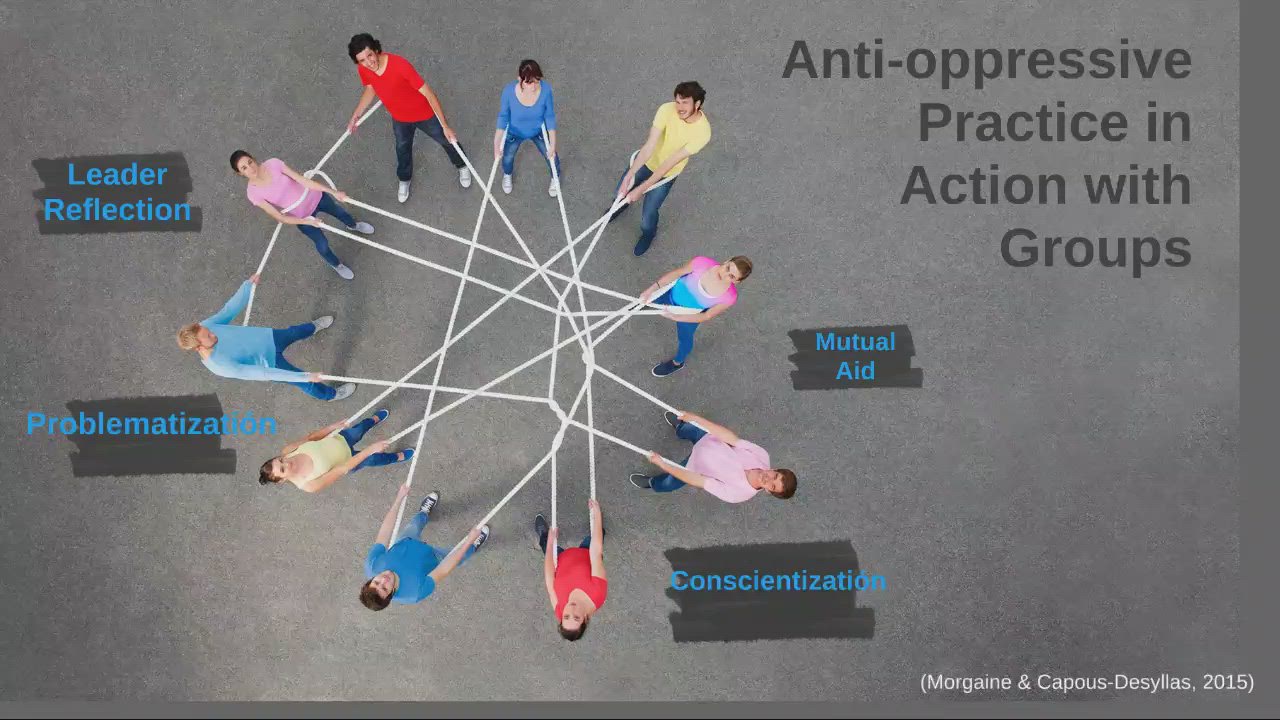
Anti‑Oppressive Practice
noun phrase
Anti‑oppressive practice is an approach in social work that aims to recognize, challenge, and reduce power imbalances, discrimination, and systemic inequalities within interventions, institutions, and society.
Example: Anti‑oppressive practice guides the worker to challenge systemic barriers affecting the client.
fr: La pratique anti‑oppressive est une approche en travail social qui vise à reconnaître, contester et réduire les déséquilibres de pouvoir, la discrimination et les inégalités systémiques dans les interventions, les institutions et la société.
Boundaries
Noun
Boundaries refer to the limits emotional, physical, professional, or relational that define what is acceptable or not in interactions. In social work, boundaries protect both the client and the worker by ensuring ethical, respectful, and safe relationships
Example: Maintaining clear boundaries helps build a safe and ethical helping relationship.
fr: Les limites professionnelles désignent les frontières — émotionnelles, physiques, professionnelles ou relationnelles — qui définissent ce qui est acceptable ou non dans les interactions. En travail social, elles protègent à la fois le client et l’intervenant en assurant une relation éthique, respectueuse et sécuritaire.
Case Management
noun phrase
Case management is a coordinated process in which a professional assesses a person’s needs, plans services, connects them to resources, monitors progress, and advocates on their behalf to ensure they receive appropriate and continuous support.
Example: “Effective case management helped the client access the services they needed.”
fr: La gestion de cas est un processus coordonné dans lequel un professionnel évalue les besoins d’une personne, planifie les services, la met en lien avec les ressources, suit l’évolution de la situation et défend ses intérêts afin d’assurer un soutien approprié et continu.
Coercive control
noun phrase
Coercive control refers to a pattern of behaviors used to dominate, isolate, intimidate, or restrict a partner’s freedom in an ongoing way, often without physical violence. It aims to create fear, dependency, and loss of autonomy.
Example: “The social worker identified signs of coercive control in the relationship.”
fr: Le contrôle coercitif désigne un ensemble de comportements visant à dominer, isoler, intimider ou limiter la liberté d’un partenaire de manière continue, souvent sans violence physique.
Cultural Competence
noun phrase
Cultural competence refers to a professional’s ability to understand, respect, and effectively work with people from diverse cultural backgrounds by being aware of their own biases, adapting their practice, and valuing cultural differences.
Example: “Cultural competence is essential when working with diverse families.”
fr: La compétence culturelle désigne la capacité d’un professionnel à comprendre, respecter et intervenir efficacement auprès de personnes issues de milieux culturels divers, en reconnaissant ses propres biais, en adaptant sa pratique et en valorisant les différences culturelles.
Empowerment
noun
Empowerment refers to the process of helping individuals or communities gain control over their lives by strengthening their confidence, skills, autonomy, and ability t
Example: “The program focuses on empowerment to help clients build confidence and independence.”
fr: L’autonomisation désigne le processus qui consiste à aider des individus ou des communautés à reprendre du pouvoir sur leur vie en renforçant leur confiance, leurs compétences, leur autonomie et leur capacité à prendre des décisions éclairées.
Harm Reduction
Noun
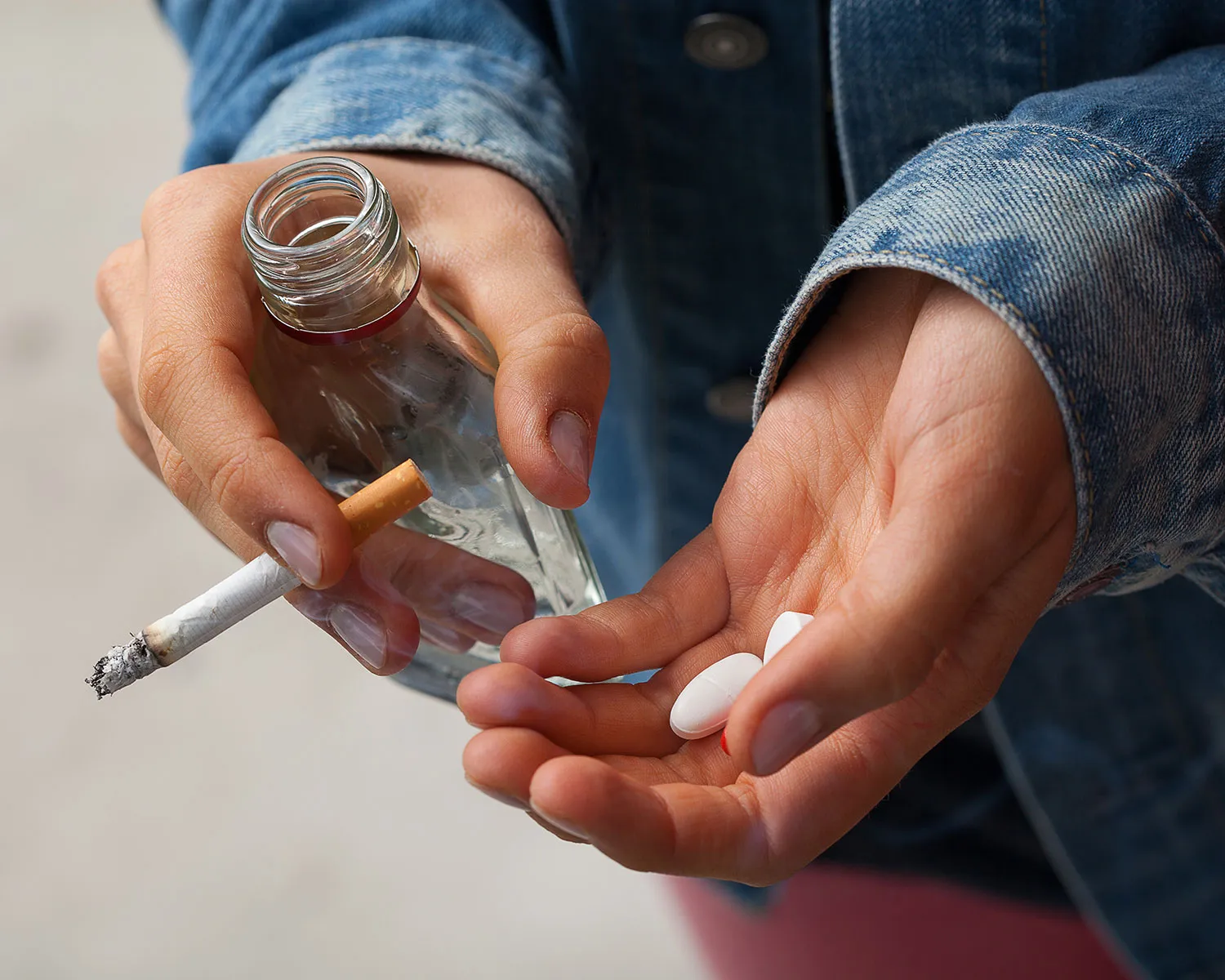
Harm reduction refers to a set of practical strategies aimed at minimizing the negative consequences of certain behaviors—such as substance use—without requiring the person to stop the behavior entirely. It focuses on safety, dignity, and meeting people where they are.
Example: “The program uses a harm reduction approach to support clients safely.”
fr: La réduction des méfaits désigne un ensemble de stratégies pratiques visant à réduire les conséquences négatives de certains comportements — comme la consommation de substances — sans exiger l’arrêt complet du comportement. Elle met l’accent sur la sécurité, la dignité et le respect du rythme de la personne.
Intersectionality
Noun
Intersectionality is the recognition those individuals can experience multiple forms of oppression that intersect and interact with one another.
Example: Intersectionality helps social workers understand how multiple forms of oppression affect an individual at the same time.
fr: L'intersectionnalité désigne l'étude des discriminations et oppressions qui se croisent et se renforcent simultanément chez une même personne.
Judicialization
Noun
The term "judiciarisation" refers to the process of preferentially resorting to judicial solutions to resolve disputes, rather than seeking amiable agreements or mediation. It often implies a trend towards increasing the use of legal means in various contexts, such as medicine or social issues.
Example: The judicialization of social policies can sometimes make it more difficult for people experiencing homelessness to access essential services.
fr: Propension à privilégier le recours aux tribunaux pour trancher des litiges qui pourraient être réglés par d'autres voies (médiation, accord amiable).
marginalization
noun
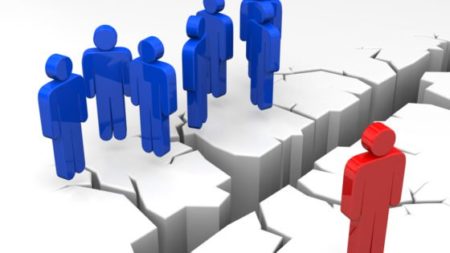
Marginalization is the process by which indivudals or groups are pushed to the edge of society and excluded from full participation in social,economic , politicial or cultural life. It often occurs because of factors such a poverty , discrimination , ethnicity and social status.
Example: The long-term marginalization of rural communities has led to significant economic and social disparities.
fr: Marginalisation
Protective factors
compound noun
The protective factors are the conditions or supports that help reduce risk and protect a person's well-being.
Example: A strong family support and positive school environments are important protective factors in a child's development.
fr: Facteurs de protection
Psychosocial assessment
Adjective + noun
Psychosocial assessment is a professional evaluation that looks at a person’s psychological (thoughts, emotions, behavior) and social (relationships, environment, support systems) situation to understand their overall well‑being and needs.
Example: “As a social worker, I conducted a detailed psychosocial assessment to better understand the client’s needs and determine the most appropriate support.”
fr: Une évaluation psychosociale est une analyse professionnelle qui examine la situation psychologique (pensées, émotions, comportements) et sociale (relations, environnement, soutien) d’une personne afin de comprendre son bien‑être global et ses besoins.
Safety Planning
noun phrase
Safety planning is a structured process in which a professional helps a person identify strategies, resources, and steps to stay safe during situations of danger, such as domestic violence, crisis, or risk of harm.
Example: “The social worker developed a safety plan with the client.”
fr: La planification de la sécurité est un processus structuré où un professionnel aide une personne à identifier des stratégies, des ressources et des actions pour rester en sécurité lors de situations dangereuses, comme la violence conjugale, une crise ou un risque de préjudice.
Social Determinants of Health
Noun phrase
Social determinants of health refer to the social, economic, and environmental conditions that influence a person’s health and well‑being, such as income, education, housing, access to services, and social support.
Example: “The assessment considered the social determinants of health affecting the client’s situation.”
fr: Les déterminants sociaux de la santé désignent les conditions sociales, économiques et environnementales qui influencent la santé et le bien‑être d’une personne, comme le revenu, l’éducation, le logement, l’accès aux services et le soutien social.
Social Inclusion
noun phrase
Social inclusion refers to the process of ensuring that individuals or groups especially those who are marginalized have equal opportunities to participate fully in society, access resources, exercise their rights, and feel valued and connected within their community.
Example: The program promotes social inclusion by reducing barriers to community participation.
fr: L’inclusion sociale désigne le processus qui vise à garantir que les individus ou groupes — particulièrement ceux marginalisés — aient des opportunités égales de participer pleinement à la société, d’accéder aux ressources, d’exercer leurs droits et de se sentir valorisés et intégrés dans leur communauté.
Strength-Based Approach
noun phrase
A strength‑based approach is a practice that focuses on identifying and building on a person’s existing abilities, resources, resilience, and potential rather than emphasizing their problems, deficits, or limitations.
Example: The intervention used a strength‑based approach to support the client’s progress
fr: L’approche centrée sur les forces est une pratique qui consiste à identifier et à renforcer les capacités, les ressources, la résilience et le potentiel d’une personne plutôt que de mettre l’accent sur ses problèmes, ses déficits ou ses limites.
Structural Functionalism
noun phrase
Structural functionalism is a sociological theory that views society as a complex system made up of interdependent structures (institutions, norms, roles) that work together to maintain stability, order, and social cohesion. Each part of society has a function that contributes to the overall functioning of the system.
Example: Structural functionalism helps explain how social institutions contribute to societal stability.
fr: Le fonctionnalisme structurel est une théorie sociologique qui considère la société comme un système complexe composé de structures interdépendantes (institutions, normes, rôles) qui travaillent ensemble pour maintenir la stabilité, l’ordre et la cohésion sociale. Chaque élément de la société remplit une fonction qui contribue au fonctionnement global du système.
System of oppression
Noun + prepositional phrase
Structures of oppression or systemic oppression are defined as “historical and organized patterns of mistreatment”. It is any system which works to alienate certain members of society from access to resources, privileges and opportunities that would otherwise be available to the rest of society.
Example: Racism operates as a system of oppression.
fr: Les structures d'oppression ou l'oppression systémique sont définies comme des « modèles historiques et organisés de mauvais traitements ». Il s'agit de tout système qui cherche à éloigner certains membres de la société de l'accès aux ressources, aux privilèges et aux opportunités qui seraient autrement disponibles pour le reste de la société.
Trauma-Informed Practice
noun phrase
Trauma‑informed practice is an approach that recognizes the widespread impact of trauma and integrates this understanding into all aspects of support, ensuring safety, choice, empowerment, and sensitivity to avoid re‑traumatization.
Example: The team uses a trauma‑informed practice to support clients with complex histories.
fr: La pratique informée par les traumatismes est une approche qui reconnaît l’impact généralisé des traumatismes et intègre cette compréhension dans toutes les interventions, en assurant la sécurité, le choix, l’autonomisation et la sensibilité afin d’éviter toute retraumatisation.
Vulnerability
noun
Vulnerability refers to a person’s increased likelihood of experiencing harm, stress, or negative outcomes due to personal, social, economic, or environmental factors that reduce their ability to cope or protect themselves.
Example: “The assessment identified several factors contributing to the client’s vulnerability.”
fr: La vulnérabilité désigne une probabilité accrue pour une personne de vivre du préjudice, du stress ou des conséquences négatives en raison de facteurs personnels, sociaux, économiques ou environnementaux qui diminuent sa capacité à faire face ou à se protéger.