This glossary help you to understand basic words to start nursing school.
bandage
noun
A strip of material used to bind a wound or to protect an injured part of the body.
Example: The application of a firm compression BANDAGE as support, and elevation of the limb.
en: pansement
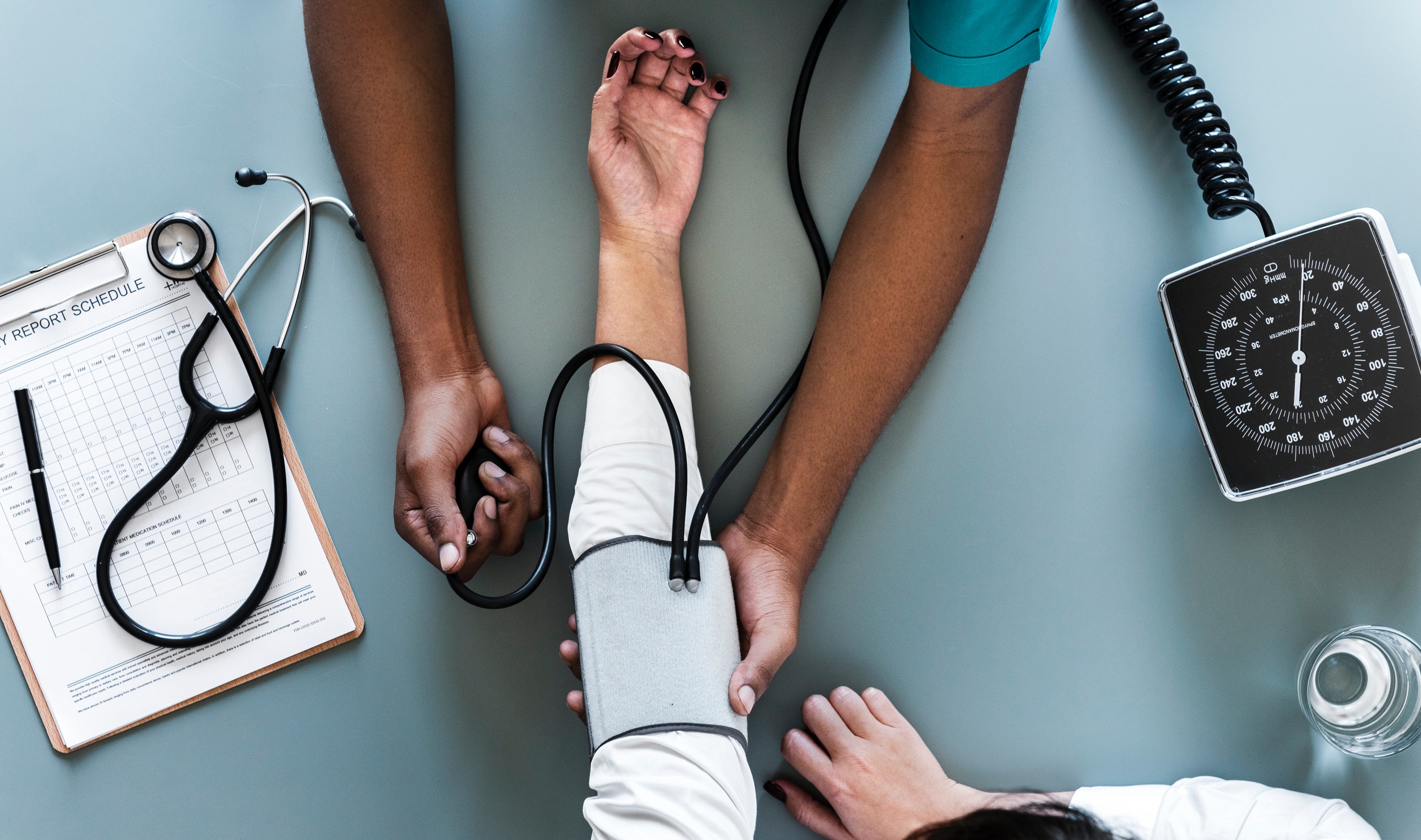
blood pressure monitor
noun
A non-invasive medical device used to measure the force of blood against artery walls, consisting of an inflatable cuff, a measurement unit, and a mechanism for inflation.
Example: It is important to regularly monitor your blood pressure if you have a heart condition.
en: tensiomètre
body
noun
.
the physical structure of a person.
Example: However, training to present BODY-parts and desensitisation of medical treatments and instruments has negated the need for immobilisation in many cases.
en: corps
Diagnosis
Noun
The identification of the nature of an illness or other problem by examination of the symptoms.
Example: Genetic counselling offers DIAGNOSIS, information, risk estimation, and support to individuals and families with genetic disorders.
en: Diagnostique
Diet
noun
A special course of food to which one restricts oneself, either to lose weight or for medical reasons.
Example: Ketosis can be caused by an imbalance of nutrients in the DIET, but also if other diseases have occurred which lead to a reduction in appetite and therefore feed intake.
en: Diète
Emergency
noun
A serious, unexpected, and often dangerous situation requiring immediate action.
Example: EMERGENCY arterial reconstruction for acute ischaemia.
en: Urgence
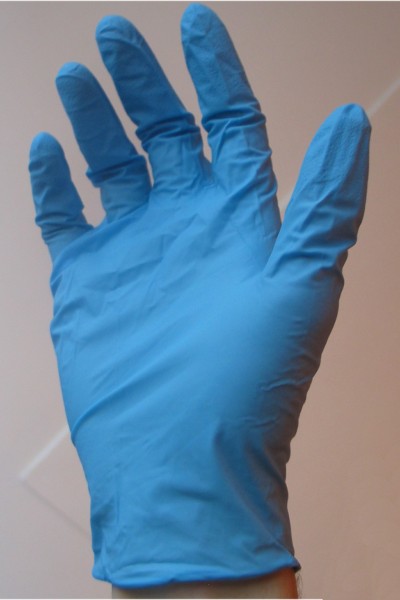
Glove
noun
Disposable, Class I or II medical devices acting as personal protective equipment (PPE) to create a protective barrier against cross-contamination between patients and healthcare workers.
Example: You would therefore expect to see some blood on the GLOVE following PR. 's pale conjunctiva and pallor are indicative of anaemia, confirming reduced levels of haemoglobin, most likely as a result of blood loss.
en: gant
Medication
noun
A substance used for medical treatment, especially a medicine or drug.
Example: The practitioner needs to take care when giving advice on non-prescription medication.
en: Médicament
safety goggles
noun
A form of personal protective equipment (PPE) designed to form a complete, secure seal around the eyes, protecting them from hazardous particles, chemicals, splashes, and flying debris.
Example: Safety goggles and gloves should be worn while handling chemicals to ensure personal safety, as recommended by laboratory protocols.
en: Lunette de protection
sanitizing
noun
The process of making something free from bacteria or other living microorganisms.
Example: Sanitizing your instrument is important before using it.
en: désinfection
sterile
adjective
Free from bacteria or other living microorganisms; totally clean.
Example: All handling of product post-process must be within the STERILE environment.
en: Stérile
stethoscope
noun
A medical instrument for listening to the action of someone's heart or breathing, typically having a small disk-shaped resonator that is placed against the chest, and two tubes connected to earpieces.
Example: Take your stethoscope to listen to his lungs.
en: Stéthoscope
Symptom
noun
A physical or mental feature which is regarded as indicating a condition of disease, particularly such a feature that is apparent to the patient.
Example: The presenting cough is a frequent SYMPTOM associated with asthma.
en: symptôme
syringe
noun
A tube with a nozzle and piston or bulb for sucking in and ejecting liquid in a thin stream, used for cleaning wounds or body cavities, or fitted with a hollow needle for injecting or withdrawing fluids.
Example: To begin a calibration mixture was prepared in triplicate of the following composition: 1000L of 25mg% propan-1-ol internal standard solution and 400L of 80mg% ethanol standard solution; this was taken by micro SYRINGE into clean dry clip top vials which were flowingly capped to prevent loss of ethanol.
en: seringue
Thermometer
noun
An instrument used to measure temperature—the degree of hotness or coldness of a substance.
Example: It is more desirable to monitor the room temperature is between 20 - 25 o C using a THERMOMETER.
en: thermomètre
urinary catheter
noun
A flexible tube inserted into the bladder—usually via the urethra or a lower abdominal incision—to drain and collect urine in a bag.
Example: No sputum pot, URINARY CATHETER or walking aids were present at the bedside.
en: cathéter urinaire
Vital signs
Noun
Essential, objective measurements of the body's most basic functions, used by healthcare professionals to evaluate physical health, detect medical problems, and monitor illness.
en: Signes vitaux
Walker
noun
A device for helping a baby learn to walk, consisting of a harness set into a frame on wheels.
Example: But he's already donated his walker to a medical facility near his Indiana home.
en: déembulateur
wheelchair
noun
A chair fitted with wheels for use as a means of transport by a person who is is unable to walk, or finds walking difficult, as a result of illness, injury, or disability.
Example: Patient was WHEELCHAIR bound due to the pain he was getting from his knees due to osteoarthritis.
en: Chaise roulante
Wound
noun
An injury to living tissue caused by a cut, blow, or other impact, typically one in which the skin is cut or broken.
Example: Then he will have a skin graft applied to the WOUND.