Mérici college (QC) offer one of the best Aviation Program in Quebec
Aerodynamics
adjective
The study of how air interacts with moving objects.
Example: Planes are very aerodynamics.
fr: Aérodynamique
Ailerons
noun
A movable surface on the wing that controls roll (tilting left or right).
Example: Ailerons are making the plane turns.
fr: Ailerons
Airplane
noun
A powered, fixed-wing aircraft designed for flight, supported by the dynamic reaction of air against its wings and propelled by jet engines or propellers.
Example: There an airplane flying above us.
fr: Avion
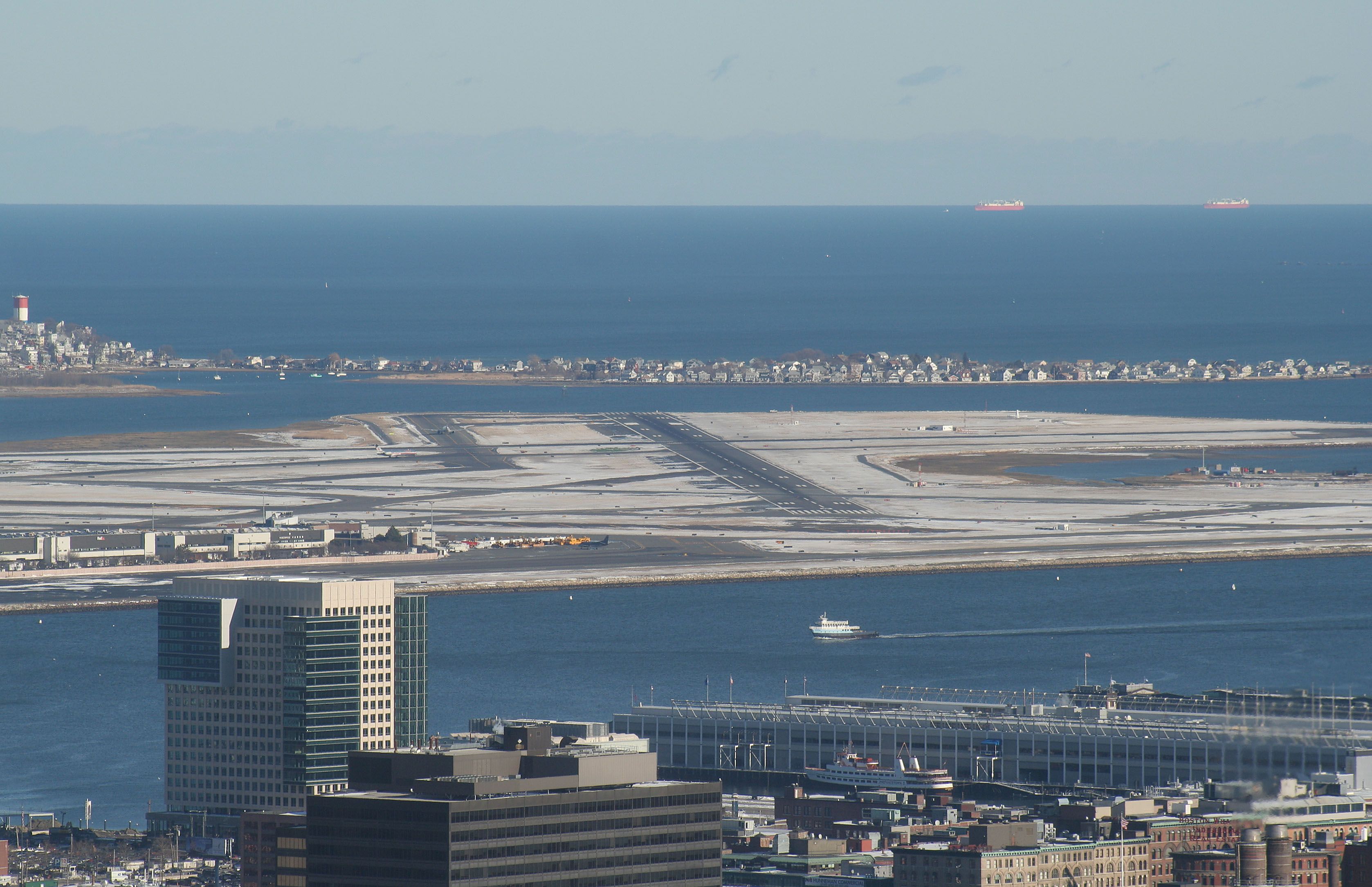
Airport
noun
A facility where aircraft take off, land, and park.
Example: Airport is the start of every vacation.
fr: Aréoport
Altitude
noun
The height of an aircraft above sea level.
Example: The aircraft is flying at an altitude of 20000 meter
fr: Altitude
Artificial Horizon
noun
A flight instrument—often a gyroscope-based attitude indicator—that provides pilots with a visual representation of the aircraft's pitch and bank angle relative to the Earth’s true horizon.
Example: The pilot is looking at the artificial horizon to land the plane in a snowstorm.
fr: Horizon Artificielle
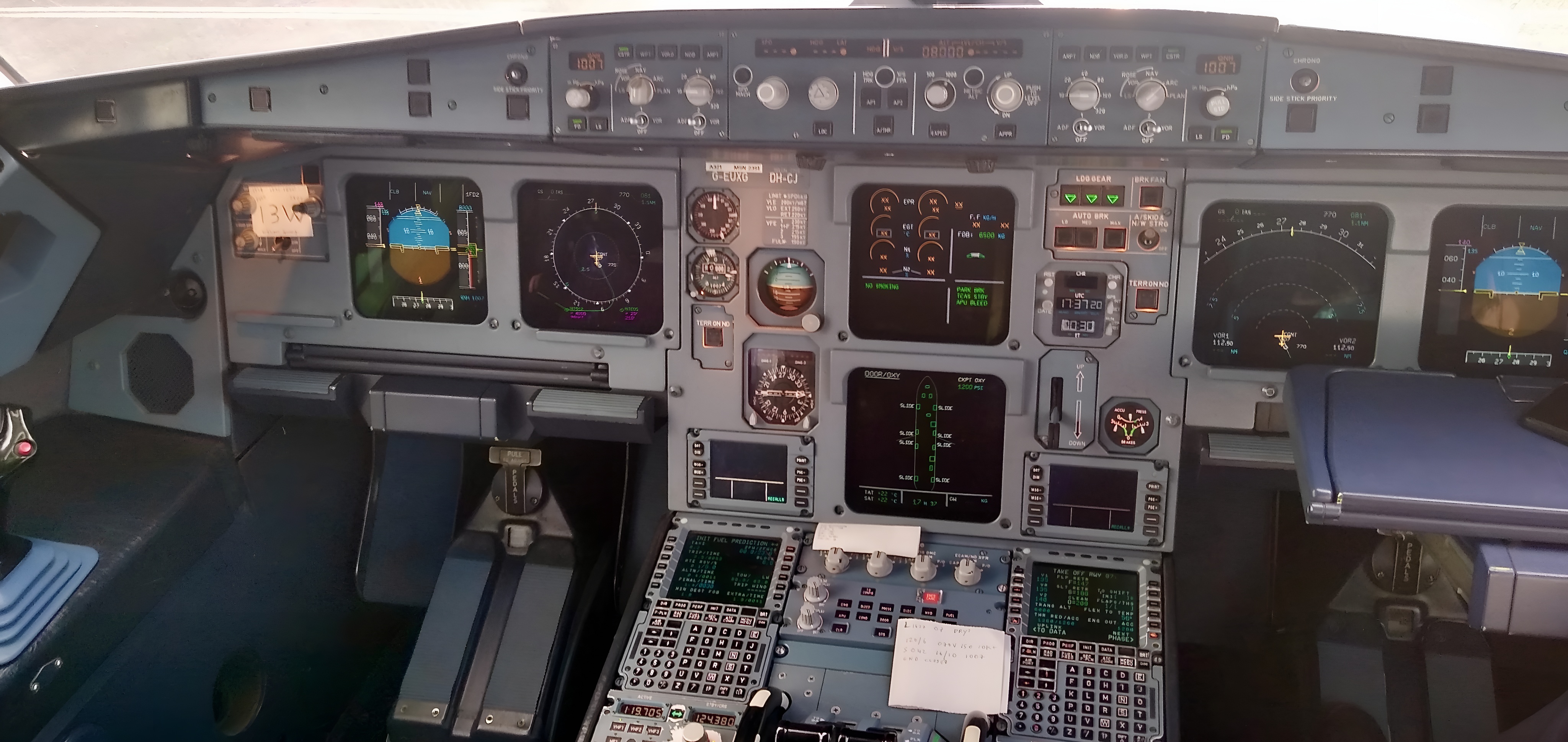
Cockpit
noun
The area where the pilots control the aircraft.
Example: The pilot is going inside the cockpit
fr: Cockpit
Control Tower
noun
The building where air traffic controllers manage air traffic.
Example: Control tower is leading the aircraft.
fr: Tour de controle
Cruise Speed
noun
The steady speed maintained during most of the flight.
Example: We are at cruise speed at 300 knots.
fr: Vitesse de croisière
Flight Plan
Noun
A document outlining the planned route of a flight.
Example: Pilots needs to make a flight plan before takeoff.
fr: Plan de vole
Fuselage
noun
The main body of the aircraft.
Example: Fuselage is protecting the passengers.
fr: Fuselage
Jet Fuel
noun
A specialized, colorless to straw-colored refined petroleum product based on kerosene (or naphtha), designed specifically to power aircraft with gas-turbine engines (jets, turboprops).
Example: The jet fuel just fill the plane up.
fr: Essence d'avion
Landing
noun
The phase when an aircraft returns to the ground.
Example: The will be landing in 2 hours.
fr: Attérissage
Landing Gears
noun
The wheels and supporting structure used for landing and taxiing.
Example: The landing gears are out and ready to land.
fr: Trains d'attérissage
Licence
noun
An official document, certificate, or permit that grants legal permission to own, use, or do something.
Example: I had to study hard to get my pilot licence.
fr: License
Runaway
noun
A strip of land where aircraft take off and land.
Example: The plane is landing on the runaway in few minutes.
fr: Piste de Décollage
Sky
noun
the unobstructed, generally dome-shaped expanse extending upwards from the Earth's surface, encompassing the atmosphere and outer space.
Example: The sky is pretty today.
fr: Ciel
Takeoff
noun
The phase when an aircraft leaves the ground.
Example: The pilot initiate the takeoff.
fr: Décollage
Wind
noun
The natural, rapid, and primarily horizontal movement of air across a planet's surface, usually caused by pressure differences.
Example: The wind blow 30 knots to the left.
fr: Vent
Wings
noun
The primary airfoils extending from an aircraft's fuselage, designed to generate aerodynamic lift—higher pressure below, lower pressure above—to enable flight.