Helps you get to know some computer science–related vocabulary.
algorithm
noun
A process or set of rules to be followed in calculations or other problem-solving operations, especially by a computer.
Example: The social media platform uses a complex algorithm to determine which posts appear in a user's news feed.
en: algorithme
array
noun
A data structure that stores a collection of elements, usually of the same data type, in a contiguous block of memory.
Example: The array contains all the exam scores of the students.
en: tableau
bandwidth
noun
The amount of data that can be transmitted over a network or communication channel in a given period of time, usually measured in bits per second.
Example: The amount of data that can be transmitted over a network or communication channel in a given period of time, usually measured in bits per second.
en: bande passante
boolean
noun
A data type that has only two possible values: true or false.
Example: The boolean value indicates whether the user is logged in or not.
en: booléen
browser
noun
A computer program with a graphical user interface for displaying and navigating between web pages.
Example: Clicking on this link will open a new browser window.
en: navigateur
bug
noun
verb
An error in a computer program or system.
Example: The developers are working to fix a bug in the software.
en: bogue
compiler
noun
A program that converts instructions into a machine-code or lower-level form so that they can be read and executed by a computer.
Example: The software engineer used a compiler to turn the C++ code into an executable file.
en: compilateur
cybersecurity
noun
The state of being protected against the criminal or unauthorized use of electronic data, or the measures taken to achieve this.
Example: The company hired an expert in cybersecurity to protect their sensitive data from hackers.
en: cybersécurité
data
noun
Facts and statistics collected together for reference or analysis.
Example: All of the company's financial data was securely backed up.
en: données
database
noun
A structured set of data held in a computer, especially one that is accessible in various ways.
Example: We need to enter all new employee information into the company database.
en: base de données
encryption
noun
The process of converting information or data into a code, especially to prevent unauthorized access.
Example: Without proper encryption, your personal emails could be intercepted and read by anyone.
en: cryptage
firewall
noun
A part of a computer system or network which is designed to block unauthorized access while permitting outward communication.
Example: The computer's firewall stopped a hacker from entering.
en: pare-feu
hack
verb
Use a computer to gain unauthorized access to data in a system.
Example: They hacked into the bank's computer.
en: hacker, pirater
hardware
noun
The machines, wiring, and other physical components of a computer or other electronic system.
Example: Hardware issues can slow down the system.
en: matériel
integer
noun
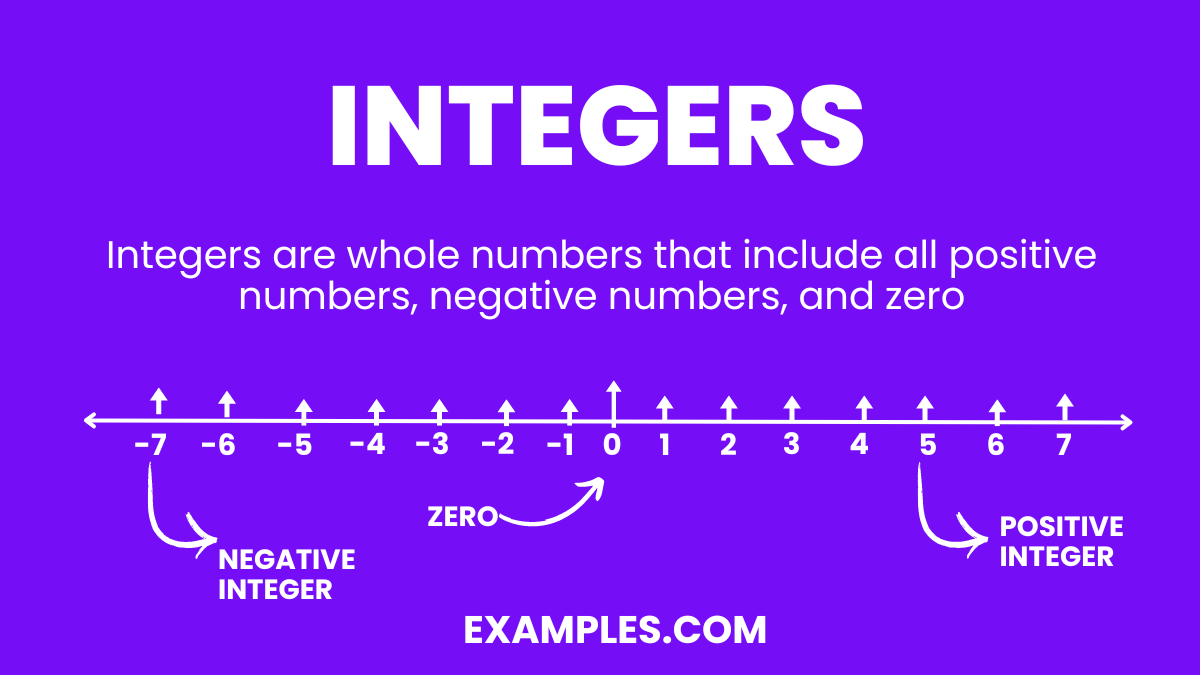
A whole number that can be positive, negative, or zero, without any fractional part.
Example: An integer is often used to count items, such as the number of users in a system.
en: entier
kernel
noun
The most basic level or core of an operating system of a computer, responsible for resource allocation, file management, and security.
Example: The Linux kernel manages the computer's hardware.
en: noyau
loop
noun
A structure, series, or process, the end of which is connected to the beginning.
Example: The software crashed because it was stuck in an infinite loop.
en: boucle
malware
noun
Software that is specifically designed to disrupt, damage, or gain unauthorized access to a computer system.
Example: Installing reputable antivirus software is the best way to protect your device from malware.
en: logiciels malveillants
programming
noun
The process or activity of writing computer programs.
Example: The programming team developed a new app for the company.
en: programmation
python
noun
A high-level general-purpose programming language.
Example: I decided to learn Python because its simple syntax makes it great for beginners.
en: python
software
noun
The programs and other operating information used by a computer.
Example: The company develops educational software for schools.
en: logiciel
syntax
noun
The set of rules defining the structure of a programming language.
Example: Proper syntax in computer programming is required for the code to run correctly.
en: syntaxe
URL
noun
The address of a web page.
Example: The travel company recently changed its URL.
en: URL
variable
noun
A named storage location in a program that holds a value which can change during program execution.
Example: The variable stores the user’s age and can be updated at any time.
en: variable
website
noun
A set of related web pages located under a single domain name, typically produced by a single person or organization.
Example: The company's official website offers a full product catalog.