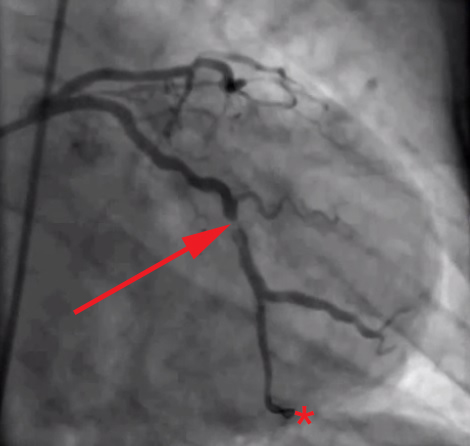
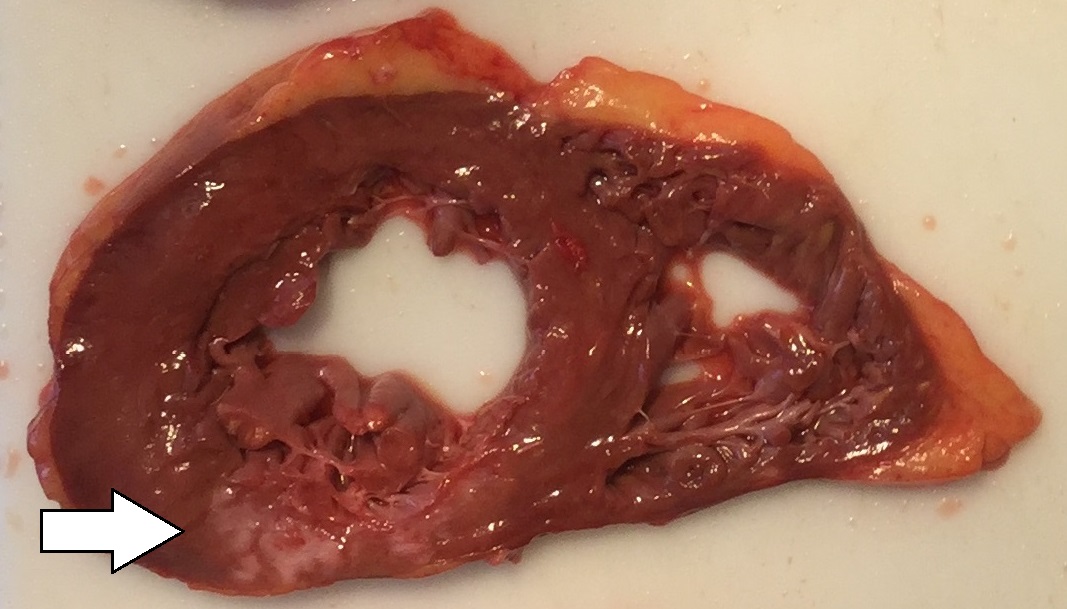
This glossary contains the words people can use to describe a heart attack.
acute coronary syndrome
Noun
An umbrella term for conditions caused by a sudden, severe reduction or blockage of blood flow to the heart muscle, typically due to plaque rupture in a coronary artery.
Example: The patient was admitted to the emergency room with a suspected acute coronary syndrome.
en: Syndrome coronarien aigu
angina
Noun
Chest pain, pressure, or discomfort that occurs when the heart muscle does not receive enough oxygen-rich blood, typically caused by underlying coronary artery disease.
Example: I have a severe sore throat and tonsillitis.
en: Angine
angioplasty
Noun
A minimally invasive, non-surgical procedure used to open narrowed or blocked blood vessels—most commonly coronary arteries—that restrict blood flow to the heart.
Example: The patient underwent an emergency angioplasty.
en: Angioplastie
atherosclerosis
Noun
A disease of the arteries characterized by the deposition of plaques of fatty material on their inner walls.
Example: Atherosclerosis is a disease characterized by the buildup of plaque in the arteries.
en: Athérosclérose
cardiac arrest
Noun
A medical emergency where the heart unexpectedly stops beating, cutting off blood flow to the brain and organs.
Example: He went into cardiac arrest.
en: Arrêt cardiaque
cardiogenic shock
Noun
A life-threatening, critical medical condition where the heart suddenly cannot pump sufficient blood to meet the body’s oxygen needs, leading to severe organ hypoperfusion.
Example: Cardiogenic shock is a life-threatening condition where the heart suddenly cannot pump enough blood to meet the body's needs.
en: Choc cardiogénique
coronary artery disease
Noun
A common heart condition caused by plaque buildup (atherosclerosis) in the heart's arteries, which narrows or blocks blood flow and reduces oxygen supply to the heart muscle.
Example: Lifestyle changes are crucial for managing coronary artery disease.
en: Maladie de l'artère coronaire
coronary artery spasm
Noun
A temporary, sudden tightening (contraction) of the muscular wall of an artery that supplies blood to the heart, causing a brief, severe reduction in blood flow.
Example: A severe coronary artery spasm can cause chest pain, even in patients without underlying heart disease.
en: Spasme de l'artère coronaire
coronary thrombosis
Noun
A blood clot (thrombus) forms inside a coronary artery, blocking blood flow to the heart muscle.
Example: He died of a coronary thrombosis a week before I graduated.
en: Thrombose coronarienne
cyanosis
Noun
A bluish or grayish discoloration of the skin, lips, or mucous membranes caused by an increased concentration of deoxygenated (reduced) hemoglobin in the blood.
Example: The patient is experiencing peripheral cyanosis, characterized by blue-tinged fingers.
en: Cyanose
defibrillator
Noun
A medical device that delivers a high-energy electric shock to the heart to restore a normal rhythm during life-threatening emergencies like sudden cardiac arrest, ventricular fibrillation, or tachycardia.
Example: Please locate the nearest automated external defibrillator (AED) immediately.
en: Défibrillateur
diaphoresis
Noun
Excessive, abnormal sweating that is not caused by heat or exercise, often signaling an underlying health issue or medication side effect.
Example: The patient experienced severe diaphoresis and dizziness during the cardiac event.
en: Diaphorèse
dyspnea
Noun
The subjective, uncomfortable sensation of difficult or inadequate breathing, commonly described as shortness of breath, air hunger, or chest tightness.
Example: The patient is experiencing significant dyspnea on exertion.
en: Dyspnée
electrocardiogram
Noun
A record or display of a person's heartbeat produced by electrocardiography.
Example: The doctor ordered an electrocardiogram (ECG) to check the patient's heart rate.
en: Électrocardiogramme
fibrillation
Noun
The rapid, irregular, and uncoordinated contraction of heart muscle fibers, causing them to quiver rather than contract properly.
Example: The patient was diagnosed with atrial fibrillation after complaining of heart palpitations.
en: Fibrillation
ischemia
Noun
An inadequate blood supply to an organ or part of the body, especially the heart muscles.
Example: The patient was diagnosed with severe myocardial ischemia.
en: Ischémie
myocardial infarction
Noun
The irreversible death (necrosis) of heart muscle tissue due to prolonged lack of oxygen.
Example: He has a big risk of myocardial infarction.
en: Infarctus du myocarde
necrosis
Noun
The premature, irreversible death of cells and living tissue caused by external factors like infection, injury, or lack of blood flow.
Example: The doctor diagnosed necrosis in the patient's leg.
en: Nécrose
nitroglycerin
Noun
A substance used as a drug to treat certain heart conditions and to widen the openings in blood vessels.
Example: Take one nitroglycerin tablet under your tongue for chest pain.
en: Nitroglycérine
stent
Noun
A tiny, expandable mesh tube usually made of metal or plastic inserted into a narrowed or weakened passageway in the body (such as arteries, veins, or ducts) to hold it open and improve flow.
Example: The doctor inserted a stent to keep the artery open.