A glossary is for me, a good way to expand my knowledge about my field of study.
Antropology
Noun
Anthropology is the social science that studies human beings, their cultures, traditions, behaviors, and ways of life, both past and present.
Example: Anthropology helps us understand how different cultures live and make meaning of the world.
en: Antropologie
Behavior
Noun
Behavior refers to the way a person acts or responds in different situations, often influenced by psychology, society, culture, and environment.
Example: Human behavior is often shaped by social norms and expectations.
en: Comportement
Beliefs
Noun
Beliefs are ideas or convictions that people accept as true and that influence how they think, act, and understand the world.
Example: Beliefs can shape how people make decisions and interact with others in society.
en: Croyances
Bias
Noun
Bias is a tendency to think, feel, or act in a certain way that is not completely fair or objective, often based on personal beliefs, experiences, or social influence.
Example: Bias can affect how people judge others, even when they believe they are being fair.
en: Préjugé
Citizenship
Noun
Citizenship refers to the status of being a member of a country, with rights, responsibilities, and participation in civic life.
Example: Citizenship involves voting, respecting laws, and contributing to the community.
en: Citoyenneté
Community
Noun
A community is a group of people who share a common location, interest, or identity and interact with one another regularly.
Example: A community can be formed by people living in the same neighborhood or sharing common values and traditions.
en: Communité
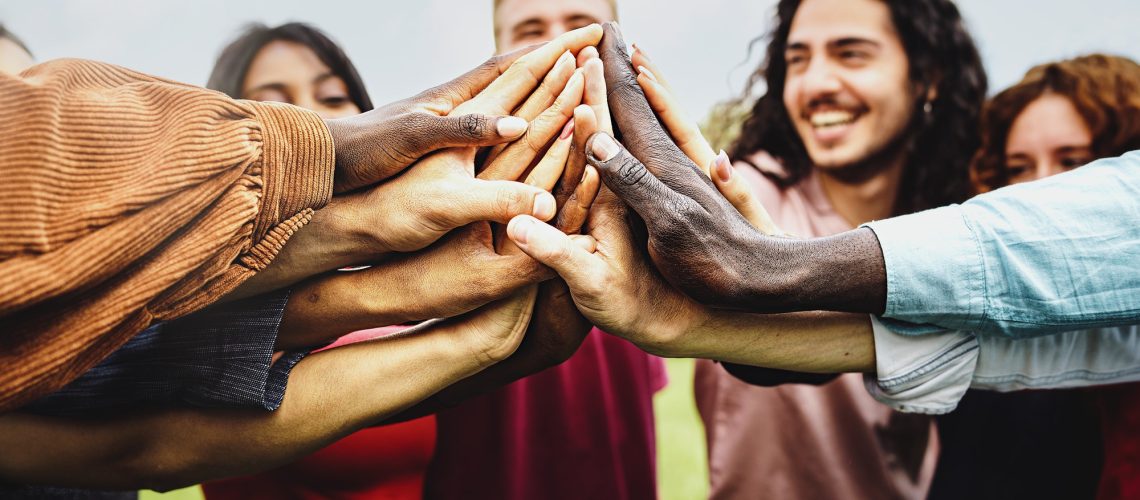
Conformity
Behavior in accordance with socially accepted conventions or standards.
Example: Conformity is often seen in schools when students dress or act like their classmates to fit in.
en: Conformité
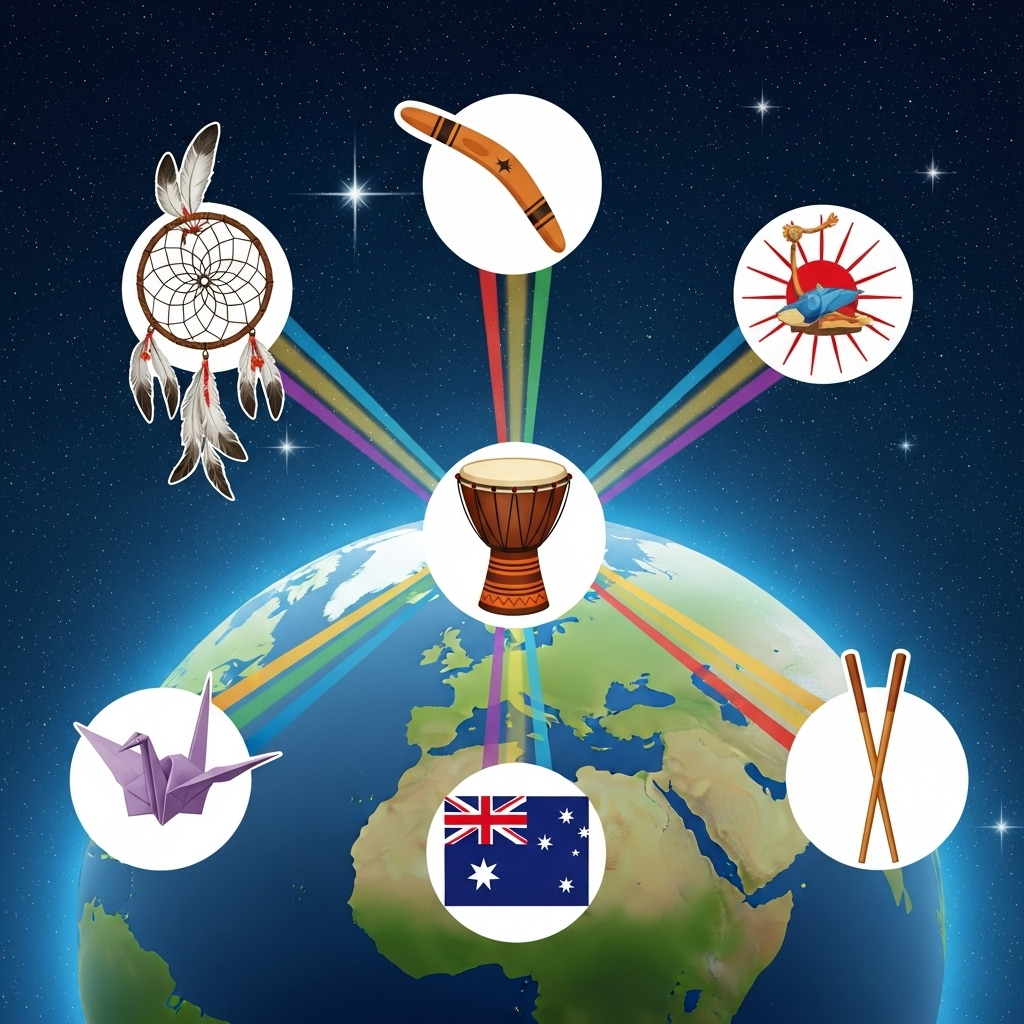
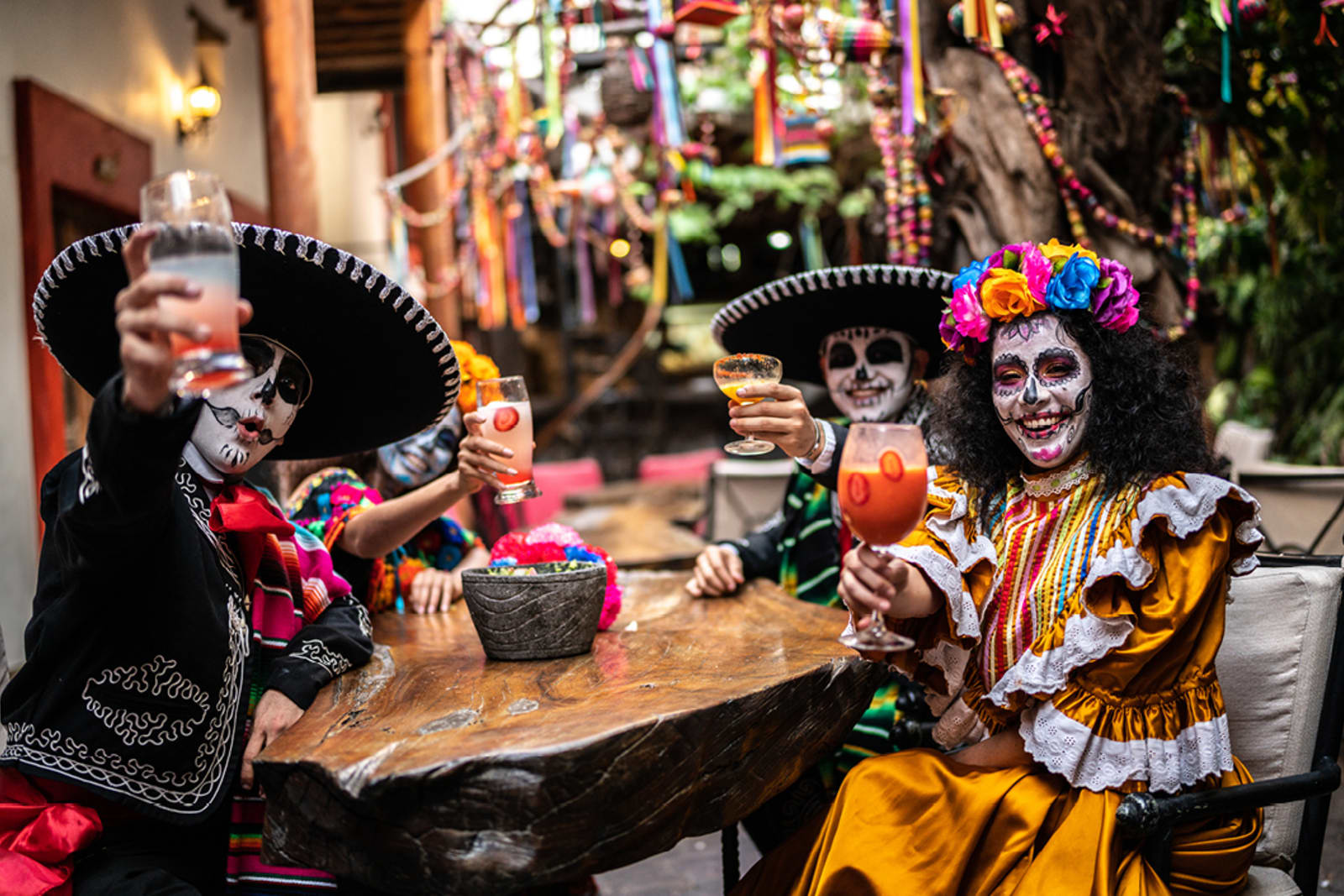
Culture
Noun
The shared beliefs, values, customs, behaviors, and symbols that characterize a group or society and shape how its members think and act.
Example: Culture includes traditions, language, food, and celebrations that people in the same group share and pass down to new generations.
en: Culture
Globalization
Noun
Globalization is the process of countries, cultures, and economies becoming more connected and dependent on each other through trade, communication, and travel.
en: Mondialisation
Identity
Noun
Identity refers to how individuals see themselves and how they are seen by others, including personal traits, beliefs, culture, and social roles.
Example: A person’s identity can be shaped by their culture, language, and experiences.
en: Identité
Ideology
Noun
A set of ideas or beliefs that influence how people understand society, politics, or the world.
Example: Ideology influences how people think about social issues and make political decisions.
en: Idéologie
Inequality
Noun
The unfair difference in resources, opportunities, or treatment between individuals or groups in a society.
Example: Inequality can be seen when some people have access to better education and healthcare than others.
en: Inégalité
Institution
Noun
An institution is an organized system or structure in society that helps meet basic social needs, such as education, government, family, or religion.
Example: Schools are important institutions because they educate individuals and prepare them for society.
en: Institution
Justice
Noun
Justice refers to the fair and equal treatment of people in a society, especially in laws, rights, and opportunities.
Example: Justice means that everyone should be treated fairly under the law, no matter their background.
en: Équité
Power
Noun
Power in social science refers to the ability of a person, group, or institution to influence or control the behavior, decisions, or actions of others in society.
Example: A government uses power when it creates laws that everyone in society must follow.
en: Pouvoir
Psychologist
Noun
A psychologist is a professional who studies human behavior, thoughts, and emotions, and helps people understand or improve their mental well-being.
Example: A psychologist may help manage stress, emotions, or difficult life experiences.
en: Psychologue
Socialization
Noun
The process of learning to behave in a way that is acceptable to society.
en: Socialisation
Sociologist
Noun
A sociologist is a professional who studies how people interact in groups, how societies are organized, and how social rules, institutions, and cultures influence human behavior.
Example: A sociologist may study how social media affects relationships in modern society.
en: Sociologue
Tradition
Noun
A tradition is a belief, custom, or practice that is passed down from generation to generation within a group or society.
Example: Celebrating national holidays every year is an example of a tradition.
en: Tradition
Values
Noun
Values are beliefs or principles that guide how individuals and groups decide what is important, right, or wrong in society.
Example: Honesty and respect are values that influence how people behave toward others.




:max_bytes(150000):strip_icc():format(webp)/what-is-conformity-2795889-5be9979846e0fb00510c5c04.png)