This glossary will contain words that people mainly use in the world of accounting.
assets
noun
Resources with economic value that an individual or business owns or controls with the expectation that they will provide a future benefit.
Example: A growth in net ASSETS.
fr: actifs
audit
noun
An official inspection of an individual's or organization's accounts, typically by an independent body.
Example: The question is whether the public demands on increased responsibility of auditors to detect fraud is really one that can be reasonably expected of the AUDIT.
fr: audit
balance sheet
noun
A statement of the assets, liabilities, and capital of a business or other organization at a particular point in time, detailing the balance of income and expenditure over the preceding period.
Example: The BALANCE SHEET depicts the financial situation of a business at a particular point in time.
fr: bilan
budget
noun
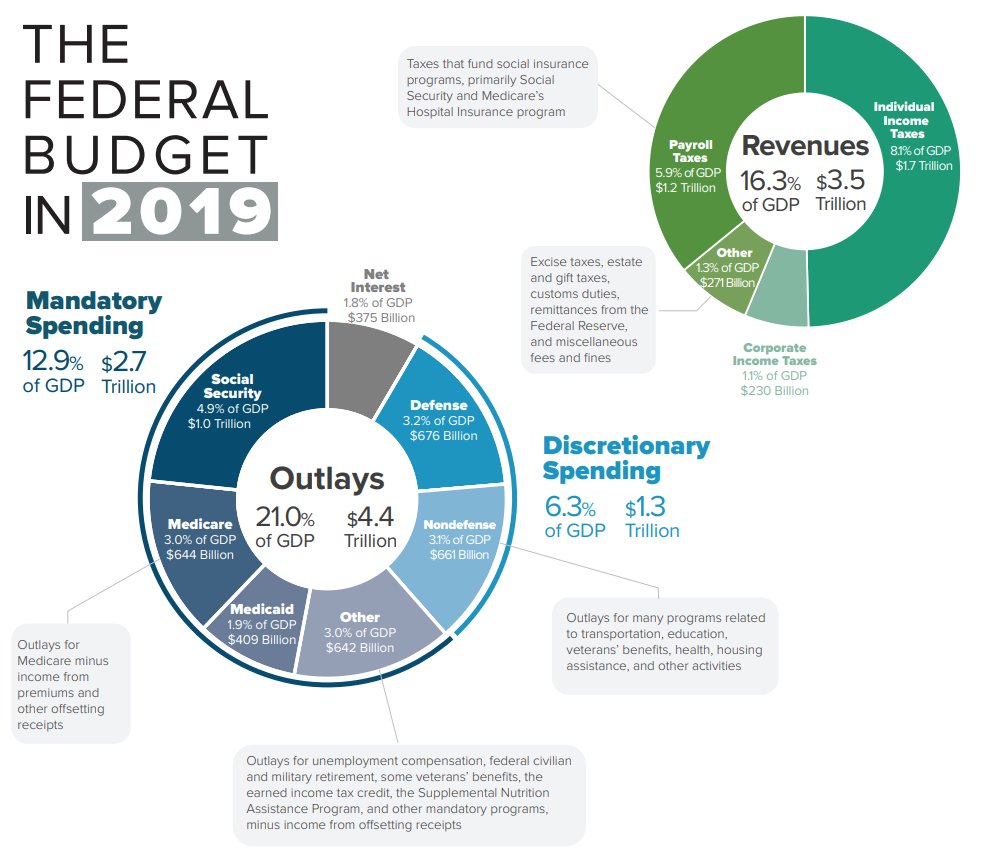
An estimate of income and expenditure for a set period of time.
Example: SEN2 is a new product, thus a BUDGET $4000 needs to be spent on advertising to make consumers aware of the product.
fr: budget
capital
noun
Wealth in the form of money or other assets owned by a person or organization or available or contributed for a particular purpose such as starting a company or investing.
Example: Schemes A and B would add to traffic congestion; scheme C would not, but it would require a bigger investment of CAPITAL.
fr: capitaux
cash flow
noun
The total amount of money being transferred into and out of a business, especially as affecting liquidity.
Example: Life Span, Replacements & Terminal Value If the projects are found to have different life spans then conduct further analysis using either the 'equivalent annual CASH FLOW' method.
fr: marge brute
credit
noun
an entry recording a sum received, listed on the right-hand side or column of an account..
Example: The columns should be added across and down and the total debits should equal the total CREDITS.
fr: crédit
debit
noun
An entry recording an amount owed, listed on the left-hand side or column of an account.
Example: A double-entry system of bookkeeping, where each DEBIT has a corresponding credit entry.
fr: débit
depreciation
noun
The accounting process of allocating the cost of a tangible asset (like machinery, vehicles, or buildings) over its useful life, reflecting its loss in value due to wear, tear, or obsolescence.
Example: A given level of material DEPRECIATION, δ, that is inherent due to wear of machinery, reducing the pace of capital growth.
fr: amortissement
equity
noun
The value of the shares issued by a company.
Example: He owns 62% of the group's EQUITY.
fr: capitaux propres
expenses
noun
The cost required for something; the money spent on something.
Example: Though it is not their legal obligation to disclose their accounts, these figures would have been of use when judging the effectiveness of the group in relation to campaign costs, administration and other EXPENSES.
fr: dépenses
fiscal year
noun
A consecutive 12-month period used by businesses and governments for accounting, budgeting, and financial reporting.
Example: ROI is "A measure of a corporation's profitability, equal to a FISCAL YEAR's income divided by common stock and preferred stock equity plus long-term debt.
fr: exercice fiscal
income statement
noun
An income statement, often called a profit and loss (P&L) statement, is a financial report that summarizes a company's revenues, expenses, gains, and losses over a specific period (e.g., a month, quarter, or year). It measures operational performance and profitability by calculating net income.
Example: There will however be classification changes in the balance sheet, including the treatment of associated deferred tax balances and also there are alternative classifications available for costs within the INCOME STATEMENT.
fr: état des résultats
inventory
noun
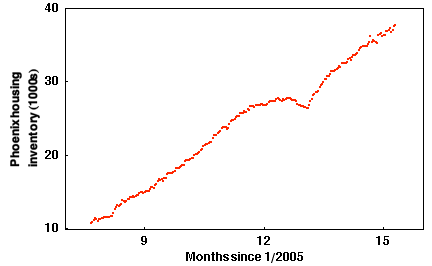
He entire stock of a business, including materials, components, work in progress, and finished products.
Example: INVENTORY is recorded as a current asset on the balance sheet.
fr: inventaire
journal entry
noun
The initial, chronological record of a financial transaction in a company's accounting system, documenting how that event affects specific accounts.
Example: If a company sells a service for $500 cash, the JOURNAL ENTRY includes a debit to the Cash account (increase in asset) and a credit to the Revenue account (increase in revenue).
fr: écriture de journal
ledger
noun
A book or other collection of financial accounts of a particular type.
Example: The total balance of the purchases LEDGER.
fr: grand livre
liabilities
noun
A thing for which someone is responsible, especially a debt or financial obligation.
Example: Valuing the company's LIABILITES and assets.
fr: passifs
loss
noun
An amount of money lost by a business or organization.
Example: Insurance can protect you against financial LOSS.
fr: perte nette
profit
noun
A financial gain, especially the difference between the amount earned and the amount spent in buying, operating, or producing something.
Example: Pretax PROFITS.
fr: bénéfice nette
revenue
noun
Income, especially when of a company or organization and of a substantial nature.
Example: Traders have lost $10,000 in REVENUE since the traffic scheme was implemented.