10 Civil Engineering / Construction / Structural Engineering terms
The purpose of this glossary is to provide clear and concise definitions of key terms commonly used in civil engineering.
buoyancy
noun
The upward force exerted by water or other fluids on structures that are submerged or partially submerged. This force can cause structures like underground tanks, basements, or foundations to lift or float if not properly anchored or weighted.
Example: Engineers must carefully consider the buoyancy forces acting on the foundation to prevent it from lifting during floods.
fr: flottabilité
construction
noun
the building of something, typically a large structure.
Example: The construction of the new library is expected to be completed by next spring.
fr: construction
design
noun
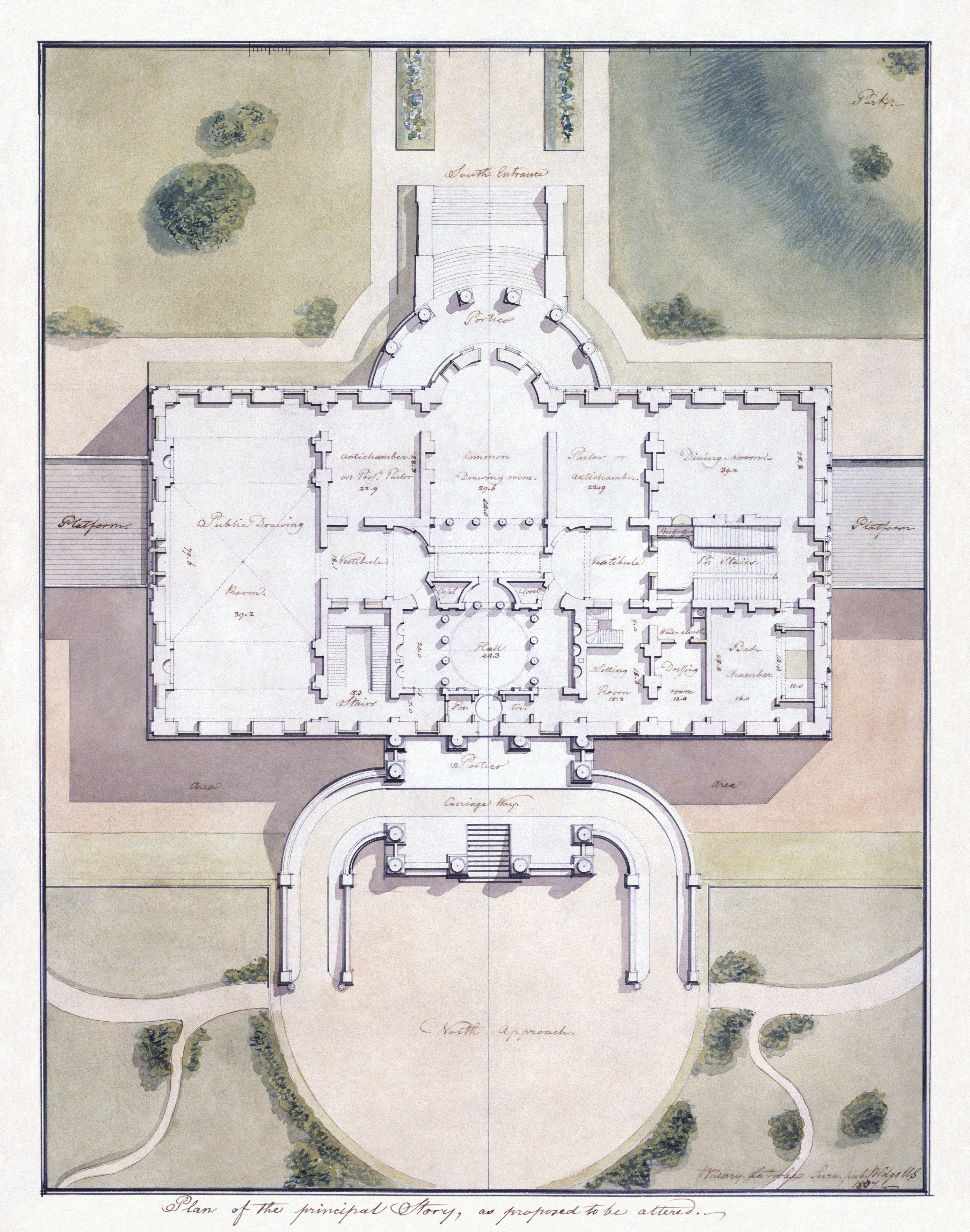
A plan or drawing produced to show the look and function or workings of a building, garment, or the object before it is built or made.
Example: The US Government has authorized funding for the DESIGN and construction of a building.
fr: conception
environment
noun
The physical, social, and regulatory conditions surrounding a construction site, including natural elements (such as soil, air, water, and vegetation), built structures, and human factors (such as community impact and safety regulations) that influence and are affected by construction activities.
Example: The construction team took special measures to minimize the impact on the local environment by controlling dust and managing waste properly.
fr: environnement
excavation
noun
The act or process of digging, especially when something specific is being removed from the ground.
Example: The excavation for the building's foundation began early Monday morning, with crews digging several feet below ground level.
fr: excavation
guilds
noun
Organized associations of craftsmen or builders in the construction industry who regulate standards, training, and work practices within their trade, often ensuring quality and protecting their members’ interests.
Example: Construction guilds help ensure that workers are properly trained and that building projects meet industry safety and quality standards.
fr: ordre
hydrology
noun
The study of how water moves and behaves on and beneath Earth’s surface, which is essential in construction for managing water flow, drainage, and preventing flooding on building sites.
Example: Before starting the project, the engineers conducted a hydrology study to design an effective drainage system.
fr: hydrologie
infrastructure
noun
The basic physical and organizational structures and facilities (such as buildings, roads, power supplies) needed for the operation of a society, enterprise, or system.
Example: The government invested heavily in infrastructure to improve transportation and communication across the country.
fr: infrastructure
master builder
noun
A person who is highly skilled and experienced in planning, designing, and overseeing the construction of buildings or structures.
Example: The master builder carefully supervised every detail of the cathedral’s construction to ensure it would stand for centuries.
fr: maître d'œuvre
project management
noun
The application of processes, knowledge, skills, tools, and techniques to project activities to achieve specific goals, delivering a unique product, service, or result within defined constraints of scope, time, and budget.
Example: Effective project management is essential for completing tasks on time and within budget.