This glossary contains key terms in kinesiology, the study of human movement, to help with learning and understanding basic concepts.
Antagonist
Noun
a muscle whose action counteracts that of another specified muscle
Example: In the bicep curl, the triceps is the antagonist muscle.
en: Antagoniste
Biomechanics
noun
The study of the mechanical laws relating to the movement or structure of living organisms.
Example: The field of biomechanics studies human movement.
en: Biomécanique
Coordination
noun
The organization of the different elements of a complex body or activity so as to enable them to work together effectively.
Example: Playing sports requires dog physical coordination.
en: Coordination
Exercise physiology
compound noun
The scientific study of the body's responses and adaptations to physical exercise.
Example: A degree in exercise physiology can prepare you for a career in sport science, rehabilitation, or health promotion.
en: Physiologie de l'exercice
Flexibility
adjective
The ability of a joint or series of joints to move through an unrestricted, pain free range of motion.
Example: The gymnast demonstrated flexibility by performing a complex routine with graceful bends and stretches.
en: Flexibilité
human mouvement
noun, adjective
The physical action of changing position, generated by the coordinated action of the body's muscles, joints, and nervous system
Example: The slow human movement of elderly man was a sign of his fragility.
en: mouvement humain
Injury prevention
compound noun
The practice of implementing safety measures, behaviors, and policies to reduce the likelihood and severity of bodily harm caused by external mechanisms, such as accidents, falls, or violence, before they occur.
Example: Wearing appropriate gear in sports allows injury prevention.
en: Prévention des blessures
Kinesiologist
noun
The study of the mechanics of body movements.
Example: A lot of students who end up in kinesiology have been involved in sports with some level of success and enjoyment.
en: Kinésiologue
Motor skills
noun phrase
Vooluntary body movements that allow you to perform tasks by coordinating your brain, nervous system, and muscles.
Example: After the accident, he worked with a physical therapist to regain his motor skills like balance and coordination.
en: Motricité
Posture
noun
the position in which someone holds their body when standing or sitting.
Example: Sit up straight to improve your posture.
en: Posture
Pronation
noun
The rotational movement of a body part, most commonly referring to the inward rolling of the foot during walking or running, and the downward rotation of the forearm and palm
Example: The pitcher needed extreme pronation of his wrist to throw the changeup for maximum mouvement.
en: Pronation
Proprioception
noun
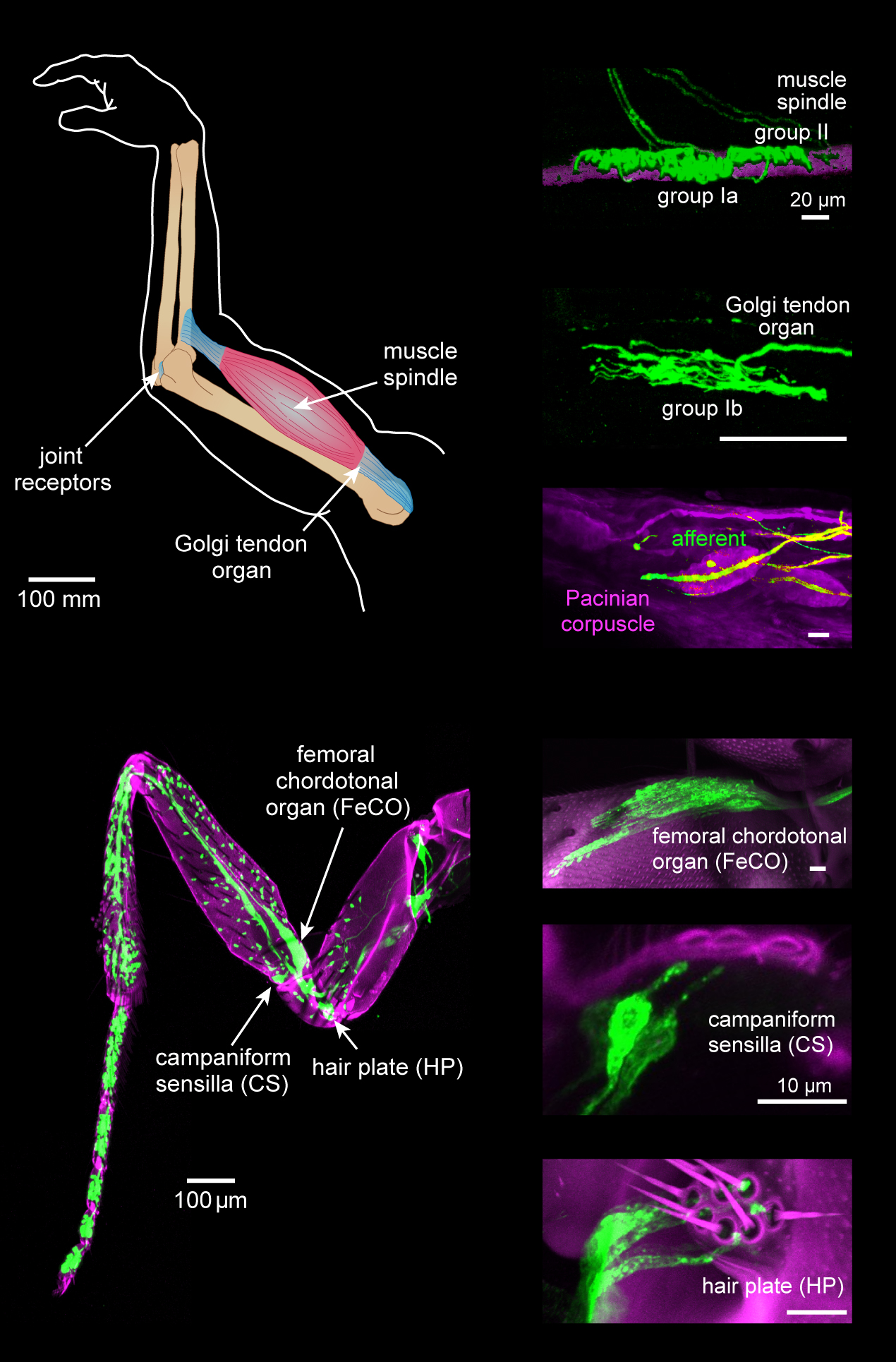
The body's sense of its own position, movement, and action in space.
Example: Good proprioception is essential for athletes to maintain balance and control their mouvements.
en: Proprioception
Rehabilitation
noun
The action of restoring someone to health or normal life through training and therapy after imprisonment, addiction, or illness.
Example: After his surgery, the athlete underwent a rigorous program of rehabilitation to regain strength in his knee.
en: Réhabilitation
Strength training
compound noun
Is any exercise that causes your muscles to contract against an external force to build strength, endurance, and muscle mass.
Example: Activities like lifting and carrying heavy items can also be considered forms of strength training.
en: Entraînement musculaire
Wellness
noun
the state of being in good health, especially as an actively pursued goal.
Example: She focuses on her wellness by eating well and exercising regularly.