15 Civil engineering is the design, construction, and maintenance of the built environment and infrastructure, such as roads, bridges, buildings, dams, and water systems. terms
This glossary brings together 15 essential terms that represent the core concepts, materials, and practices of civil engineering.
analyse
verb
To examine data or systems in detail to understand or improve them.
Example: The engineer analyzed the soil samples before choosing the foundation type.
en: analyser
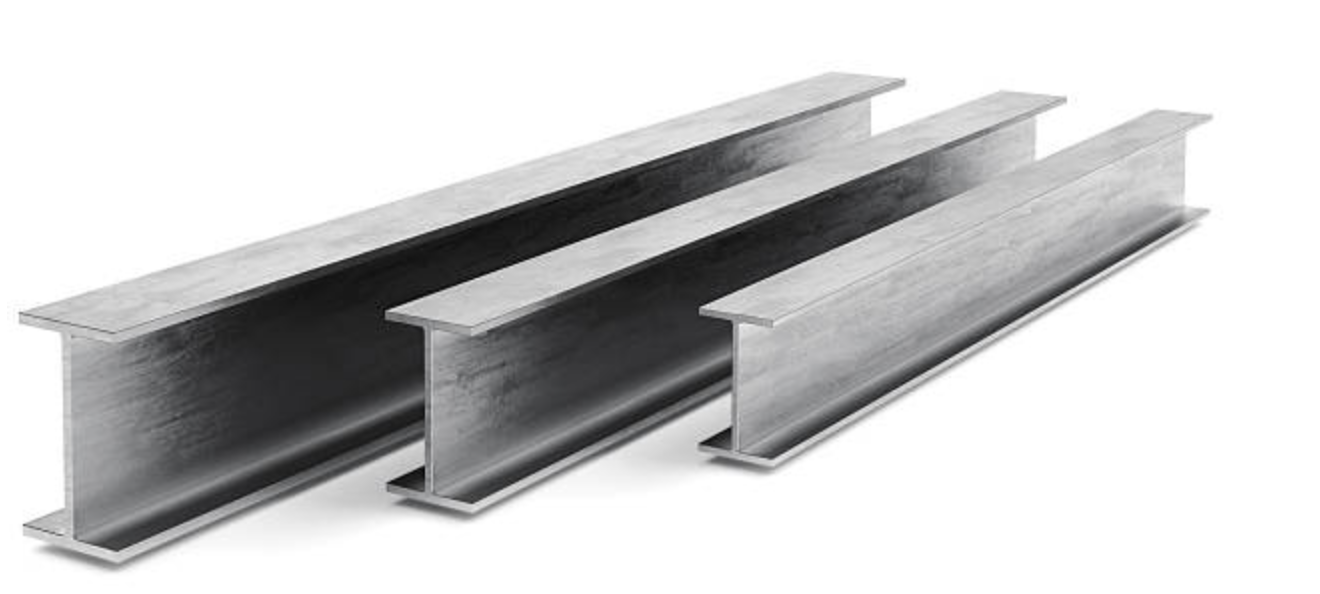
beam
noun
A long, sturdy piece of squared timber or metal spanning an opening or part of a building, usually to support the roof or floor above.
Example: The ceilings of the old barn were supported by heavy wooden beams.
en: poutre
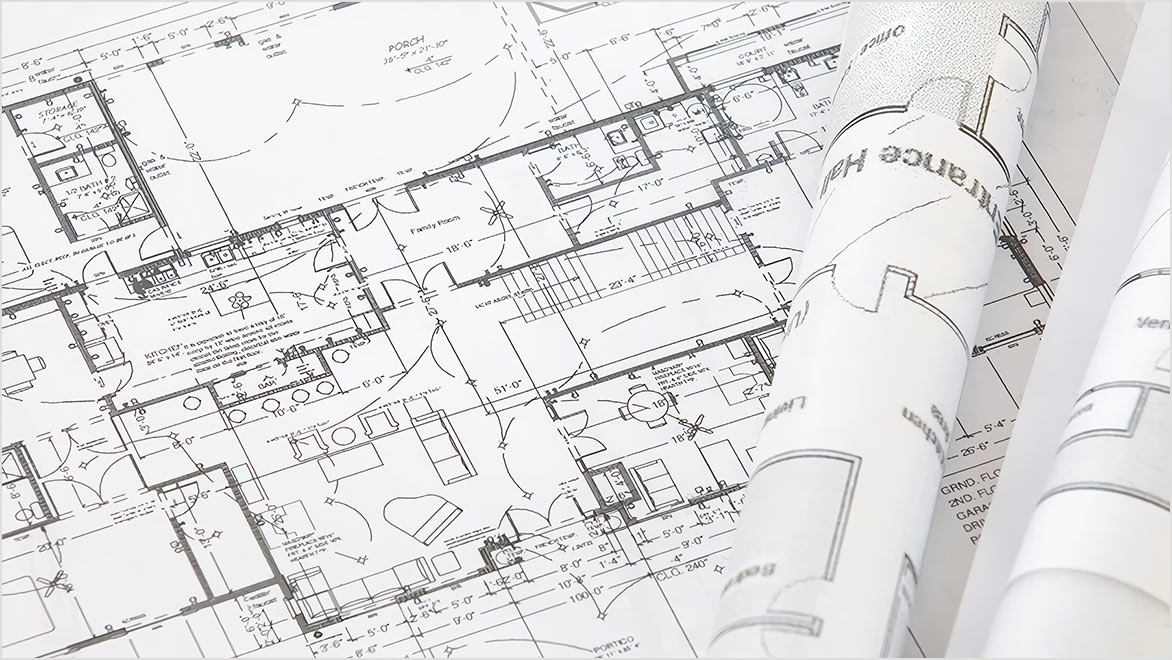
blueprint
noun
A detailed technical drawing or plan of a structure.
Example: The engineer studied the blueprint carefully before construction began.
en: plan
bridge
noun
A structure built to span a physical obstacle like a river, valley, or road.
Example: The new bridge connects the two cities across the river.
en: pont
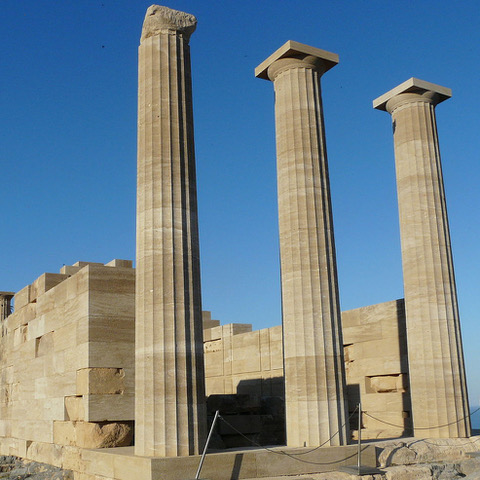
column
noun
A vertical structural member that transfers loads from above to the foundation.
Example: The marble column enhances both the strength and aesthetics of the building.
en: colonne
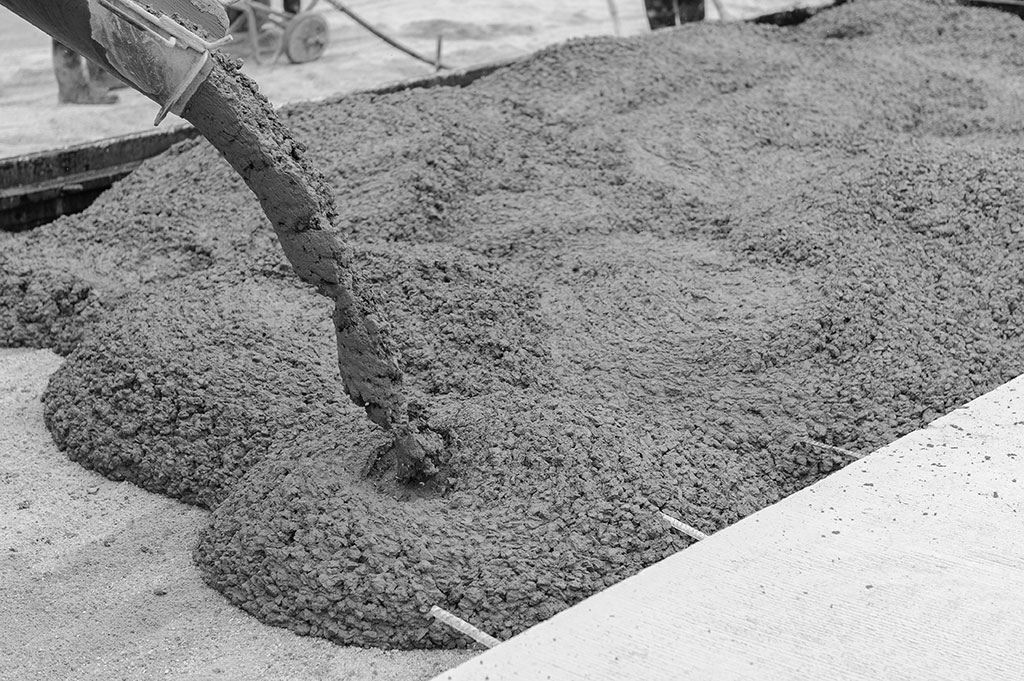
concrete
noun
A construction material made from cement, water, and aggregates.
Example: Concrete is widely used in bridge construction for its strength and durability.
en: béton
construct
verb
To build or assemble a structure.
Example: The team constructed the highway within two years.
en: construire
design
verb
To create a detailed plan for a structure or system.
Example: The architect designed the bridge with both beauty and function in mind.
en: concevoir
durable
adjective
Able to withstand wear, pressure, or damage over time.
Example: Engineers chose durable materials to extend the lifespan of the bridge.
en: résistant
foundation
noun
The lowest load-bearing part of a building, typically below ground level.
Example: The engineers had to dig deep to find solid bedrock for the skyscraper's foundation.
en: fondation
infrastructure
noun
The fundamental facilities and systems serving a society, such as transportation, communication, water, and power networks.
Example: The government invested heavily in new infrastructure to improve public transportation.
en: infrastructure
load
noun
The weight or force applied to a structure.
Example: The bridge was designed to support heavy vehicle loads.
en: charge
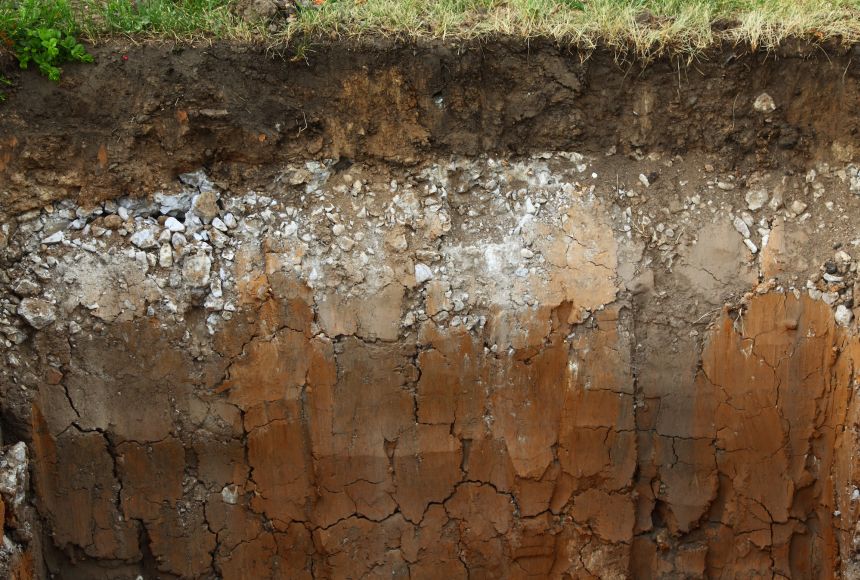
soil
noun
The natural material found on the earth’s surface, essential for geotechnical engineering.
Example: Engineers tested the soil before beginning the excavation.
en: sol
stable
adjective
Firm and unlikely to move, fall, or fail.
Example: The retaining wall keeps the slope stable during heavy rain.
en: stable
structural
adjective
Related to the framework or load-bearing parts of a structure.
Example: The structural integrity of the building must be ensured during earthquakes.