Hi, my name is Kiara. I am currently studying Horticulture and Environmental Technology at Montmorency College, a field that combines plant science with sustainable practices to improve both cultivated and natural environments. Over the past two semesters, I have explored topics ranging from basic plant biology to advanced techniques used in modern horticulture. The purpose of this glossary is to provide a useful resource for students and anyone interested in understanding this field. It includes terms that cover both simple and complex concepts, making it easier to learn technical vocabulary, deepen knowledge of plant biology, and apply these terms in academic studies as well as real-world horticultural practices.
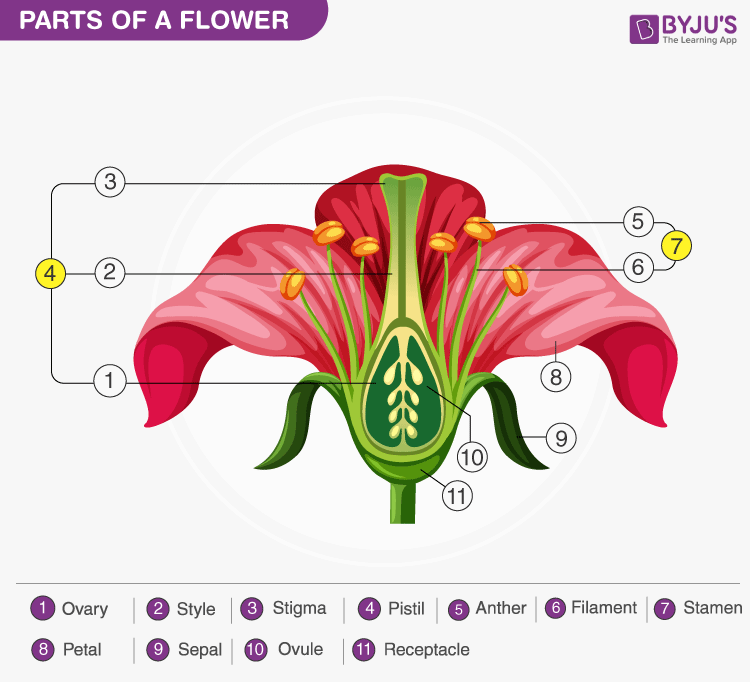
Anther
Noun
The part of the stamen that produces and releases pollen.
Example: The anther releases pollen to fertilize the ovules.
fr: Anthère
Chlorophyll
Noun
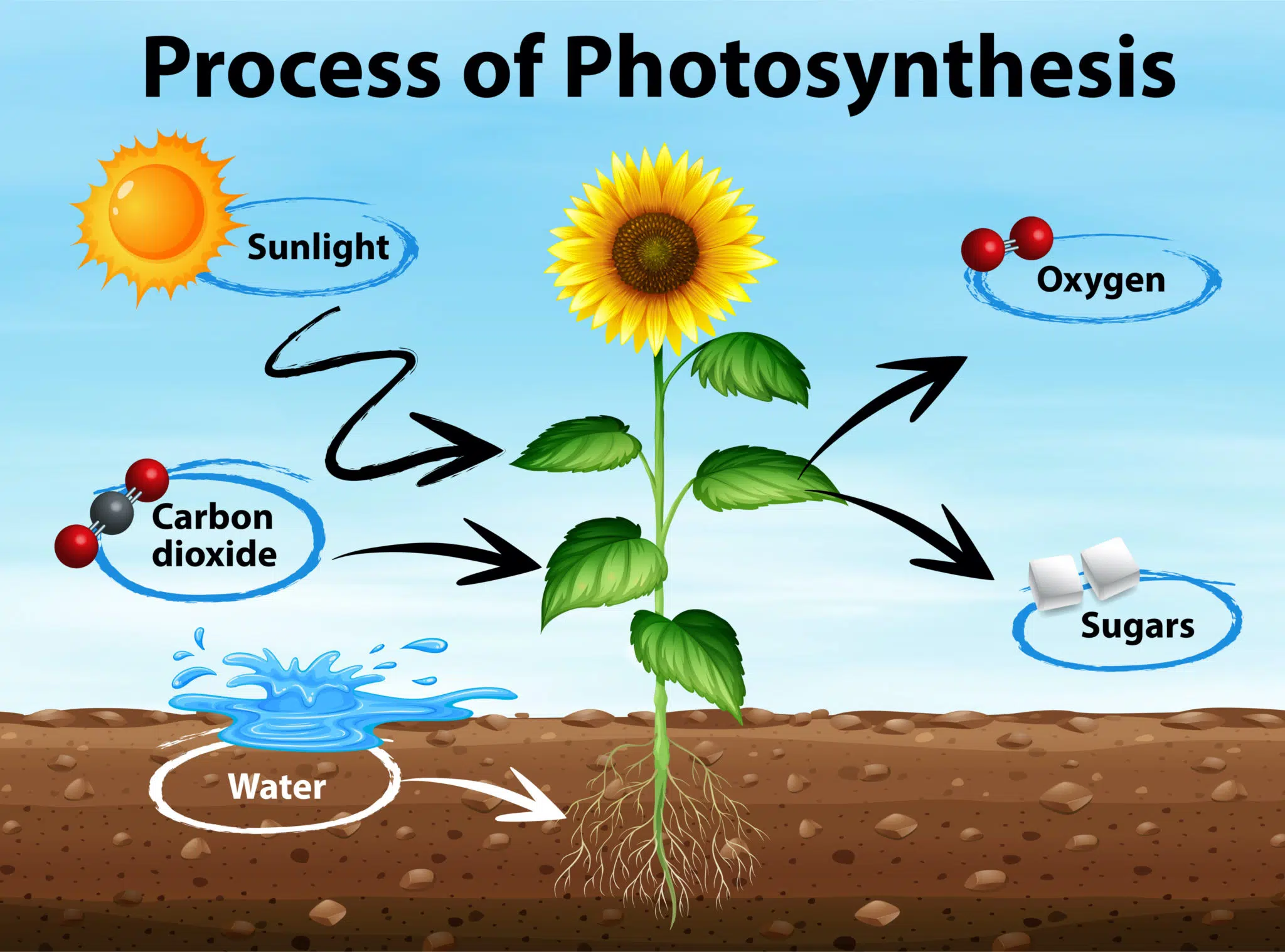
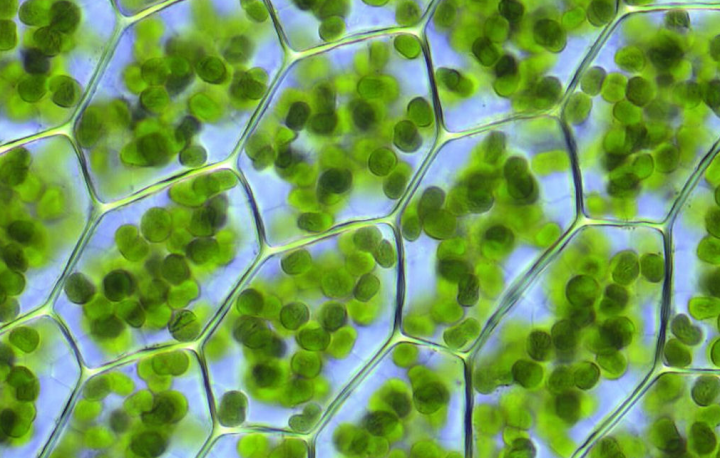
A green pigment in plants that absorbs light energy for photosynthesis.
Example: Chlorophyll allows plants to absorb sunlight and convert it into energy.
fr: Chlorophylle
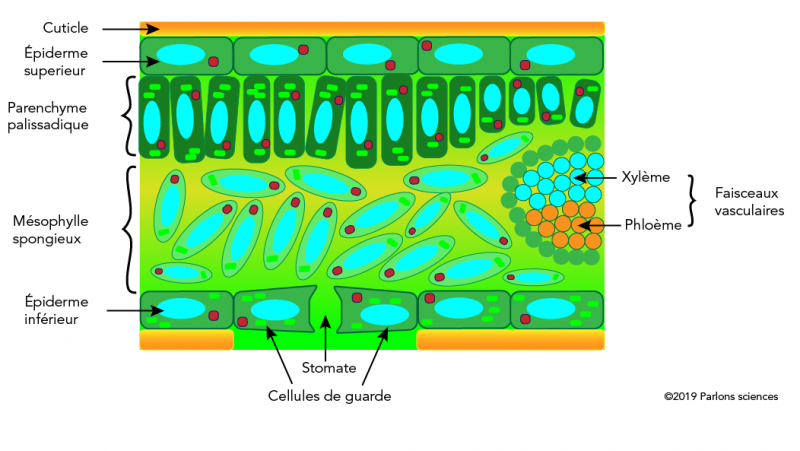
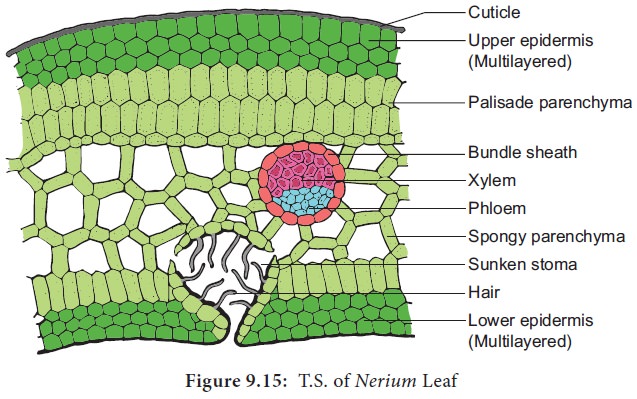
Cuticle
Noun
A protective, waxy layer covering the surface of leaves and stems that produces water loss.
Example: The cuticle helps prevent dehydration in plants.
fr: Cuticule
Dormancy
Noun
A period in which a plant or seed temporarily stops growing to survive unfavourable conditions.
Example: Seeds can remain in dormancy until conditions are suitable for germination.
fr: Dormance
Epidermis
Noun
The outer layer of cells that protects plant tissues and controls water and gas exchange.
Example: The leaf's epidermis contains stomata for gas exchange.
fr: Épiderme
Garden Fork
Compound noun
A garden fork, also known as a spading fork or digging fork, is a gardening tool with a handle and a head featuring several (usually four) short, sturdy, square-section tines, used for loosening, lifting, and turning soil, as well as for aerating lawns and working compost. Unlike a pitchfork, which has tines for moving loose materials like hay, a garden fork's tines are designed to penetrate the ground and work around rocks and roots.
Example: I used a garden fork to mix the soil.
fr: Fourche
Gardening Gloves
compound phrase
Gardening gloves are a type of protective clothing for your hands, made from materials like leather, fabric, or rubber, designed to safeguard them from dirt, thorns, cuts, and other hazards encountered during garden work. They can protect from plant matter, improve grip, and come in various styles for different tasks, from light weeding to heavy pruning.
Example: I wore my gardening gloves to plant the flowers.
fr: Gant de jardinage
Hoe
Noun
A hoe is a long-handled gardening tool with a thin metal blade, used mainly for weeding and breaking up soil.
Example: I used a hoe to break down the soil.
fr: Binette
Lawn Mower
compound noun
A lawn mower (also known as a grass cutter or simply mower, also often spelled lawnmower) is a device utilizing one or more revolving blades (or a reel) to cut a grass surface to an even height.
Example: I cut the grass with a lawn mower.
fr: Tondeuse à gazon
Meristem
Noun
A region of actively dividing cells in plants that enables growth.
Example: The apical meristem is responsible for the plant's vertical growth.
fr: Méristème
Phloem
Noun
Plant tissue that carries sugars and nutrients produced by photosynthesis to all parts of the plant.
Example: The phloem distributes sugars to different parts of the plant.
fr: Phloème
Photosynthesis
Noun
The process by which plants use sunlight, carbon dioxide, and water to produce glucose and oxygen.
fr: Photosynthèse
Pistil
Noun
The female reproductive organ of a flower, including stigma, style, and ovary.
Example: The pistil receives pollen during fertilization.
fr: Pistil
Pruning Shears
compound noun
Pruning shears are a type of scissors used for plants. They are strong enough to prune hard branches of trees and shrubs, sometimes up to two centimeters thick. They are used in gardening, arboriculture, plant nursery works, farming, flower arranging, and nature conservation, where fine-scale habitat management is required. They are typically manually powered, although electric versions are available.
Example: She used pruning shears to cut the dead flowers.
fr: sécateur
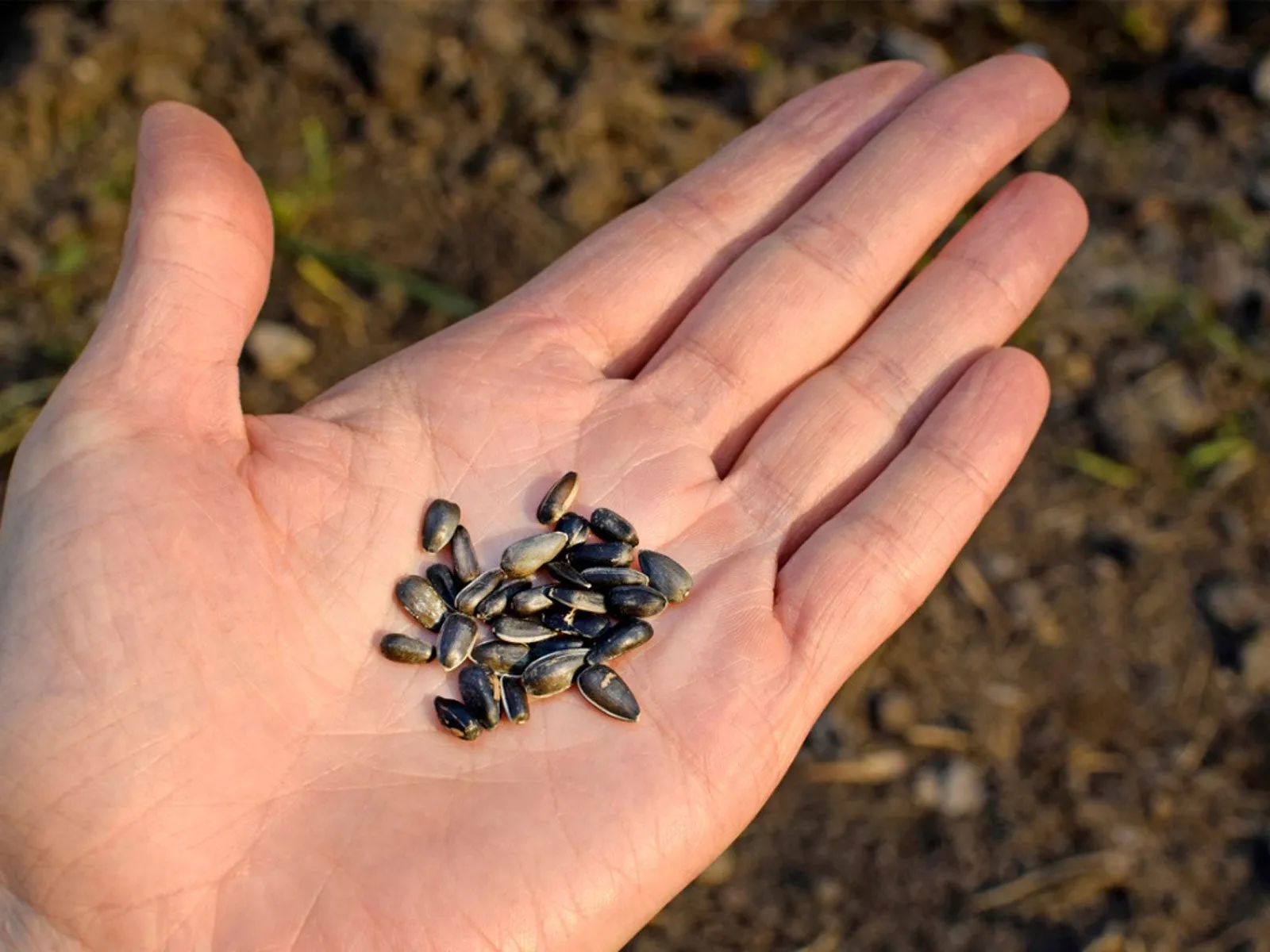
Seed
noun
A seed is a mature ovule that comprises an embryo or a miniature undeveloped plant and food reserves, all enclosed within a protective seed coat. Seeds are a way of reproduction for all flowering plants.
Example: I plant tomato seeds in my garden.
fr: semence
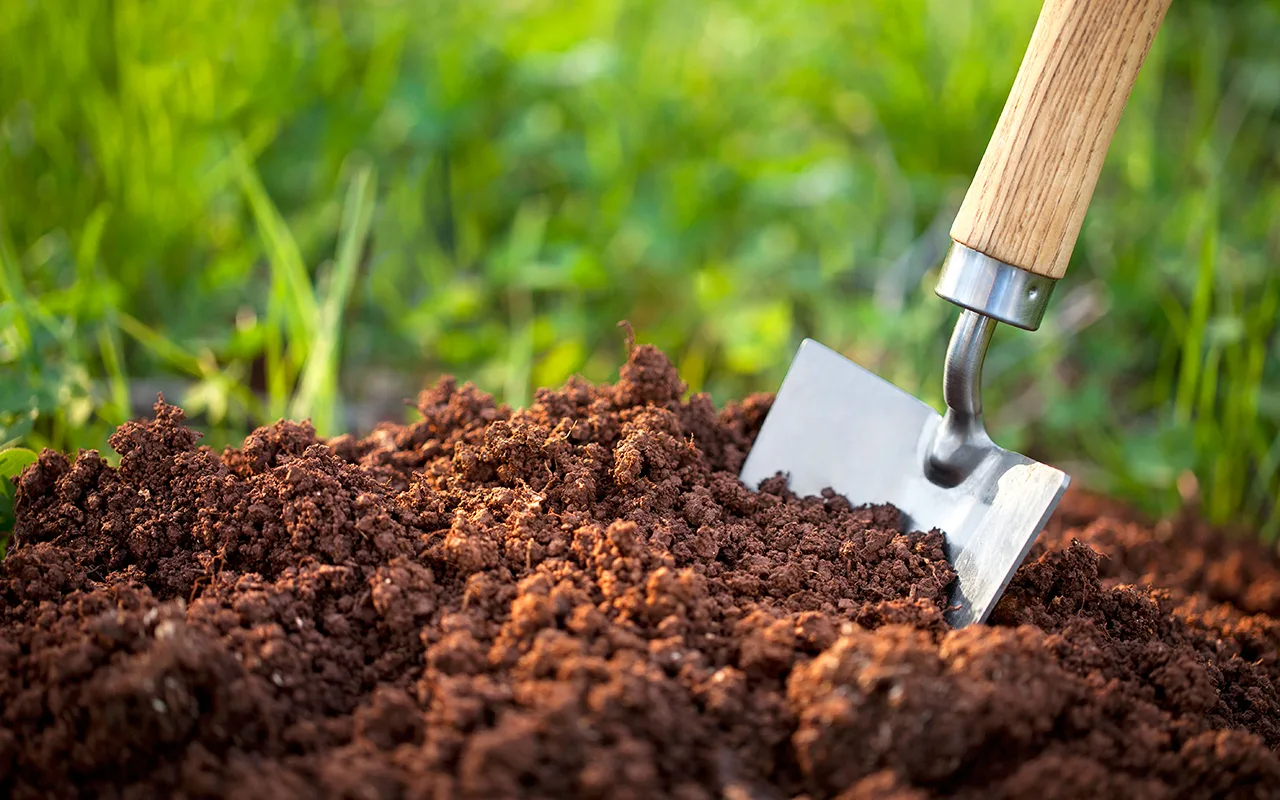
Soil
noun
The upper layer of earth in which plants grow, a black or dark brown material typically consisting of a mixture of organic remains, clay, and rock particles.
Example: I plant seeds in soil.
fr: terre
Stoma
Noun
A small opening on the leaf surface that controls gas exchange and water loss.
Example: Each stoma opens and closes to regulate gas exchange in the leaf.
fr: Stomate
Watering Can
Compound noun
a portable water container with a long spout and a detachable perforated cap, used for watering plants.
Example: I water my plants with a watering can.
fr: arrosoir
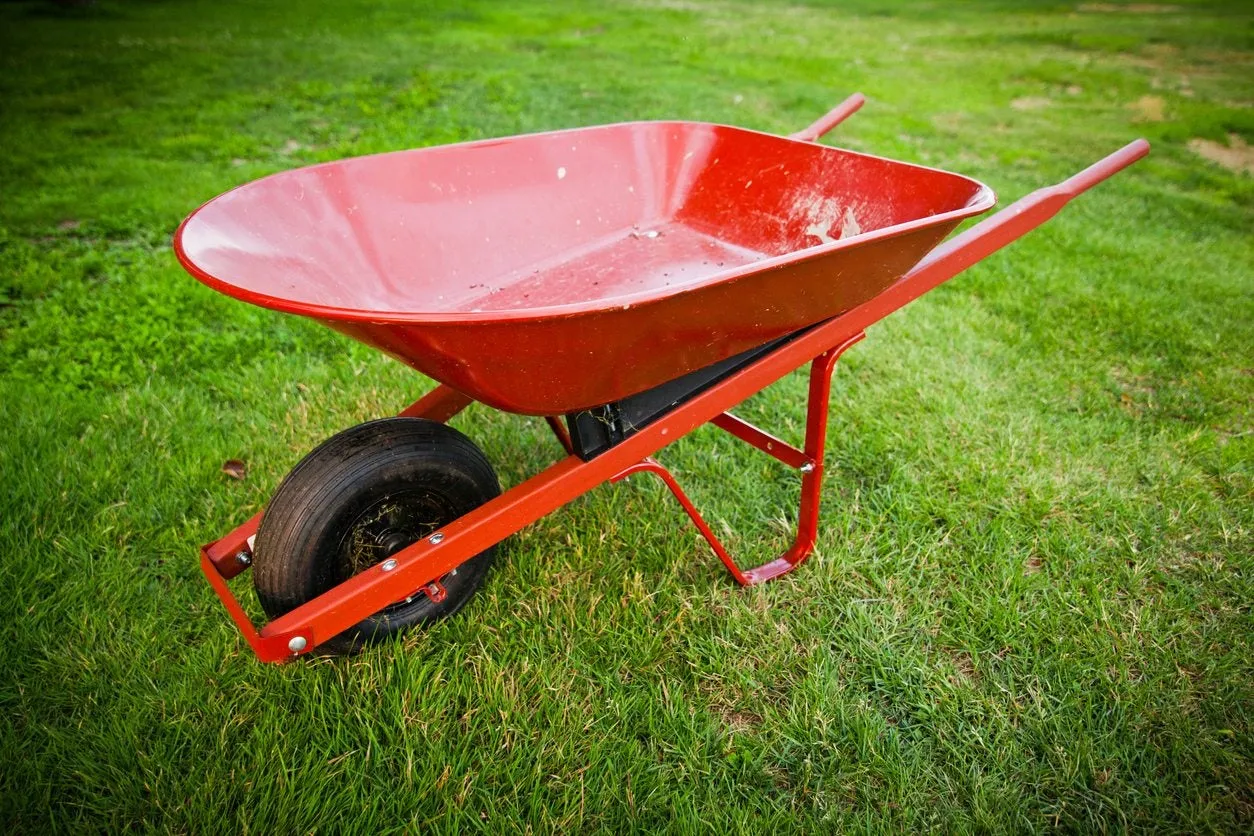
Wheelbarrow
noun
A wheelbarrow is a small cart with a single wheel at the front and two supporting legs and two handles at the rear, used typically for carrying loads in building-work or gardening.
Example: I used the wheelbarrow to bring the soil.
fr: brouette
Xylem
Noun
Plant tissue that transports water and minerals from the roots to the leaves.
Example: The xylem carries water from the roots to the leaves.



:max_bytes(150000):strip_icc()/CoolJob-Skydeer-FloralSociety-StoneBreaker-GroupPhoto-Caitlin-Sole-01-1-448f154f95e54ea6a7dec1ef0da77d84.jpg)