Hi, my name is Meys and I'm a student at Montmorency. I'm currently in a Springboard to a DCS which is a preparatory college program. My goal is to enter the Physical Rehabilitation program. I have been on this program since last winter. Right now, I'm completing the required prerequisites, including science and physics in order to be eligible for admission. This program gives students the chance to take missing courses they need and also helps strengthen their academic skills before officially starting their chosen program.
Abduction
noun
the movement of a limb or other part away from the midline of the body, or from another part.
Example: He is unable to raise his right arm to the side (ABDUCTION) by more than approximately 50Ëš, as pain limiting further movement, or to lift his arm above his head or to put it behind his back.
en: Enlèvement
adduction
noun
the movement of a limb or other part toward the midline of the body or toward another part.
Example: ADDUCTION is unaffected as it is principally achieved by pectoralis major and lattisimus dorsi.
en: adduction
exercise
noun
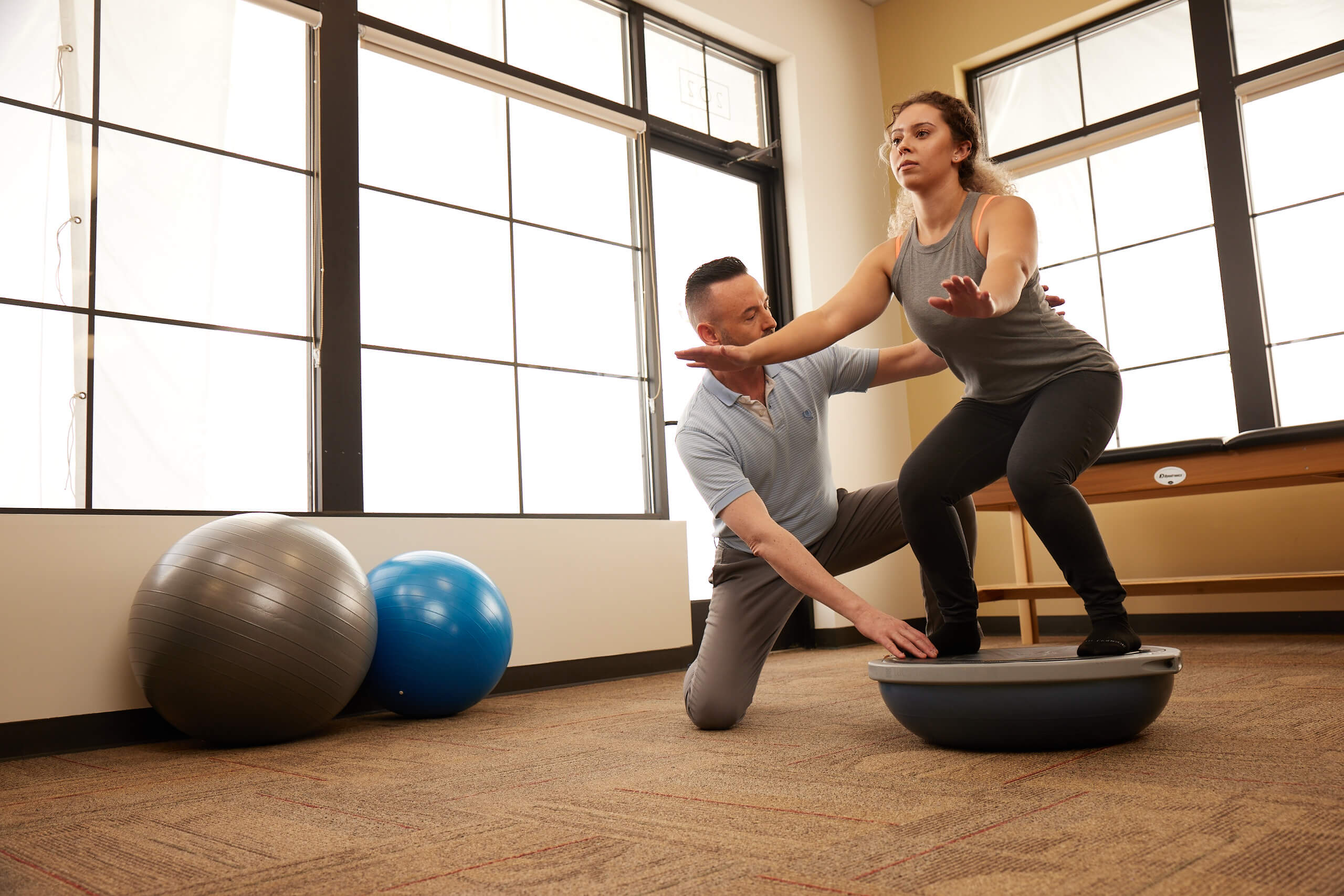
physical activity that enhances or maintains fitness and overall health.
Example: "After his surgery, the doctor recommended regular EXERCISE to help rebuild strength and improve mobility
en: exercise
Extension
noun
straightening or “unbending” of a body part, such as when you straighten your elbow and rest your arm at your side (clinically, extension increases the joint angle measured between two bones).
Example: To improve flexibility, the therapist focused on leg EXTENSION exercises during the rehabilitation session.
en: extension
Flexion
noun
the action of bending or the condition of being bent, especially the bending of a limb or joint.
Example: During physical therapy, the patient practiced knee FLEXION to regain joint movement and reduce stiffness.
en: flexion
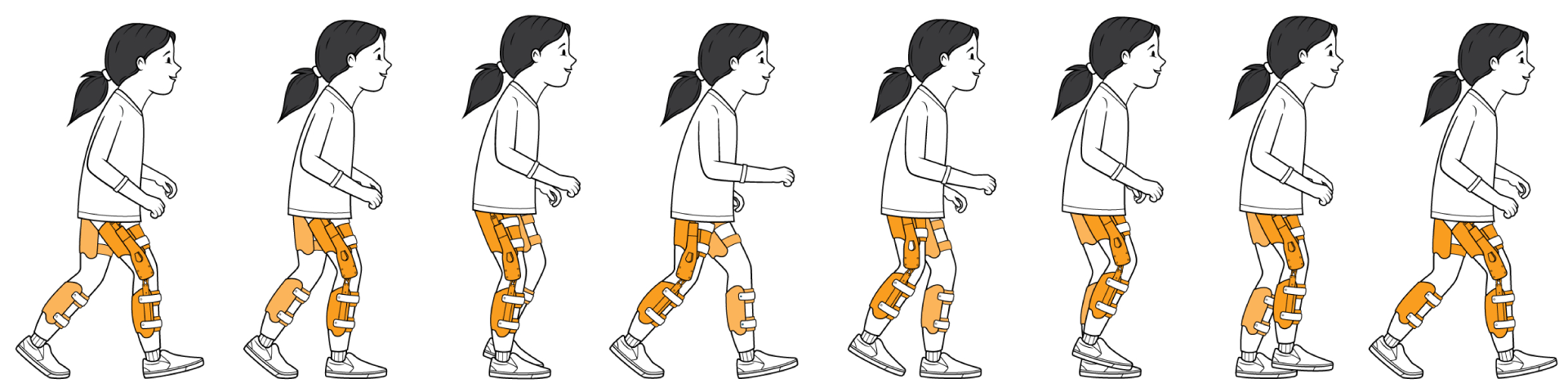
gait
noun
a person's manner of walking.
Example: GAIT - normal width, speed, pace length and arm swing.
en: démarche
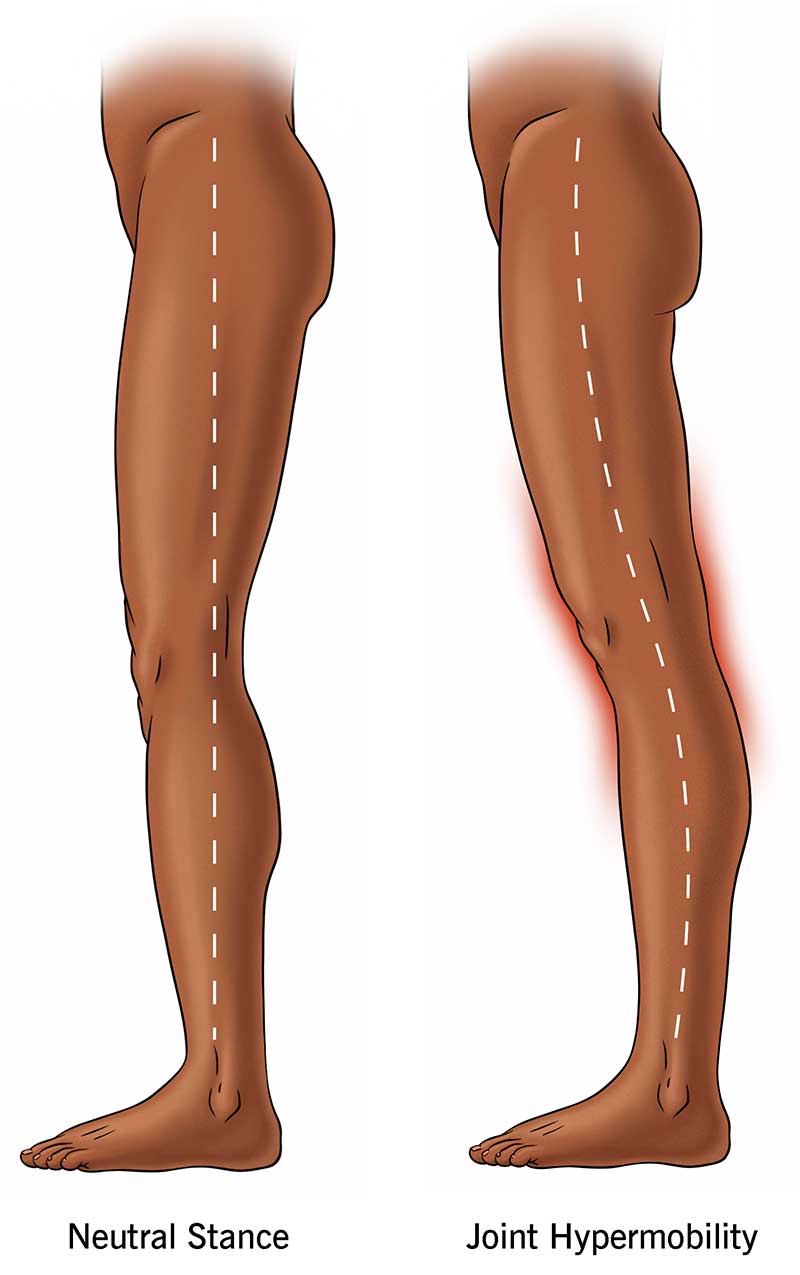
Hypermobility
noun
the ability of a joint to move beyond the typical range or demonstrate excessive motion.
Example: Due to his diagnosis of HYPERMOBILITY, the therapist emphasized strengthening exercises to support the affected areas and prevent injury.
en: Hypermobilité
Joint Stability
noun
the ability of a joint to resist excessive displacement and maintain its proper alignment and function under stress and movement, preventing injury, dislocation, or excessive wear and tear.
Example: To improve recovery, the therapist focused on exercises that would enhance JOINT STABILITY and prevent further dislocations.
en: Stabilité articulaire
kinesiology tape
noun
a flexible, therapeutic adhesive tape made of cotton and elastic fibers that is applied to the skin to provide support to muscles and joints, reduce pain and swelling, improve circulation, and enhance proprioception, or body awareness
Example: To support his injured shoulder, the therapist applied KINESIOLOGY TAPE to reduce pain and promote healing during rehabilitation.
en: bande de kinésiologie
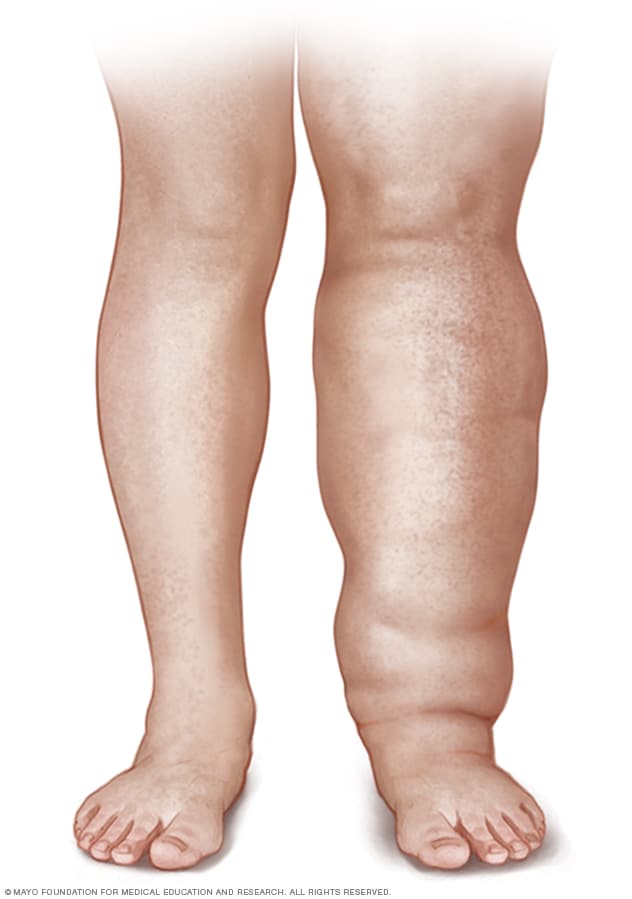
Lymphedema
noun
localized swelling of the body caused by an abnormal accumulation of lymph.
Example: This can cause compression of mucosal lymphatics leading to bowel wall LYMPHEDEMA.
en: lymphœdème
Mobility training
noun
a holistic approach to fitness that combines exercises and movements to improve your joints' range of motion, strength, and control, allowing you to move freely and efficiently.
Example: After the surgery, the rehabilitation program included MOBILITY TRAINING to help the patient regain movement and independence.
en: mobility training
Osteoporosis
noun
A condition where bones become weak and brittle due to a loss of bone mass, increasing the risk of fractures, often managed with weight-bearing exercises.
Example: She also has OSTEOPOROSIS and is concerned that she may incur fractures with little or no precipitating trauma.
en: Ostéoporose
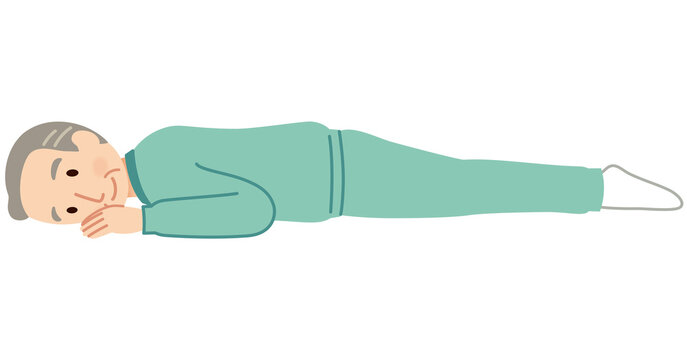
Prone
adjective
laying on your stomach (face down).
Example: During the session, the therapist had the patient lie PRONE to perform exercises that targeted the lower back muscles.
en: à plat ventre
R.I.C.E.
phrase
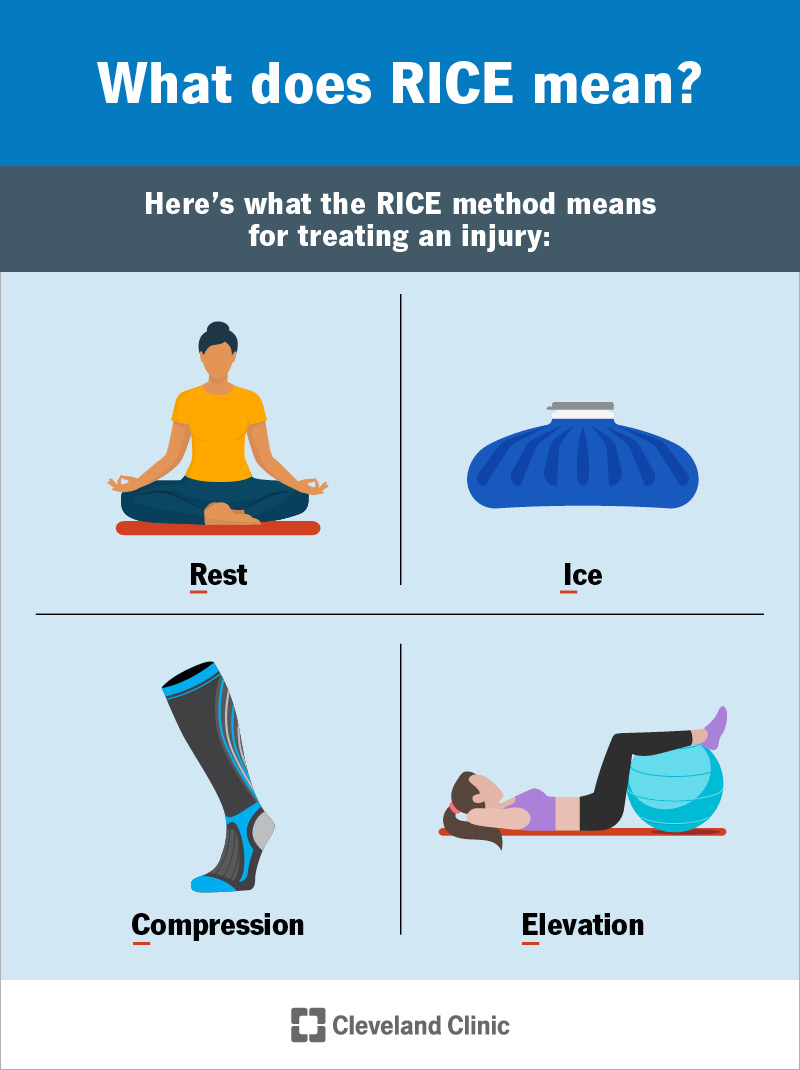
is a first-aid acronym for Rest, Ice, Compression, and Elevation, a treatment method for acute soft-tissue injuries like sprains and strains to manage pain, swelling, and promote healing
Example: After spraining his ankle, the doctor recommended the R.I.C.E. method—Rest, Ice, Compression, and Elevation to reduce swelling and promote healing
en: Repos, Glace, Compression, Élévation
Range of motion
noun
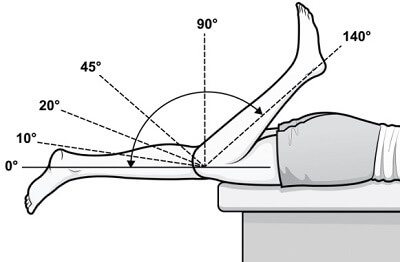
the extent to which a joint can move through its full potential range of movement, including bending, straightening, and rotating, without pain or restriction.
Example: Controlled passive motion should be employed until a maximum RANGE OF MOTION is reached.
en: Amplitude de mouvement
spinal fusion
noun
surgical procedure that joins two or more vertebrae (bones in the spine) together permanently.
Example: Following the injury, the patient underwent SPINAL FUSION surgery to stabilize the vertebrae and alleviate chronic pain.
.
en: fusion vertébrale
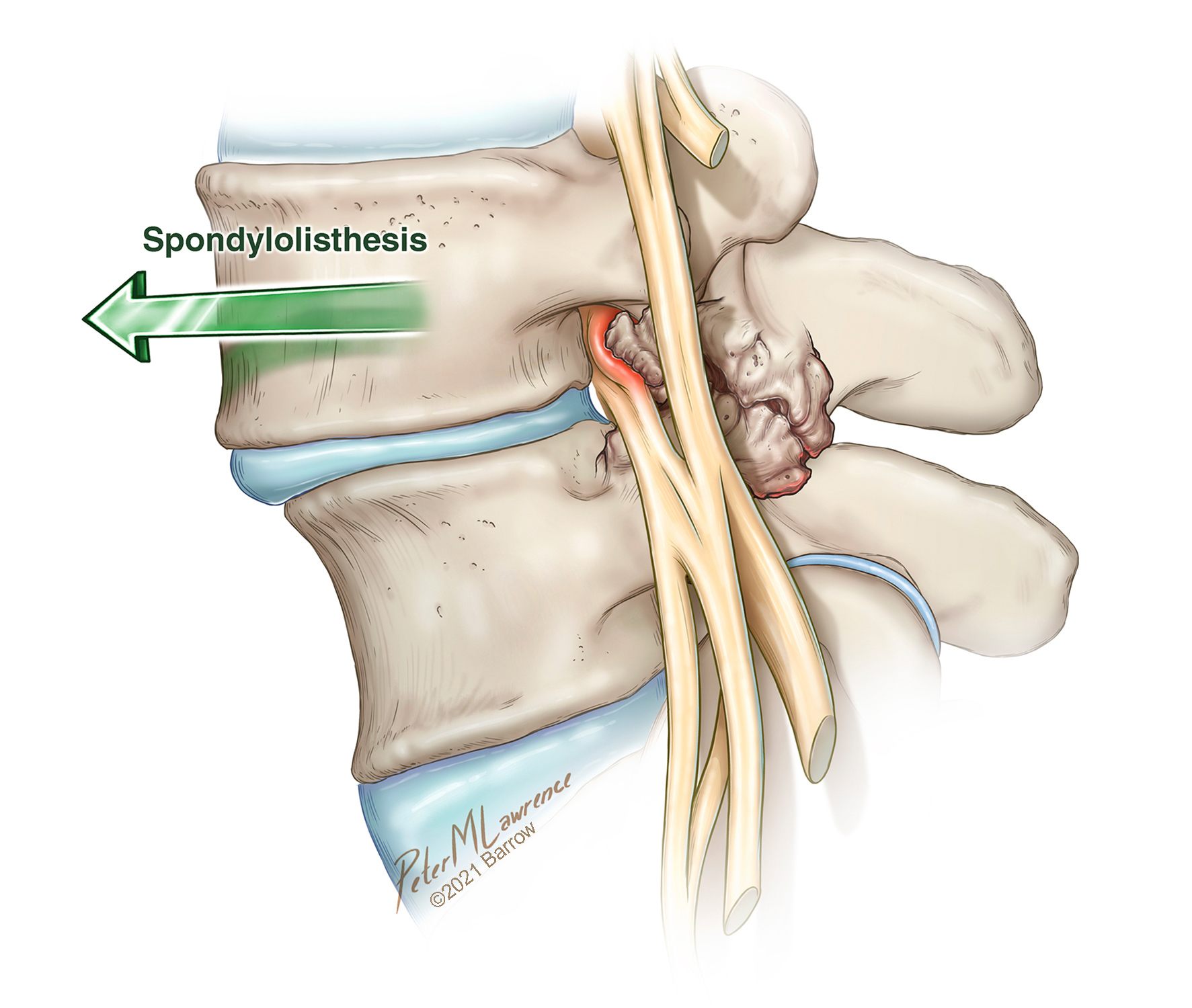
Spondylolisthesis
noun
a medical condition where one vertebra, or bone in the spine, slips out of alignment over the vertebra below it
Example: Due to his diagnosis of SPONDYLOLISTHESIS, the patient was prescribed physical therapy to strengthen his core and alleviate pressure on the spine.
en: Spondylolisthésis
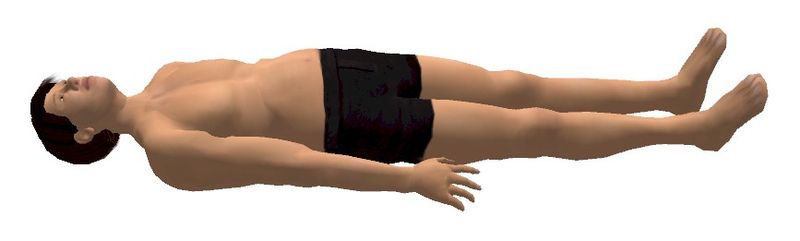
Supine
adjective
laying on your back (face up).
Example: Bioelectrical Impedance Analysis (BIA) The BIA measurement was determined with the subject lying SUPINE on a table top.
en: Couché
Trigger points
noun
a hyperirritable, sensitive spot within a taut band of muscle that causes pain when stimulated, either locally or through referred pain to another area of the body
en: Points de déclenchement
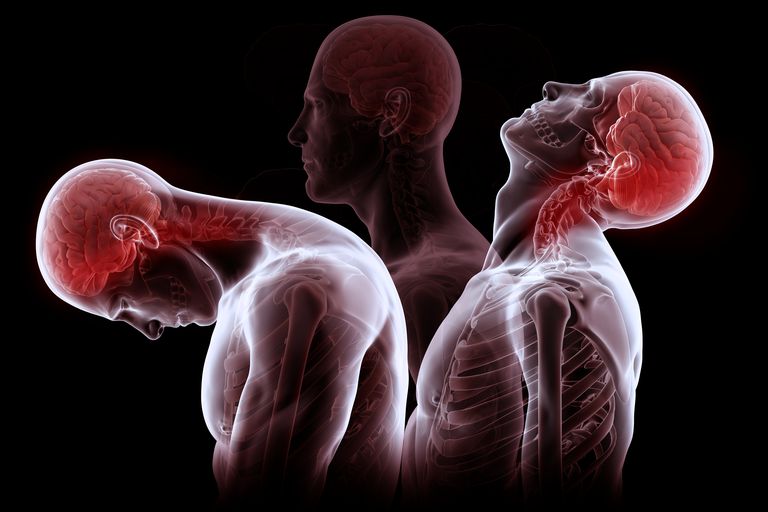
whiplash
noun
a neck injury caused by the head being rapidly and forcefully thrown backward and then forward, or vice versa, like the motion of a whip
Example: Murphy, D: WHIPLASH and spinal trauma notes pg. 9A December 1989.


:max_bytes(150000):strip_icc()/GettyImages-487710813-5a9d5c04a9d4f90037da5d9b.jpg)