20 The topic of this glossary is about the sales and marketing vocabulary. terms
This glossary has been created to provide clear definitions of key terms used in sales and marketing.
Ad Copy
noun
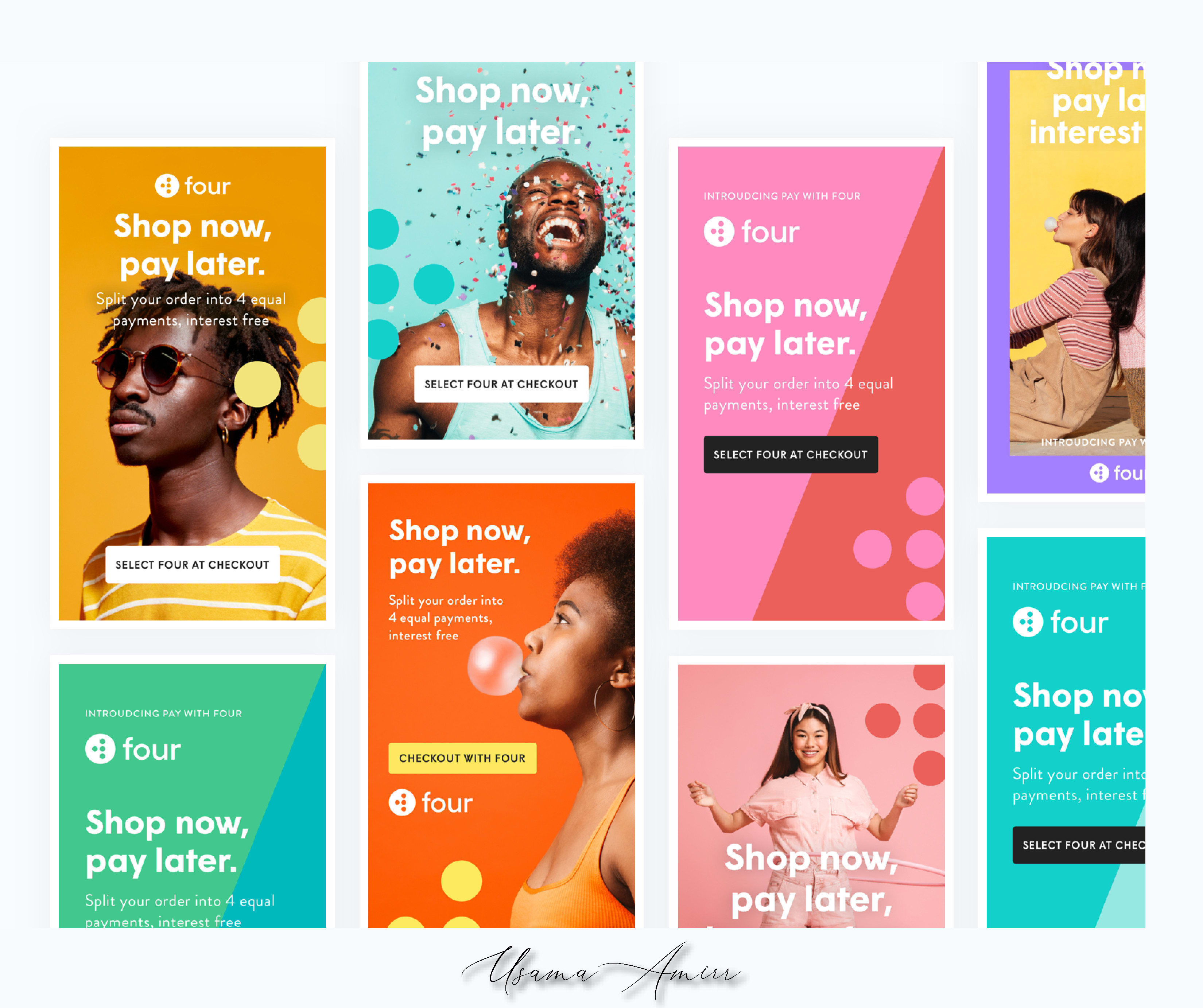
An ad Copy is a form of branded content that aims to convert a potential lead for your business into a customer.
Ad Network
noun
An ad network is a company that connects advertisers to websites that want to host advertisements.
Advertising Budget
noun
The advertising budget is the amount you plan to spend on paid promotion of your brand and/or products over a set time period, such as a year or a quarter.
Audience Segmentation
noun
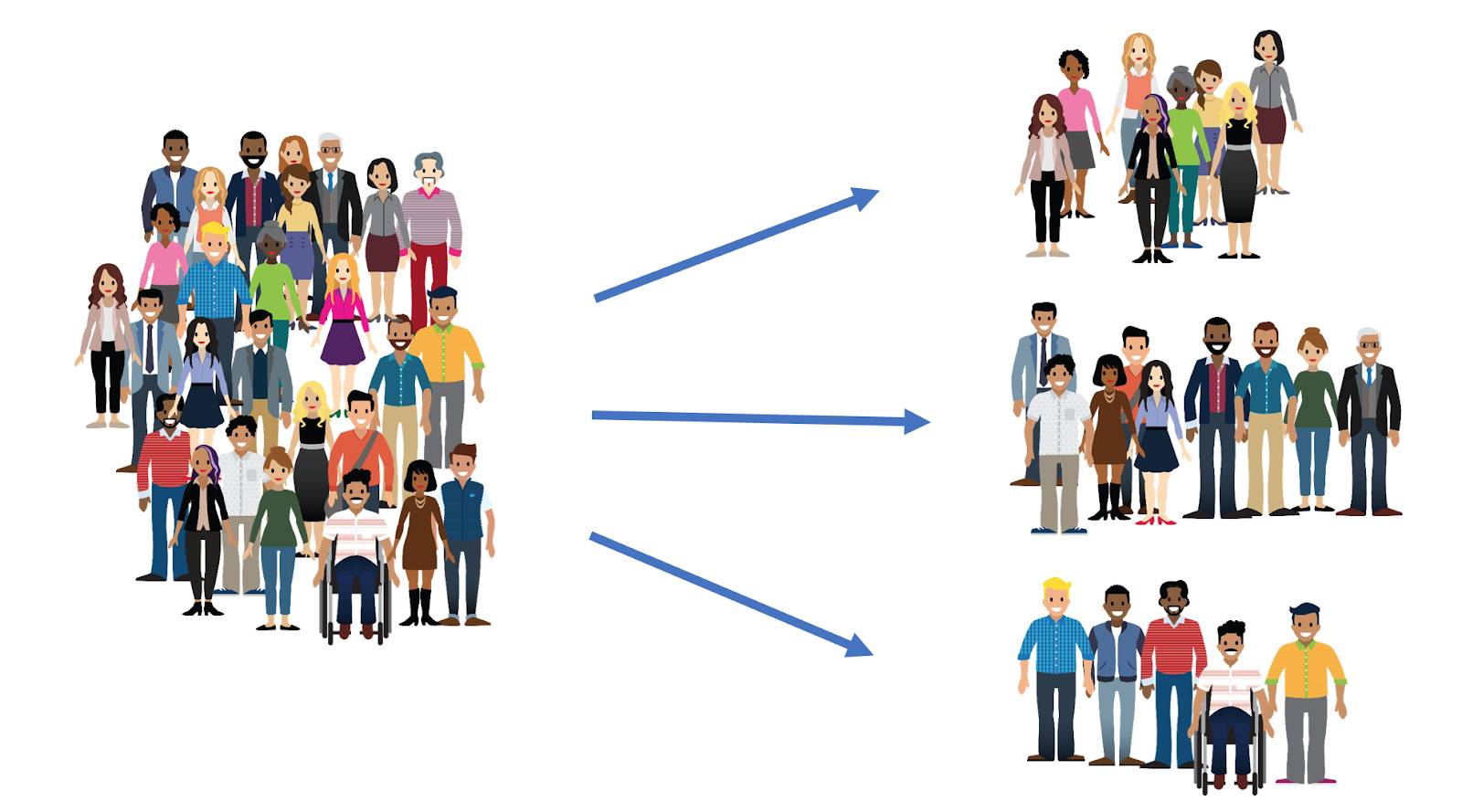
Audience segmentation is a process of dividing people into homogeneous subgroups based upon defined criteria such as product usage, demographics, psycho graphics, communication behaviors and media use. Audience segmentation is used in commercial marketing so advertisers can design and tailor products and services that satisfy the targeted groups.
B2C
noun
business-to-consumer (B2C) is the business model of selling products directly to customers and thereby bypassing any third-party retailers, wholesalers, or intermediaries.
Banner Ad
noun
A banner ad is a form of advertising on the World Wide Web delivered by an ad server.
Benefit
noun
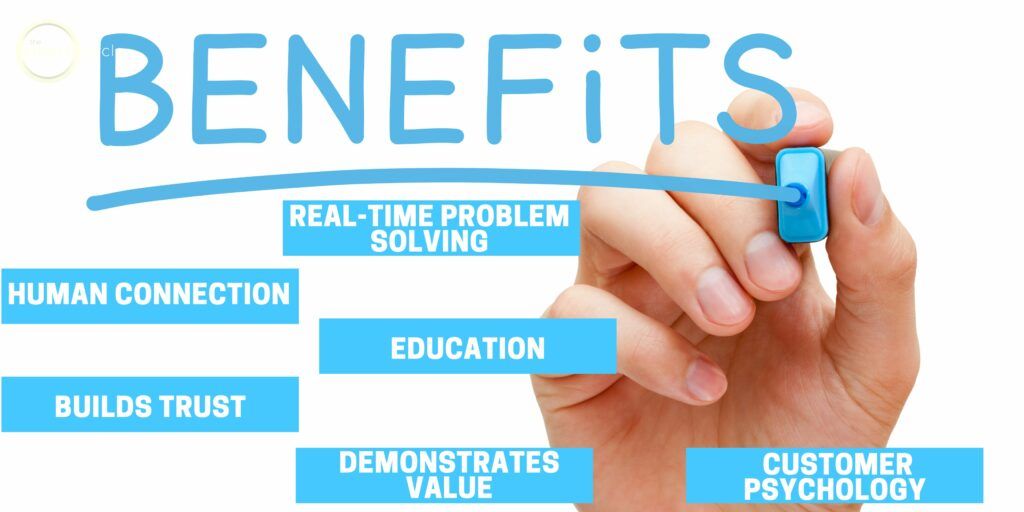
Benefits are the consequences or outcomes that customers experience by using a product or service.
Blog
noun
A blog is an informational website consisting of discrete, often informal diary-style text entries also known as posts. Posts are typically displayed in reverse chronological order so that the most recent post appears first, at the top of the web page.
Brand
noun
A brand is a name, term, design, symbol or any other feature that distinguishes one seller's goods or service from those of other sellers. Brands are used in business, marketing, and advertising for recognition and, importantly, to create and store value as brand equity for the object identified, to the benefit of the brand's customers, its owners and shareholders.
Buyer Behavior
noun
Buyer behavior essentially refers to decision processes. Consumer decision-making process, also called as buying process, explains how consumer takes purchase decisions.
Consumer
noun
A consumer is a person or a group who intends to order, or use purchased goods, products, or services primarily for personal, social, family, household and similar needs, who is not directly related to entrepreneurial or business activities.
Creatives
noun
Creatives refers to both the people behind advertising concepts like copywriters and designers and the marketing materials they produce.
Decision-Maker
noun
A decision maker is someone who is known or primarily responsible for making decisions
Digital Marketing
noun
Digital marketing is the component of marketing that uses the Internet and online-based digital technologies such as desktop computers, mobile phones, and other digital media and platforms to promote products and services.
Dropshipping
noun
Drop shipping is a form of retail business in which the seller accepts customer orders without keeping stocking on hand. Instead, in a form of supply chain management, the seller transfers the orders and their shipment details either to the manufacturer, a wholesaler, another retailer, or a fulfillment houses, which then ships the goods directly to the customer.
Objection
noun
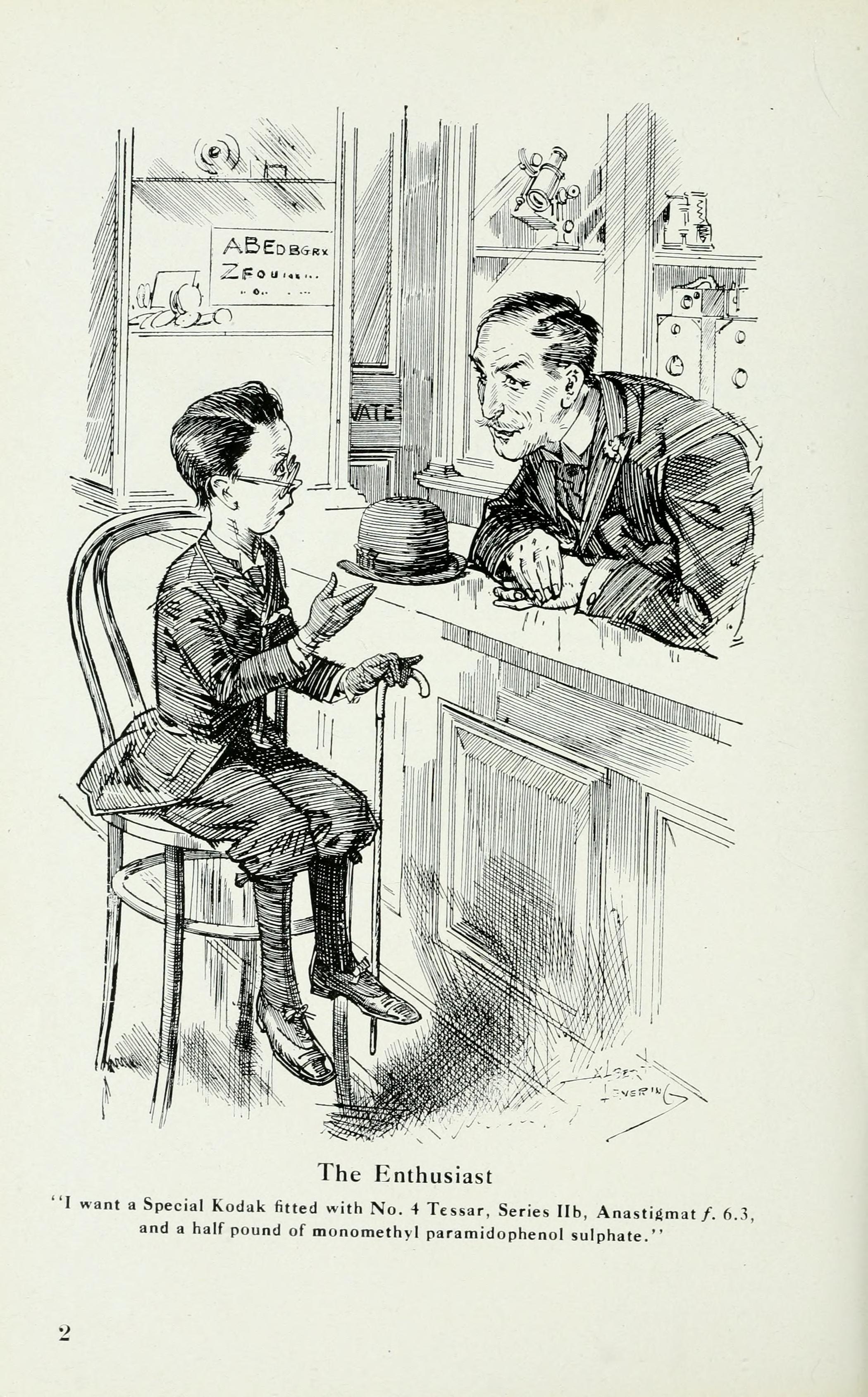
Objections are concerns, hesitations, or doubts a potential customer might have before purchasing a product or service
Prospecting
adjective
Prospecting is the process of identifying and contacting potential customers in order to generate new business.
Quota
noun
A quota is a fixed share of something that a person or group is entitled to receive or is bound to contribute.
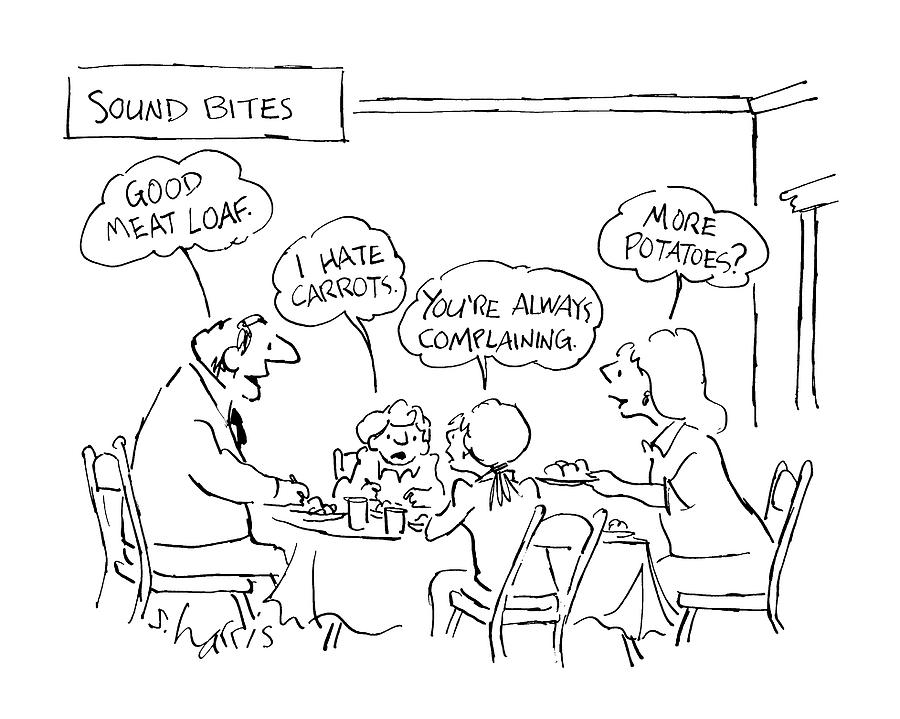
Sound Bite
noun
Sound bite is a short extract from a recorded interview or speech, chosen for its succinctness or concision.
Up-Selling
noun
Up-selling is a sales technique where a seller invites the customer to purchase more expensive items, upgrades, or other add-ons to generate more revenue.