This glossary is for me to learn new marketing and sales words.
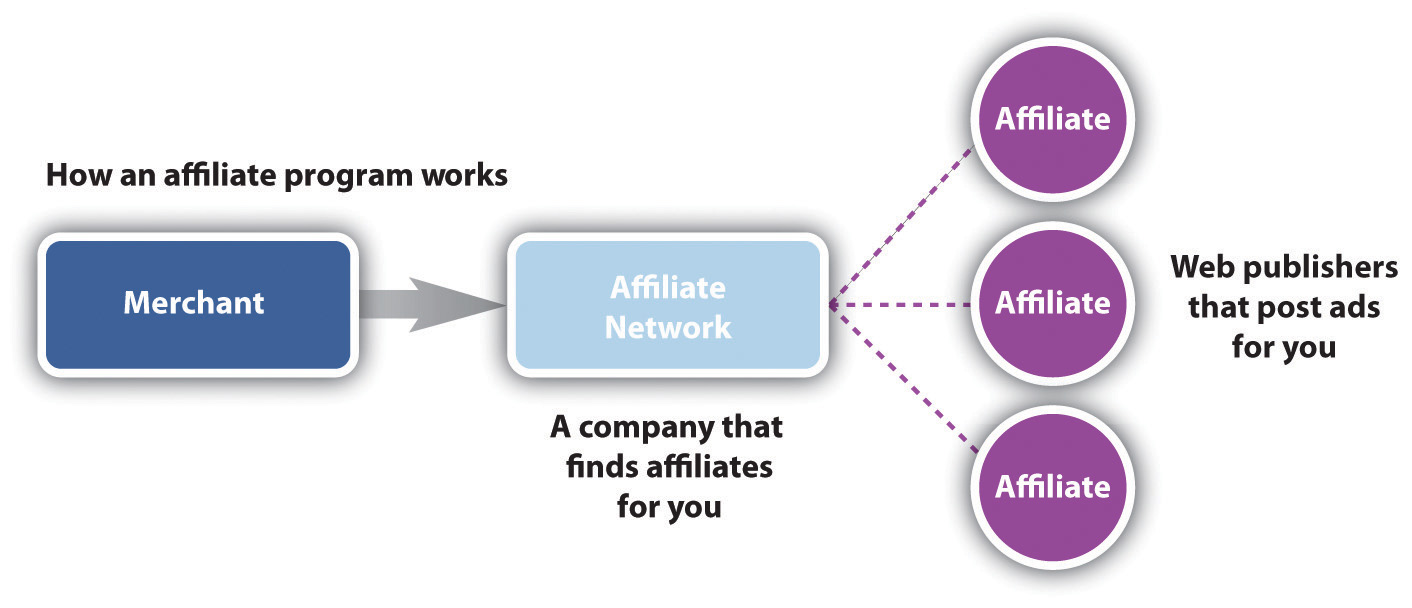
Affiliate network
A specially selected group of website publishers who partner with an advertiser to deliver leads or sales and receive a commission based solely on their performance. Here’s a simple example: A shoe company partners with a few highly influential fashion bloggers. The bloggers include ads and links promoting the company’s shoes on their sites. The shoe company pays the bloggers a commission on the sales generated. Affiliate networks offer advertisers "prepackaged" affiliate programs.
Bad leads
Leads that are unlikely to become paying customers -- and a sales rep's worst nightmare, because they are a waste of time. A tough challenge for most marketers is how you separate good, high-quality leads from the people who are just poking around your site.
BIMI
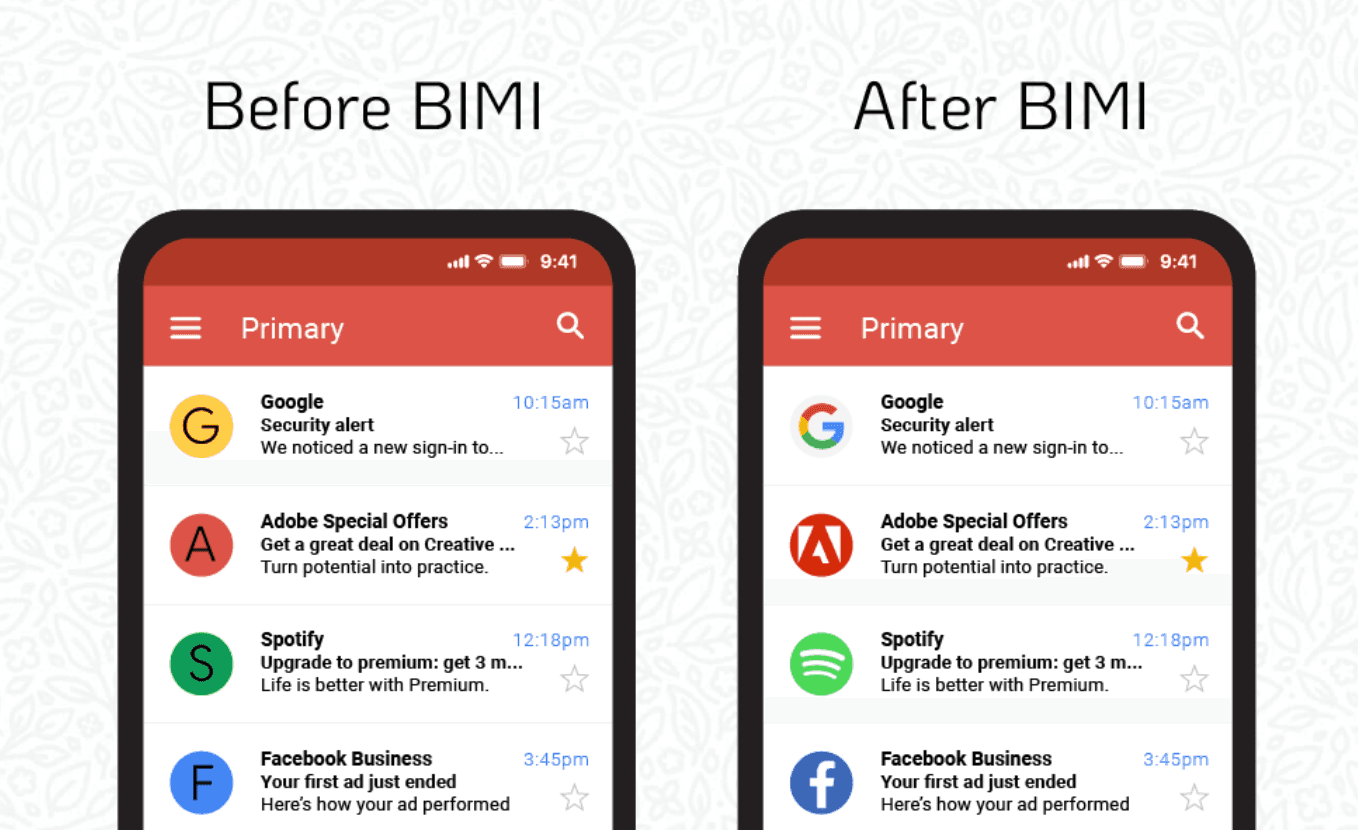
Brand Indicators for Message Identification (BIMI) is an emerging security technology that helps authenticate your email marketing and builds trust with your customers. BIMI works with DKIM, SPF, and DMARC protocols to protect your domain from being used by malicious actors to send fraudulent email. It causes your logo to appear right next to your messages in a user’s inbox, so that your contacts and their email service will know these emails are really from you or your business.
Buying signal
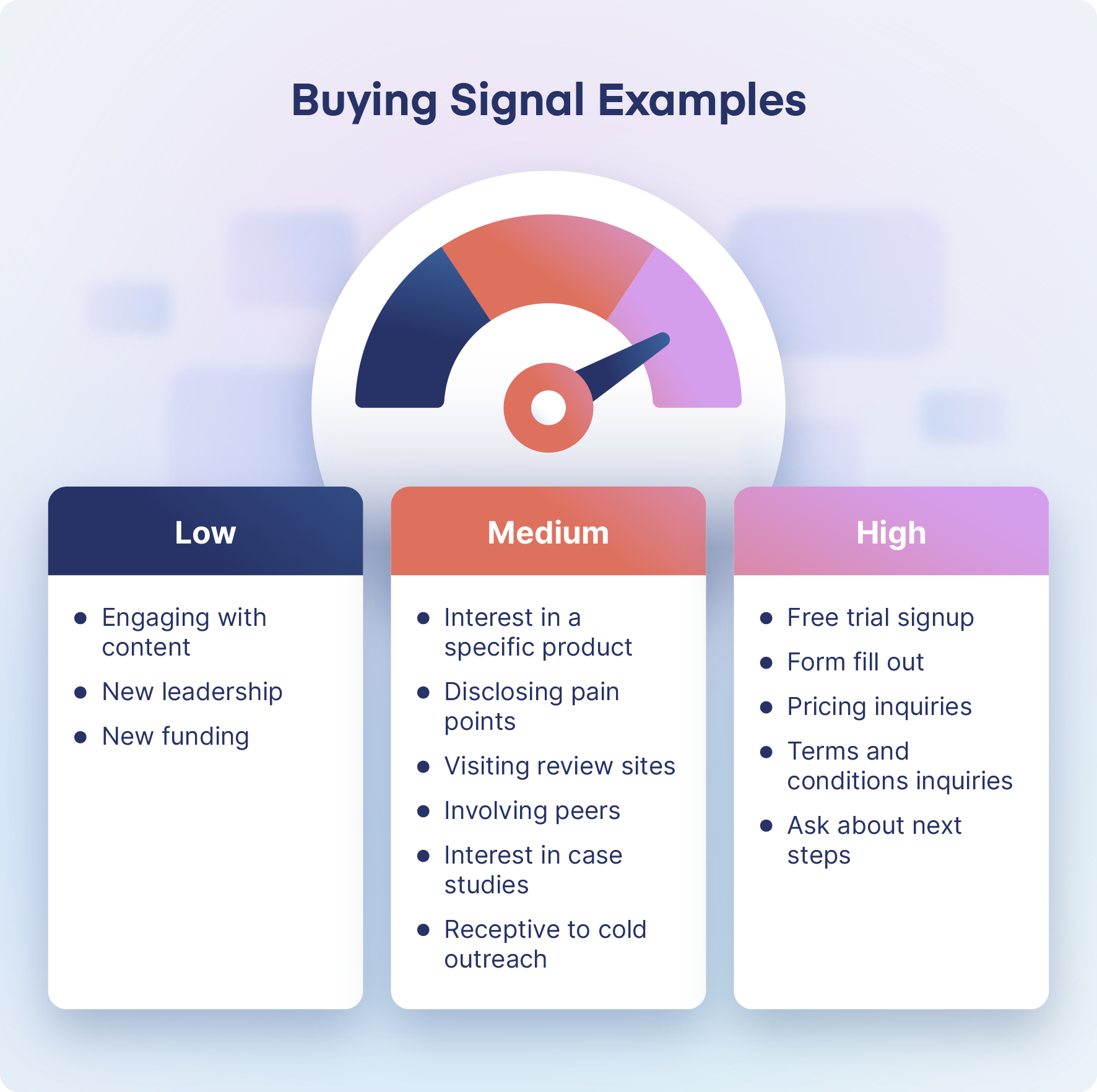
A communication from a prospect indicating they are ready to make a purchase, either verbal or non-verbal. An example would be them asking the sales rep, "When can it be delivered?"
Churn rate
A metric that measures how many customers you retain and at what value. To calculate churn rate, take the number of customers you lost during a certain time frame, and divide that by the total number of customers you had at the very beginning of that time frame. (Don't include any new sales from that time frame.)
For example, if a company had 500 customers at the beginning of October and only 450 customers at the end of October (discounting any customers that were closed in October), their customer churn rate would be: (500-450)/500 = 50/500 = 10%.
Churn rate is a significant metric primarily for recurring revenue companies. Regardless of your monthly revenue, if your average customer does not stick around long enough for you to at least break even on your customer acquisition costs, you’re in trouble.
Closed-lost
When a sales rep closes a deal in which the buyer purchases the product or service.
Closed-won
When a sales rep closes a deal in which the buyer purchases the product or service.
Contact Form
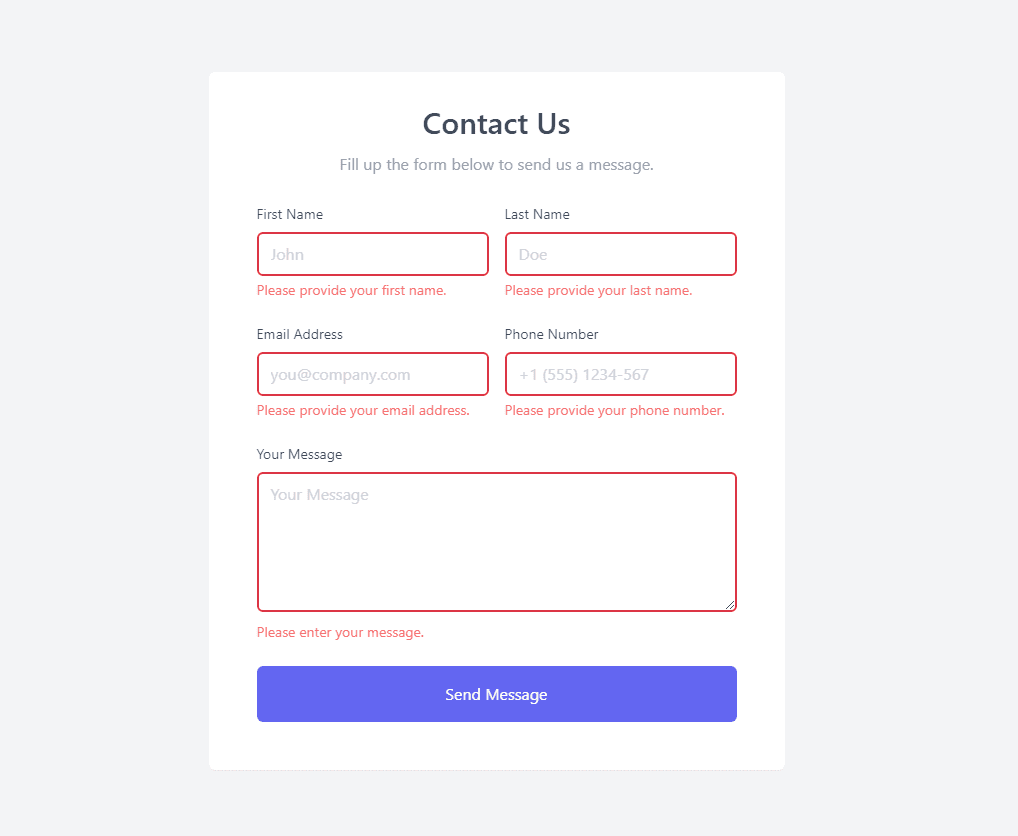
A page on a website that contains a brief questionnaire that allows users to provide information about themselves and indicate an interest in being contacted about your products or services. Common form fields are first name, last name, email address, and area of interest. Essential elements of a contact form are a statement confirming the user is giving you permission to make contact and a link to your privacy policy.
Cross-Selling
When a sales rep has more than one type of product to offer consumers that could be beneficial, and s/he successfully sells a consumer more than one item either at the time of purchase or later on. An example is when Apple sells you an iPhone and then successfully sells you an Apple iPhone case or a pair of Apple headphones. In this case, a sales rep identifies a need the customer has, and fulfills that need by recommending an additional product. (Cross-selling differs from up-selling; see up-selling.)
Eye Tracking
Measuring and recording the movement of eyes as they look at a web page. In digital marketing, eye tracking is often used to figure out what parts of a web page or email people look at first or spend the most time looking at, which is often displayed as a heat map. Marketers use this data to strategically place elements, such as call-to-action buttons, where they are most likely to be seen and clicked on.
Feature
A function of a product that can solve for a potential buyer's need or pain point; usually a distinguishing characteristic that helps boost appeal.
FTC
The Federal Trade Commission (FTC) is tasked with promoting competition in the United States marketplace and protecting consumers. In the world of e-commerce and digital marketing, the FTC is responsible for providing rules and guidance around online advertising, which it refers to as the “rules of the road.” It enforces the CAN-SPAM Act to ensure email marketing isn’t misleading or harassing.
Google My Business
A free service that lets you provide more detail about your business when it appears in search. Beyond a URL and description, you can add photos, videos, telephone numbers, business hours, a delivery area, and links to reservation services. A cover photo and snippets from Google Maps and Google Street View help potential customers know what to expect when they arrive for the first time. A word of warning: Users can suggest edits to your profile, so check it regularly for accuracy.
Heat Map
A visual representation of data that uses color to communicate areas of highest use or likelihood. A click map is a special type of heat map that shows which parts of web pages receive the most clicks. Using a scale of red (“hot”) to blue (“cold”), areas where people look or click the most are labeled with red. Web designers can combine the data from an eye-tracking heat map and a click map to position call-to-action buttons where they are most likely to be seen and clicked.
Iframe
An iframe is a section of a web page that contains content that comes from another page. It’s a page within a page. Iframes are typically used to pull in content from third parties. For example, you can set up iframes on your website to display banner ads from Google Ads or another ad network. Iframes are different from framesets (also called just “frames”), which were used in the early days of the internet to make page layouts easier and navigation consistent.
Loss Leader
Used in retail to refer to a product sold at a low price (either at break-even or at a loss) for the purpose of attracting customers into the store. The goal is for customers who go into the store to buy other items that are priced to make a profit.
Quality Score
A Google Ads metric that rates how relevant your pay-per-click (PPC) ads and landing pages are to your chosen keywords. Google doesn’t reveal its exact calculation, but your estimate is based on ad relevance to keywords, expected click-through rate (CTR), and landing page experience. If you want to improve your Quality Score, Google recommends optimizing your ads and landing pages as well as revisiting your keyword strategy.
Smarketing
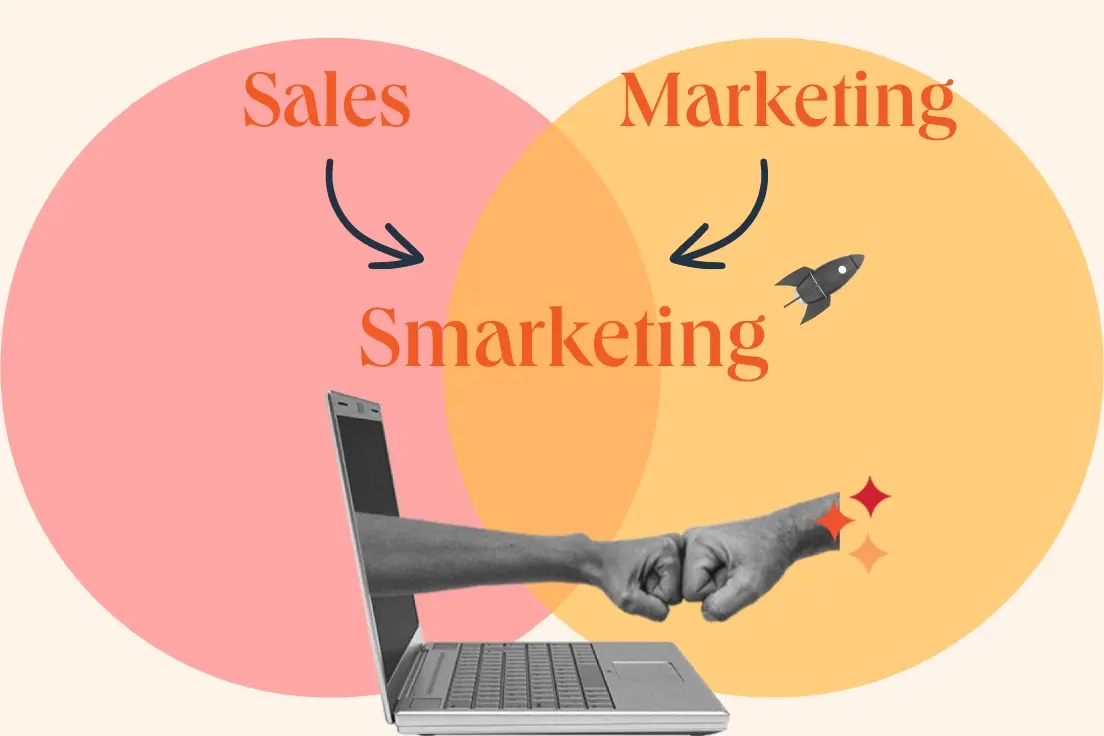
Used to refer to the practice of aligning Sales and Marketing efforts. In a perfect world, marketing would pass off tons of fully qualified leads to the sales team, who would then subsequently work every one of those leads enough times to close them 100% of the time. But since this isn't always how the cookie crumbles, it’s important for Marketing and Sales to align efforts to impact the bottom line the best they can through coordinated communication.
Up-selling
When a sales rep sells an existing customer a higher-end version of the product that customer originally bought. For example, if you bought a cell phone plan and a sales rep successfully persuaded you to upgrade to a plan with more minutes or data, then that's an up-sell.
Vision Statement
A short description of a company’s goals for the future. Vision statements tend to be highly aspirational, serving to motivate employees while guiding day-to-day decision making. Vision statements (future goals) are often paired with mission statements (today’s goal) and value statements (how a company goes about reaching all of its goals).
)