My name is Jaylen Pierre, I am 19 years old, and I am currently studying in the civil engineering program at Collège Ahuntsic. I graduated this year, and I plan to continue my academics in the same field at ÉTS (École de technologie supérieure) this upcoming fall. The following glossary is about civil engineering, a branch of science that revolves around the conception and construction of all types of civil structures and infrastructures such as, roads, houses, buildings, bridges and more. This glossary contains important information that can help solve the real-world problem about founding ways to build without polluting the environment. It contains 18 different terms regarding various resources about many construction materials and engineering elements that go directly into the conception of structures, and that or in some cases responsible for the pollution of the environment. The method I used to find those words was by using the knowledge that I gained in my engineering courses, by looking back in the theoretical books that I used in class and by using Wikipedia to find related terms to my field. I was able to found most of the definitions of the terms on the digital dictionary provided by Google. As for the readers of this glossary, I suggest that they read carefully each one of the terms in order to learn more about civil engineering, and about how it affects environment. I also recommend that they play the quiz linked at the end in order to evaluate their comprehension of the knowledge displayed in this document.
aggregate
noun
A material or structure formed from a loosely compacted mass of fragments or particles.
Example: Concrete is a composite material primarily made of four elements : Portland cement, water, AGGREGATES (sand and gravel), and sometimes air (entrained or trapped).
en: agrégat / granulat
asphalt
noun
A mixture of dark bituminous pitch with sand or gravel, used for surfacing roads, flooring, roofing, etc.
Example: ASPHALT is commonly used to build the surface layer of roads. It's production requires high heat temperatures which releases large loads of carbon dioxide.
en: asphalte
beam
noun
A long, sturdy piece of squared timber or metal spanning an opening or part of a building, usually to support the roof or floor above.
Example: Despite being good structural elements, the production of BEAMS requires the melting of large quantities of metal. That process releases a lot of carbon dioxide in the air.
en: poutre
bridge
noun
A structure carrying a road, path, railroad, or canal across a river, ravine, road, railroad, or other obstacle.
Example: The BRIDGE's structural engineering work was completed. The process to build a BRIDGE requires machinery that generates harming loads of gas in the air.
en: pont
building
noun
A structure with a roof and walls, such as a house, school, store, or factory.
Example: Such evidence include the accounts of the vicar of Kirkby Malham, who in 1454 paid carpenters for placing stones under the crucks to stabilize the BUILDING.
en: bâtiment
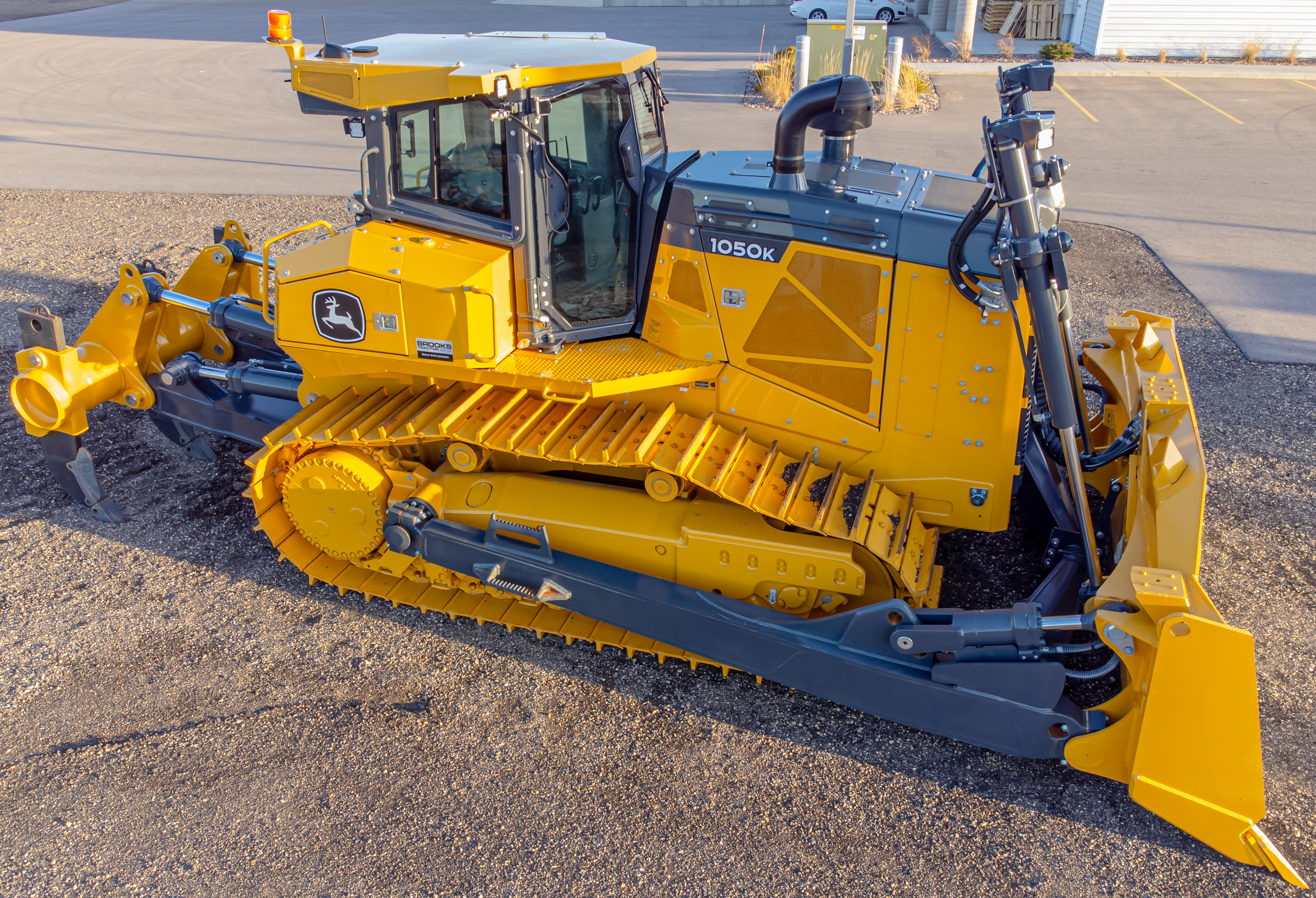
bulldozer
noun
A powerful tractor with a broad upright blade at the front for clearing ground.
Example: A BULLDOZER is often used on construction sites to move large piles of materials such as aggregates and soil. In order to operate, it requires large quantities of fuel that pollute the environment once burnt.
en: bouteur
concrete
noun
A heavy, rough building material made from a mixture of broken stone or gravel, sand, cement, and water, that can be spread or poured into molds and that forms a mass resembling stone on hardening.
Example: The drawing machine can be constructed from a combination of typical Roman materials such as wood, iron, CONCRETE and stone.
en: béton
culvert
noun
A tunnel carrying a stream or open drain under a road or railroad.
Example: A CULVERT is often used to drain the flowing water on roads.
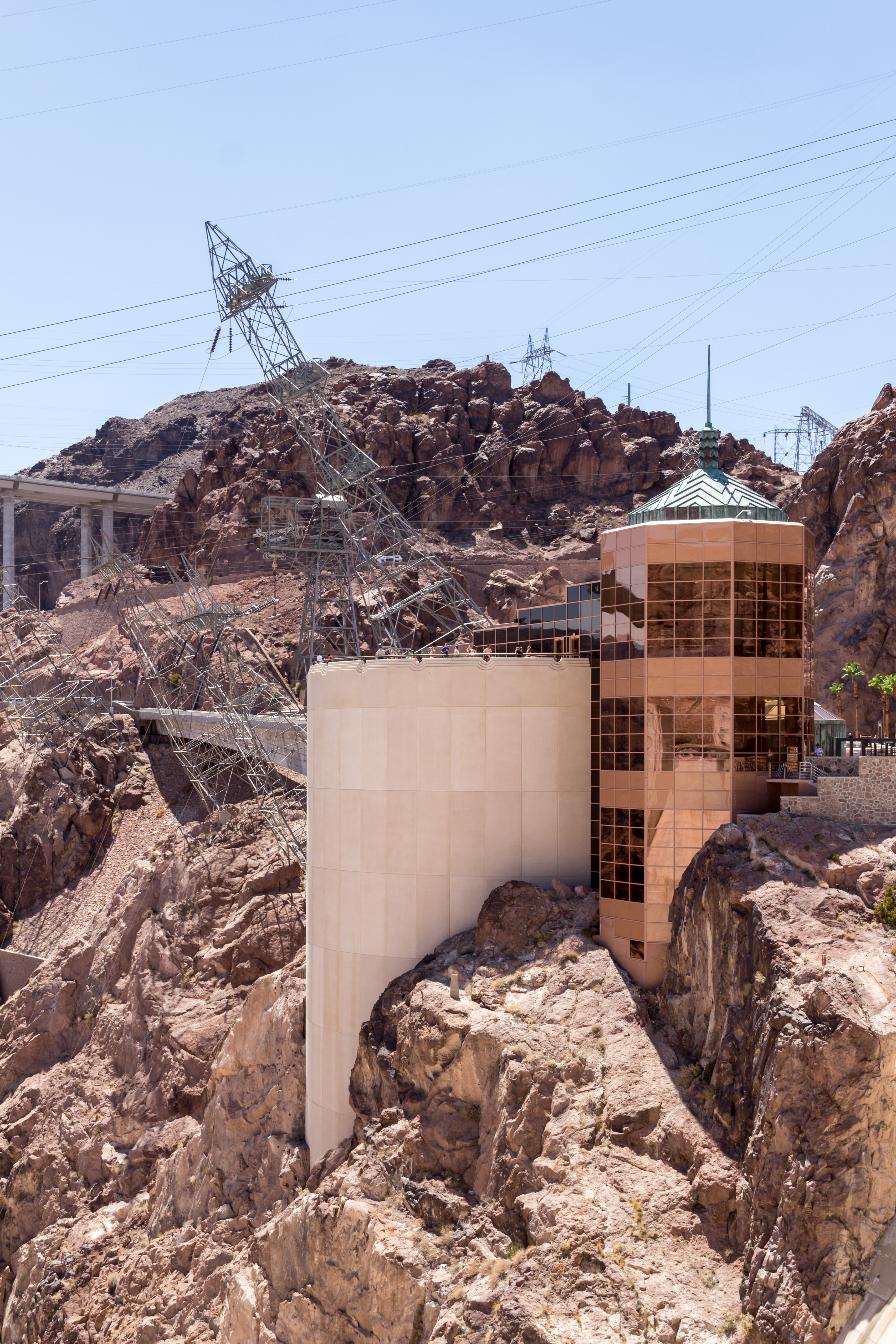
dam
noun
A barrier constructed to hold back water and raise its level, forming a reservoir used to generate electricity or as a water supply.
Example: At 575 feet high and, spanning nearly one mile across, The Three Gorges Project in China is set to be the world's largest DAM, with the primary purposes of flood control and power generation.
en: barrage
foundation
noun
The lowest load-bearing part of a building, typically below ground level.
Example: The FOUNDATIONS of the skycraper were built after it was implanted by the surveyors.
en: fondation
framework
noun
An essential supporting structure of a building, vehicle, or object.
Example: The FRAMEWORK of the house in made of wood.
en: charpente / ossature
joist
noun
A length of timber or steel supporting part of the structure of a building, typically arranged in parallel series to support a floor or ceiling.
Example: JOISTS are used to distribute the loads of the floors.
en: solive / poutrelle
loader
noun
A heavy equipment machine used in construction to move or load materials such as soil, rock, sand, demolition debris, etc. into or onto another type of machinery (such as a dump truck, conveyor belt, feed-hopper, or railroad car).
Example: Similarly, to bulldozers, LOADERS require large quantities of fuel that pollute the environment once burnt.
en: chargeuse
sewer
noun
An underground conduit for carrying off drainage water and waste matter.
Example: SEWERS are a critical part of municipal infrastructure, responsible for collecting, treating, and managing wastewater from homes, businesses, and industries.
en: égoût
slab
noun
A large, thick, flat piece of stone, concrete, or wood, typically rectangular.
Example: A slab can be placed on top of the footings once the concrete of the foundations is fully dry.
en: dalle
soil
noun
The upper layer of earth in which plants grow, a black or dark brown material typically consisting of a mixture of organic remains, clay, and rock particles.
Example: A yearly SOIL examination will also see if the new techniques are helping to benefit the SOIL, one way of doing this is to carry out an earthworm survey.
en: sol
steel
noun
A hard, strong, gray or bluish-gray alloy of iron with carbon and usually other elements, used extensively as a structural and fabricating material.
Example: The production of STEEL requires high heat temperatures which releases large loads of carbon dioxide.
en: acier
viaduct
noun
A long bridge-like structure, typically a series of arches, carrying a road or railroad across a valley or other low ground.
Example: Ensuring efficient communication channels were in place also allowed the contractors to effectively co-ordinate all of the companies involved in the VIADUCT's construction.