I am a student in health sciences for a year. I am creating this glossary to help other students in my field to familiarize with terms that are often use in chemistry.
aqueous solution
noun
A solution in which the solvent is water.
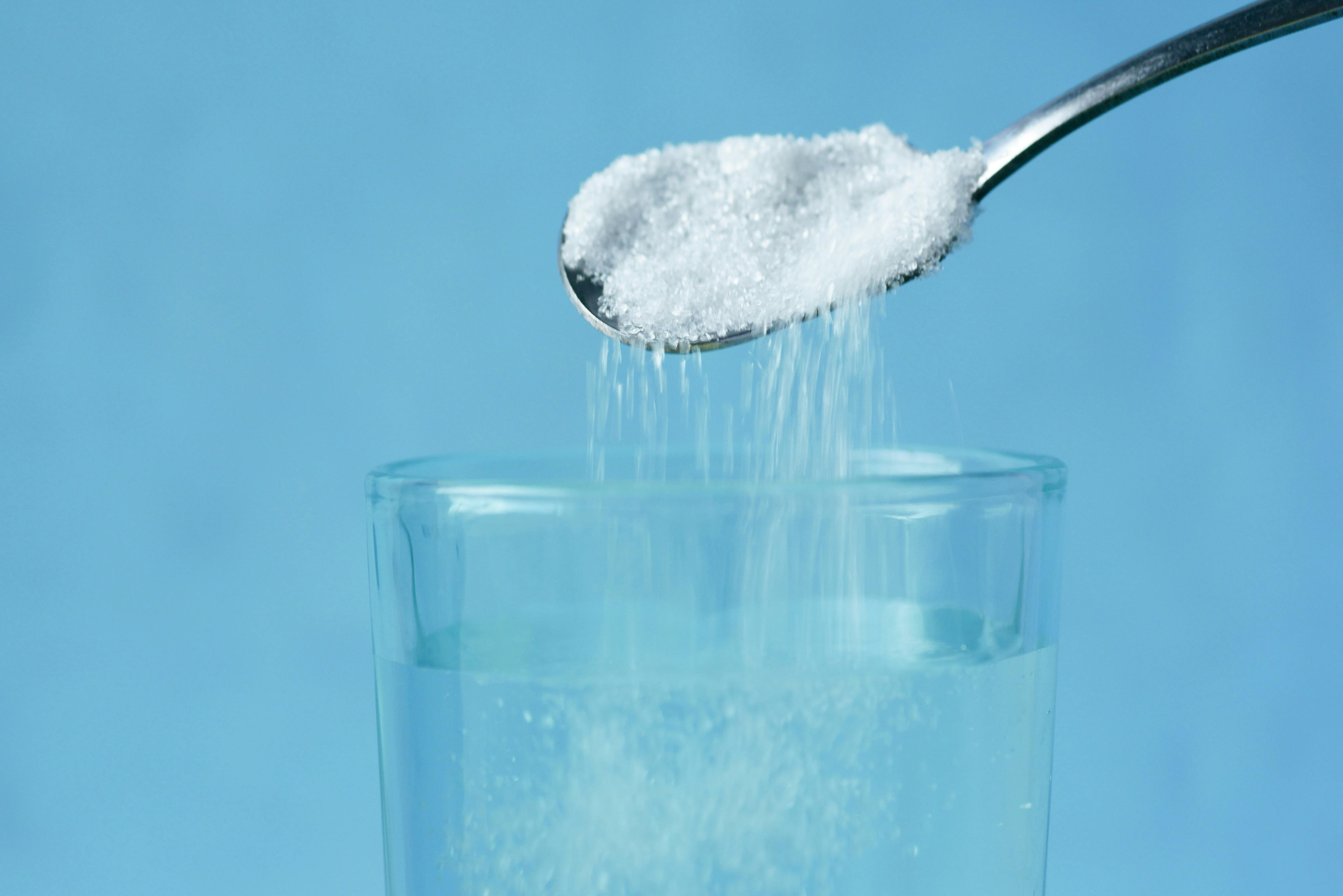
Example: When you stir sugar into water, you get an aqueous solution because the sugar dissolves in the water.
en: solution aqueuse
buffer solution
noun
A solution where the pH does not change significantly on dilution of an acid or base is added at constant temperature. The pH changes very little when a small amount of strong acid or base is added to it.
Example: A buffer solution is a mixture that helps maintain a stable pH when small amounts of acid or base are added.
en: solution tampon
colligative properties
noun
Properties of solutions that depend on the ratio of the number of solute particles to the number of solvent particles in a solution, and not on the nature of the chemical species present.
Example: Colligatives properties depend on the number of dissolved particles in a solution, not their type.
en: propriété colligatives
concentrated
adjective
(of a substance or solution) present in a high proportion relative to other substances; having had water or other diluting agent removed or reduced.
Example: A concentrated solution has a large amount of solute dissolved in a small amount of solvent.
en: concentré
dilute
adjective
Make (a liquid) thinner or weaker by adding water or another solvent to it.
Example: A dilute solution has a small amount of solute in a lot of solvent.
en: dilué
electrolyte
noun
A substance, typically a solution, that conducts electricity through the movement of charged particles called ions.
Example: Table salt is an electrolyte because it breaks into ions in water and lets electricity flow.
en: électrolyte
ionization
noun
The process by which an atom or a molecule acquires a negative or positive charge by gaining or losing electrons, often in conjunction with other chemical changes.
Example: During ionization, molecules break apart into charged particles.
en: ionisation
miscible
adjective
Formation of a homogeneous mixture of liquids when added together.
Example: Miscible solvents are often used to create uniform solutions.
en: miscible
molarity
noun
Molar concentration is the number of moles of solute per liter of solution.
Example: Higher molarity means more solute is dissolved in the same volume of solution.
en: molarité
solube
adjective
(of a substance) able to be dissolved, especially in water.
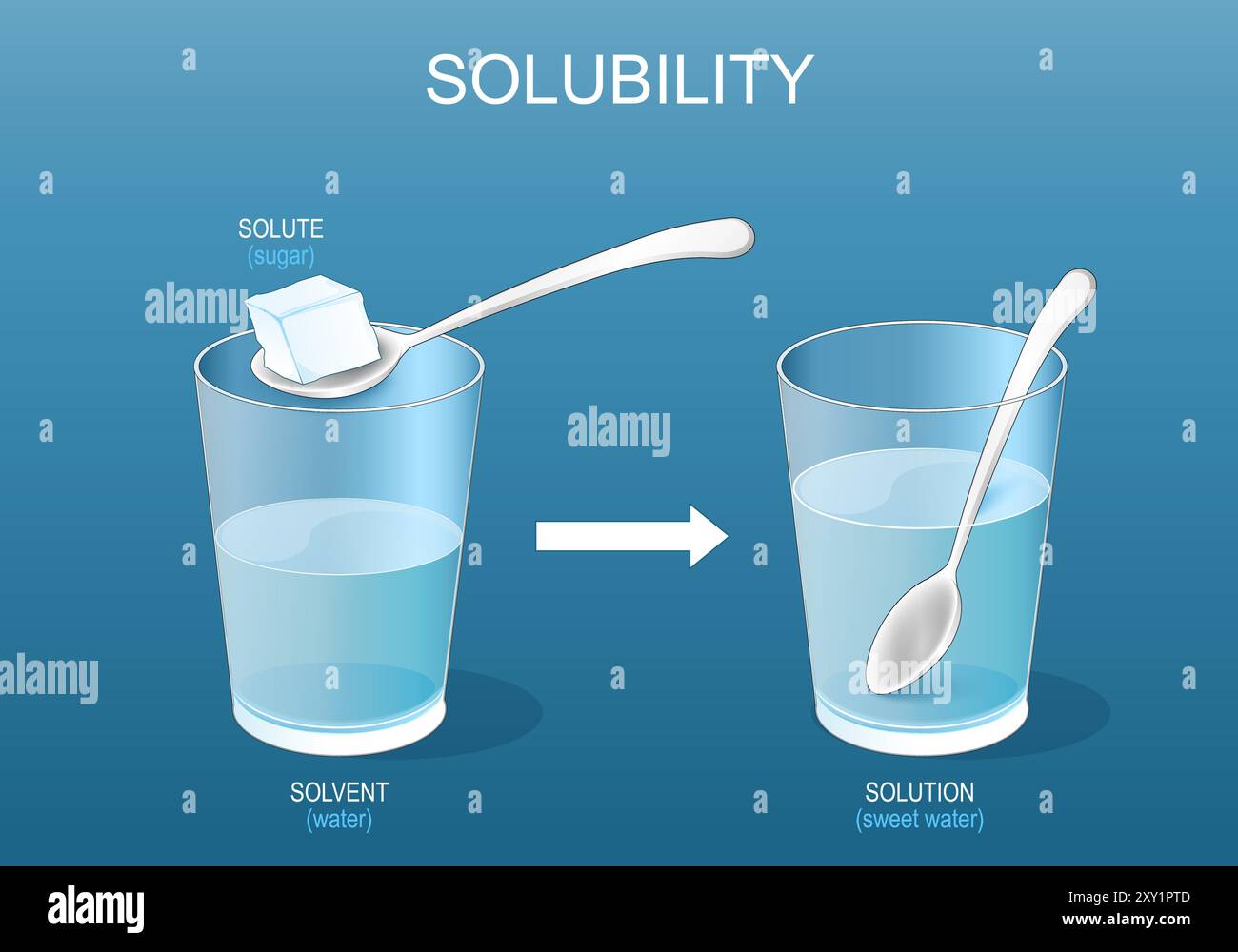
Example: Sugar is soluble in water.
en: solubiliser
solubility
noun
The ability of a solid, liquid, or gas (the solute) to dissolve in a solvent (usually a liquid) and form a solution.
Example: Temperature can affect the solubility of a substance.
en: solubilité
solute
noun
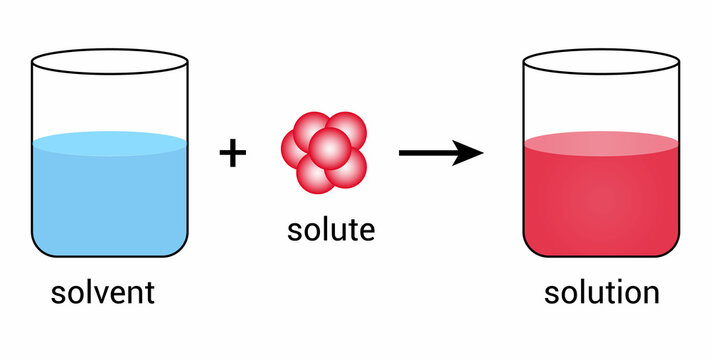
A dissolved substance. especially : a component of a solution present in smaller amount than the solvent.
Example: In saltwater, salt is the solute.
en: soluté
solution
noun
A liquid mixture in which the minor component (the solute) is uniformly distributed within the major component (the solvent).
Example: The salt formed a clear solution when mixed with water.
en: solution
solvent
noun
The liquid in which a solute is dissolved to form a solution.
Example: In saltwater, water is the solvent.
en: solvant
titration
noun
A technique where a solution of known concentration is used to determine the concentration of an unknown solution.
Example: We use titration to find the concentration of the acid.