Accounting is often described as the language of business, providing a standardized way to record, analyze, and communicate financial information. Whether you are a student, a business owner, or a financial professional, understanding key accounting terms is essential for interpreting financial statements, making informed decisions, and ensuring regulatory compliance.
Accrual
adjective
the accumulation or increase of something over time, especially payments or benefits.
Example: Under the accrual accounting method, revenue is recorded when earned, not when payment is received.
en: Accrual
assets
noun
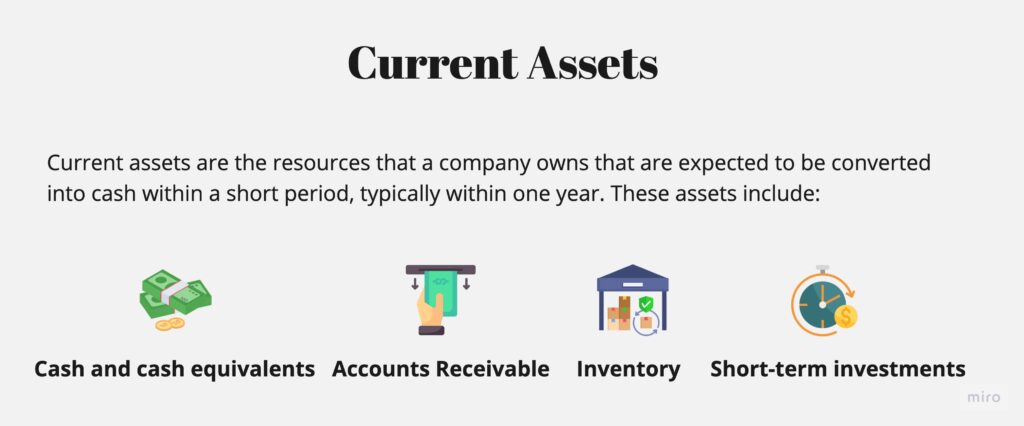
Assets are resources owned or controlled by an individual, company, or organization that are expected to provide future economic benefits. In accounting and finance, assets are a key component of the balance sheet.
Example: Assets are resources owned or controlled by an individual, company, or organization that are expected to provide future economic benefits. In accounting and finance, assets are a key component of the balance sheet.
en: actifs
capital
noun
wealth in the form of money or other assets owned by a person or organization or available or contributed for a particular purpose such as starting a company or investing.
Example: The company raised capital through investors to fund its expansion plans.
en: capitale
Cash Flow
noun
the total amount of money being transferred into and out of a business, especially as affecting liquidity.
Example: The company struggled to stay afloat due to negative cash flow from declining sales.
en: flux de trésorerie
credit
noun
An entry on the right-hand side of an account, indicating an addition to liabilities, revenue, or equity. It contrasts with a debit, which indicates an addition to assets or expenses.
Example: She received full credit for her well-researched science project.
en: credit
Depreciation
noun
A reduction in the value of an asset with the passage of tijavascript:void(0);me, due in particular to wear and tear.
Example: The company recorded annual depreciation on its equipment to reflect the loss of value over time.
en: dépréciation
equity
noun
Owner’s interest in the business.
Example: After paying off all its liabilities, the company had $500,000 in equity.
en: équité
expense
noun
The cost required for something; the money spent on something.
Example: Rent is a monthly expense that the company includes in its operating costs.
en: frais
income Statement
noun
An income statement, also known as a profit and loss statement or P&L, is a financial statement that summarizes a company's revenues, expenses, and net income (profit) or loss over a specific period of time. It provides a snapshot of a company's profitability and financial performance during that period.
Example: "The accountant prepared the income statement to show the company's revenues and expenses for the quarter.
en: compte de résultat
journal
noun
a detailed account of all the financial transactions of a business
Example: Each business transaction was first recorded in the journal before being posted to the ledger.
en: journal
ledger
noun
A book or other collection of financial accounts of a particular type.
Example: After recording the transactions in the journal, the accountant transferred them to the general ledger.
en: grand livre
Liability
noun
A company’s legal debts or obligations.
en: responsabilité
loss
noun
A decrease in a company's resources or assets, typically resulting from selling goods or services for less than their cost, or from activities outside the normal business operations.
Example: The business suffered a loss last quarter because of rising production costs and declining demand.
en: perte
profit
noun
A financial gain, especially the difference between the amount earned and the amount spent in buying, operating, or producing something.
Example: The company reported a significant profit this year due to increased sales and lower expenses.
en: profit
revenue
noun
The total amount of income generated by the sale of goods or services related to the company’s primary operations.
In accounting, revenue is often referred to as the “top line” because it appears at the top of the income statement. It is recognized when earned, not necessarily when cash is received, under the accrual basis of accounting.
Example: The company saw a significant increase in revenue after launching its new product line.




:max_bytes(150000):strip_icc()/straight-line-depreciation-method-357598-Final-5c890976c9e77c00010c22d2.png)
:max_bytes(150000):strip_icc()/equityaccounting_definition_final_0929-75e4f676fea0472fb60f71392a3242b2.png)