Welcome to The Survival Glossary for Aspiring Super nurses!.My name is Bele GODO, I am currently studying in the Nursing program. I have been in this program for a year and half, and during that time, I’ve come across many technical terms that are important to understand clearly trying to remember what a “catheter” is (hint: not a fancy straw) or constantly mixing up IVs with IBUs (one helps patients, the other helps headaches), this glossary is here to save your brain and possibly your grades. I made this collection of nursing terms because trying to decode medical jargon without a guide is like trying to give CPR instructions to a goldfish ,chaotic and mostly bubbles. So, dive in, learn the lingo, and remember, behind every confident nurse is a glossary they totally didn’t cram the night before.
antecedents
a noun
Pathological event, personal or family history,characteristics, which, in subject, preceded his current illness.
Example: Before prescribing any medication, the nurse carefully reviewed the patient's medical antecedents to avoid potential allergic reactions or drug interactions.
en: antécédents
blood pressure
noun
Blood pressure is the force exerted by blood against the walls of the arteries as it is pumped by the heart. It's measured as two numbers: systolic pressure (the top number, indicating the pressure when the heart beats) and diastolic pressure (the bottom number, indicating the pressure when the heart rests between beats).
Example: You can measure blood pressure using cuff and monitor to asses a person's cardiovascular health.
en: pression artérielle
care
noun
Look after and provide for the needs of.
Example: Nurses must provide care to all patients, regardless of their condition.
en: soins
catheter
noun
a flexible tube inserted through a narrow opening into a body cavity, particularly the bladder, for removing fluid.
Example: The nurse carefully inserted the catheter to help the patient drain urine from the bladder.
en: cathéter
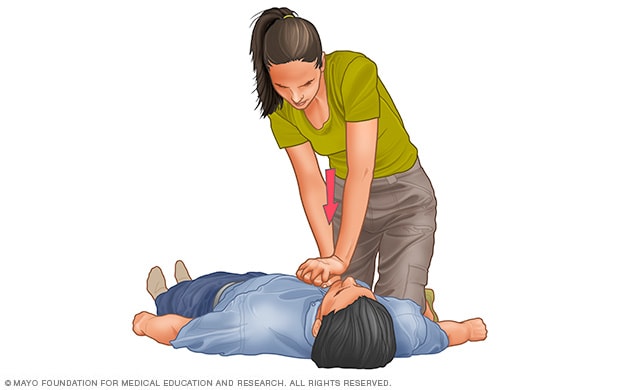
cpr/ cardiopulmonary resuscitation
The abbreviation for "preposition body"
Cardiopulmonary resuscitation (CPR) is a life-saving first aid technique used when someone's breathing or heartbeat has stopped. It involves chest compressions and rescue breaths to keep blood and oxygen flowing to vital organs until emergency medical services arrive.
Example: When the patient stopped breathing, the nurse immediately began CPR to try to restart the heart and restore circulation.
en: RCR/réanimation cardio-pulmonaire
ECG
noun
An electrocardiogram (ECG or EKG) is a test that records the electrical activity of the heart.
Example: Before administering the medication, the nurse performed an ECG to monitor the patient's heart activity.
en: ECG
glucomètre
A glucometer is a portable device that quickly measures the level of glucose (sugar) in the blood.
Example: Before administering insulin, the nurse used a glucometer to check the patient's blood sugar level
en: glucomètre
hospital
noun
an institution providing medical and surgical treatment and nursing care for sick or injured people.
Example: After slipping on the ice, Jenna was taken to the hospital to get her ankle checked and treated.
en: hôpital
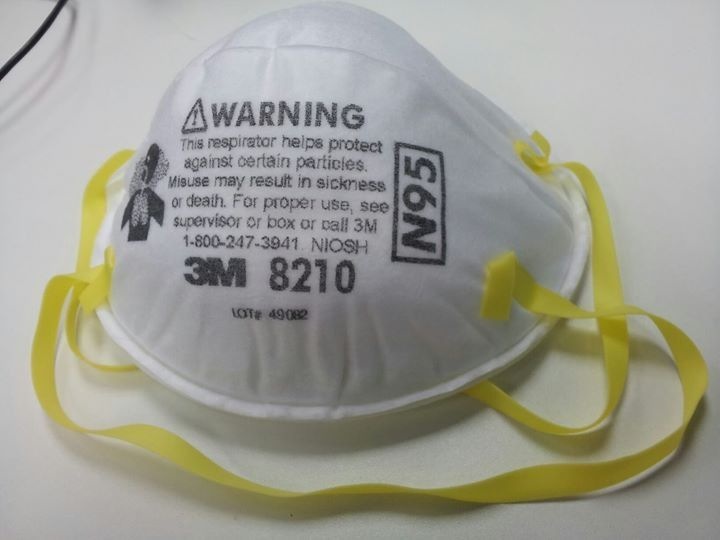
n95 respirators
noun
An N95 respirator is a disposable, filtering facepiece respirator certified by the National Institute for Occupational Safety and Health (NIOSH).
Example: Before entering the isolation room, all healthcare workers must wear N95 respirators to protect themselves from airborne infections.
en: respirateurs n95
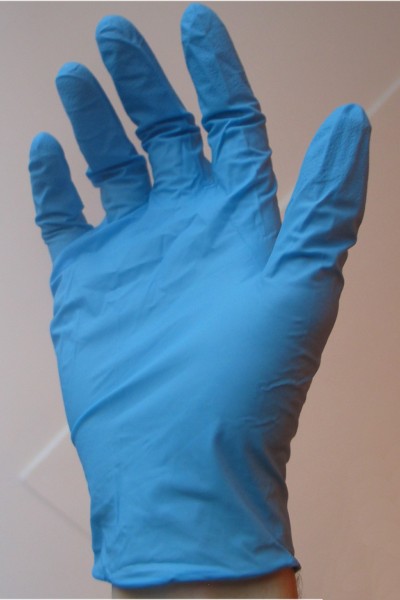
nitrile medical gloves
noun
Nitrile medical gloves are a type of protective, disposable glove made from synthetic rubber (nitrile rubber) and are commonly used in healthcare settings as an alternative to latex gloves.
Example: Before starting the procedure, the nurse Carefully put on a pair of nitrites medical gloves to maintain a sterile environment and protect herself from contamination.
en: gants médicaux en nitrile
oxygen mask
noun
a mask placed over the nose and mouth and connected to a supply of oxygen, used when the body is not able to gain enough oxygen by breathing air, for example at high altitudes, or because of a medical condition.
Example: When the patient's oxygen levels dropped, the nurse quickly placed an oxygen mask over his face to help him breathe more easily
en: masque à oxygène
paramedic
noun
a person trained to give emergency medical care to people who are injured or ill, typically in a setting outside of a hospital.
Example: The paramedic arrived within minutes and quickly assessed the patient's condition before transporting her to the hospital.
en: paramédicale
patient
a person receiving or registered to receive medical treatment.
Example: The nurse carefully explained the procedure to the patient to help reduce their anxiety
en: patiente
pills
noun
a small round mass of solid medicine to be swallowed whole.
Example: The doctor prescribed some pills to help reduce the patient's fever and relieve the pain.
en: pilules
virus
noun
A virus is a submicroscopic infectious agent that replicates only inside the living cells of an organism. Viruses infect all life forms, from animals and plants to microorganisms, including bacteria and archaea.
Example: The nurse explained that a virus, unlike bacteria, cannot be treated with antibiotics and often needs to run its course.