My name is Moïsha my program is Social Sciences : the individual which means I touch more the psychology side of this field.I have been in this program since the autumn 2022 ,and this semester is my last one.This glossary contains the words people can use in the Social Sciences the individual field to describe specifics terms related to this field.
behaviorism
noun
A psychological approach that emphasizes the study of observable behaviors and the role of the environment as a determinant of behavior.
Example: Behaviorism suggests that all behaviors are learned through interaction with the environment.
fr: behaviorisme
brain
noun
The organ in your head that controls your body and thoughts.
Example: The brain helps us think, learn, and remember things every day.
fr: cerveau
classical conditioning
noun
A learning process in which a neutral stimulus becomes associated with a meaningful stimulus and acquires the capacity to elicit a similar response (e.g., Pavlov’s dogs salivating at a bell).
Example: The dog began to salivate at the sound of the bell due to classical conditioning.
fr: conditionnement classique
cognition
noun
The mental processes involved in gaining knowledge and understanding, including thinking, knowing, remembering, judging, and problem-solving.
Example: Her research focuses on how aging affects cognition, especially memory and decision-making.
fr: cognition
defense Mechanisms
noun
Unconscious psychological strategies used to cope with anxiety and maintain a positive self-image (e.g., denial, repression, projection).
Example: She used humor as a defense mechanism to cope with stressful situations.
fr: mécanismes de défense
developmental Psychology
noun
The branch of psychology that studies how people grow and change throughout life, from infancy to old age.
Example: Developmental psychology helps us understand how children learn language over time.
fr: psychologie du développement
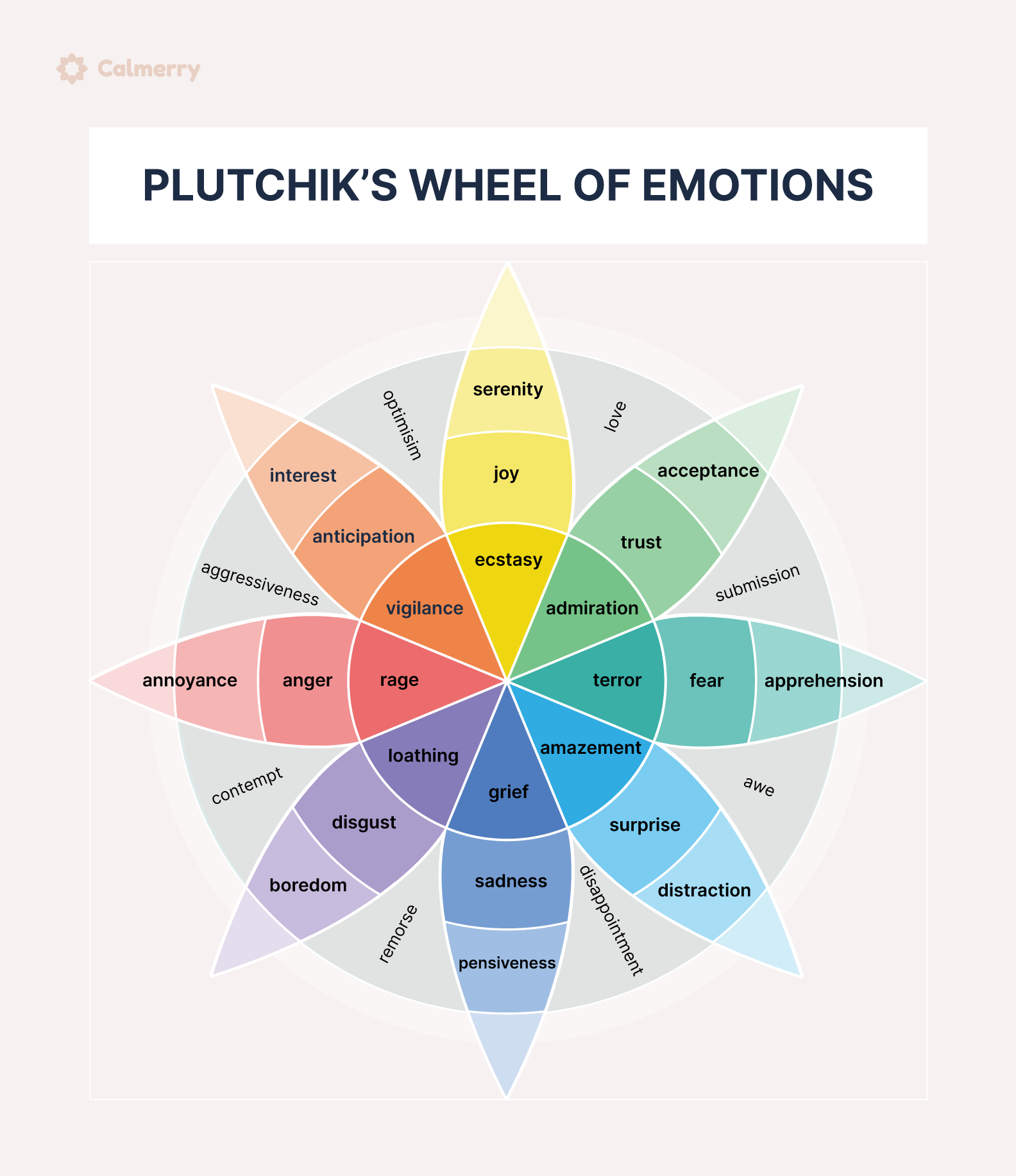
emotions
noun
Emotions are strong feelings that come from your thoughts and experiences. They affect how you think, act, and relate to others. Common emotions include happiness, sadness, anger, fear, and love.
Example: Understanding your emotions can help you make better choices and build stronger relationships.
fr: émotions
mental Health
noun
Mental health is your overall emotional, psychological, and social well-being. It affects how you think, feel, and act, and how you handle stress, relate to others, and make choices. Good mental health helps you cope with life’s challenges.
Example: Taking care of your mental health is just as important as taking care of your physical health.
fr: santé mentale
needs
noun
Needs are the basic things people must have to survive, grow, and feel well—like food, safety, love, and respect. In psychology, needs help explain why people act the way they do.
Example: When a child's emotional needs are met, they feel more secure and confident.".
fr: besoins
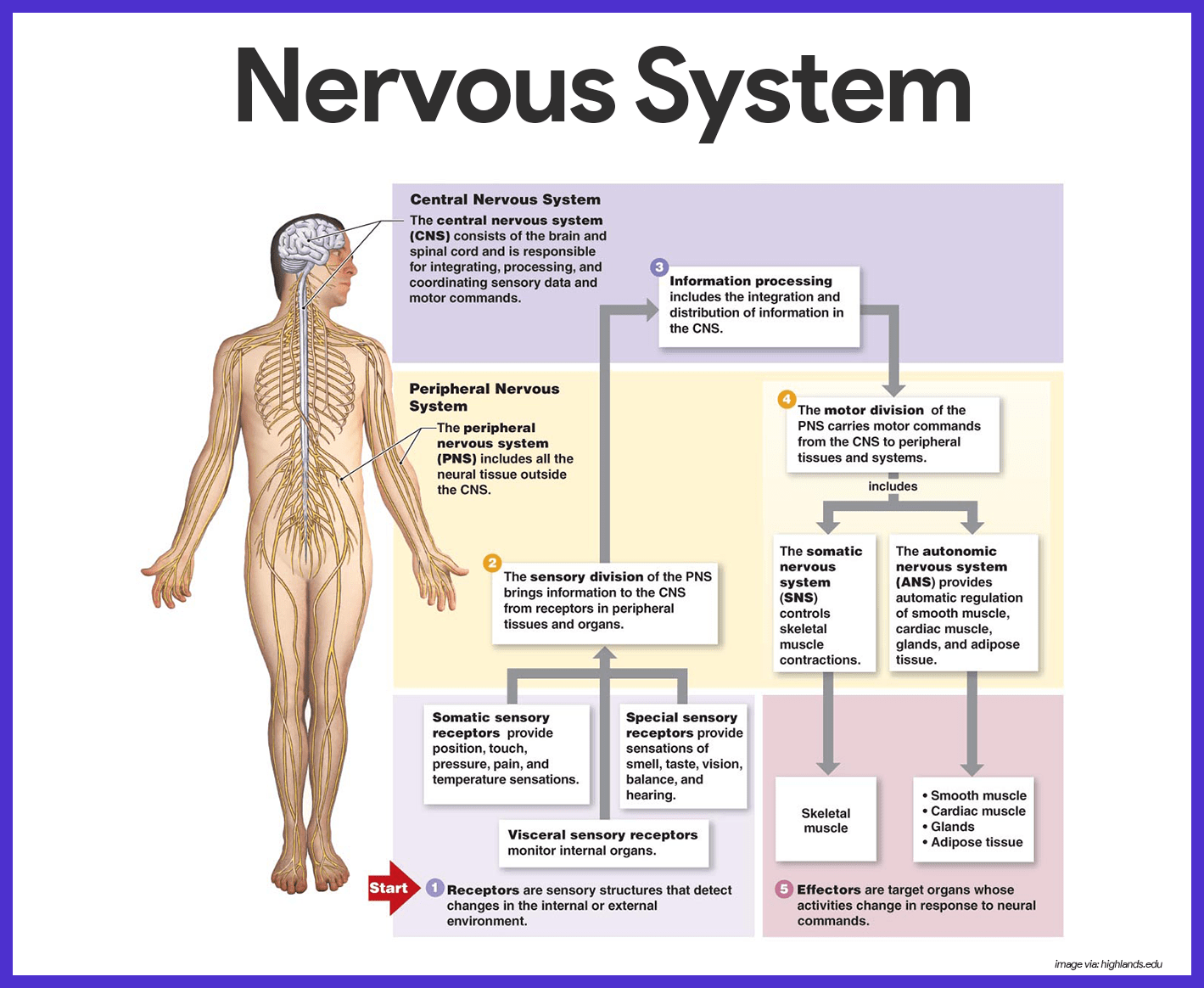
nervous system
noun
The nervous system is the body’s control center that sends and receives signals between the brain, body, and environment. It helps regulate emotions, thoughts, memory, learning, and behavior.
Example: Psychologists study the nervous system to understand how the brain influences behavior and emotions.
fr: système nerveux
neurotransmitteur
noun
Chemical messengers in the brain that transmit signals between neurons, influencing mood, sleep, learning, and other functions (e.g., dopamine, serotonin).
Example: An imbalance in neurotransmitters like serotonin can affect mood and lead to depression.
fr: neurotransmetteur
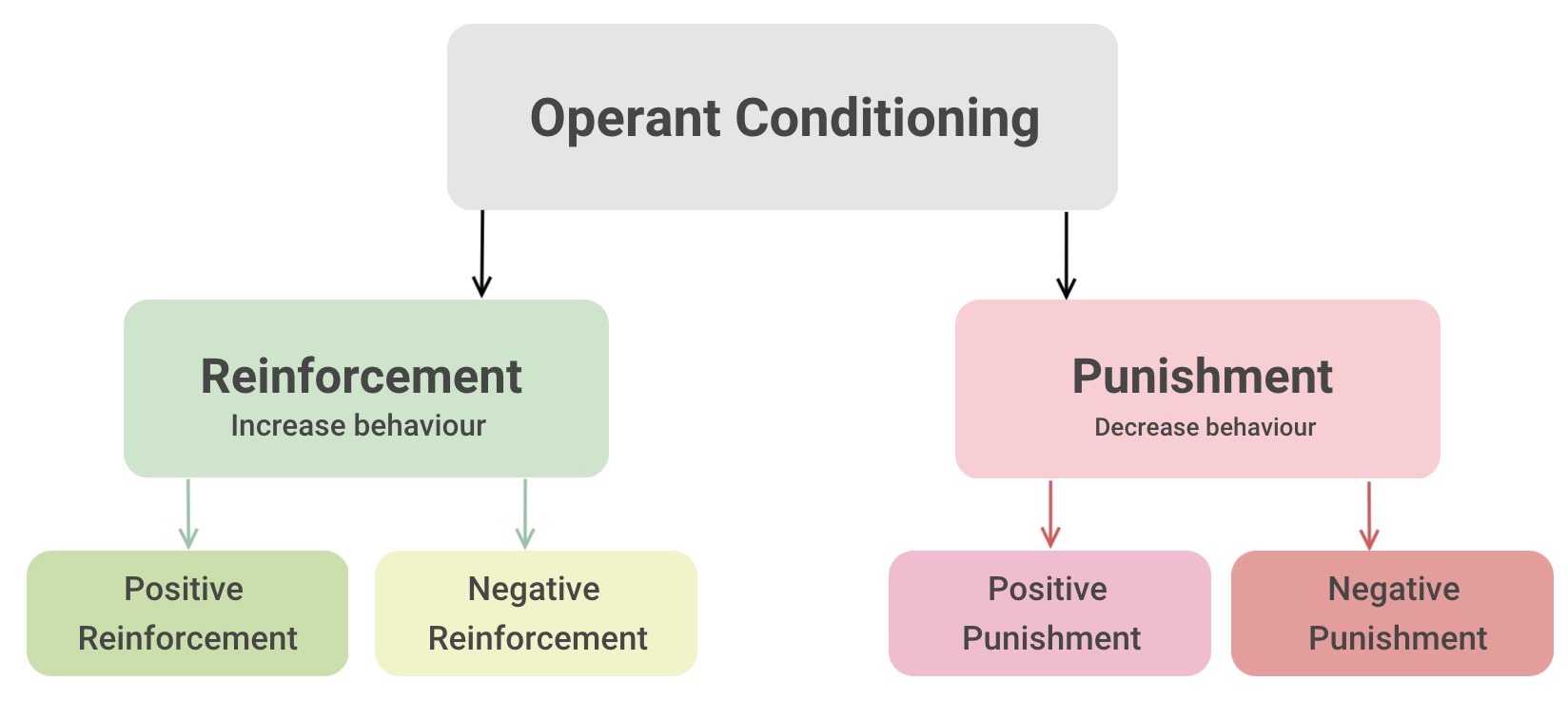
operant conditioning
noun
A type of learning where behavior is controlled by consequences, such as rewards and punishments (e.g., Skinner’s experiments with rats and pigeons).
Example: Teachers often use operant conditioning by rewarding students for good behavior.
fr: conditionnement opérant
psychology
noun
Psychology is the scientific study of the mind and behavior. It explores how people think, feel, and act both individually and in groups, and it draws on various disciplines including biology, sociology, and philosophy.
Example: Understanding basic principles of psychology can help improve communication and strengthen relationships.
fr: psychologie
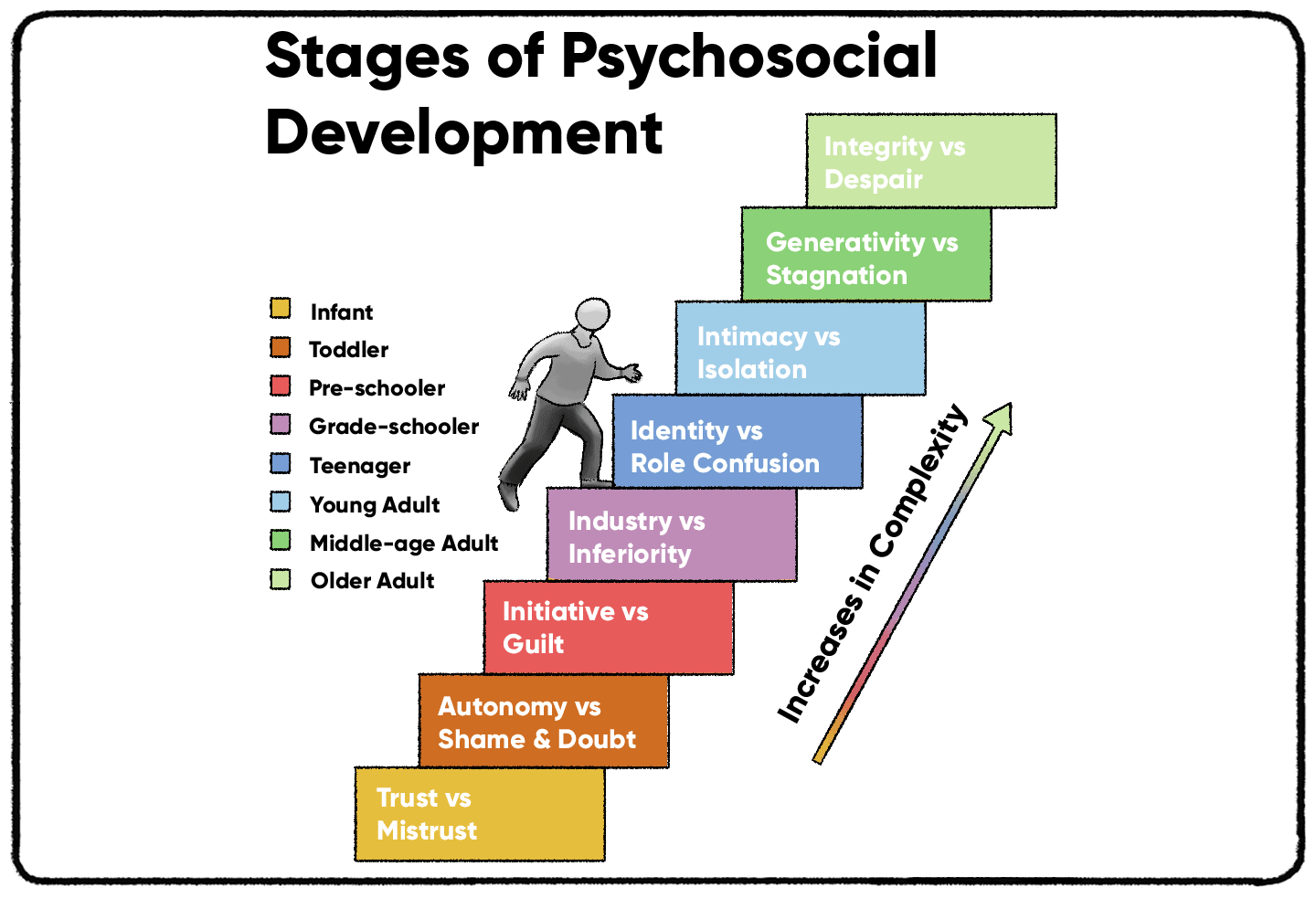
psychosocial
noun
Psychosocial refers to the way a person’s mental health (psychological) and social environment (relationships, community, culture) interact and influence each other.
Example: Support from friends and family can improve a person’s psychosocial well-being during difficult times.
fr: psychosocial
socio-affective
noun
Socio-affective refers to the way social interactions (like friendships, communication, and group behavior) and emotions (like empathy, love, or frustration) influence each other. It’s often used in education and psychology to describe how people’s feelings and relationships affect learning and behavior.
Example: The teacher created a warm classroom environment to support the students' socio-affective development.