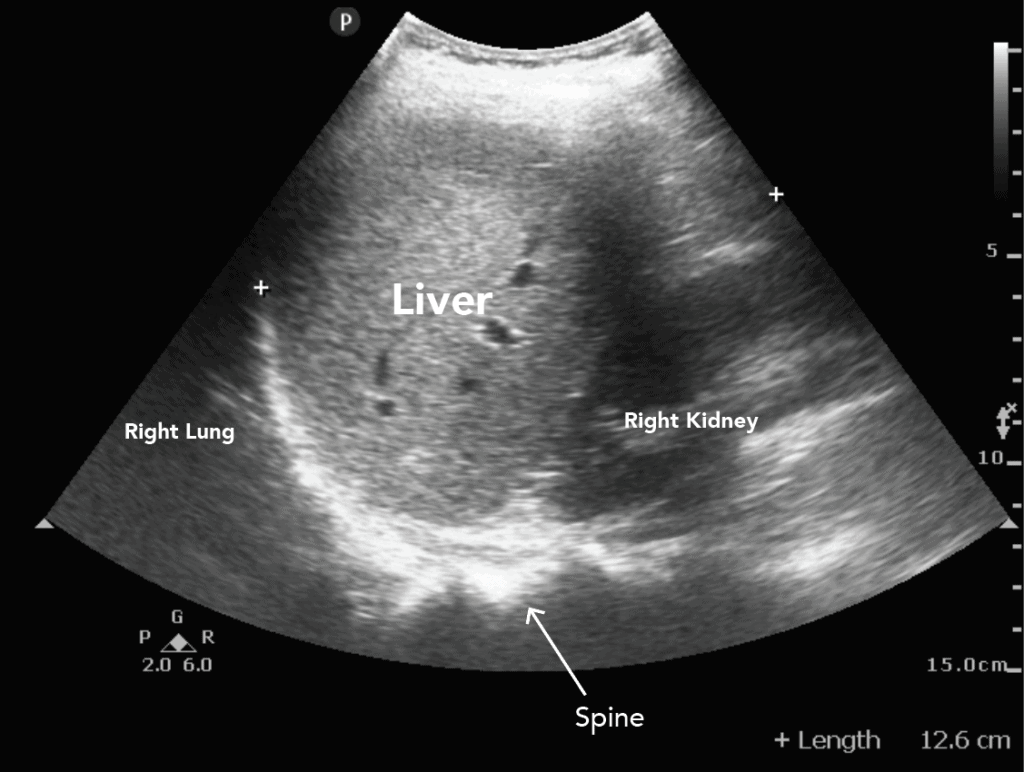
An abdominal and pelvic ultrasound uses sound waves to create images of the organs within the abdomen and pelvis, including the liver, gallbladder, kidneys, bladder, uterus, ovaries, prostate, and seminal vesicles. This non-invasive procedure can be used to diagnose conditions, monitor diseases, and guide surgical procedures.
Example: An abdominal and pelvic ultrasound is a non-invasive imaging technique that uses high-frequency sound waves to visualize the structures and organs within the abdomen and pelvis.
fr: L'échographie abdominale ou abdomino-pelvienne
Amniocentesis
noun
Amniocentesis is a prenatal diagnostic procedure performed typically between 16 and 20 weeks of pregnancy. It involves using a needle to extract a sample of amniotic fluid, which contains fetal cells, to test for genetic conditions such as Down syndrome, cystic fibrosis, and spina bifida.
Example: Amniocentesis is done to remove amniotic fluid and cells from the uterus for testing or treatment.
fr: Amniocentèse
Biopsy test
noun
A biopsy test is a medical procedure used to remove a sample of tissue or cells from the body for examination. It is primarily performed to determine if there are any abnormal cells, such as cancer, in the tissue.
Example: A biopsy is a procedure to remove cells, tissue or fluid for examination by a medical pathologist.
fr: test de biopsie
Breast ultrasound
noun
A breast ultrasound uses sound waves to create images of the internal structures of the breast. It's a safe and non-invasive procedure that doesn't use radiation. Breast ultrasound is commonly used to investigate lumps or other abnormalities found during breast exams or mammograms.
Example: Breast ultrasound can differentiate between fluid-filled (cyst) and solid lumps.
fr: échographie mammaire
cardiovascular diseases
noun
Cardiovascular diseases (CVDs) affect your heart and blood vessels. Almost half of all adults in the U.S. have at least one form of heart disease. You may make lifestyle changes to manage cardiovascular disease or your healthcare provider may prescribe medications.
fr: maladies cardiovasculaires
color doppler ultrasound
noun
Color Doppler ultrasound is a non-invasive imaging technique that uses sound waves to visualize blood flow within the body. It allows for the visualization of flow direction and velocity, helping to identify issues such as blood clots or blockages.
Example: The color Doppler technique assigns different colors to blood flow direction, with red indicating flow towards the transducer and blue indicating flow away.
fr: Échographie Doppler couleur
Cortisone injections
noun
Cortisone injections, also known as steroid injections, are used to: Relieve pain, swelling, and irritation in specific areas of the body
It is commonly injected into joints, such as the ankle, elbow, hip, knee, shoulder, spine, wrist, and even small joints in the hands or feet. Reduce inflammation associated with joint conditions, such as arthritis, bursitis, carpal tunnel syndrome, and back pain.
Example: Cortisone injections can be used to treat the inflammation of small areas of the body (local injections), or they can be used to treat inflammation that is widespread throughout the body (systemic injections).
fr: Infiltration de cortisone
gynecology ultrasound
noun
Gynecological ultrasound, or pelvic ultrasound, uses sound waves to create images of the female pelvic organs, such as the uterus, ovaries, and fallopian tubes. It's a safe and non-invasive procedure used to diagnose and monitor various gynecological conditions, including those related to fertility, pregnancy, and pelvic pain.
Example: During pregnancy, ultrasound can be used to assess fetal development, including gestational age, fetal viability, and placental position.
fr: échographie gynécologique
medical file
noun
A medical file, often referred to as a medical record, is a comprehensive account of a patient's health history and treatment. To access your medical records, you can request them from your healthcare provider, who is required by law to provide you with copies upon request. Medical records include information about your medical history, diagnoses, treatment plans, and any other relevant health information. It's important to know that you have the right to request corrections to your medical records if you find any inaccuracies.
Example: A medical file, often referred to as a medical record, is a comprehensive account of a patient's health history and treatment.
fr: dossier médicale
medical prescription
noun
A medical prescription is a written order from a licensed healthcare professional, typically a physician, authorizing the dispensing and administration of specific medications or treatments to a patient. It is a formal communication from a physician or other registered healthcare professional to a pharmacist.
Example: Medical prescriptions are a cornerstone in the healthcare sector, forming a vital communication bridge between physicians and pharmacists and ensuring that patients receive the correct medication on time.
fr: ordonnance médical
musculoskeletal ultrasound
noun
Musculoskeletal (MSK) ultrasound uses sound waves to visualize and assess the muscles, joints, tendons, and ligaments of the body, helping to diagnose and treat conditions like muscle tears, sprains, and tendonitis.
Example: MSK ultrasound can be used to examine various structures, including: Tendons, Ligaments, Muscles
fr: échographie musculo-squelettique (MSK)
pharmacology
noun
Pharmacology is the study of drugs and their interactions with living organisms. It encompasses the mechanisms of drug action, therapeutic uses, and the effects of drugs on biological systems.
Example: Pharmacology is not synonymous with pharmacy and the two terms are frequently confused.
fr: pharmacologie
Quality control in ultrasound
noun
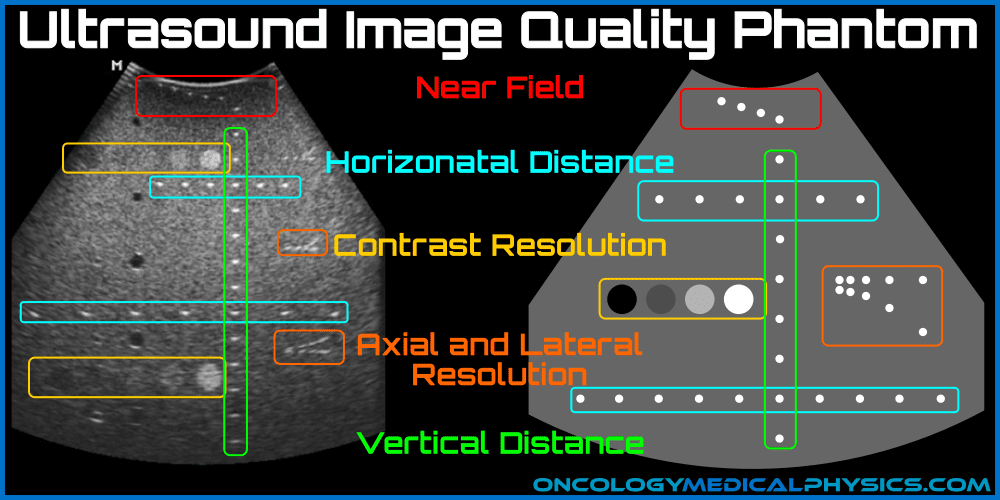
Ultrasound quality control (QC) is a systematic process of evaluating and documenting the performance of ultrasound equipment. It involves evaluating and verifying the accuracy and reliability of ultrasound images to ensure that the technician operates within acceptable limits.
Example: QC testing quantifies and verifies the accuracy and reliability of ultrasound images, ensuring the technician operates within acceptable limits.
fr: contrôle de qualité en échographie
sound waves
noun
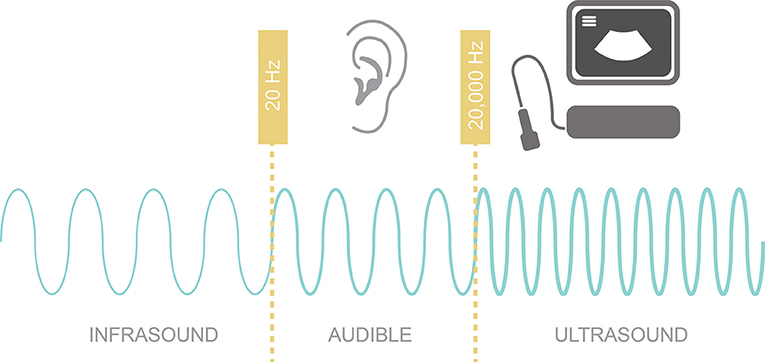
In ultrasound imaging, sound waves with frequencies higher than the human hearing threshold (above 20 kHz) are used to create images of internal body structures. These high-frequency sound waves are generated by transducers, which are typically placed on the skin. The waves travel into the body, reflect off of different tissues and organs, and then return to the transducer.
Example: Transducer generate and receive sound waves.
fr: ondes sonores
testis ultrasound
noun
A testicular ultrasound, also known as a scrotal ultrasound, is a non-invasive imaging test that uses sound waves to create pictures of the testicles, epididymis, and scrotum. It helps diagnose various conditions like testicular torsion, hydrocele, and testicular cancer.
Example: Testicular ultrasound is used to investigate a variety of testicular issues, including:
Testicular torsion (twisting of the testicle, a medical emergency
fr: échographie testiculaire
thyroid ultrasound
noun
A thyroid ultrasound is a quick and painless imaging test that uses sound waves to create images of the thyroid gland. It helps healthcare providers assess the size, shape, and any abnormalities of the thyroid, such as nodules or inflammation. This test is commonly ordered if there are abnormal thyroid function tests or if a growth is felt during a physical examination. There is no special preparation required, and it is considered safe with no side effects.
Example: The thyroid produces hormones that have many different effects, ranging from regulating the body’s metabolism to forming new proteins.
fr: ultrason de la thyroïde
ultrasound devices
noun
Detecting objects and measuring distances
Ultrasound imaging or sonography in medicine
Nondestructive testing of products and structures to detect invisible flaws and using special-use transducers, including transvaginal, endorectal, and transesophageal transducers for improved visualization.
Example: Ultrasound devices are used for various purposes.
fr: Appareillage en échographie
ultrasound of heart
noun
An ultrasound of the heart, also known as an echocardiogram, uses high-frequency sound waves to create images of the heart's structure and function. This test can help doctors visualize the heart's valves, chambers, and blood flow, allowing them to diagnose various heart conditions.
Example: Uses sound waves to measure blood flow through the heart and blood vessels.
fr: échographie du coeur
ultrasound transducer
noun
An ultrasound transducer, also known as a probe, is a device that:
Converts electrical energy into mechanical (sound) energy and back again, based on the piezoelectric effect. Receives the echoes and sends them to a computer to create an image called a sonogram.
Example: An ultrasound transducer converts electrical energy into mechanical (sound) energy and back again, based on the piezoelectric effect.
fr: ultrason transducteur
vascular ultrasound
noun
Vascular ultrasound is a noninvasive test that evaluates blood flow in the arteries and veins of the arms, neck, and legs. It is used to diagnose blood clots and peripheral artery disease, assess candidacy for angioplasty, and check blood vessel health after bypass surgery. The test uses sound waves and may include a Doppler ultrasound study to evaluate blood flow.
Example: Vascular ultrasound, also known as a duplex study, is a non-invasive test.